
New & Noteworthy
Stay up to date with news, highlights, & features from across Freeman's.
Stay up to date with news, highlights, & features from across Freeman's.
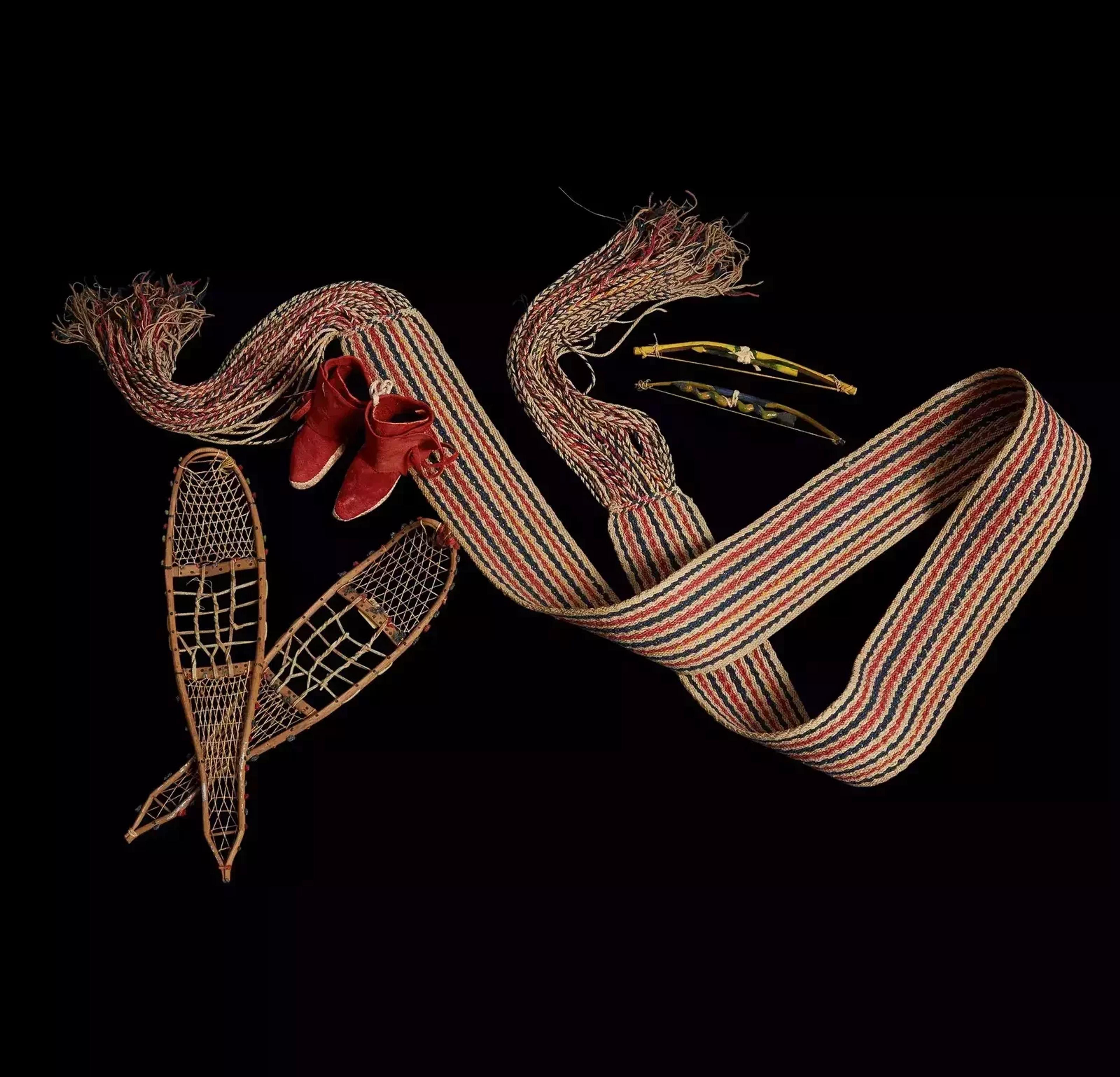
From Affluent Philadelphian to Saint Katharine Drexel was born in 1858 to one of Philadelphia’s wealthiest and most prominent families: her father, Francis Anthony Drexel, was a business partner of J.P. Morgan. A pampered, well-tutored and much-traveled child, Katharine and her siblings were raised with a strong sense of social responsibility. The Drexels offered food, clothing, and money to the needy from their home at 1503 Walnut Street on a weekly schedule. Katharine’s youthful travels across the United States made her acutely aware of the inequalities and struggles experienced by Native and African Americans in particular; this understanding undoubtedly influenced her shocking decision to become a Roman Catholic nun and join the Sisters of Mercy Convent in Pittsburgh. The Sisters of the Blessed Sacrament Determined to use her inheritance to better the educational opportunities and social conditions of minorities in this country, Drexel established a religious order, The Sisters of the Blessed Sacrament for Indians and Colored People, in 1891. That same year, Mother Katherine Drexel, as she was then called, purchased forty-four acres in Bensalem, Pennsylvania to build a Motherhouse and administrative headquarters for the order. From 1891 to 1933, the campus grew to ten buildings and at its peak, had 600 Sisters running schools around the country and in Haiti. For 60 years, Drexel used her wealth to build and support schools and missions. The first, St. Catherine's Indian School, was a boarding school in Santa Fe, New Mexico that opened in 1894. In total, Drexel built 145 missions, 45 elementary schools, 12 high schools, and a university. At her death in 1955, Drexel was laid to rest in the Motherhouse chapel. She was canonized as a Saint in 2000, and the Motherhouse complex became known as the National Shrine of Saint Katharine Drexel. After 125 years, declining membership and the financial pressures straining many Catholic orders brought about the decision by the Sisters of the Blessed Sacrament to sell the National Shrine of Saint Katharine Drexel in Bensalem, as well as an additional property outside of Richmond, Virginia. A Fundraising Sale In 2017, Freeman’s offered a large collection of Native American–made items formerly exhibited and stored onsite at the National Shrine. Representing the Native American arts traditions and crafts that the Sisters of the Blessed Sacrament encouraged in all of their schools, this collection, consisted of pottery, beadwork, weavings and basketry, that was largely by Hopi, Navajo and Pueblo artisans, and the items were presented to the Sisters from many of the schools and missions they supported over the years. Proceeds from the sale went toward the Sisters of the Blessed Sacrament’s ministry work, as well as the support of its retired Sisters, about fifty of whom still live in the Motherhouse complex. The National Shrine of Saint Katharine Drexel of the Motherhouse campus remained open to visitors through 2017. The remains of Saint Katherine Drexel were eventually moved to the Cathedral Basilica of Saints Peter and Paul in Philadelphia, and selections of the Sisters of the Blessed Sacrament archives were entrusted to the Philadelphia Archdiocese of Philadelphia.

Bigger is not always better, but bigger rarely goes unnoticed. For years, interior designers and collectors alike have been utilizing large works of art to impact space—a pop, an accent or a statement to an aesthetic. Sometimes it is the focal point of a room, giving a minimalist space one awe-inspiring feature. Other times it can act as a mural, enhancing an already richly decorated space. Taking up physical space or reaching monumental scale has been a challenge and call to innovation for ages. Large paintings push the boundaries of materials, installation and technique. Scale can also disorient. Proportional to everything else around it, the idea of what large-scale is can even fluctuate. Regardless, content often becomes secondary to how the rest of our senses are impacted by large works of art in their own environments. The details in the grandness do not go unnoticed and a large-scale painting can become a disruption—demanding attention within a room. Bigger can be bold and powerful and an exciting addition to any space, which is why we love the large-scale works that “disrupt” our gallery walls at Leslie Hindman Auctioneers. Here are a few of our favorites from the upcoming Post War and Contemporary Art auction on December 14. Preview Times: Saturday, December 10, 10am – 3pm Sunday, December 11, 12pm – 4pm Monday, December 12, 10am – 5pm Tuesday, December 13, 10am – 5pm Preview Location: 1338 West Lake Street Chicago, Illinois 60607
Director of the Important Jewelry and Fine Timepieces department, Alexander Eblen, explains characteristics of antique jewelry and what to look for when buying these unique heirlooms at auction. Working with true antique jewelry that is 100+ years old is a great joy for the jewelry team at Leslie Hindman Auctioneers. Many people find antique jewelry intimidating or hard to understand. These guidelines will help you learn what to look for as you discover the incredible beauty, quality and value that lies in buying antique jewelry. The September 11-12 Important Jewelry sale at Leslie Hindman Auctioneers will offer a variety of antique jewelry—from brooches and pins to diamonds and gold. Here are the basics of what to look for and consider when bidding on one of these beautiful items. 1.) ORIGINALITY AND “MARRIAGES” Over time, jewelry has become incredibly recyclable and dynamic. With each passing decade, designers have combined fashions and trends to create new styles that define a time period. For example, Art Deco brooches and charms from the 1920s were sometimes beautifully mounted on wide rose and yellow gold bangles in the 1940s, inventing a chic look for a new generation not content with wearing “mother’s jewelry”. A Retro Yellow Gold Bangle with Attached Art Deco Platinum, Diamond and Multigem Charms. Sold for $8,125. In the jewelry trade, combinations such as these are referred to as a “marriage” and, just like people, some are a better fit than others. When buying antique jewelry, remember the likelihood that the item you are considering has been changed, altered, or combined with another piece of jewelry is very high. There is nothing wrong with these alterations and combining different elements can be aesthetically pleasing. However, serious collectors will often seek out those rare few items that have survived intact and unaltered. A wearable time capsule of sorts, these are a prize! 2.) A PRECIOUS METAL “SANDWICH” As Jewelry specialists, we are trained to pick up on the little details that help differentiate items from different eras. Aesthetics change wildly from one generation to another and so too do the construction techniques that jewelry makers have utilized over time. One technique that we find fascinating is the process of using gold as the base of a jewel and topping it with white metal setting work, making a laminate or “sandwich,” so that the diamonds and colored stones are beautifully contrasted. This technique can be seen first with silver-topped gold from the Georgian and Victorian eras. Keep in mind, silver can look dark or even black from oxidation, but this can be restored to its gleaming white tone with an expert’s help. A Victorian Silver Topped Gold, Black Opal and Diamond Ring. Sold for $10,625. This oxidation and a growing skill in a new metal alternative led to silver’s replacement with platinum at the start of the 20th century. Edwardian jewels do not suffer from oxidation—their diamonds and gems are secure in everlasting bright white. You can easily see the layers in silver or platinum topped jewelry with a loupe and even sometimes with the naked eye. Marvel at the intricate melding of metal done by masterful hands creating wearable fine art. The artisans responsible for these creations had such incredible skill, one that is exhibited in their magnificent designs. 3.) ANTIQUE CUTS AND “LOST” GEMS There is something instantly recognizable when looking at antique jewelry set with diamonds and gems. The stones look different and echo a simpler time when jewelry was handmade and antique stones are known for the fact that each one is slightly different in shape and size. Have you ever looked at a round or cushion shape diamond in a grandmother’s or great grandmother’s ring and wondered what that “hole” in the bottom of the stone is? Rest assured that it is an illusion caused by the flat bottom of the stone, called the culet, found in two elegant cuts called the old European (round) and its precursor, the old mine (pillow shaped). These cuts, among several others, dominated the diamond scene during the Georgian, Victorian, Edwardian and Art Deco timeframes, lending their unique looks to countless treasures. Eventually they gave way to the modern round brilliant cut of today, but are coveted because of their “old school” charm. A Pair of Victorian Silver Topped Gold and Diamond Earrings. Sold for $52,500. Finally, touching on my favorite topic of colored gems, antique jewels provide the opportunity to own gemstones from classic sources long since exhausted. Whether it be tiny accents or larger center stones, the jewelry world was completely spoiled in the past, with the “best of the best” gem materials, using them in jewelry of all price points. Keep your eyes open for a glorious example of Edwardian jewelry set with brilliant green Demantoid from the original Russian find. Or that late Victorian or Edwardian piece with Montana sapphires of shocking color and crystal clarity. Enjoy the vivid pink-red hues of Burmese ruby and intense greens of Colombian emeralds with the knowledge that they are most likely in their pure, untreated forms unlike the commonly treated examples used today. An Important Belle Époque Platinum, Montana Sapphire and Diamond Bracelet, Circa 1910. Sold for $81,250. Contact us for a free appraisal of your antique jewelry and for more information on our jewelry auctions, click here or sign up to join our mailing list.

Ryan Beshel Principal at SIX4 Creative, LLC Formerly the Digital Marketing Lead for Purely Fashion, the first in-house publicist for the iconic 900 North Michigan Shops and runway model agent for Agency Galatea, Ryan is now catering his talents to his new business, SIX4 Creative. Ryan enjoys showcasing his thoughts on style, trends and celebrity fashion on reputable networks such as FOX, NBC and ABC, as well as contributing quotes, fashion recaps and reports to publications such as Women’s Wear Daily, Racked and Refinery29. Ryan came by the auction house to preview our Happy Hour Couture Tag Sale, including labels such as Chanel, Gucci, Oscar de la Renta, Ralph Lauren, Zegna and Bill Blass and give us some of his favorite items. Follow his picks @RyanBeshel