New & Noteworthy
Stay up to date with news, highlights, & features from across Freeman's.
Stay up to date with news, highlights, & features from across Freeman's.
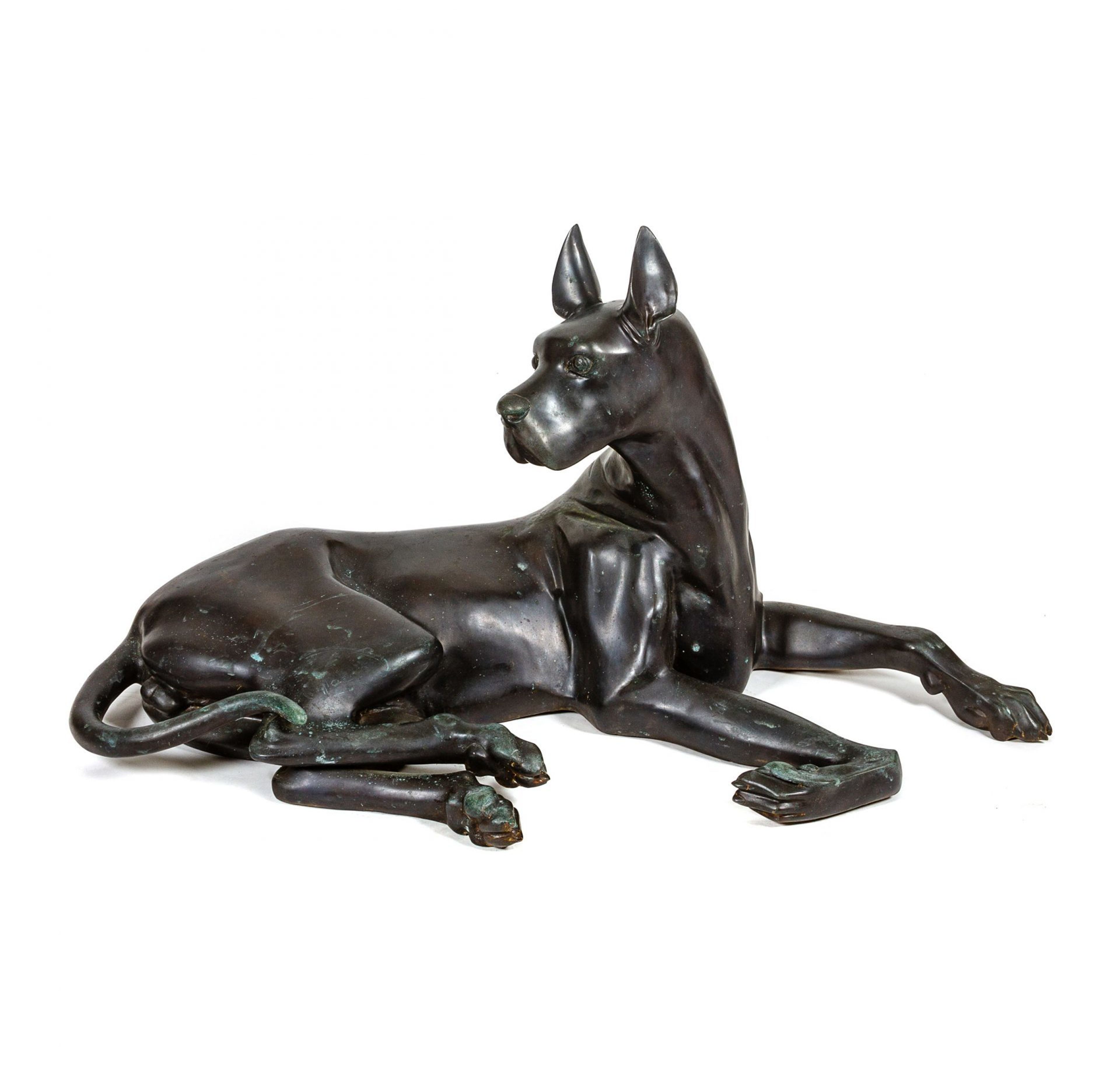
After 30 years in St. Louis, the American Kennel Club’s Museum of the Dog has moved to New York. A selection of items from their collection will be offered in our St. Louis Spring Auction on April 23. This selection includes works in a wide variety of media with over 80 breeds represented. Continue reading to discover highlights from the delightful collection. LOT 283 | A Royal Doulton Flambe Bulldog A striking flambe glaze covers the entirety of this figure. Royal Doulton began producing figures with flambe glazes in 1904, and a series of flambe animals in 1908. This bulldog is one example, with its vibrant red hue and relaxed seated posture. LOT 403 | A Large Bronze Great Dane Sculpture This life-size sculpture embodies the naturally statuesque Great Dane. With its head raised, it glances to the right, creating tension and suggesting a narrative. Perhaps it just heard its name or keys in the door as its owner returns home after a long day. LOT 461 | A Painting Depicting a Mastiff. After Anthony van Dyck (Belgian, 1599-1641) a copy of “The Five Eldest Children of Charles I,” oil on canvas The charming Mastiff depicted here appears to be the perfect family dog, as the eldest son rests his arm on its head. Seated in the center of the composition, it is clear that this dog was an important member of the family. Personalities of the two dogs pictured are visible, as the smaller dog in the lower right vies for the same attention as his larger counterpart. LOT 493 | A Wood and Marble Dog House Among the most whimsical items of the collection is this dog house with real marble floors. It has an elaborately painted interior and exterior that make it truly fit for royalty. Scottish Terriers stand atop the roof like guardian figures for the lucky dog that sleeps here.
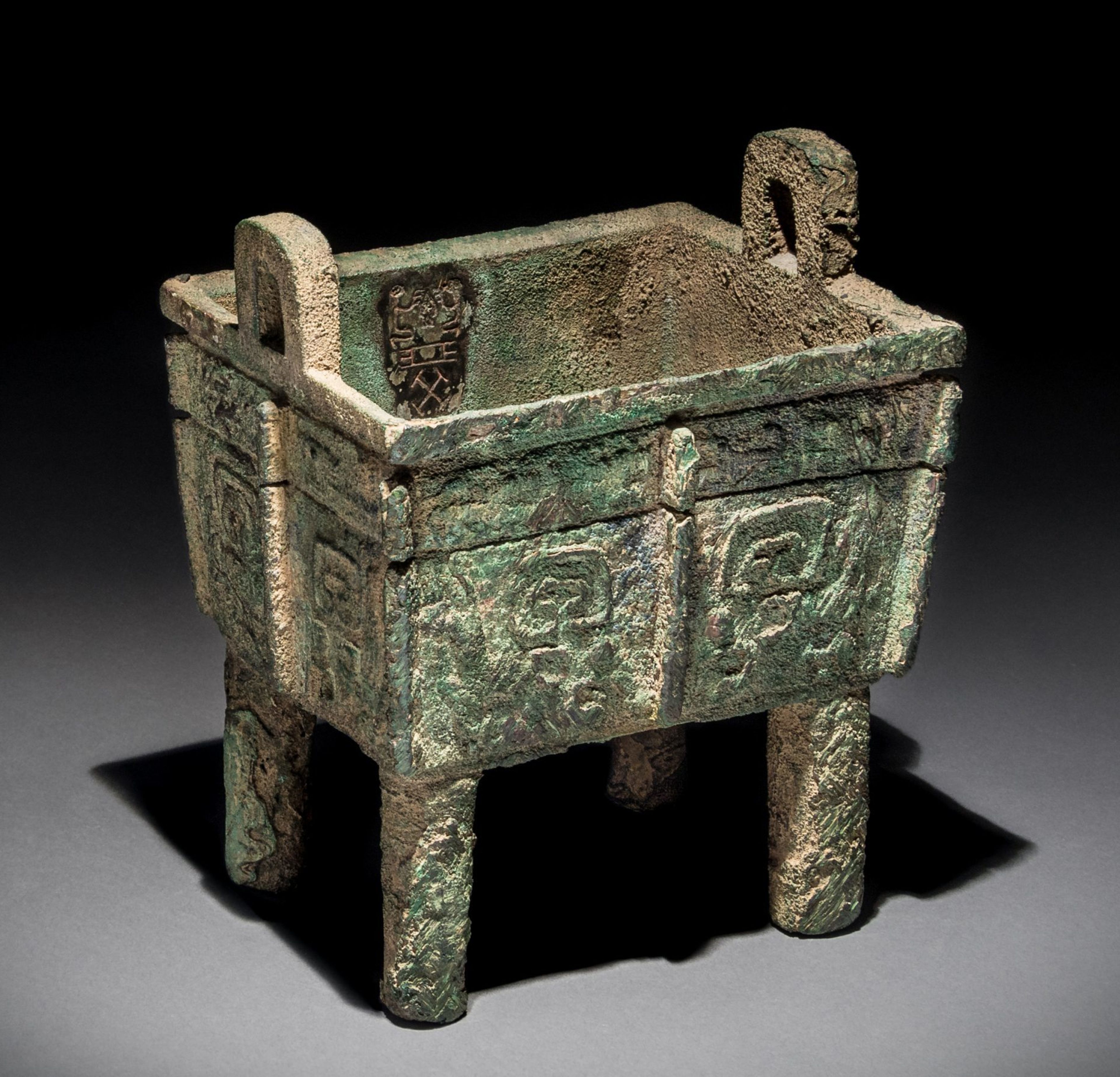
Our auction of Asian Works of Art returns on March 25 sale with six outstanding examples of Chinese secular and religious art history spanning two millennia. Continue reading to learn more about these ancient objects and their histories. LOT 135 | A RARE BRONZE RITUAL FOOD VESSEL, FANGDING LATE SHANG DYNASTY (12TH-11TH CENTURY B.C.) 商晚期 青铜饕餮纹方鼎 The rectangular body of this vessel rises atop four stout cylindrical legs and is surmounted by a pair of upright loop handles. Exaggerated flanges extend from its walls and demarcate taotie masks against a ground of thundering clouds. One interior wall features a cast inscription of two kneeling figures flanking a ritual vessel, all above a gui character. The vessel and its inscription are illustrated in Robert Bagley’s authoritative text on Chinese ritual bronzes, Shang Ritual Bronzes in the Arthur M. Sackler Collections, Robert W. Bagley, The Arthur M. Sackler Foundation, 1987, which will be included in this offering. 直壁槽型,雙立耳,四柱足,口唇折沿。頸飾夔紋,腹以雲雷紋填底飾大獸面紋。鼎身四隅和四面中部均起扉棱。內壁有簡式祭辭銘文“亞父癸”。器表發棕銹,間露綠銹,古意盎然。賽克勒上世紀中葉購得此鼎,收錄于白格利為其撰寫的青銅器圖錄第一輯,編號88。此書將隨鼎受予成功競拍的買家。 Provenance來源: Fine Chinese Ceramics and Works of Art, Including Property from the Arthur M. Sackler Collections, Christie’s New York, March 25-26, 2010, sale 2405/2297, lot 1003 紐約佳士得中國工藝精品專場,2010.3.25-26,1003號拍品 Literature著錄: R.W. Bagley, Shang Ritual Bronzes in the Arthur M. Sackler Collections, The Arthur M. Sackler Foundation, 1987, pp. 472-5. no. 88 羅伯特·白格利《亞瑟·賽克勒藏青銅器》472-475頁88號 N. Barnard and Cheung Kwong-yue, Rubbings and Hand Copies of Bronze Inscriptions in Chinese, Japanese, European, American and Australasian Collections, Taipei, 1978, no. 1300 (inscriptions only) 巴納、張光裕主編《中日歐美澳紐所見所拓所摹金文彙編》1300號 LOT 136 | AN ARCHAIC COVERED WINE VESSEL, HE EASTERN ZHOU DYNASTY, WARRING STATE PERIOD (475-221 B.C.) 东周 战国 青銅弦紋盉 The compressed globular body of this vessel is nestled between a trio of squat cabriole legs, surmounted by a short neck and wide mouth, and decorated by a raised ring encircling its otherwise smooth surface. A molded mythical beast emerges open-mouthed from the body to form a side spout. The handle, terminating in two tiger masks grasping at the vessel, is further joined to the fitted cover by a chain of loose rings. 短颈广肩,有盖有流,肩上有梁,梁的两端雕有銜環的獸首,盖的中间附有銅環三枚,作鏈扣与提梁相连。盉腹渾厚而橫扁,当中凸起一道弦纹,下作三蹄足;上出鳥形流,竖耳圆口,双翼出廓,紋飾一絲不苟,與梁上鬚眉凸目的獸首相扣。盉身青綠,佈滿翡翠色的鏽斑,無銹處則露出濃郁的古銅色,交錯如大千潑彩墨。提梁久經摩挲,包漿瑩潤,棱線隱起,沉秀如砂器。 Provenance來源: Acquired from J.J. Lally & Co. Oriental Art, July 17, 2008 紐約藍理捷,2008.7.17 LOT 137 | AN ARCHAIC BRONZE RITUAL WINE VESSEL, TILIANGHU EASTERN HAN DYNASTY (25-220) 东汉 青铜活环提梁壶 Alternating bands incised lozenges, feathers, lappets, and leaves skate the surface of this vessel’s pear-shaped body; with one side decorated with deer running across the mouth rim. The vessel covered by a fitted lid, equally decorated. A dense chain link runs the sides and connects to a dense arching handle. 侈口長頸,鼓腹溜肩,圈足外撇。肩部設輔首銜環一對,口沿出環一對,兩組環鈕間套有“8”字活鏈,配合最上方雙龍銜環式弧形提梁,使壺蓋與器身連成一體。一側蓋沿刻有回首奔跑的小鹿,子母口上下對準,小鹿身首合併,壺與蓋方能嚴絲合縫。通體布滿紋飾,略經整飭,除鏽施蠟,輕敷色料,華麗周致。 Provenance 来源: Acquired from J.J. Lally & Co. Oriental Art, July 17th, 2008 紐約藍理捷,2008.7.17 Fine Chinese Ceramics and Works of Art, Sotheby’s New York, September 18, 2007, sale N08342 lot 179 紐約蘇富比中國工藝精品專場,2007.9.18,179號拍品 Acquired by the previous owner in the early 1990s 前藏家購自90年代初期 On the Japanese art market in the early 1980s 80年代出現於日本藝術市場 Exhibited 展覽: Hong Kong Museum of Art, 2001 – 2006 香港藝術館2001-2006 Min Chiu Society exhibition, 1999 – 2000 敏求精舍1999-2000 LOT 138 | A LARGE AND RARE BRONZE TRIPOD TUREEN AND LADLE TANG DYNASTY (618-907) 唐 青銅三足鍑配勺 Three curving cabriole legs elevate the spherical body of this tureen: and the vessel’s roundness is further emphasized by incised concentric rings encircling its domed shoulders. The handle of the ladle bears a mark of three interlocking rings and is terminated by a lotus bud finial. Both fit inside a bespoke Japanese wood box. 斂口短頸,通體光素,肩部鏨有幾道弦紋,底部探出踡曲有致的三足,將渾圓的胎體輕輕托起。舀水的長匙鍛打出挺勁的弧度,匙面出尖如同蓮瓣,长柄在末端陡折,雕成垂蓮苞式樣。匙柄一端鏨有小小的品字形三圈纹样,當為區別用途的記號。 Provenance 來源: Acquired from J.J. Lally & Co. Oriental Art, September 25, 2009 紐約藍理捷,2009.9.25 The Idemitsu Collection, Tokyo, Japan 東京出光美術館舊藏 LOT 143 | A PARCEL-GILT SILVER BOWL TANG DYNASTY (618-906) 唐 銀鎏金髹漆鏨花鳥高足碗 The rounded sides of this silver bowl feature a relief of mandarin ducks and geese in flight amongst grasses and floral sprays, which has been hammered from the interior with repoussé technique. The body is lightly covered in a slight layer of black lacquer and adorned with gilt highlights, and rests in a fitted wooden box. 銀質鎏金,撇口弧腹,高圈足,內髹漆。器表以極細密的魚子紋為地,鏨有鴛鴦、鴻雁與卷草,口沿與足底以蓮瓣收邊。 LOT 620 | A CARVED LIMESTONE TORSO OF BUDDHA NORTHERN QI DYNASTY (550-577) 北齊 石灰佛軀立像” This torso of a Buddha is depicted standing, with a finely carved garment draped closely over the contours of its body. 石灰石質地,白淨無瑕,堅硬細密。身形挺拔,後背平順。頸上與肘下佚失,原應施與願印與無畏印。薄衣貼體,紋飾流暢有型,風格洗練清麗。 Property from the Collection of Jane Davis Doggett, Hobe Sound, Florida 佛羅里達州Hobe Sound市Jane Davis Doggett女士收藏 Provenance 來源: Acquired from The Chinese Art Gallery, New York, New York, February 20, 2007 2007年2 月20日購自紐約The Chinese Art Gallery藝廊 Our Asian Works of Art sale is March 25. Browse the digital catalogue, view lots online and register to bid now.
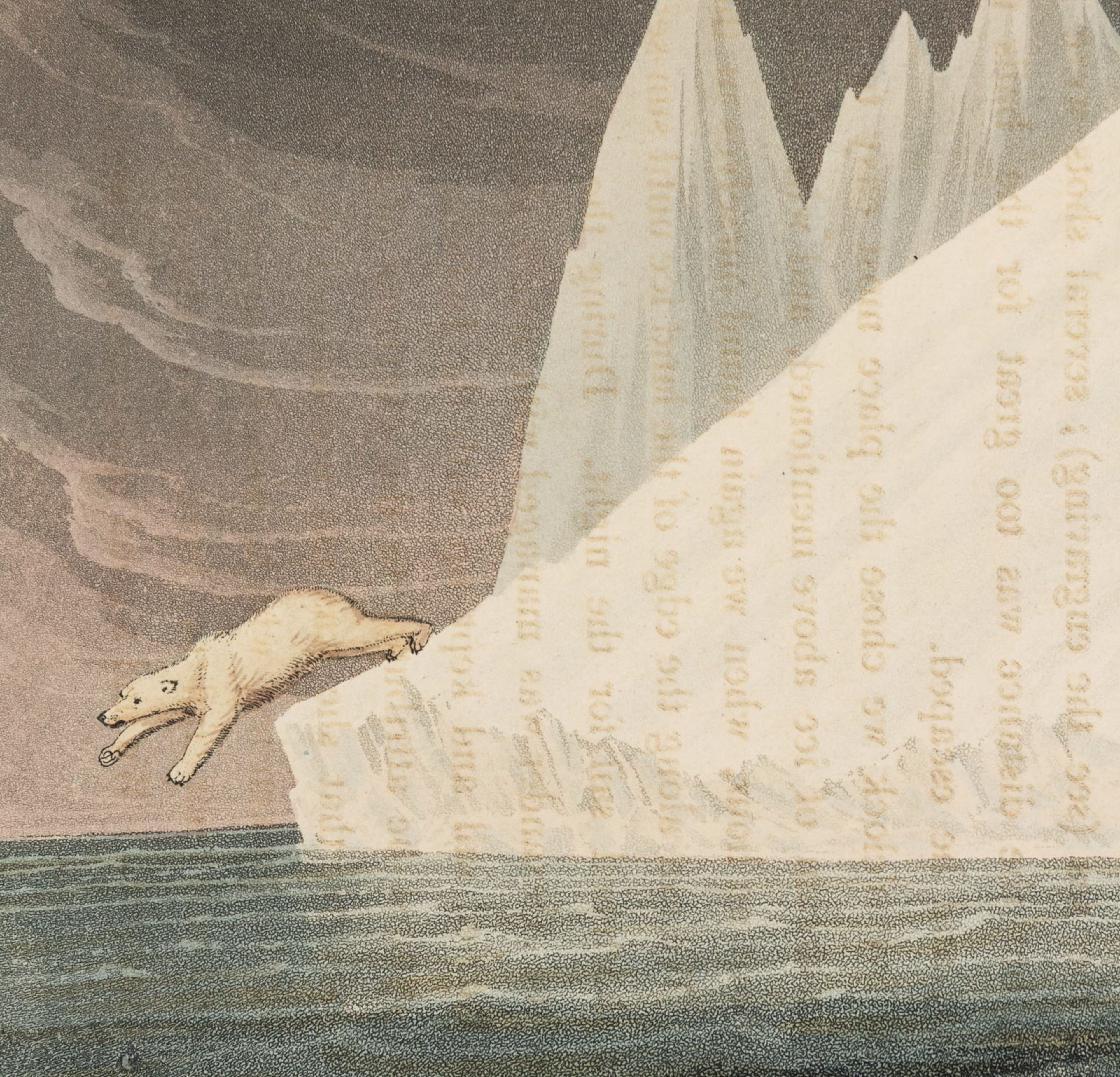
Better known for his adventurous pursuits in aeronautics, mountaineering, racing and boating, Steve Fossett was also a careful collector who built an exceptional library to reflect his personal interests. This second auction of his collection provides a final opportunity to own a piece from this epic adventurers’ personal library. Director and Senior Specialist of our Fine Books and Manuscripts department, Gretchen Hause, recounts Fossett’s life and selects notable items from the upcoming sale that represent his areas of interest. Steve Fossett held dozens of world records in numerous categories of speed and distance, and became known worldwide for his adventures in balloons, sailboats, and aircraft; he was also a fellow of the Royal Geographical Society and a member of the Explorers Club. He carefully compiled a library which was a reflection of his own pursuits. Each book had to fulfill one criteria: “Man’s willful determination to go beyond his borders and confines, and conventions, for science, adventure, gain, celebrity, or even out of sheer contrariness, by land, sea or air.” Fossett is perhaps best known for his aeronautical feats and accomplishments. In 2002, he became the first person to circle the globe, uninterrupted, in a balloon, a voyage which took 13 days, 8 hours, 33 minutes and which covered 20,626.48 statute miles. In February 2006, sponsored by the Virgin Group, Fossett completed the “ultimate flight,” piloting the Virgin GlobalFlyer for the longest uninterrupted and unrefueled aircraft flight in history, covering 25,766 miles. His library includes some of the most important books describing the history of aeronautics and aviation. Faujas de Saint-Fond’s work describing the first aerial voyage, completed by Montgolfier in June of 1783, is the first contemporary chronical of the voyage, and the first serious treatise on aerostation as a practical possibility (Lot 6). The library also includes a treatise by Dr. John Jeffries, considered the first American to fly (Lot 10). Steve Fossett broke records of speed and distance as a sailor and was one of the sport’s most prolific distance record holders; he was recognized by the World Sailing Speed Record Council as the “world’s most accomplished speed sailor.” Between 1993 and 2004, he set 23 official world records and 9 distance race records. In early 2004, Fossett and his crew of 13 set the around the world sailing record of 58 days, 9 hours. He collected works in the fields of circumnavigation and yachting, including 18th– and early 19th-century accounts of voyages around Australasia, the Pacific Northwest, and the Arctic. His library also includes landmark works about voyages by sea devoted to the discovery of the Northwest Passage and the North Pole. Sir John Ross described his first attempt to discover the North West Passage in A Voyage of Discovery… published in 1819. (Lot 121) Nearly 50 years before Ross’s first voyage, Baron Mulgrave Constantine John Phipps undertook an important attempt at the North Pole, and his account of the attempt remains an important addition to early nautical science in the polar regions (lot 110). In an interview with CNN in 2006, Fossett remarked: “When I was 12 years old I climbed my first mountain, and I just kept going, taking on more diverse and grander projects.” He was a lifelong mountain climber who summitted the highest peaks on 6 of 7 continents. He befriended climber Patrick Morrow, who was attempting the “Seven Summits” world record; Fossett accompanied him on the last three peaks, including Vinson Massif in Antarctica, Carstensz Pyramid in Oceania, and Elbrus in Europe. His library reflects his lifelong passion for mountain climbing and includes many first-hand accounts by Sir William Martin Conway (lots 211-212), Douglas Freshfield (lots 214-215), Edward Whymper (lots 228-231), and Fanny and William Workman (lots 233-237). Notably, his library includes Hans Horst Meyer’s account of his summit of Kilimanjaro in both English and German (lots 220 and 221), as well as the rare first edition of Peter Rye’s first published account of an ascent of the Peak of Teneriffe, in the Canary Islands, undertaken in 1791 (lot 222). His time spent in Antarctica summiting Vinson Massif multiple times clearly left an indelible mark on Fossett, and his collection includes narratives by many of the significant Antarctic explorers of the 19th– and 20th-century, including Amundsen, Cook, Joyce, Murray, Ross, and Shackleton. In addition to flying, sailing, and climbing the highest mountains, Fossett participated in races across many disciplines, including the Iditarod. After a failed first attempt, Fossett trained for five years, and in 1992 finished the race in 47th place. In his autobiography, Chasing the Wind (lot 292), Fossett recalls: “In addition to the euphoric feeling of finishing, I was really proud of my dog team…I had achieved my objective of finishing the race…[it] was my last Iditarod.” Likely with this accomplishment in mind, Fossett collected books about Alaska. Highlights include works by Hudson Stuck (lot 282), a narrative of the Harriman Alaska Expedition (lot 277), and works about Alaska (lot 283) and Denali (lot 286). Fossett’s library comprises the accounts of other truly intrepid explorers who proceeded him. His own pursuits were reflected on the shelves of his library in his home in Carmel. The accounts written by and about the men (and, occasionally, women) who were route-finders and daring explorers fascinated him, and he built a library truly befitting a modern-day adventurer. The Adventure & Exploration Library of Steve Fossett, Part II auction will be conducted March 15. Browse the digital catalogue, view lots online and register to bid now.
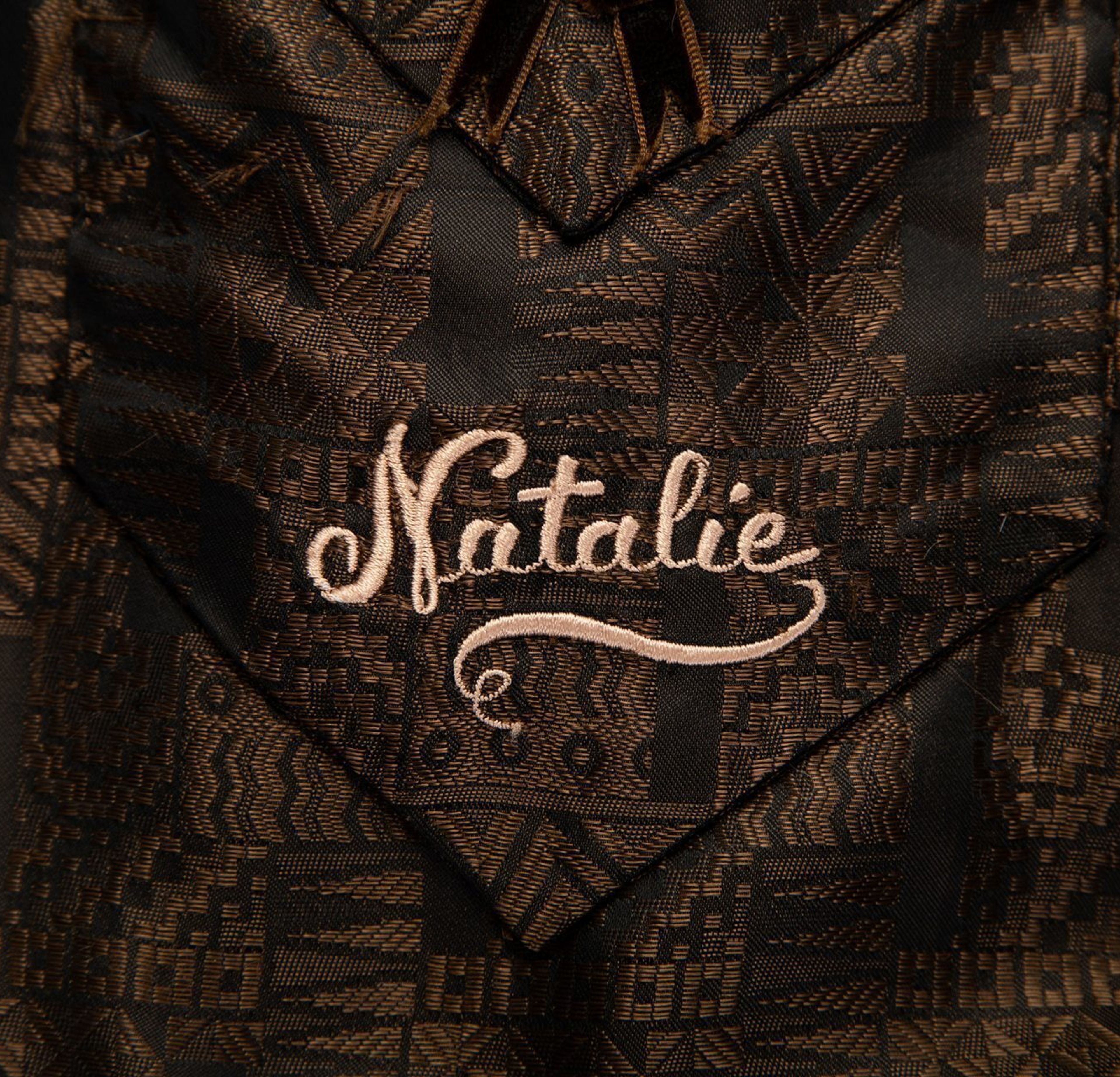
Both Natalie Cole and Audrey Morris made a mark on the American jazz scene with female vocals that riveted audiences. Natalie Cole, daughter of legendary jazz musician Nat King Cole, broke into the Jazz scene in the 1970s. As an iconic musician in her own right, she lived a colorful and effervescent life. Cole grew up surrounded by music and was introduced to her music icons through her father. Her first big splash in the music industry was in the 70s with her hit song “This will be (An Everlasting Love)”. In 1991, Cole released the career-defining album for which she is best known, Unforgettable… with Love. The album paid tribute to her father, featuring many beautiful renditions of standards previously recorded by Nat King Cole. Cole eventually accumulated nine Grammy’s and over 21 nominations, making her one of the most celebrated female artists of all time. Her collection of personally monogrammed furs will be sold at auction this December. The items offered here are part of the collection inherited by Robert Adam Yancy, her son with then-husband and music producer Marvin Yancy, who tragically passed away two years after his mother. Included are eleven furs, which carry with them a lavish lifestyle, suitable for an icon immersed in jazz, soul and R&B influences. Audrey Morris came onto the scene in the 1950s while working in Chicago as a jazz and cabaret singer. She established herself at Chicago clubs such as London House and Mister Kelly where she chose to dazzle live audiences as her authentic self after rejecting a contract from Warner Bros. But Audrey Morris would go on to record 7 albums and even open her own studio, Fancy Flaire Records. The Chicago icon was photographed wearing the intricate piece below, which speaks to an entertainer whose timelessness and authenticity shone through all aspects of their being. Preview information: Saturday, December 1, 2018, 10:00 am – 3:00 pm Sunday, December 2, 2018, 12:00 pm – 4:00 pm Monday, December 3, 2018, 10:00 am – 5:00 pm Tuesday, December 4, 2018, 10:00 am – 5:00 pm
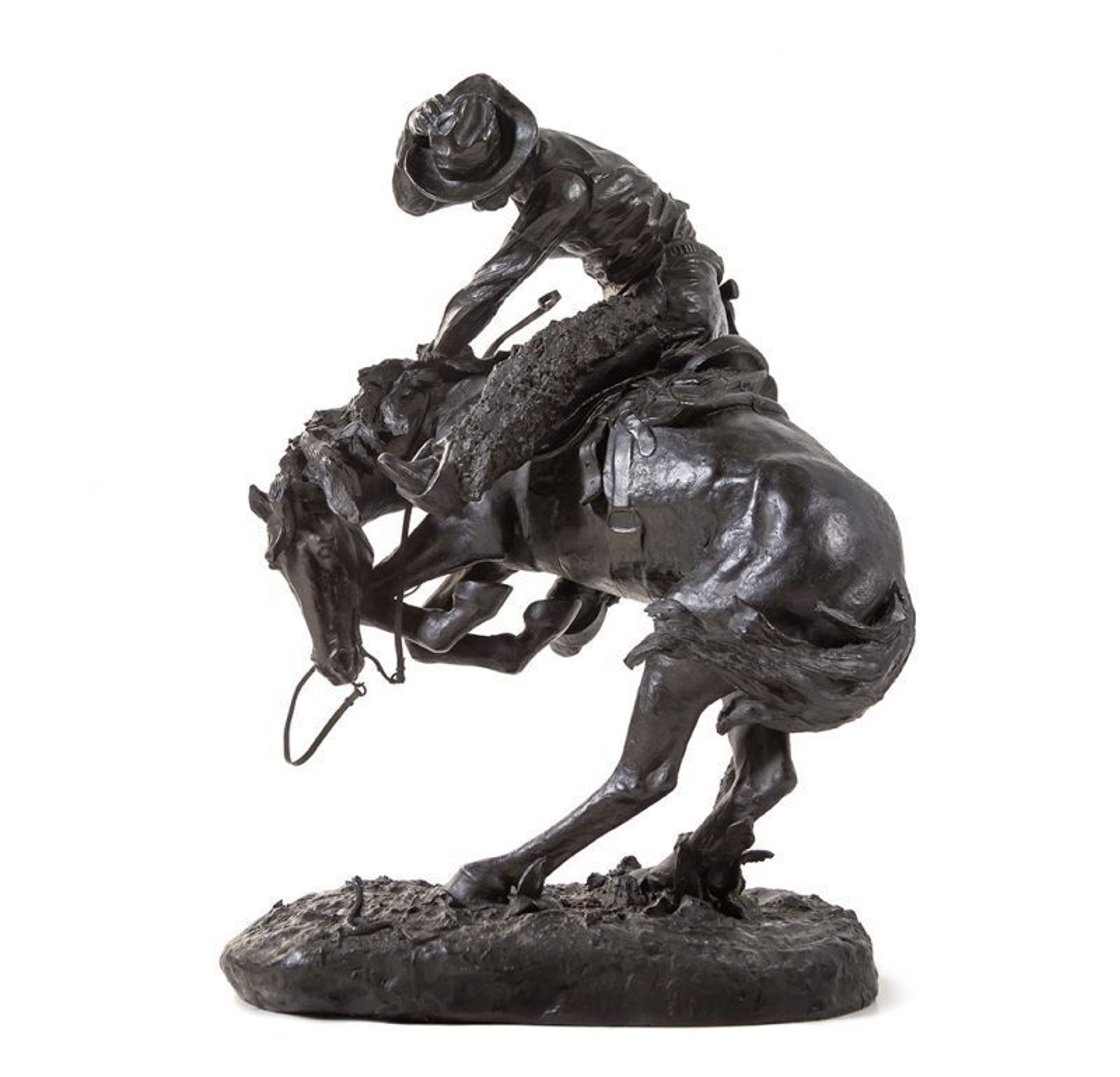
The November 9–10 Arts of the American West auction will feature The Rattlesnake, a bronze sculpture by Frederic Remington. In 1905, ten years after creating his extraordinary first sculpture, The Bronco Buster, Frederic Remington returned to the subject of the single mounted cowboy in motion on the rearing horse. When Remington created The Rattlesnake it in some ways echoed his first sculpture, but in other ways The Rattlesnake incorporates all that Remington had learned about making sculpture over the previous decade. In The Bronco Buster, the cowboy and his horse move from left to right, while in The Rattlesnake Remington reversed the format. The snake that has spooked the horse and put the cowboy at risk rises on the foreground of the base. The horse’s eyes are riveted to his diminutive antagonist and the horse has drawn back his forelegs under him as he rears back, away from the danger. The horse’s tail whips around his hind quarters, and the cowboy, who wears woolly chaps to protect himself from the cold and wind, looks down at the danger on the ground before him and firmly grasps his hat. The Rattlesnake is quintessential Remington. It depicts a moment of acute motion and intense drama, frozen in bronze. Remington had a restless imagination. He grew displeased with the awkwardly cantilevered pose in his initial version ofThe Rattlesnake, where the horse seemed about to fall backwards, and he created a new larger version around 1908. This second version of The Rattlesnake has become, after The Bronco Buster, Remington’s most popular sculpture, showing Remington in full command of his sculptural powers. In 1918 when this specific bronze was cast, Roman Bronze Works, Remington’s favorite foundry, was incorporated for the first time. The foundry marking [Roman Bronze Works Inc. N-Y-] on this specific cast of The Rattlesnake echoes that important and particular moment in time. – Michael E. Shapiro Senior Advisor, Museums and Special Collections Hindman
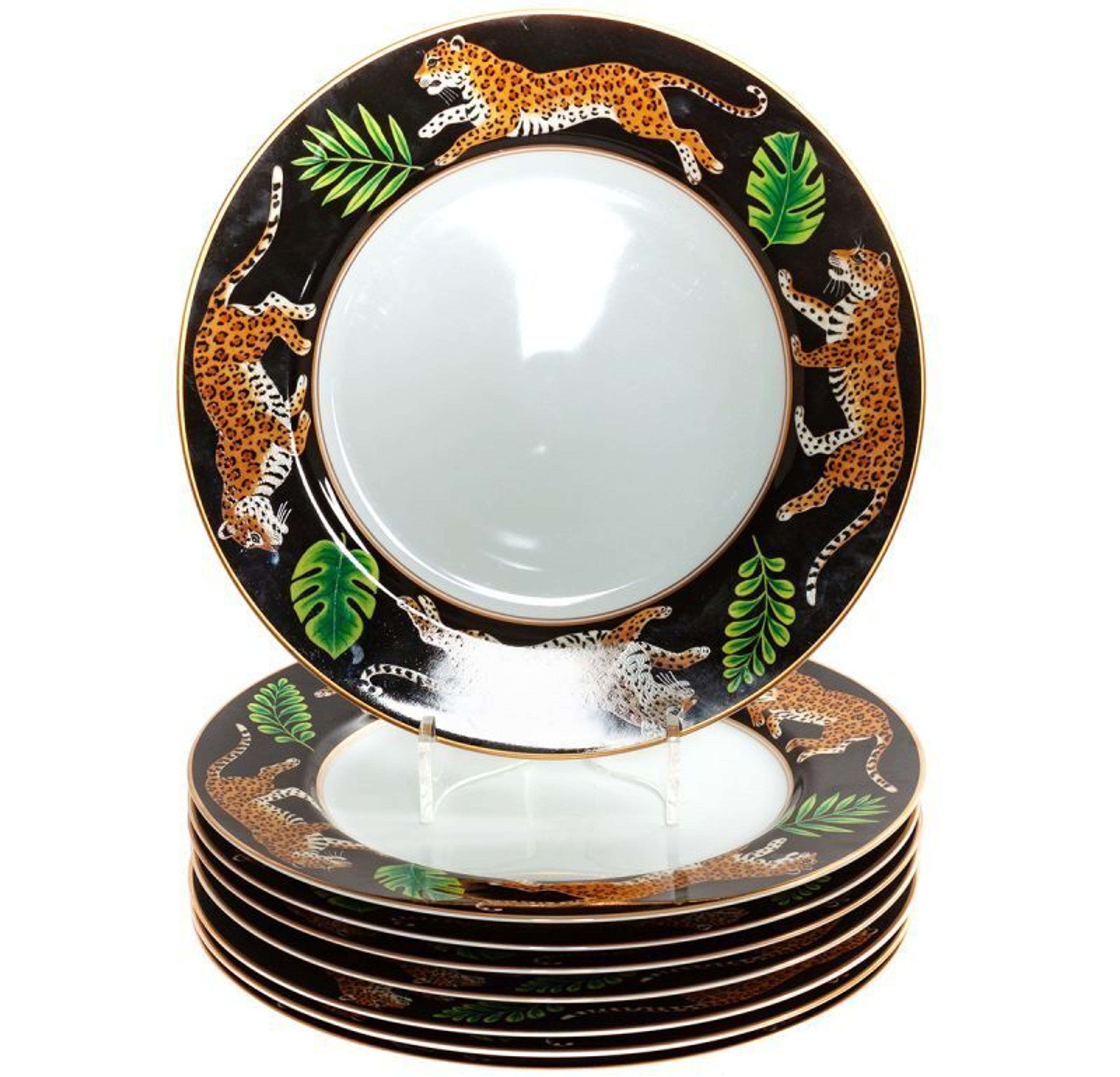
Our October 12 St. Louis Fall Auction features more than 100 lots of Lynn Chase porcelain in over 40 different patterns. Lynn Chase Designs was founded in 1988 and has been a steadfast source for whimsical, contemporary tableware ever since. In addition to designing for her home décor brand, Chase is also a conservationist and wildlife painter. Her love of animals is apparent, with creatures such as monkeys, jaguars and birds appearing often in her work. Available at auction is a variety of porcelain, suitable for numerous occasions. Liven a morning coffee with a Monkey Garden mug (lot 464), deck your holiday dinnerware with Winter Game Birds (lots 480-482) or host a dinner party in Palm Beach with Parrots of Paradise (lots 468-470) – Lynn Chase has a style to suit your most playful occasions. The St. Louis Fall Auction will offer 14 lots of Chase’s first and most popular pattern, Jaguar Jungle, including dinner services, vases, placemats and serving dishes (lots 432-445). Lynn Chase patterns are designed to be mixed and matched, seamlessly blending with both antique and contemporary china. Pieces like the Golden Cheetah porcelain chargers (lot 421) pair effortlessly with older Limoge and Minton porcelain for a timeless combination. Visit the St. Louis Fall Auction page to view the entire catalogue and register to bid for the sale on October 12.
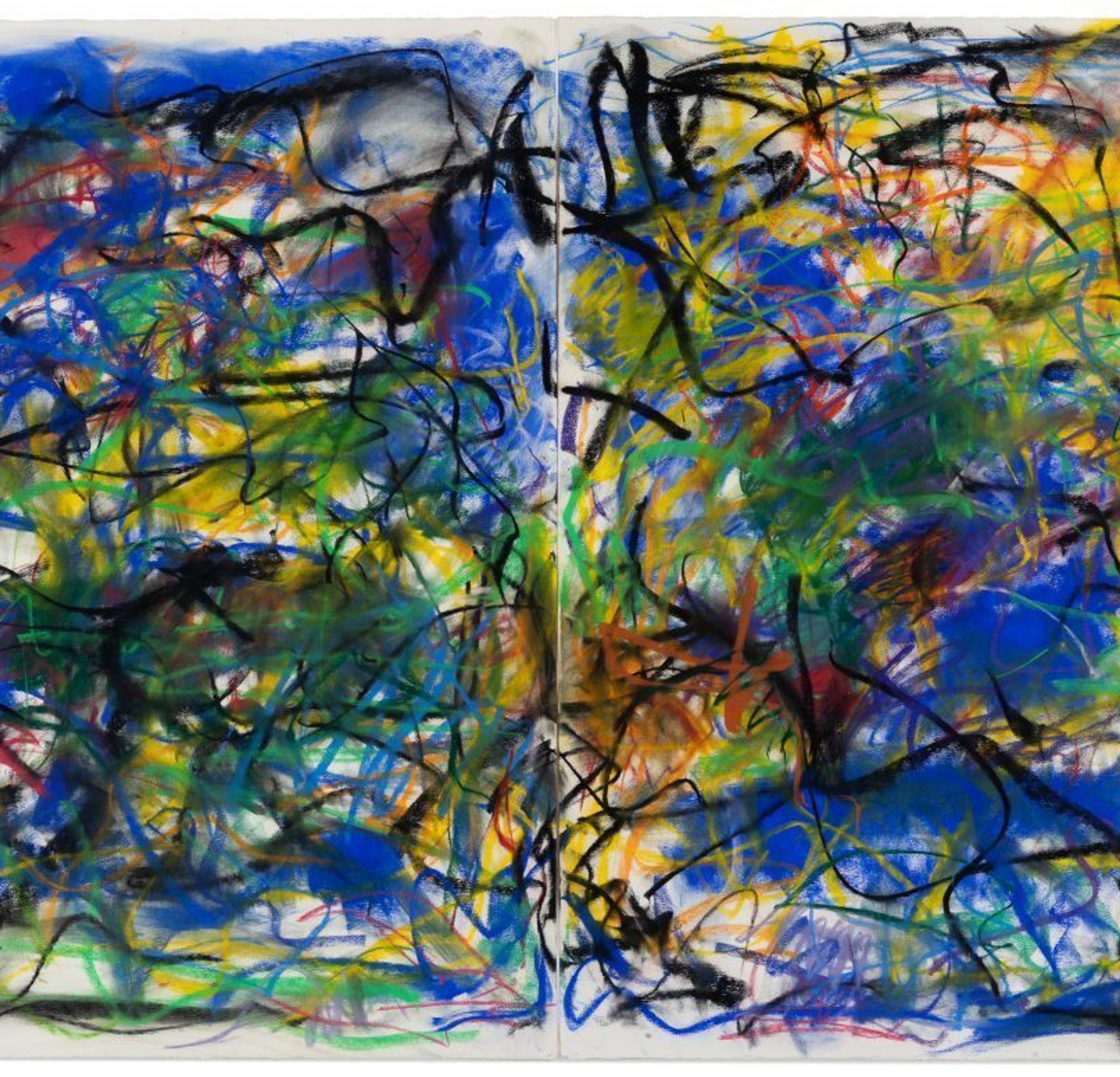
By all accounts, Joan Mitchell was as tough as they come. Aggressive. Defiant. Unapologetic. Contemporaries remember her voice as being like a worn cello. Her vocabulary rivaled a sailor’s. She was unique company. She brooked no opposition. She also was a great artist. Born in Chicago in 1925 and educated at Smith College and the School of the Art Institute of Chicago, Mitchell moved to New York in 1949 and became a central figure in the emerging Abstract Expressionist movement, exhibiting with Jackson Pollock and Willem de Kooning in the now famous Ninth Street Show in 1951. In 1959, she emigrated to France living first in Paris and then in Vétheuil, 65 kilometers northwest of the capital where Claude Monet had worked between 1878 and 1881. Monet haunted Mitchell throughout her life despite her fervent denials to the contrary. (Fact. Reproductions of his work lined her house late in life.) Like Monet’s best late work, the drawing is both dense and airy, assertive and lyrical. Each color competes with the next—the green against the yellow, the two of them against the blue, the black against all three with the crimson and orange clamoring for their own place in this finely orchestrated melee. It’s not just color that activates this dynamic diptych. Line wrestles with form, form with space, space with the flatness of the surface on which Mitchell pits masterful draftsmanship against youthful daring. Monet would have been proud to have called her a protégé. – Paul Tucker, Professor Emeritus, University of Massachusetts Boston This work by Joan Mitchell will be offered in our October 2 Post War and Contemporary Art auction at Hindman.
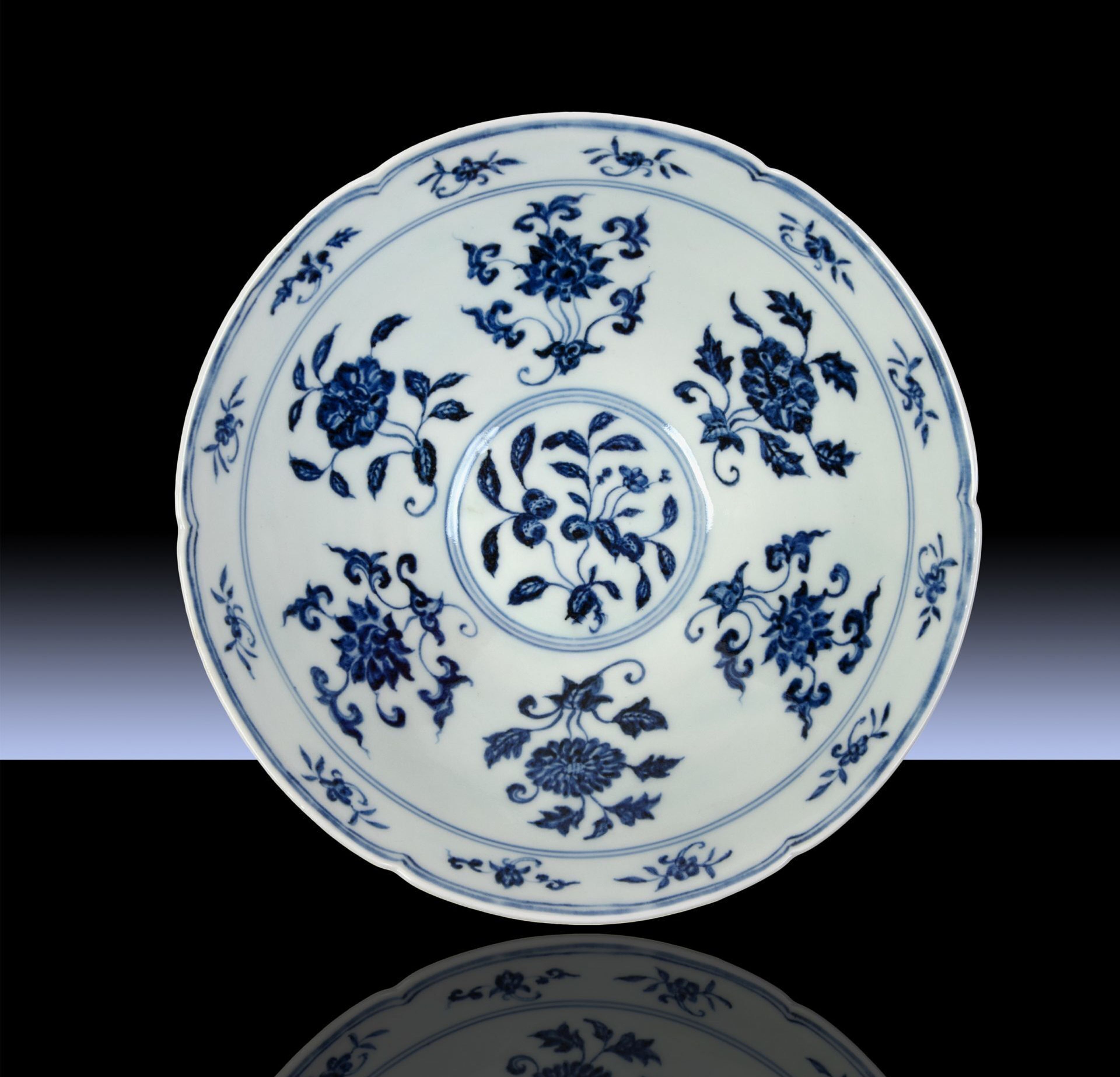
To be offered in our September 17 Asian Works of Art auction is an early Ming bowl that once belonged to Stanley Field (1875-1964), the renowned Chicago philanthropist, banker, civic leader and businessman. The Field family is responsible for developing the Field Museum of Natural History and its collection. Because of the Museum’s connection to curator Berthold Laufer, it can be suggested that the early Ming bowl was sourced by Laufer during the early 19th century on trips that delivered thousands of Chinese items to American clients. Marshall Field (1836-1906), the founder of Marshall Field and Company, the largest wholesale and retail operation in the world during the latter half of the 19th century, was Stanley Field’s uncle. Stanley Field’s father Joseph (Marshall’s brother) was based in England and in charge of sourcing European merchandise for the family business. With a similar appetite for global endeavors, Field approved of numerous international expeditions, where the museum’s renowned anthropologists would travel to remote locations on every continent to gather archaeological and cultural relics. The anthropologist in charge of the China expeditions was the famed German geographer and sinologist Berthold Laufer (1874-1934). The incoming Chinese items ranged from the Neolithic Period to the Late Qing Dynasty and included a vast grouping of jades, ceramics, porcelains, rhinoceros horn cups, snuff bottles, rubbings and puppets. In addition to his work as the museum’s curator, Laufer made many influential contacts in the Chinese art field. His colleagues and friends were some of the most celebrated curators, collectors and dealers during that time, with prominent names such as A.W. Bahr, C. T. Loo, George Eurmorfopolous, Shigejiro Yamanaka, Langdon Warner, and Kate Sturges Buckingham. Laufer’s situation at the Field Museum also allowed him to serve on other institutional boards and to moonlight as an art agent. During his final trip to China in 1923, Laufer was considered a major player in the Chinese art market. He wrote in his letters about his unfettered access to vast amounts of Chinese imperial objects – many of which were discretely sold directly to American clients. At the same time, Stanley Field began building up his own private collection of Chinese art, and it is quite possible that the present early Ming bowl was sourced by Laufer during this period. Fluent in numerous East Asian languages including Chinese, Japanese, Tibetan and Mongolian, Laufer was the curator of Anthropology at the Field museum from 1908 until his sudden death in 1934. He led the museum’s Blackstone Exhibition in 1908 and the Captain Marshall Field Expedition in 1923. In total, these trips brought back over 19,000 Chinese objects for the museum.
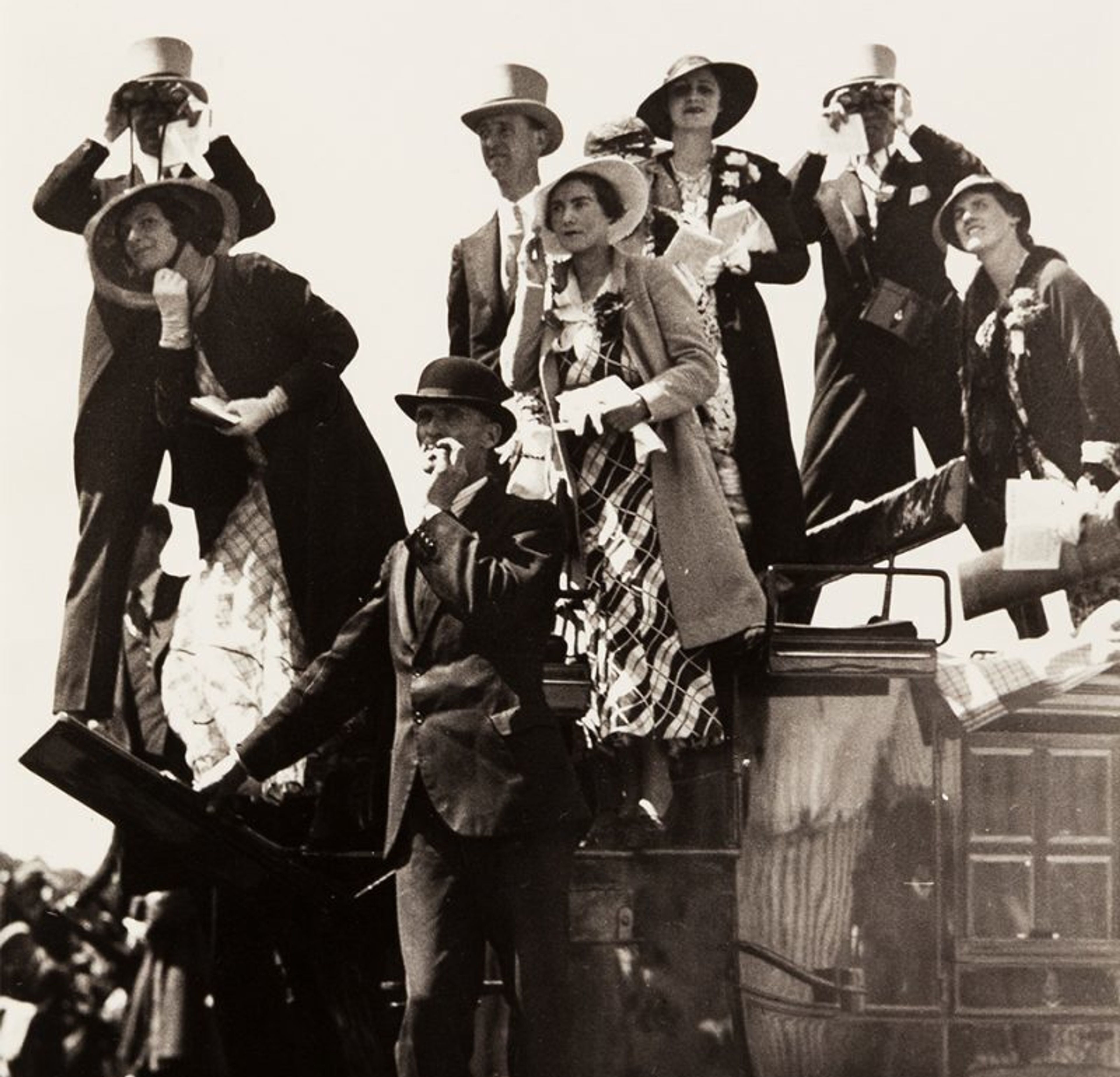
The May 23 Post War and Contemporary Art auction at Leslie Hindman Auctioneers includes a session of photography in addition to fine art and sculpture. Bill Brandt, Olafur Eliasson, Saul Leiter and Robert Frank are some of the photographers represented in the sale. Lot 144: While Olafur Eliasson is best known for his large-scale installation using natural elements, he also creates sculpture, works on paper, film and photography. Our upcoming Post War and Contemporary Art auction includes two Eliasson photographs, Ohne Title (Island Serie #49) and Ohne Title (Island Serie #47). They show Eliasson’s interest in and passion for the environment. Both photographs carry a presale estimate of $6,000 to 8,000. Lot 148: Although originally from Pittsburgh, Saul Leiter gained a reputation capturing the streets of New York City in the 50s and 60s. As demonstrated in this c-print from 1960, Snow, Leiter’s photographs often contained abstract elements. These elements are not only stylistic but also a result of the cheap materials he used, which often caused traces of a chemical nature. Snow has a presale estimate of $6,000 to 8,000. Lot 151: This Bill Brandt photograph entitled Coach Party, Royal Hunt Day, Ascot, 1933, displays Brandt’s interest in social class. The photograph was the cover of The English at Home, 1936, his first publication of photographs. In stark contrast to the high-class frivolity on the cover, the back presented a poor huddled family. Coach Party, Royal Hunt Day, Ascot carries a presale estimate of $8,000 to 12,000.[/vc_column_text][vc_separator][/vc_column][ Lot 159: Thomas Kellner’s work deconstructs architecture in a method the artist termed ” visual analytical synthesis.” New York, Times Square at Night in the upcoming Post War and Contemporary Art auction is an example. This color coupler print carries a presale estimate of $5,000 to 7,000.
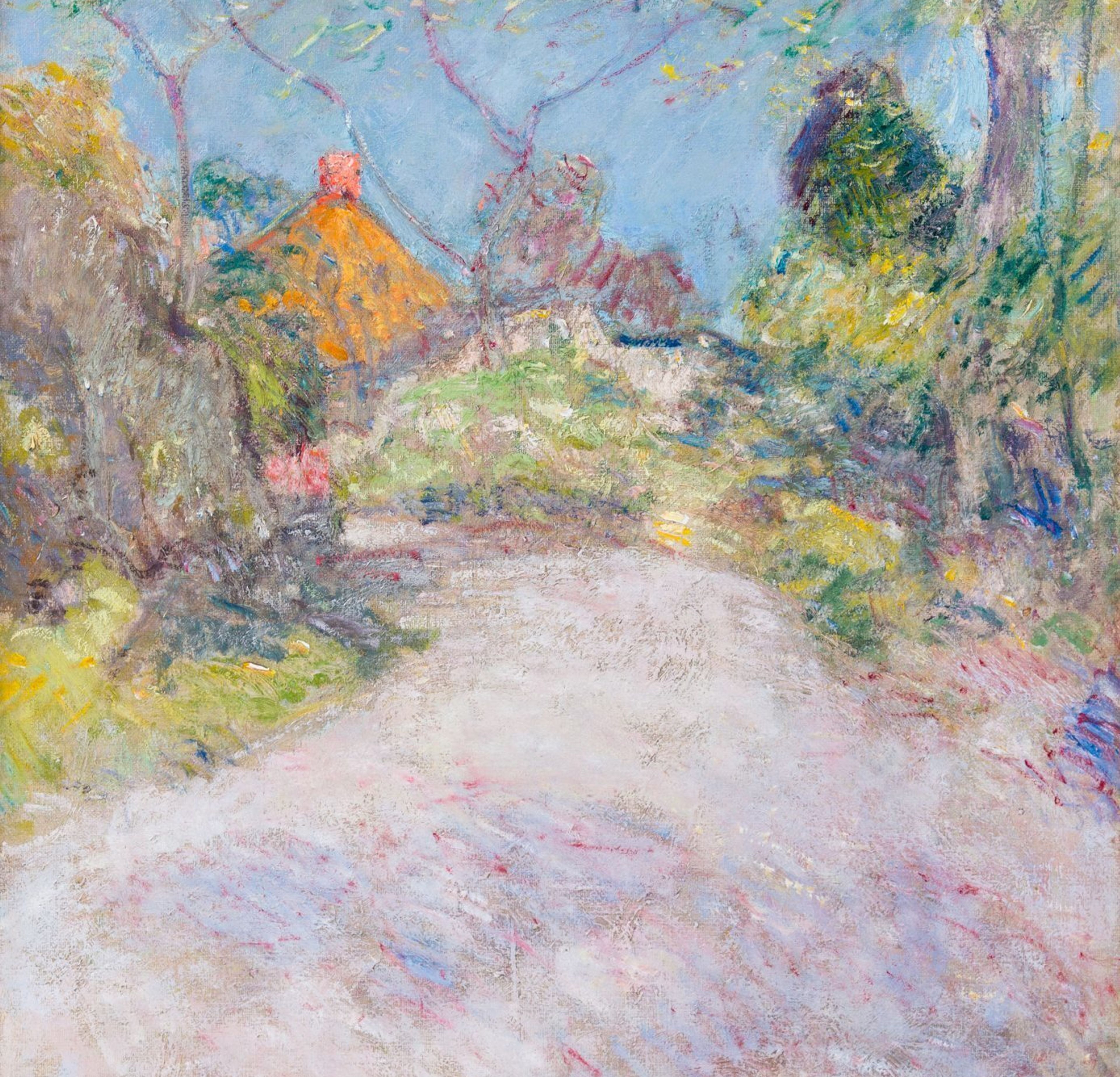
The May 24 American and European Art auction at Leslie Hindman Auctioneers includes highlights from James Ensor and John Henry Twachtman. James Ensor, Chinoiseries – Chinese Vases and fans, c. 1908-10 This oil painting is an authentic Ensor, created from the same subject as an earlier painting (Chinoiseries, 1880, Catalogue Raisonné nr. 153 – belonging to the Franck Collection). After 1900, the artist was getting more and more famous, even outside of Belgium. Many of his early works had already found a new owner. For that reason, and maybe because some collectors were asking for replicate versions, the artist made a series of secondary oil paintings modeled off of his early paintings, mainly between 1908 and 1910. Chinoiseries – Chinese Vase and Fans, belongs to this series and is a second version of a painting realized in 1880. In some cases, and probably to make small distinguishing variations, the artist changed the size of this version. Where in the initial composition the top of the vase and the fan were cut off, he added those elements with some background and minor detail changes to this version. This work is accompanied by a letter of authenticity from Mrs. Sabine Taevernier, President and Secretary of the Ensor Advisory Committee, along with Permanent Advising Members Mr. Herwig Todts, Mr. Michel Draguet and Mr. Xavier Tricot. Literature: Xavier Tricot, James Ensor, sa vie son oeuvre. Catalogue raisonné des peintures, Brussels, 2009, catalogue no. 153 John Henry Twachtman, The Back Road, c. 1890-99 Lisa N. Peters, Ph.D., writes: John Henry Twachtman (1853–1902) created The Back Road during his Impressionist phase, a time when he was living in Greenwich, Connecticut (1889–99) and deriving inspiration from his immediate surroundings. Conveying the Arcadian spirit of his art in these years, the painting features a landscape harmoniously balanced between the human and the natural. It demonstrates the avid interest in Japanese woodblock prints that Twachtman shared with his close friends J. Alden Weir and Theodore Robinson. Eliminating the foreground and employing a high horizon line, Twachtman emphasized the totality of the design over a recession into space. He cropped the leaves of trees in both the foreground and background to form a protective canopy over the scene. In the left distance, the red-orange gable and chimney of a farmhouse come forward counterbalancing the movement of the road toward the distance. The work’s location could be the countryside of Branchville, Connecticut, where Twachtman often visited Weir, and depicted similar views in pastel and oil of curving roads and small farmhouses. In his Greenwich period, Twachtman developed a distinctive method of paint application, rendering surfaces with densely woven color applied with rhythmic brush movements. Here he used a more typical Impressionist method of short dabs and broken strokes, perhaps to capture the transitory effects of the sunlit day. The painting evokes the style of Twachtman’s friend Childe Hassam, who also visited Weir and created Branchville views. The Back Road was presumably the painting of this title included in Twachtman’s solo show held in April of 1901 at the Cincinnati Art Museum. By 1915, Childe Hassam had acquired the work; he lent it to Panama-Pacific International Exposition, San Francisco (Hassam and Twachtman were among the eight American artists featured in their own galleries at the exposition.) The painting’s next owner was Candace Catherine Stimson (1869–1944), a granddaughter of the artist and design innovator Candace Wheeler (1827–1933) and the surgeon Lewis Atterbury Stimson (1844–1917); her brother was the statesman and politician Henry Stimson (1867–1950). Candace Catherine Stimson, an 1892 graduate of Wellesley College, lived in New York City and never married. She sold the painting to Milch Galleries, which handled most of the work from Twachtman’s estate from the 1920s through the 1940s. The American and European Art sale will be conducted Thursday, May 24 at 10am CT. Visit the auction page for more details, to view lots online and browse the digital catalogue.
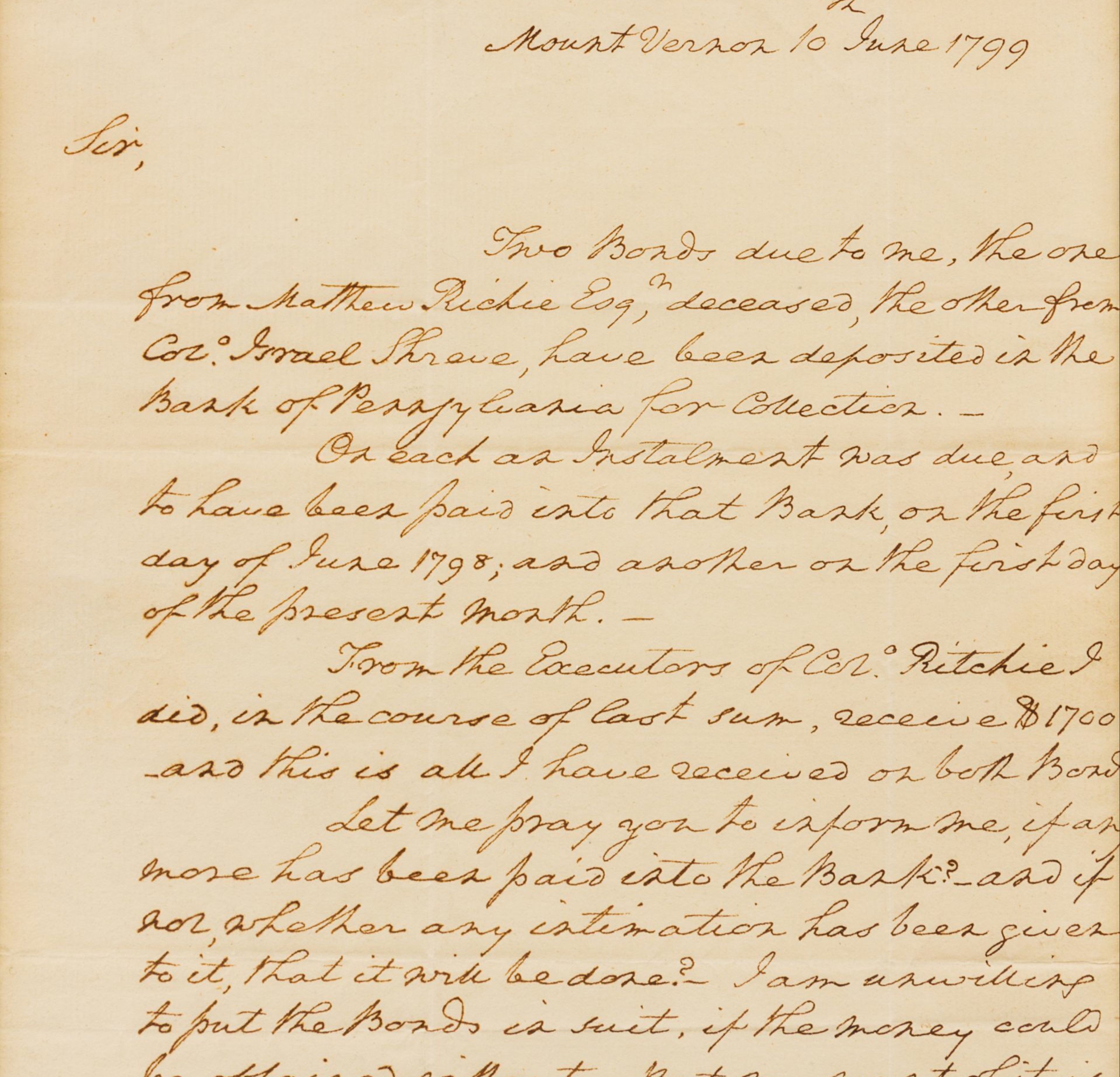
Our upcoming Fine Books and Manuscripts auction features an impressive collection of manuscripts from the private collection of Robert L. McKay, which we will be offered as a single session in our May 1st sale. This extensive collection includes signed manuscripts from Walt Whitman, Claude Monet, Peter Illich Tchaikovsky, Napoleon I, Charles Darwin, Janis Joplin, John James Audubon and George Washington, among many others. One highlight from the collection is an autograph manuscript signed by George Washington, written from his home in Mount Vernon in 1799 to Samuel M. Fox, President of the Bank of Pennsylvania. Manuscripts written by Washington from his home in Mount Vernon are rare, as he spent much of his time away in his roles as head of the Continental Army and President. He wrote the letter shortly after his retirement from political life and only a few months before he died in December 1799. Another highlight is a two-page autograph letter signed with an original hand-addressed envelope from Janis Joplin to her then-boyfriend Peter J. de Blanc. Joplin and Le Blanc met and began dating in 1965 while they both lived in San Francisco. After they both left San Francisco later that year, Joplin for Texas and de Blanc for New York, they continued their relationship and got engaged. This intense and emotional letter, written in the fall of 1965, portends the end of their tempestuous relationship. Joplin begs de Blanc to respond: “Guess I’ll go cry a little more and then mail these letters.” Their relationship ended shortly after, and in May 1966, Joplin returned to San Francisco where she joined Big Brother & The Holding Company. Continue exploring the Fine Books and Manuscripts sale by viewing all lots online and browsing the digital catalogue.
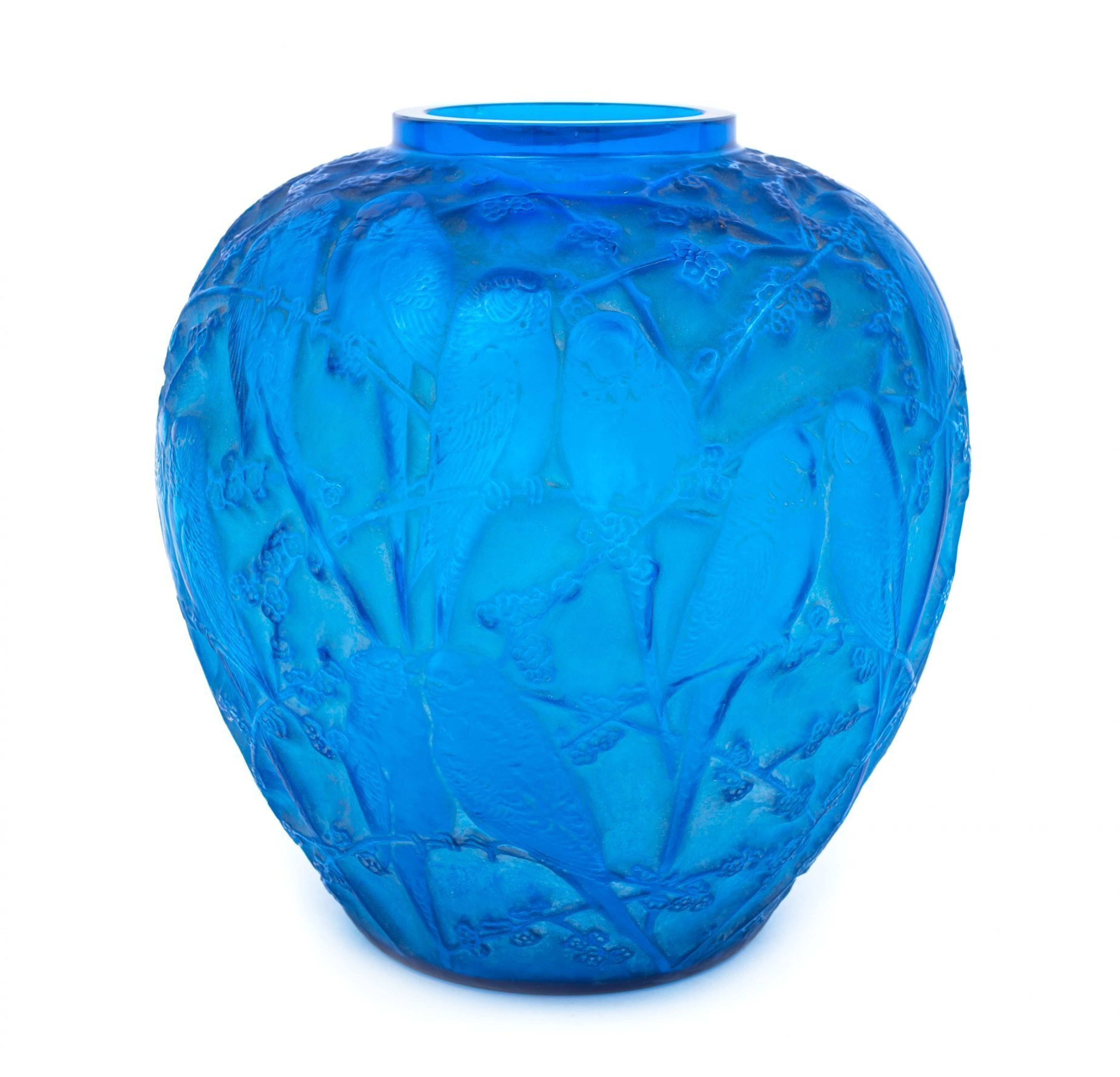
The May 7 Modern Design auction at Leslie Hindman Auctioneers includes exceptional examples of decorative art, including painted pottery by Gio Ponti and glass by René Lalique. Giovanni “Gio” Ponti (1891–1979) Born in Milan in 1891, Gio Ponti became one of Italy’s most famous modern architects, industrial designers, and furniture designers of the 20th century. Ponti began his career path by enrolling at the Faculty of Architecture at the Politecnico di Milano in 1914. Married in 1921 to Giulia Vimercati, daughter of local aristocracy, Ponti started to impress the design community, so much so that in 1923 at the Biennale in Monza Ponti was named artistic director for Manifattura Ceramica Richard Ginori. During the 1920’s Ponti revolutionized Richard Ginori’s production with ceramic pieces self-described as a “vaguely neoclassical inspiration, with Etruscan suggestions, turned toward the modern with ironic elegance.” Two years later in Paris at the Exposition Internationale des Arts Décoratifs et Industriels Modernes, Richard Ginori was awarded two grand prizes, with one for Ponti his designs. Ponti would later go on to gain international fame with the design of the Pirelli Tower in Milan in 1956, the Denver Art Museum in 1971, as well as designing furniture for American firm Singer and Sons. René Lalique (1860–1945) René Lalique is arguably France’s most important designer of glass and one of the world’s biggest innovators for the Art Deco movement. In 1885, René became an apprentice to craftsman and jeweler Louis Aucoc while also attending classes at the École des Arts Décoratifs in Paris. In 1887, Lalique set up his first business on Rue du Quatre-Septembre in Paris to showcase his jewelry techniques. It wasn’t until 1905 that he started to showcase his work in glass crafted in his workshop at his estate in Clairefontaine. Perfumer François Coty was so impressed by René’s designs in glass that he asked him to put his talent to work for the perfume industry. The 1925 International Exposition of Modern Industrial and Decorative Arts in Paris marked the climax of René’s career as a glassmaker. Additional career achievements included decorating famous fashion designer Madeleine Vionnet’s haute couture salons, designing glass doors for Prince Yasuhiko Asaka’s residence in Tokyo and creating the fountain for the Galerie des Champs Elysées in Paris. Following René’s death in 1945, his son Marc took over as head of the business, which still remains at the forefront of glass making today. The Modern Design sale will be conducted Monday, May 7 at 10am CT. Visit the auction page for more details, to view lots online and browse the digital catalogue.
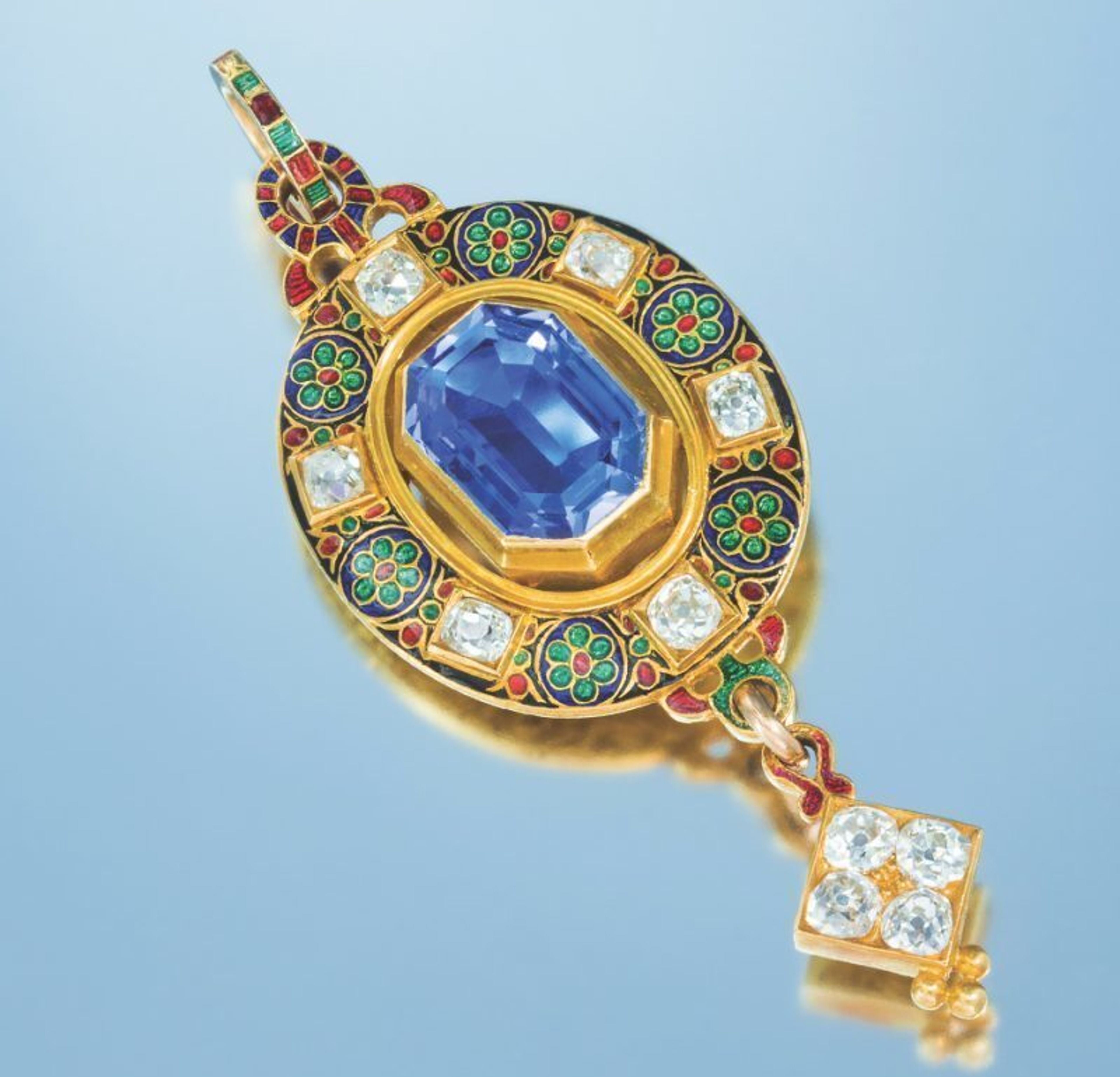
Our upcoming April 10-11 Important Jewelry auction includes a number of works, both vintage and modern, that use classical motifs including micro-mosaics, cameos and polychrome enamel. Micro-mosaics, a technique of jewelry design popular in the eighteenth and nineteenth century, involves carefully inlaying stone together to form an image. This incredibly time-consuming technique is highly sought after by collectors and connoisseurs. Lot 5: This archaeological revival Castellani yellow gold pendant brooch includes subtle micro-mosaics inlaid with black tesserae of the Greek letters, Iota, Chi, Theta, Upsilon and Sigma. While this pendant was made it 1870, it is more modern interpretation of the mosaic than the Gurhan pendant. This Castellani example of micro-mosaic carries a presale estimate of $3,000 to $5,000. Lot 362: This yellow gold and emerald pendant by Gurhan features a central floral motif micro-mosaic. This micro-mosaic is much more traditional than the almost abstract use of the technique in lot 5. This has a presale estimate of $800-$1200. Lot 40: This pendant features a central sapphire cameo, a carved raised relief often of a profile or a mythological scene. In addition to the cameo this pendant is adorned with two cushion cut sapphires, a navette shape cabochon cut ruby and stylized griffins. This carries an estimate of $1,500 to $2,500. Lot 220: This Elizabeth Locke brooch is an example of how contemporary designers are using classical motifs. This yellow gold brooch contains a central mother-of-pearl backed Venetian glass cameo of Medusa. This brooch has an estimate of $1,000 to $2,000. Lot 24: This Edward Tessier pendant is an exemplar of the Renaissance revival style, also known as “Holbeinesque,” that became popular in the late nineteenth-century. The reinterpretation of the Renaissance featured classical motifs, and large oval gemstones in the center of polychrome enamel, as shown in this pendant. It is estimated at $8,000 to $12,000. Lot 308: In addition to fine art, Roy Lichtenstein also dabbled in jewelry design. This pendant brooch is Lichtenstein’s interpretation of the classical polychrome enamel. Unlike the Holbeinesque example, this has a contemporary sensibility. This 1968 work carries an estimate of $1,000 to $2,000.
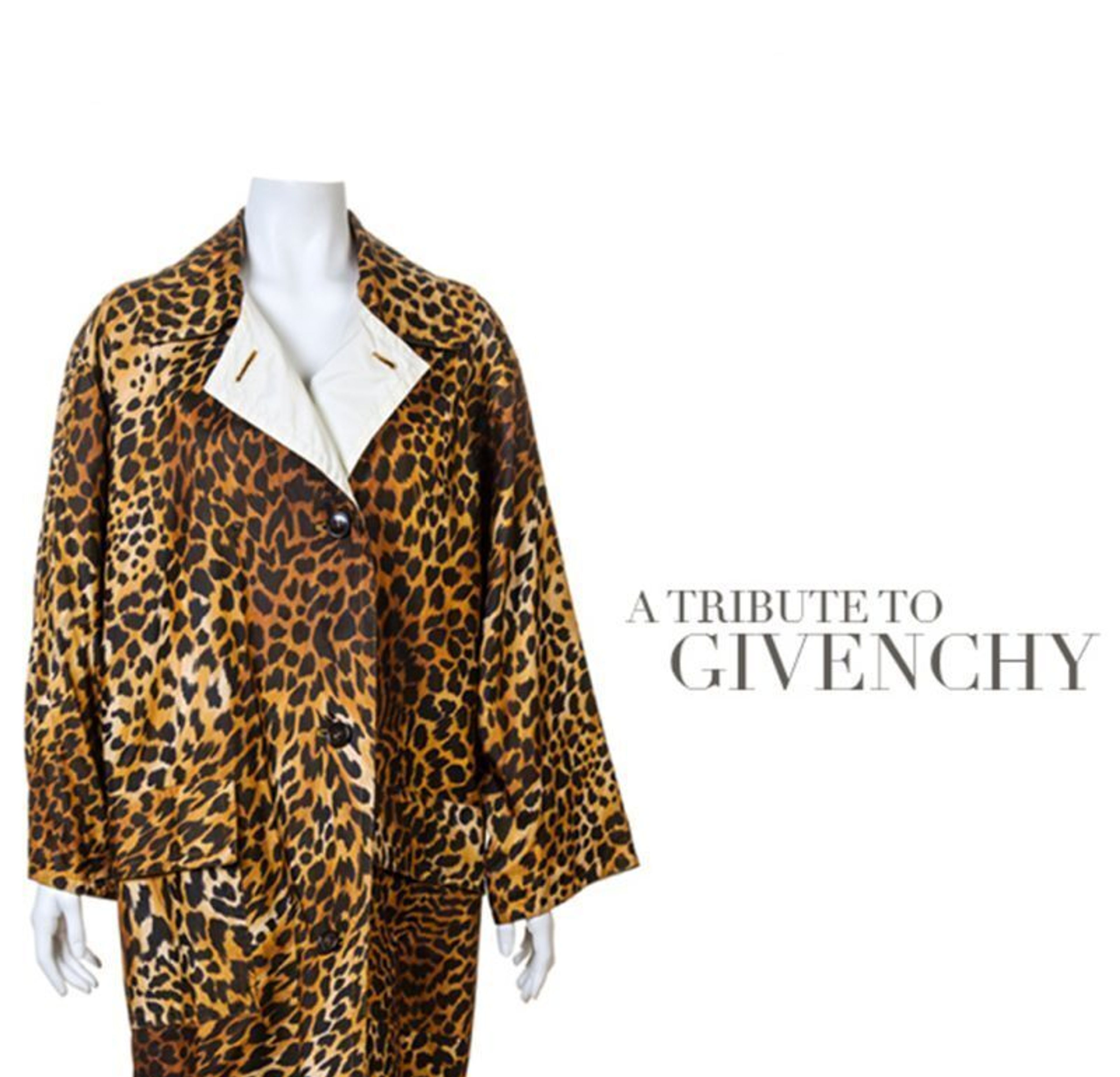
Givenchy opened his design house in 1952 after working for Elsa Schiaparelli, and his classic silhouettes and impeccable tailoring drew immediate interest from the Duchess of Windsor, Jacqueline Kennedy Onassis and Audrey Hepburn. Givenchy and Hepburn would go on to collaborate on a number of projects, the most famous being the sleek black dress she wore in “Breakfast at Tiffany’s.” Hubert de Givenchy was described by the New York Times as a, “pillar of romantic elegance in fashion.” He remained at his eponymous house until the mid 1990s. During his time at the helm, Givenchy developed a reputation as a designer of timeless elegance. We look back fondly on the Givenchy couture and ready to wear collections we’ve handled in recent years. Our upcoming Luxury Accessories and Couture auction includes a number of Givenchy items, such as a silk leopard print trench coat, a black wool a-line dress, a red halter gown and more. A first glance below.
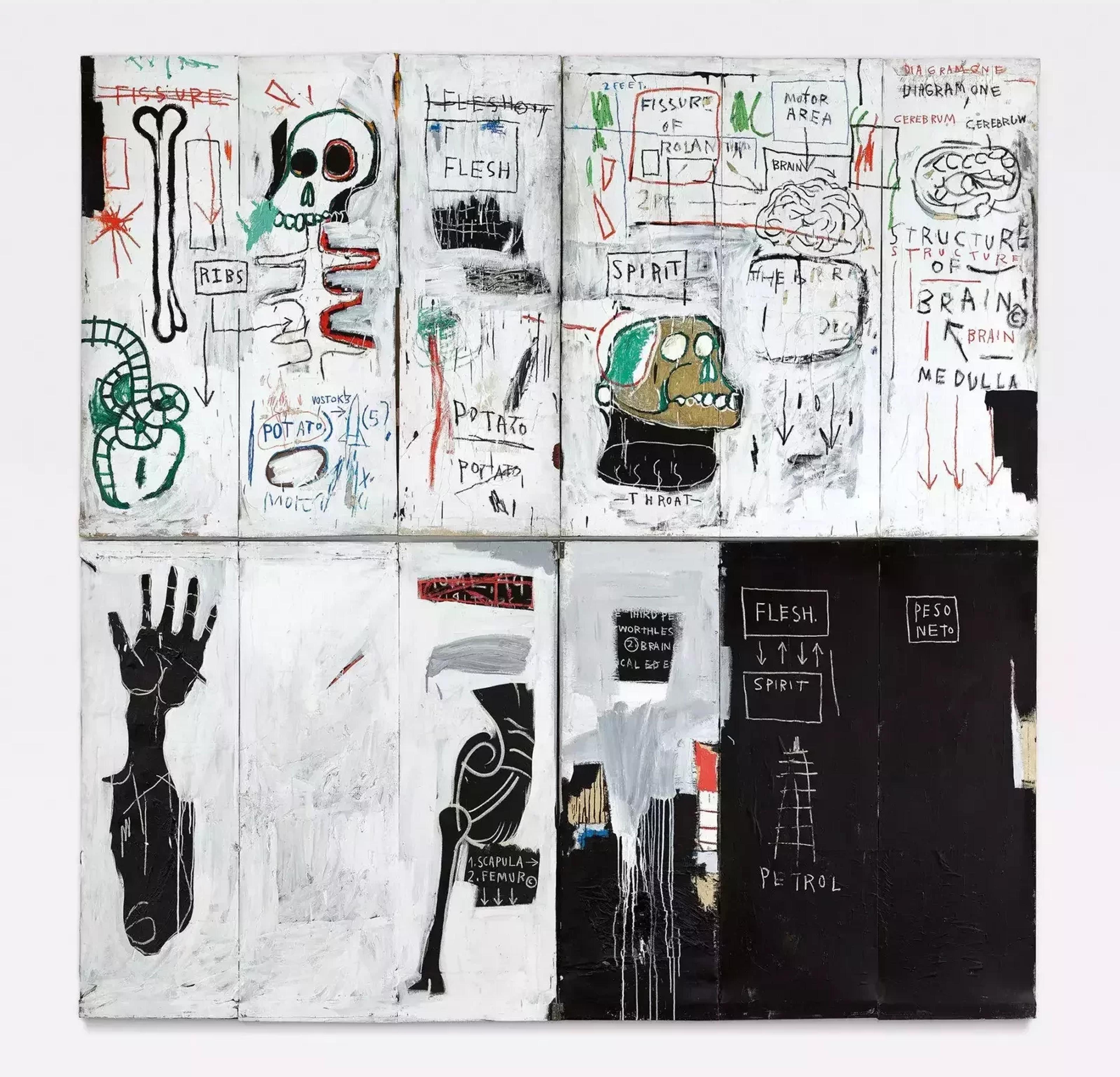
Artistic Allegations: Lawsuit Over Art Auction Price Can a beneficiary of Jean-Michel Basquiat’s Flesh and Spirit sue because the price was driven down? What happens if you think a painting sold for too little at auction? In this case, Belinda Neumann-Donnelly sued her father, Hubert Neumann, saying that he drove down the price of Jean-Michel Basquiat’s Flesh and Spirit, which sold for $30.7 million at auction in May of 2018. Neumann-Donnelly, representing her mother’s estate, claimed that the artwork could have yielded a higher price but for her father’s interference (Neumann had sued Sotheby’s auction house to block the sale). Neumann-Donnelly contended that this frightened potential buyers, which depressed the price of the artwork. In her complaint, Neumann-Donnelly called her father “the epitome of the child with rich parents who wakes up on third base and thinks he hit a triple.” Her complaint also states: “This action arises from a greedy, malevolent, fraudulent, bad-faith and (unfortunately) successful scheme to financially devastate the Estate and, indirectly, Belinda, by destroying the value of the Estate’s most valuable asset—Jean-Michel Basquiat’s masterpiece, Flesh and Spirit—in advance of a scheduled May 16, 2018 auction by Sotheby’s, Inc. of the Basquiat.” In January of 2018, Neumann-Donnelly filed another lawsuit—this one against her father and her two sisters, Melissa and Kristina—in an attempt to force them to sell all the artwork held in trust, which had a value estimated to be more than $50 million. She wanted to see the family’s entire collection liquidated, and argued that the “continued joint ownership of the family’s artwork is impossible.” She asked the New York Supreme Court in Manhattan to allow the works to be sold, and for the proceeds to be divided “in accordance with the parties’ respective ownership interests.” The Basquiat Background The story started when Neumann-Donnelly inherited the Basquiat painting at her mother Dolores’s death in 2016. When she went to sell it, her father tried to stop the sale in court, alleging that she’d applied undue pressure on her mother to sign over the rights to the work while she was receiving medical treatment. Hubert Neumann’s family compiled a world-class collection of 20th-century art. He wanted to block the sale of the 12-by-12-foot painting, arguing that the sale violated an agreement he had with Sotheby’s, which gave him the authority to approve “all matters” concerning the marketing of works from the “Family Collection.” The court rejected Neumann’s request to stop the sale, as Neumann-Donnelly showed that the Basquiat had been owned by Dolores Neumann alone. Neumann-Donnelly’s mother had been separated from her husband for the last 29 years of her life. In her lawsuit she alleges that her mother had been subject to years of repeated “emotional and physical abuse” by her father, a claim he denies. Dolores Neumann’s will explicitly expressed her wish to disinherit Hubert Neumann, her daughter’s lawsuit said. Neumann’s lawsuit was unsuccessful, but when the Basquiat sold at auction, she turned around and sued him for $100 million, claiming that his legal action against her to stop the sale deterred potential buyers, and greatly depressed the painting’s value. Most of the family’s art was given to the three sisters by their uncle, Arthur J. Neumann, in a trust administered by their father. That collection—valued at more than a billion dollars—includes works by Pablo Picasso, Alexander Calder, Vanessa Beecroft, Bruce Conner, Jean Dubuffet, Keith Haring, Jeff Koons, Joan Miró, and Claes Oldenburg. Disinheriting Someone Almost Always Means a Family Fight Neumann-Donnelly claimed that her mother had written her father out of the will and left the painting to her alone. But when artwork, or other valuable assets, are owned jointly, finding an equitable solution may be impossible. In that case, selling the assets held jointly may be the only path. Accurate valuation is therefore critical. Neumann-Donnelly argued in her January court filing that owning the artworks with her father and sisters was no longer possible, and they should be sold and the proceeds divided evenly as a result. But while selling a piece of art and dividing the proceeds is fair in the court’s eyes, it may not resolve the contentious feelings and anger when it concerns a family heirloom. Avoiding a major family dispute, like that of the Neumanns, requires open communication, along with accurate and reliable valuation, in order to formulate a clear estate plan. Freeman’s is committed to offering exceptional trusts and estates services that are uniquely tailored to each client.
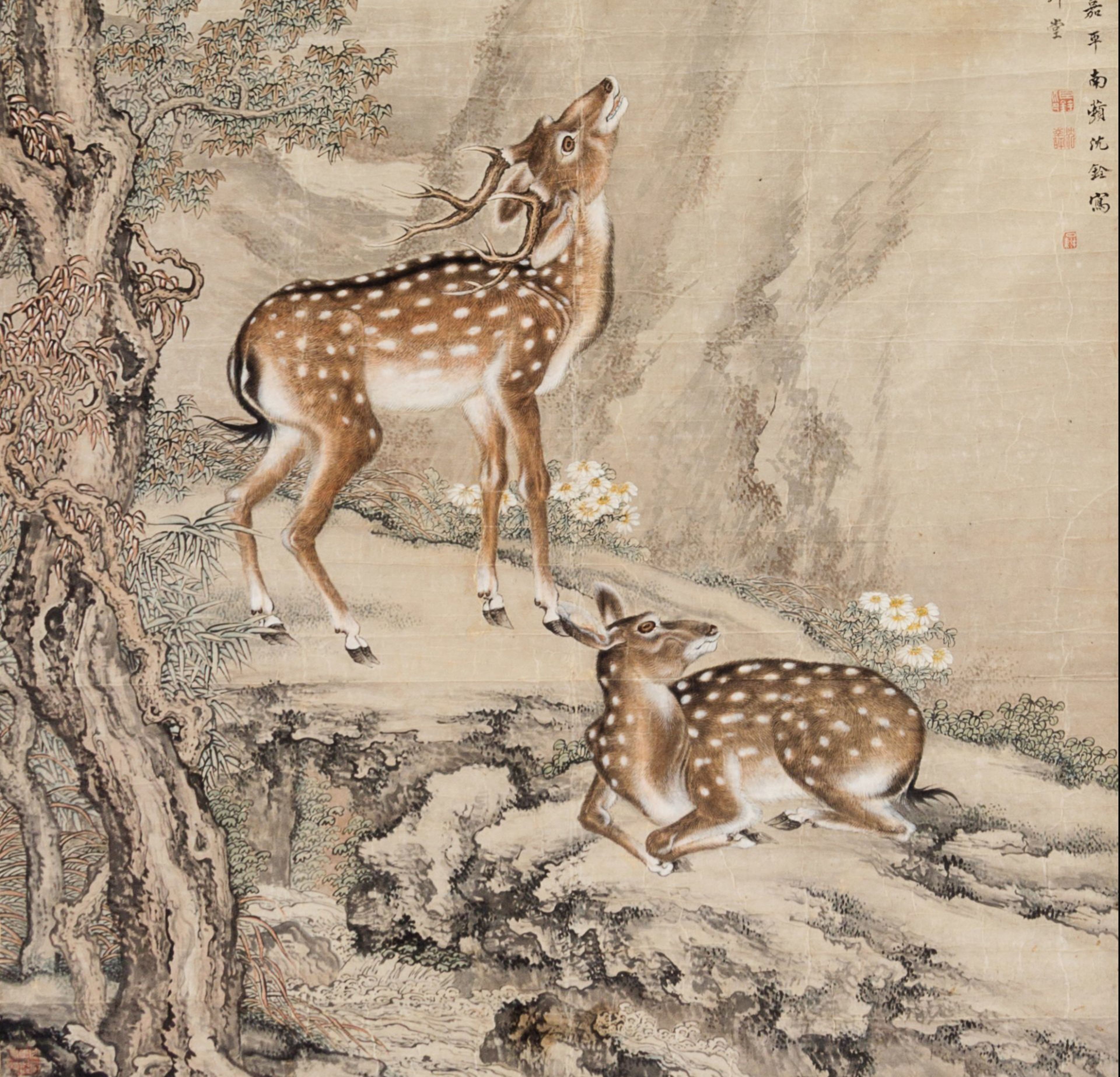
This March, Leslie Hindman Auctioneers will offer Property from the Collection of Ms. Yuan Jiaying and Mr. Li Guoyuan as part of our Asian Works of Art auction. The collection is comprised of 125 Chinese and Japanese paintings and will open the March 26 sale. Our upcoming Asian Works of Art auction features an important collection of 125 Chinese and Japanese paintings amassed by Yuan Jiaying and Li Guoyuan. Mrs. Yuan Jiaying is the granddaughter of China’s first president, Yuan Shikai, and Mr. Li Guoyuan, the son of Chinese entrepreneur Li Suran. The prolific collectors met and married in the 1940s. Highlights from their collection to be sold at auction include calligraphy scrolls by Ming Dynasty scholar Xing Tong; paintings attributed to the Qing Dynasty court painter Shen Quan; calligraphy scrolls by Wu Changshuo; and beautifully painted fan leaves by Ming and Qing Dynasty scholars. This is the first time that the complete collection of Yuan Jiaying and Li Guoyuan will be shown in public. Early on, Li Guoyuan was secretary to the Chinese general Zhang Zhizhong. Later on the couple moved to Indonesia, where Mr. Li became a minister and founded Gamaliel University. The family fled to the United States in 1964 due to riots in Indonesia. They brought with them only a fraction of their painting collection, which is presented here. The Yuan-Li collection will be offered as a session in our March Asian Works of Art Auction, opening the sale.