
New & Noteworthy
Stay up to date with news, highlights, & features from across Freeman's.
Stay up to date with news, highlights, & features from across Freeman's.
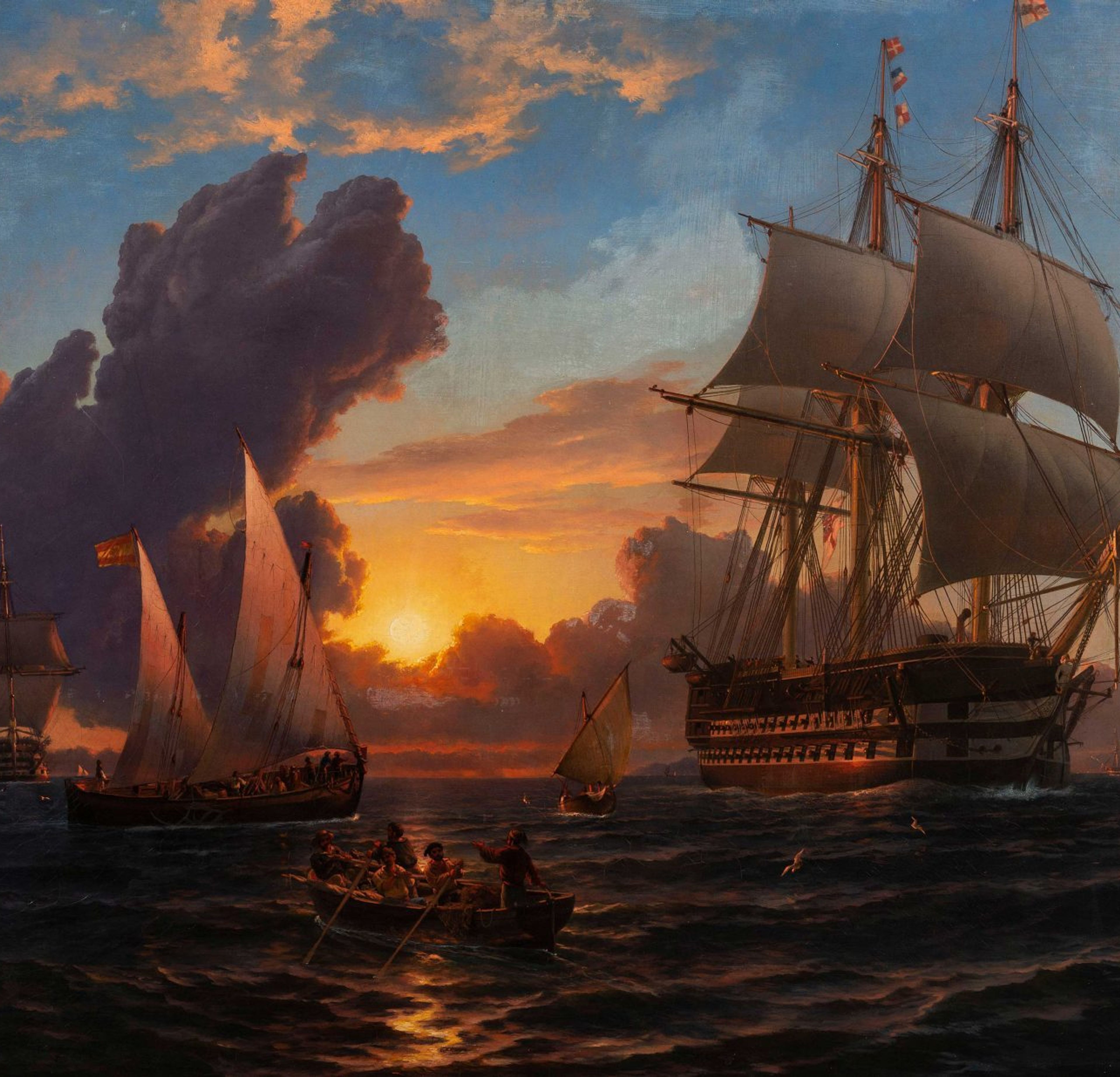
CINCINNATI – On September 14 and 15, Hindman will offer an array of furniture, paintings and decorative arts that reflect numerous critical figures and moments in American history. Highlighting this fall’s American Furniture, Folk and Decorative Arts auction will be two Andrew Clemens sand bottles, for which Hindman holds the world auction record. A selection of portraiture and paintings will be offered, featuring a portrait of the actor and abolitionist Ira Aldridge, a trailblazing figure in the theater who used his platform to promote the abolitionist cause in America. Portrait of African American Shakespearean Actor and Abolitionist Ira Aldridge As the first African American Shakespearean actor to gain international recognition, Aldridge was a pioneering figure in the theater and used his platform to advance the abolitionist cause in America. Born and educated in New York City, Aldridge gained early acting experience through the African Grove Theatre, the first African American theater company in the United States. Aldridge went on to achieve both critical and commercial success in the English provinces and throughout continental Europe and Russia. He performed over 40 major roles and received international accolades over the course of his four-decade career. This portrait (lot 1030) depicts Aldridge as Mungo in The Padlock, a farcical libretto loosely modeled after the short story El celoso extremeño by Miguel de Cervantes. The two-act performance premiered in 1768 at London’s Drury Lane Theatre, where a white Englishman in blackface performed the role of Mungo, a black servant from the West Indies. Aldridge transformed the role of Mungo, once a racist caricature, into a more dignified portrayal, meant to convey the character’s humanity. Aldridge was an outspoken abolitionist, and often capitalized on his platform to directly address his audience on the evils of slavery and other societal inequities. Lot 1030 | American or English School. Circa 1830. Portrait of Ira Aldridge as Mungo in ‘The Padlock. Estimate: $30,000 – $50,000 Magnificent Maritime Items Featuring the Collection of Legendary Dealer Norm Flayderman A selection of maritime paintings and objects from the Collection of legendary dealer Norm Flayderman is one of the most anticipated offerings in the auction. Flayderman was known for being a renowned antique arms dealer, prolific author and collector. These works reflect his passion for finding items rich with decorative history, as well as his impressive knowledge of nautical history. Gangway boards identified to 19th century ships, paintings of sailing vessels, nautical instruments and thematically decorated American and English pottery will be presented. Highlighting this selection will be a pair of eagle, shield and seal of Cincinnati carved walnut ship’s gangway boards from 1892 (lot 1167; estimate: $10,000-15,000), which are likely from the USS Cincinnati (C-7), a protected cruiser for the United States Navy. A USS Tallapoosa eagle, shield and cannon carved, brass-mounted walnut gangway board is likely a Civil War artifact (lot 1168; estimate: $4,000-6,000). A painting attributed to Charles Henry Seaforth (lot 1183; estimate: $8,000- $12,000) is a striking painting from the collection. A cast brass and steel anchor form mantel clock garniture (lot 1175; estimate: $3,000- $5,000) is another highlight. Lot 1265 | Solon Francis Montecello Badger. City of Georgetown. Estimate: $4,000 – $8,000 Additional standout maritime paintings include Solon Francis Montecello Badger’s City of Georgetown (lot 1265; estimate: $4,000 – $8,000), and other China trade paintings. Prominent Sculptor Henry Merwin Shrady’s Washington at Valley Forge Lot 1055 | Henry Merwin Shrady (American, 1871-1922). Washington at Valley Forge, 1904. Estimate: $40,000 – $60,000 Items that reflect important early historical moments in the founding of the nation will be offered, and Henry Merwin Shrady’s Washington at Valley Forge (lot 1055; estimate $40,000-60,000) is among the most significant. Henry Merwin Shrady was a mostly self-taught artist who came to prominence during the American sculptural renaissance of the Beaux-Arts period. Renowned for his early animal bronzes, he quickly became known as a monumental sculptor. In 1906, Shrady won a competition that led to his equestrian statue of George Washington at Valley Forge being placed near the entrance of the iconic Williamsburg Bridge in Brooklyn, New York. This particular example, cast by the Roman Bronze Works, was once a part of the artist’s personal collection and is being offered by one of his great grandchildren. Fine Furniture, Decorative Arts & Silver As usual, William and Mary, Queen Anne, Chippendale, Federal and painted country furniture is expected to draw attention. An 18th century William and Mary figured maple drop leaf dining table is an example of fine craftmanship (lot 1004; estimate: $3,000 – $5,000). Other designs expected to see competitive bidding are a Classical Style tiger maple slant front desk of Minnesota origin (lot 1133; estimate: $6,000 – $9,000) and a rare Chippendale walnut tall case clock (lot 1045; estimate: $3,000 – $5,000) attributed to Jacob Frye. A rare North or South Carolina “Colored Republicing Club” stoneware cooler (lot 1361; estimate: $5,000 – $7,000) has a powerful history. After the Civil War, white Southerners aligned themselves with the Democratic party, while African Americans chose their liberators, the Republicans. Eventually in the years following the war in both the North and South, “Republican Clubs,” or “Union Leagues” were formed, and with suffrage, African Americans began to take on larger roles in local, state, and national politics. The cooler offered here is symbolic of a period in Southern politics when African Americans became increasingly disenfranchised from the suffrage granted them by the 14th Amendment to the Constitution in 1868. Lot 1004 | A William and Mary Figured Maple Drop Leaf Dining Table. Estimate: $3,000-$5,000 A fine group of silver will also be offered. A coin silver presentation pitcher from the Kentucky State Agricultural Society is one notable item (lot 1253; estimate: $10,000 – $20,000). The society was chartered by the legislature in 1856, and awarded cash premiums and silver cups, etc. for livestock, farm production, agricultural implements and machinery, as such “to arrouse a feeling of State pride” and to consistently showcase and improve the state’s most productive industry – agriculture. Lot 1253 | A Kentucky State Agricultural Society Coin Silver Presentation Pitcher. Estimate: $10,000 – $20,000 How to Bid & Preview Times Bidding for the September 14th to 15th auction will begin at 10am ET time and will be available live, via absentee bid, phone and online through Hindman’s Digital Bid Room. Additional information can be found via the auction page. Preview Location: Hindman Cincinnati 5030 Oaklawn Drive Cincinnati, Ohio 45227 Times: Monday, September 12, 12:00 pm – 5:00 pm Tuesday, September 13, 12:00 pm – 5:00 pm Wednesday, September 14 8:00 am – 10:00 am Viewings also available by appointment now. Please call 513.871.1670 to set up a time to preview the sale.
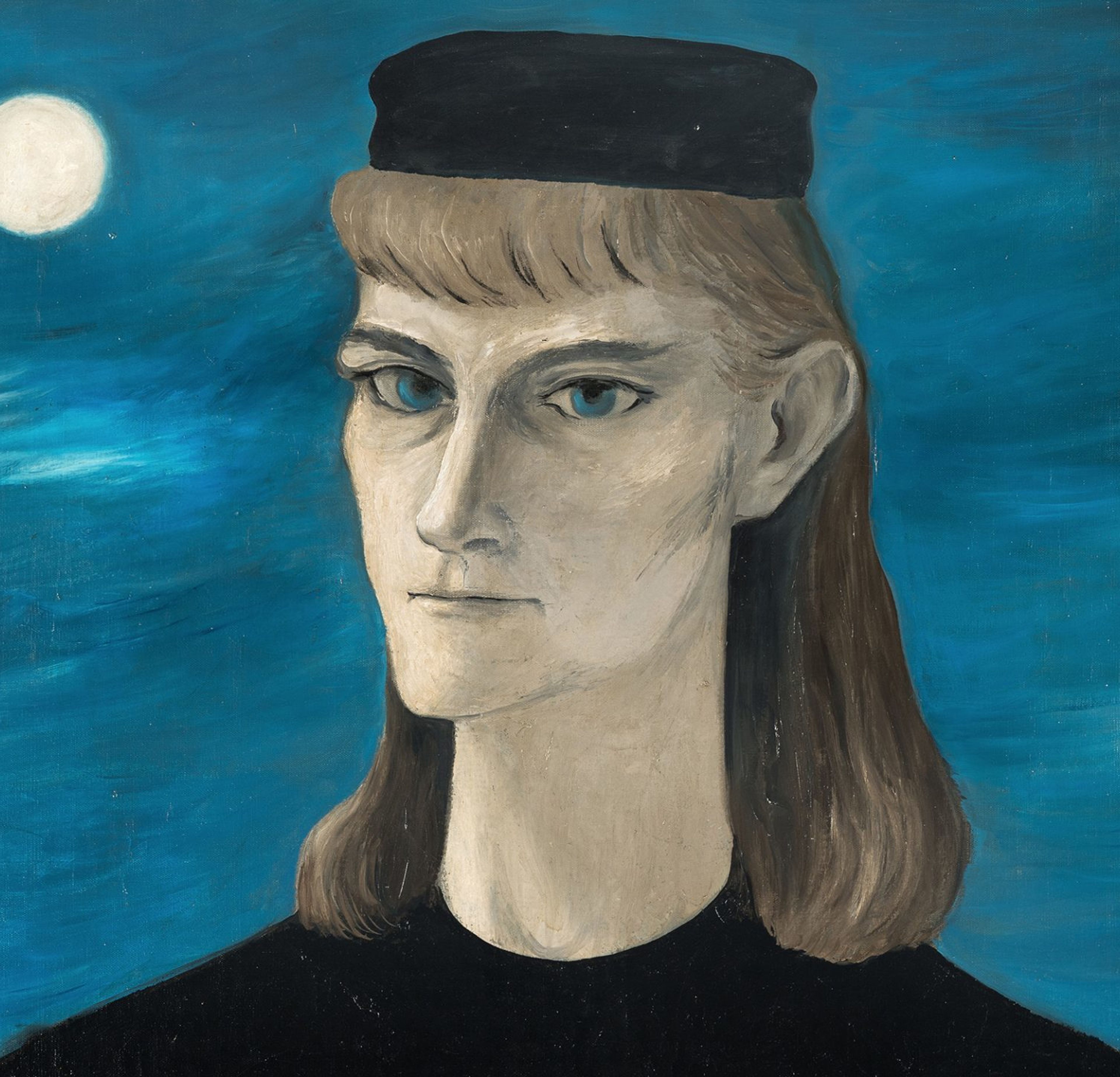
CHICAGO – Hindman Auctions is pleased to announce that we will present the most significant selection of Gertrude Abercrombie paintings to ever come to market in Casting Spells: The Gertrude Abercrombie Collection of Laura and Gary Maurer, a single-owner auction on September 28. As the preeminent collectors of Abercrombie works, Laura and Gary Maurer’s collection of 21 magical and mysterious career-spanning works by the enchanting artist will provide bidders a unique opportunity to compete on the broadest offering of works and some of the physically largest paintings by the “Queen of the Bohemians.” Over the past decade, interest in American Surrealism has surged. Many of Abercrombie’s paintings, including a number in this offering, were featured in major solo exhibitions at Karma Gallery in New York, Illinois State Museum in Springfield, and the Elmhurst Art Museum. A brilliant and willfully eccentric Chicago-based Surrealist artist with close ties to the jazz music scene, her works often evoke themes such as witchcraft and sorcery, and abound with owls, moonlit landscapes, walking paths, cats, and eggs. Until recently, Abercrombie’s work was under considered, but the market has caught up, and she is among the most sought-after female artists today. Hindman has continually paced the market for Abercrombie’s works, and currently holds the world auction record for a painting by the artist. “The Maurer Collection stands out because of how comprehensive it is, both in terms of the timeline and subjects it so beautifully captures. The selection spans Abercrombie’s entire career from one of her earlier pieces to one of her last paintings, dated 1971,” shared Susan Weininger, the leading Abercrombie scholar. “Significant examples of the artist’s most important themes are all represented, from self-portraits to mysterious landscapes through which the artist wanders, to meticulously painted and evocative still lifes and interiors, and more.” This alluring offering captures a wide swath of Abercrombie’s oeuvre from the late 1930s to the 1970s, featuring seminal works ranging from her spellbinding self-portraiture to her transcendental landscapes, and from her iconic doors to her beloved cats. Highlighting the selection is a self-portrait from 1953 titled Self and Cat (Possims) (estimate: $300,000-500,000), an Abercrombie masterpiece that depicts a mystical Abercrombie alongside her favorite witch’s familiar Possim. Abercrombie’s 1942 Solitude (estimate: $120,000-180,000) is another major painting that will be offered. Abercrombie was also celebrated for her poignant miniatures that she often created as gifts. Her 8-by-10 inch Untitled (Blue Screen, Black Cat, Print of Same) from 1945 (estimate: $50,000 – $70,000) is a prime example. “As the door opened into the Maurers’ home, I was immediately thrown into the dizzying Abercrombie sanctuary they created,” commented Hindman’s Vice President of Fine Art Joseph Stanfield on his first viewing of the collection. “Upon seeing Abercrombie’s unique storytelling and iconography so fully presented in the selection, I was completely under Abercrombie’s spell.” The Maurer Collection will travel to New York City for a preview in early September. In August, Hindman will announce additional details about the previews in New York and Chicago and collection highlights. Press contact: hannacunningham@hindmanauctions.com Featured image: Self and Cat (Possims) | Estimate: $300,000-500,000
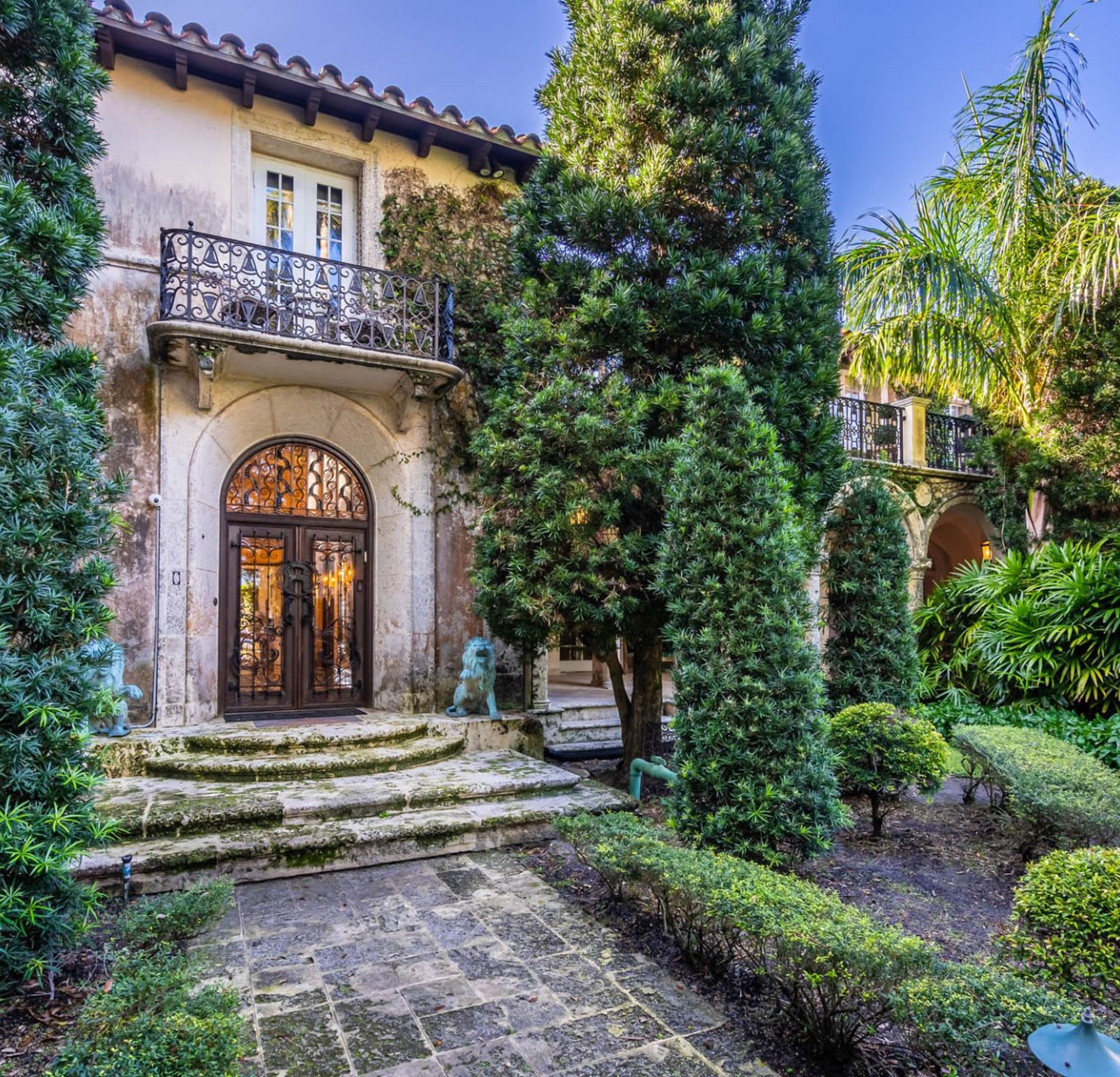
Hindman is proud to offer property from Casa de Sueños in an exclusive single-owner sale on May 31st in Palm Beach, Florida. A 1930s Mediterranean Revival estate overlooking Biscayne Bay, it was originally built for a President of General Motors and then acquired in the late 1990s by the current owners Loren and J.R. Ridinger. The couple are the founders of Market America—a revolutionary product brokerage and internet marketing company—while Loren is also a well-known fashion, beauty, and business leader recognized by Vogue, Haute Living, and Forbes magazines. Using historical photos of the estate, the couple acquired period furniture, art, and decorative objects to help realize their vision of contemporary life in a historic setting. Our auction features much of what they collected over the past 20 years for the home. We will host an auction preview open May 18 – 30. The preview will be curated by New York and Palm Beach based designer Liz McDermott, whose firm serves residential clients worldwide. McDermott has been a contributing trend editor for Modern Luxury and serves on the board of the French Heritage Society, based in Paris. Below, browse photos from this remarkable home and get a glimpse of some of the exciting property that will be available May 31. Click HERE to view all lots and to register for the auction. “I feel that I have lived through every era in this house.” LOREN RIDINGER
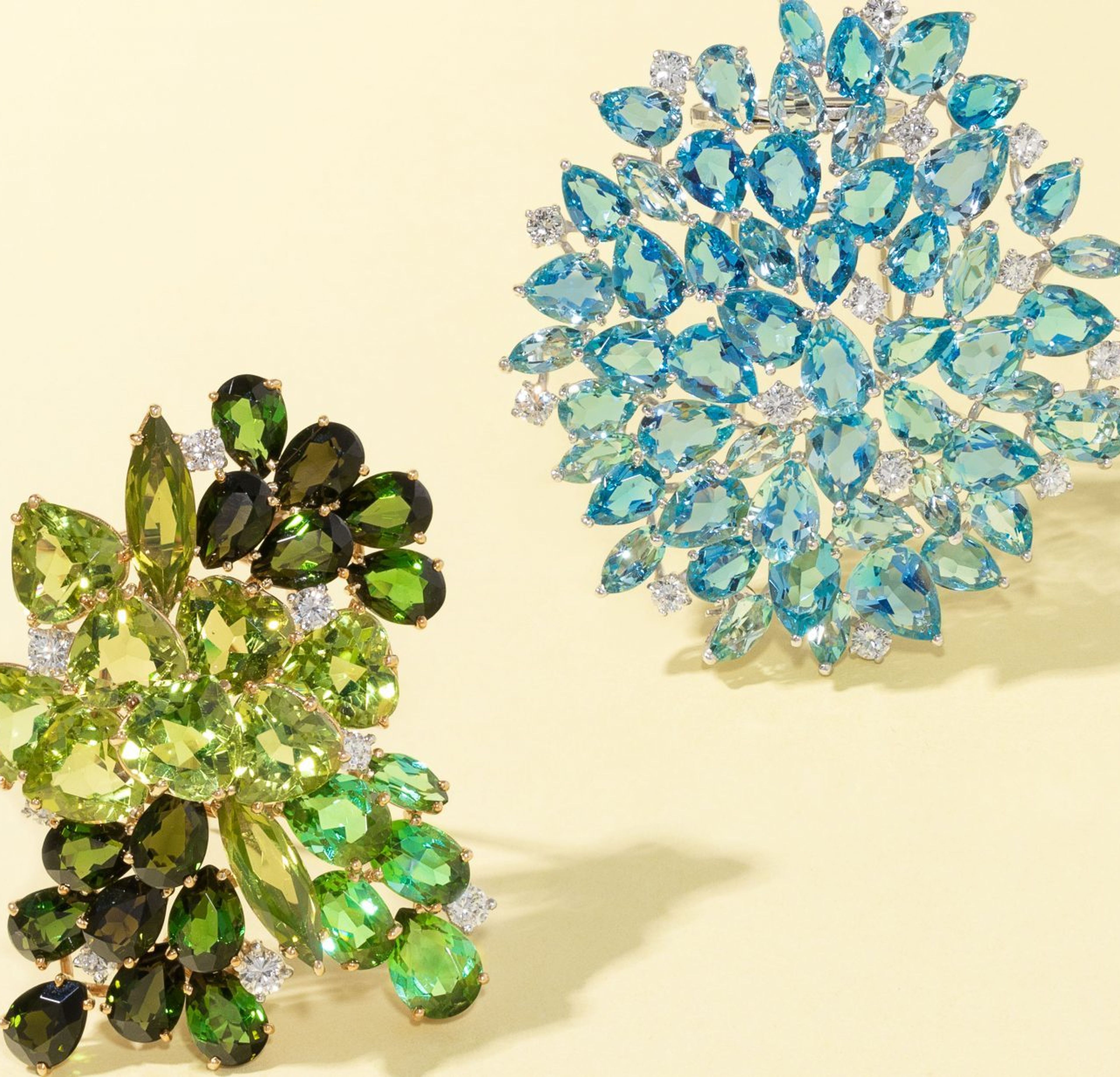
Hindman is pleased to offer three beautiful brooches by Olga Tritt from a private collection (Lots 130-132, lot 130 not pictured). Each of them includes their original box and receipt from 1969 or 1972. Tritt immigrated to New York from Russia in 1910. Trained from an early age as a watchmaker, she soon put her skills to work selling jewelry and watches from her own shop, filing a patent for her brand in 1922. She was a clever businesswoman who established a following among important New York clients including the Duchess of Windsor. Lot 131 | Olga Tritt, Peridot, Tourmaline and Diamond Brooch | $3,000 – 5,000 Olga Tritt jewelry is characterized by large colored gemstones often paired with step cut diamonds for a geometric look. She traveled the world gathering the gems she used in her bold designs—the Caribbean for pearls, India for rubies, sapphires and emeralds, and Brazil for aquamarines and tourmalines. Her travels informed her style, with influences from Indian Mughal jewelry as well as European Art Deco. Tritt promoted her business on the radio, in print advertisements in Vogue and the New Yorker and her jewelry was shown on models in fashion magazine editorials, most notably actress Helen Bennett who wore jewels by Olga Tritt paired with pants and Moroccan slippers in a photo by Horst P. Horst. Lot 132 | Olga Tritt, Aquamarine and Diamond Brooch | $3,000 – 5,000 The Brazilian government commissioned Tritt to design jewelry using Brazilian gems for the 1939 World’s Fair in New York. The showpiece was an extraordinary aquamarine and diamond necklace. In the 1930s, Tritt opened a second shop in Palm Beach, Florida, which remained open following her death, managed by her daughter, until the end of the 20th century. Today she is little-known because she did not sign many of her pieces and not many survive. Hindman is thrilled to put her pieces in the spotlight in the May Important Jewelry auction.
Decorative Arts & Fine Art from Cox Estate to Be Offered Across Four Auctions From January to March Hindman is pleased to offer property from the Estate of Edwin L. Cox (Dallas, Texas), a renowned philanthropist and businessman. Not only was Cox a prominent figure in Texas civic life and a distinguished entrepreneur in the American energy industry, he also was a fervent benefactor of major cultural institutions who built an extraordinary collection of French Impressionist masterpieces. More than 20 masterpieces from Cox’s personal collection set four world auction records in Christie’s May 2021 sale, ‘The Cox Collection: The Story of Impressionism.’ “Hindman is known for marketing single-owner collections in a way that tells the entire story of a person’s collecting legacy,” said Hindman Vice President and Senior Specialist of European Furniture and Decorative Arts Corbin Horn. “Cox left a distinct mark through his consummate collection. We are pleased to be able to offer Cox’s decorative arts, which are as intriguing as his collection of Impressionist art, across several sales categories during the next few months.” Various lots offered in the January 13 and 14, 2022 ‘Chicago Collections’ sale Cox served on the boards of museums such as the National Gallery of Art in Washington D.C., the Library of Congress Trust Fund and the Dallas Museum of Art. He was also a key supporter of Southern Methodist University’s business school, the SMU Cox School of Business. Bidders will have multiple chances to acquire compelling items from this legendary name in Hindman’s Winter and Spring 2022 sales. Property from the Cox Estate will be presented across four auctions from January to March this year, beginning with ‘Chicago Collections’ on January 13th – 14th. Additional property will be presented in the February 2nd and 3rd ‘European Furniture & Decorative Arts’ auction, the March 25th ‘Asian Works of Art’ auction, and the March 29th ‘Chinese & Himalayan Works of Art’ auction. Various lots offered in the January 13 and 14, 2022 ‘Chicago Collections’ sale Highlights from the Cox collection at Hindman include works of art by Peter Ellenshaw and Constantin Kluge, as well as Chinese famille verte porcelain, fine carpets and a variety of European decorative arts. Additional information on the ‘Chicago Collections’ auction can be found here, and information on property from the Cox Estate that will be offered in upcoming auctions can be found on hindmanauctions.com. Bidding for the January 13th – 14th ‘Chicago Collections’ auction begins at 10am CT each day and is available via absentee bid, by phone, and online through the Digital Bid Room, Hindman’s online and mobile bidding platform. Previews are available by appointment and can be made by calling (312) 280-1212. Various lots offered in the January 13 and 14, 2022 ‘Chicago Collections’ sale
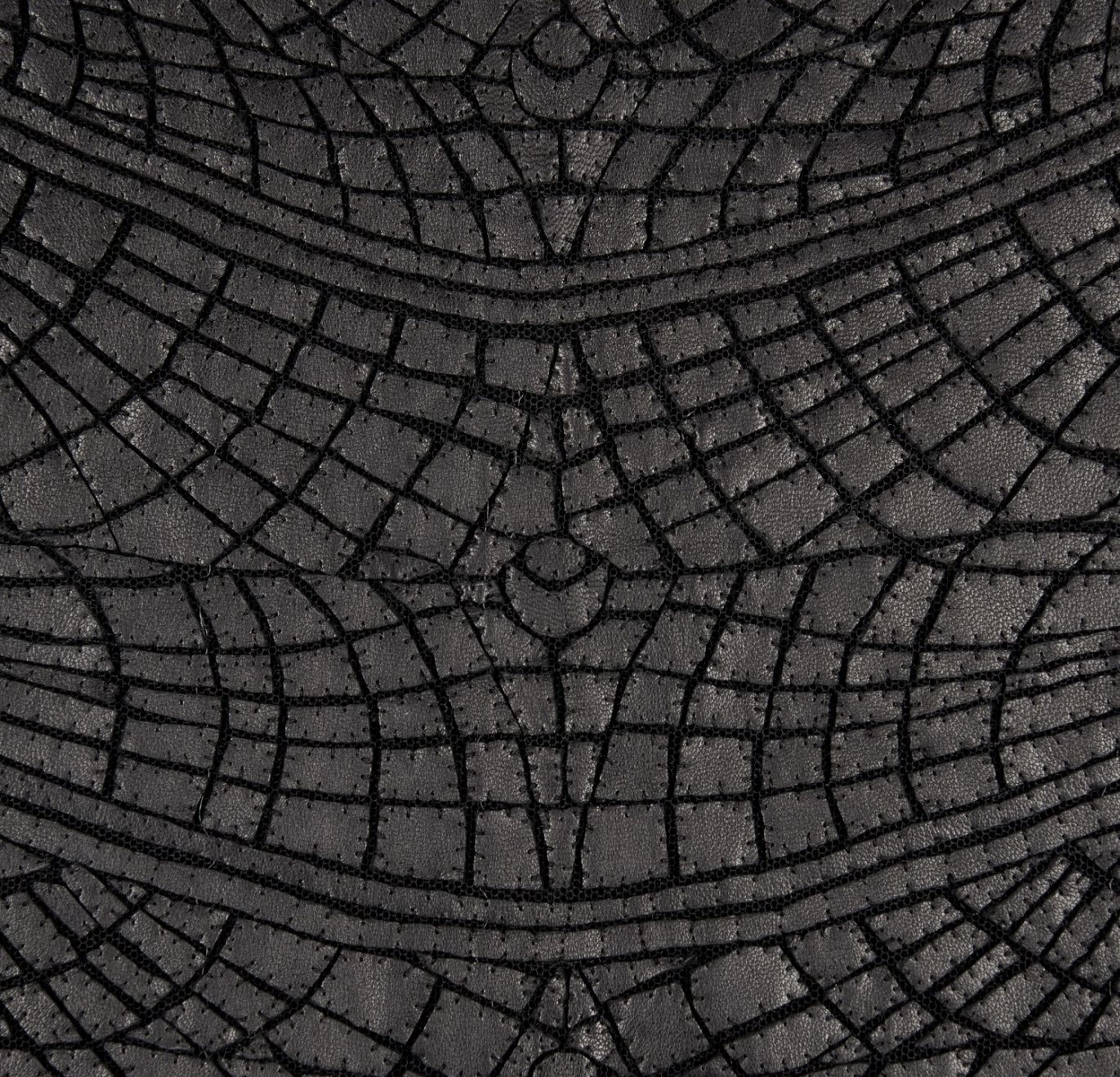
Philanthropist and collector, Michelle Smith was renowned equally for her charitable efforts and for the vision of elegance and sophistication that influenced all areas of her life. She passionately supported causes in education, culture, health and the arts. After succeeding her father in January 2010, Smith served as president of the Robert H. Smith Family Foundation, supporting nonprofit organizations, universities, and cultural institutions through fundraising and charitable giving. Smith’s commitment to sustaining and nurturing the arts is evident in her work with the Smithsonian’s National Gallery of Art and the Whitney Museum; she also funded arts and business programs at the University of Maryland. Smith fostered key partnerships among organizations, bringing her curated approach to life and utilizing her relationships as she served on many boards of trustees and directors, including the Aspen Institute and The Foundation for Art and Preservation in Embassies. Every facet of her world was shaped by refinement and beauty: at home, in art, and in fashion, over time acquiring a significant collection of contemporary haute couture. She treated couture as any other collecting category; the breadth and depth of her collection indicate an appreciation for the history of the craft, as well as a focused attention to a key group of designers: Dior, Ralph Rucci, and J. Mendel. Each of these designers is known for their craftsmanship and the ways in which their work demonstrates the extraordinary labor and care required to create these garments, ranging from ready-to-wear to fashion’s most exclusive tier: haute couture. The very notion of haute couture relies on the work of les petites mains, the highly skilled artisans who craft these garments in designers’ ateliers. Each haute couture garment is custom made to the unique specifications of the client in a Paris atelier, as sanctioned by the strict edicts of the Chambre Syndicale de la Haute Couture. The care and labor poured into each of these pieces is evident in each embroidery, appliqué, and weave. To see a collection of contemporary haute couture, so thoughtfully curated and cultivated, illustrates Michelle Smith’s pursuit of excellence, in fashion and in life. “Couture was a world defined by relationships and lineage,” explains journalist Robin Givhan, noting that women were historically introduced to this world socially, often by their mothers.[1] Traditionally, couture clients have become loyal to one or two labels, as did Michelle Smith with Ralph Rucci and Dior. Smith’s exposure began close to home and sparked a lifelong joy for collecting: her own mother was a couture client, also a patron of Dior. Lot 1 | Balenciaga Haute Couture Wool Coat, c.1960 A 1960s Balenciaga haute couture wool coat commences the sale, refined and subtle. Deceptively simple, this coat is cut with few pattern pieces, many of which are hand-sewn together with minimal seams. The silhouette of the coat is supported by internal layers of padding that extend down the front and back of the body, from the shoulder. These unusually placed pads help smooth the silhouette over the shoulders and chest and widen the silhouette of the chest and back to achieve the Cocoon shape of the 1940s-1960s, which Balenciaga helped introduce. This coat, and Balenciaga’s innovations, set forth important changes in clothing construction, revered by the likes of Ralph Rucci and Christian Dior. Smith’s longstanding love for Dior is evident in a collection spanning decades. Christian Dior came to the fore of fashion with the debut of his New Look in 1947. Since then, and under the leadership of highly influential creative directors, the label has reigned modern fashion by remaining responsive, adaptive, and generative. Smith’s collection features contemporary Dior haute couture from her wedding dress, 1979 (worn in 1980, lot 21), through 2018, collecting most heavily from 2008 onwards. These garments, rarely seen at auction, tell a story of the house of Dior’s creative output as they have designed for increasingly modern women in an ever-changing world. Lot 22 | Christian Dior Haute Couture Wedding Dress, Fall/Winter 1979 Since 2016, Maria Grazia Chiuri has sat at the helm of Dior, the first woman creative director, breathing new life into the label through minimalist edge with strong, feminist underpinnings. She has introduced a strong emphasis on craftsmanship by women artists and makers, and collaborates closely with workshops worldwide.[2] Chiuri’s clothes embody a refined elegance, at times eye-catching and bold, at others, quiet and sophisticated. Of the autumn/winter 2018 collection, “These are serious clothes, Chiuri seemed to be saying, made by the finest hands and meant to be appreciated by women who are beyond the flimflam and easy glam of our times.”[3] In Smith’s collection, the item most closely resembling Christian Dior’s iconic bar suit most explicitly subverts the house’s traditional codes. The cinched, corseted jacket and voluminous, knife-pleated skirt are reintroduced as a jacket free of internal structure and – for the modern woman – pants (lot 31). This, for Chiuri, represents freedom. The garments are restrained so the wearer can speak; “Chiuri’s offerings are for people who make noise in the world by wearing clothes that murmur elegantly.”[4] Lot 30 | Christian Dior Haute Couture Domino Pattern Wool Coat, Spring/Summer 2018 Smith developed close relationships with designers, working closely with American couturier Ralph Rucci to create custom garments to her unique specifications. Rucci’s pieces featured within this collection represent some of his finest work, featuring luxury materials hand-worked in spectacular detail. “His work expresses at all times an exuberance combined with restraint,” wrote André Leon Talley of couturier Ralph Rucci. “It is at once colossal and fragile, a Rucci construction of peerless seams and details. In his passion for ‘old school’ ideals, he refuses to compromise. The high standards of classical verities established by the masters of Paris haute couture are essentially the foundation of everything Rucci achieves.”[5] Rucci’s approach to fashion is one of profound thoughtfulness and exactitude. In his materials, construction, and techniques, Rucci honors the traditions of French couture. Reverent to his influences, Rucci credits Charles James, Cristóbal Balenciaga, and Madeleine Vionnet among the designers who have shaped his vision, evident in lot 81. Equally, contemporary visual art, Asian aesthetics, and classical antiquity play a key role in the Rucci visual pantheon. These components, combined with his commitment to artistry and quality, have enabled Rucci to hone and mature his creative expression over forty years, and earning recognition by the Chambre Syndicale de la Haute Couture, who invited him to show at Parisian haute couture as the second American in history. Lot 81 | Printed and Embellished Silk Jacket, Attributed to Ralph Rucci: An abstract screen-printed design is emphasized and textured by embroidered beads in this adaptation of a classic silhouette by Rucci. The sloped shoulder and structured form pay homage to Balenciaga, a perennial inspiration for the designer. For Rucci, transitioning to haute couture was a natural progression. He acquires only the finest textiles, furs, and surface treatments, working with François Lesage for embroideries and sourcing silk gazar from Maison Bucol in Lyons, France, as had Balenciaga. His clothes are for people who see fashion as a work of art. The extraordinary craftsmanship of each garment indicates a profound appreciation for the skill and labor of the most sophisticated artisanship. Rucci derives inspiration from his clients themselves, developing symbiotic relationships between artist and patron. Deeda Blair, a longtime client, appreciates his work for its “deceptive simplicity,” clothes that quietly reveal their “great intricacy.”[6]In Rucci, Smith found qualities that aligned so closely with her own discerning eye, as Hamish Bowles describes: “unimpeachable good taste, a nuanced color palette, flattering silhouettes, and his legendary workmanship.”[7] Lots 109 and 129 | J. Mendel Mink Fur Banded Jacket and J. Mendel Natural Scan-Glow Mink Vest Smith demonstrated an appreciation for modernists with an eye towards the classic. As she collected contemporary couture under the Dior heritage label and Rucci’s influences from the canon of fashion, so too did she apply this mindset to her taste in luxury fur. Creative director Gilles Mendel is the fifth-generation proprietor of furrier J. Mendel, ushering a label founded in 1870s St. Petersburg into the twenty-first century. Mendel adopted the craft of his forefathers and honors the time-honed traditions inherent in the brand. Only the finest pelts are used: broadtail, chinchilla, and barguzine sable among them, rare and of Russian imperial heritage. These materials are of the utmost luxury and require the work of highly skilled specialists who use sewing machines more than fifty years old. These tools and their expertise are time tested, and it is Gilles Mendel who introduces the cutting edge to the heritage brand. “My father’s world was if you wanted the most extraordinary lynx coat, the most fabulous chinchilla, the way they were assembled you wouldn’t even see a seam,” says Mendel. “I started to create seams.”[8] His cutting, deconstructing, and reshaping of exotic pelts and skins makes them fresh and modern, marking a twenty-first century approach to luxury fur. A Life in Couture: The Collection of Michelle Smith presents a curated selection of top designers whose work has shaped and transformed fashion. These garments illustrate the keen eye and exacting tastes of an individual who sought perfection and innovation in all areas. Hindman is thrilled to share this collection, available for bidding on September 21. [1] Robin Givhan, The Battle of Versailles: The Night American Fashion Stumbled into the Spotlight and Made History (New York: Flatiron, 2015), p. 14 [2] Alexis Okeowo, “Maria Grazia Chiuri’s Feminist Mission Goes Beyond Slogans,” Elle, October 16, 2020, https://www.elle.com/fashion/a34050277/maria-grazia-chiuri-dior-profile/. [3] Sally Singer, “Christian Dior: Fall 2018 Couture,” Vogue Runway, July 2, 2018, https://www.vogue.com/fashion-shows/fall-2018-couture/christian-dior. [4] Ibid. [5] Andre Leon Talley, quoted in Valerie Steele, Ralph Rucci: The Art of Weightlessness (New Haven: Yale University Press, 2007), p. 97. [6] Deeda Blair, quoted in Ralph Rucci, p. 3. [7] Hamish Bowles, “Ralph Rucci’s Pragmatic Luxury and Haute Craftsmanship Has Never Seemed So Timely,” Vogue Runway, July 14, 2021, https://www.vogue.com/slideshow/ralph-rucci-fall-2021-couture. [8] Jesse Ashlock, “From Russia with Love,” T Magazine, February 7, 2014, https://archive.nytimes.com/www.nytimes.com/packages/html/tmagazine/interactive/jmendel.html Featured image: Lot 80 | Detail, Ralph Rucci Cashmere and Embroidered Leather Jacket, Fall 2013

From a Fairytale-Like Discovery to a Record-Breaking Auction Freeman’s is thrilled to announce the results of its July 1 single-lot auction, This Important State Paper: Signer Charles Carroll’s Copy of the Declaration of Independence, which achieved a historic $4.42M sale price; exceeding by a remarkable five times its pre-sale high estimate of $800,000. This result marks the second-highest price ever paid at auction for any copy of the Declaration of Independence, and is the highest price ever paid at auction for an American document printed in the 19th century. It more than quadrupled the world auction record for a Stone printing of the Declaration of Independence set in New York City in 2019. In an achievement befitting of Philadelphia’s auction house, this historic sale was held in the nation’s birthplace just days before Independence Day—245 years after the original Declaration of Independence was signed. “I couldn’t be happier for the consignors, the new owner, and Freeman’s,” says Darren Winston, Head of Freeman’s Books and Manuscripts department. “From its fairytale-like discovery by sister auction house Lyon & Turnbull through to today’s record-breaking auction, it has been both incredibly exciting and a true privilege to be involved with the sale of this significant piece of American history.” This rare signer’s copy of William J. Stone’s 1823 printing of the Declaration of Independence was, remarkably, rediscovered in Scotland by Freeman’s sister auction house, Lyon & Turnbull. It was first presented to Charles Carroll of Carrollton (1737-1832), the last surviving signer of the original document, and later inscribed by his grandson-in-law John MacTavish (1787-1852). Commissioned by then-Secretary of State John Quincy Adams in 1820, Stone’s copperplate engraving on vellum is considered the most accurate representation of the original 1776 document. Seth Kaller, expert in American historic documents and artifacts, says... “We all know the theory that great items find their market, but often that isn’t true with so many things—business, personal, political—competing for everyone’s attention. This clearly broke through; it had the greatest depth of bidders I’ve ever seen for a seven-figure document.” The document will be on temporary loan to the National Park Service for display at Philadelphia’s Second Bank of the United States for the July 4 holiday. The vendors, who remain anonymous, wish to thank Lyon & Turnbull and Freeman's for finding the document and arranging such a successful outcome. American History, Freeman's History Founded in 1805, mere blocks from Independence Hall, Freeman’s is America’s oldest auction house, and throughout its storied history has had the privilege of stewarding the sale of numerous historically significant items—including the 1969 sale of John Dunlap’s 1776 broadside of the Declaration of Independence, which sold for an unprecedented $404,000 ($2.97M in today’s dollars). This Important State Paper carries on this long-standing tradition, bringing a piece of previously-unaccounted-for American history to auction, and underscoring Freeman’s pride of place as Philadelphia’s international auction house. United by a shared commitment to customer service and special focus on single-owner collections, Freeman's and Lyon & Turnbull have successfully staged a wide range of joint international projects over the last two decades, including specialist auctions in Hong Kong and London, as well as exhibitions and events on both sides of the Atlantic.
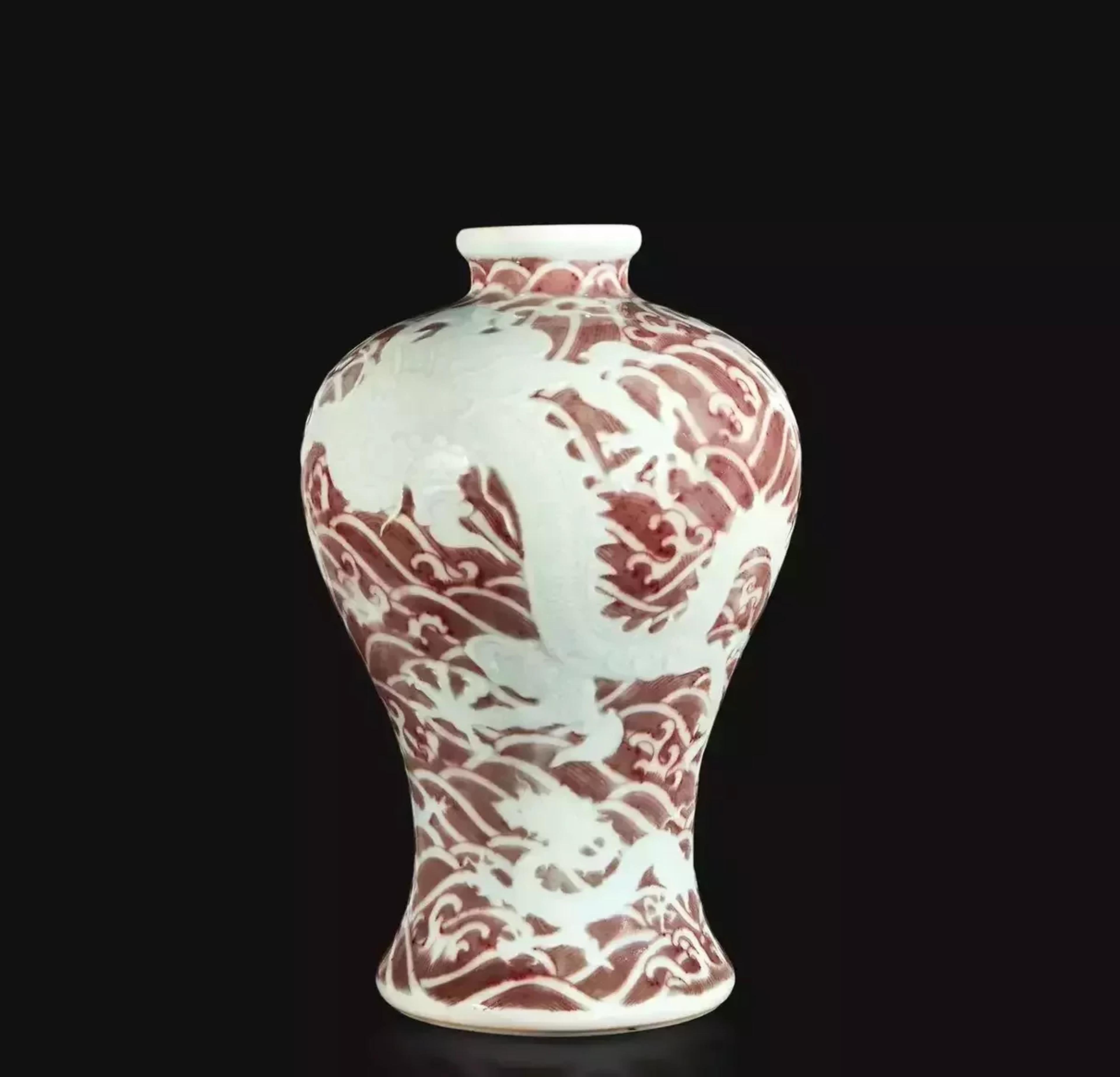
Success For Freeman’s Biannual Asian Arts Auction Freeman’s April 2021 Asian Arts auction featured lively bidding wars between online and phone buyers, resulting in many lots selling well above their pre-sale estimates, realizing $3.7 million in total with a sell-through rate of 91%. The highlight of the 138-lot auction was the sale of a red-underglaze Meiping “Dragons and Waves” vase, which realized an impressive $2.3 million, far surpassing its pre-sale estimate of $150,000–$250,000. The vase came to auction from the collection of Sheelah M. Langan (1910–1993), and is a rare example of a small group of wares made for the Yongzheng emperor. The theme of larger and smaller dragons has been related to the saying “Canlong jiaozi,” which may be translated as “the Eastern [Blue] dragon teaching his son.” This has been understood to imply both the importance of teaching the young and also to bringing one’s descendants up to succeed in court or higher office. This would certainly have been relevant for the Yongzheng Emperor who succeeded his illustrious father, the Kangxi Emperor, and in turn was to nurture the development of his own son, the Qianlong Emperor. These three Emperors collectively reigned over what may be described as a golden age for China and the Arts. “We’re absolutely thrilled that Freeman’s was able to offer such a fine and well-curated collection of Asian art, including various porcelains, jades, and other works of art,” remarked Head of Department Ben Farina. “We were particularly delighted by the reception and performance of the Meiping dragon vase, and feel fortunate to have been entrusted with a number of heirloom collections, which were passed down through several generations.”
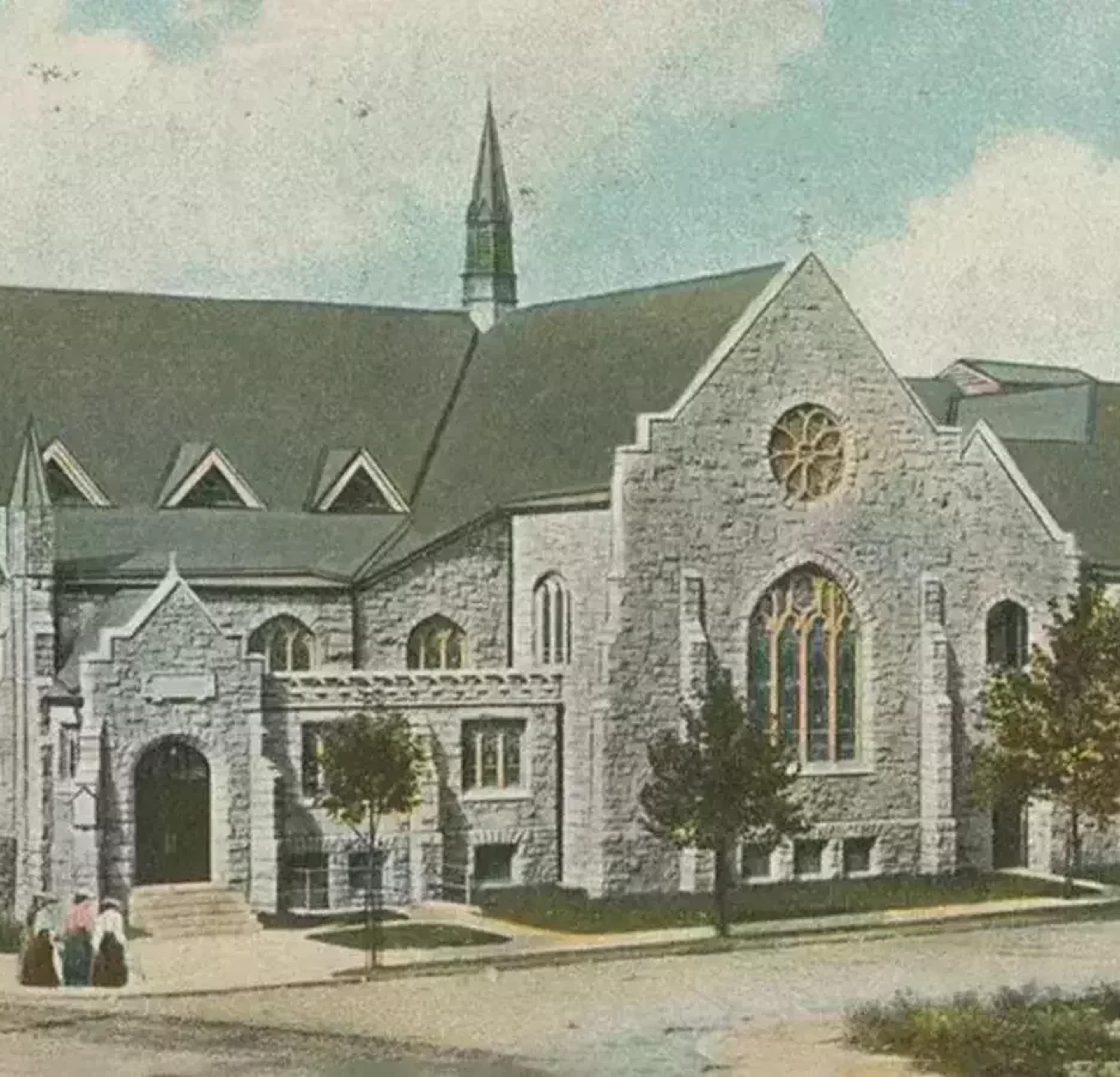
Rescued Treasures: The Magnificent Rose Windows of St. Paul's Presbyterian Church Rescued from imminent demolition, these two rose windows from St. Paul’s Presbyterian are large, complex, and unusual creations by America’s most famous art glass designer. Sited on a prominent parkside corner in the leafy streetcar suburbs of West Philadelphia, St. Paul’s Presbyterian Church bears similarities to other elaborate churches constructed during the heyday of American ecclesiastical architecture. Designed by the noted Philadelphia ecclesiastical architect Isaac Pursell in 1900, dedicated in 1901, and enlarged in 1905, St. Paul’s rusticated stone exterior was complemented by an array of leaded glass windows. Tiffany produced a variety of windows for St. Paul’s (the church is referenced in the firm’s list of window patrons published in 1910), including two stunning rose windows. The church’s Gothic Revival architecture was ennobled by the selection of these two ornamental roses. Originating with Roman oculi and Early Christian circular windows, the rose window reached its stylistic height in the 12th and 13th century cathedrals of Northern France—at Reims, Chartres, and Notre Dame de Paris. A mainstay of grand church architecture, the rose was a popular (though less frequently commissioned) window configuration offered by the Tiffany firm. The twin roses of St. Paul’s were likely commissioned around 1904 for the planned expansion and creation of an auxiliary chapel, to accommodate the affluent growing congregation and its Sunday School. The two roses were each originally set above arched tracery windows, and were located along the west and east elevations of the structure. One of the roses is inscribed “Presented by the Pansy Bible Class,” a likely reference to the church’s Sunday School, whose parents would have helped organize the associated funds for the expansion. Other prominent local Presbyterians (such as John Wanamaker, who spoke at the Church’s dedication) were also likely involved in the commission. New sources of wealth in America following the Civil War, coupled with socio-religious factors, saw the creation of new or refurbished religious edifices in the modern taste. Set high in the chapel of St. Paul’s Presbyterian, these brightly colored roses are illustrative of the aesthetic and spiritual impact Tiffany’s art in glass had on their commissioning congregations. The windows feature leaded mottled, streaky, acid-etched, and ripple glass in vibrant hues; each type of glass is employed to magnify the effect of the whole. The symbolic imagery present is minimal yet powerful: one rose is centered by a crown (representing Christ), and the other a dove (representing the Holy Spirit). When hit by the light, the layered glass reveals a cross at the center of the dove—an example of Tiffany’s ability to employ his distinct processes to heighten the emotional sensation, and deepen the meaning of his designs.
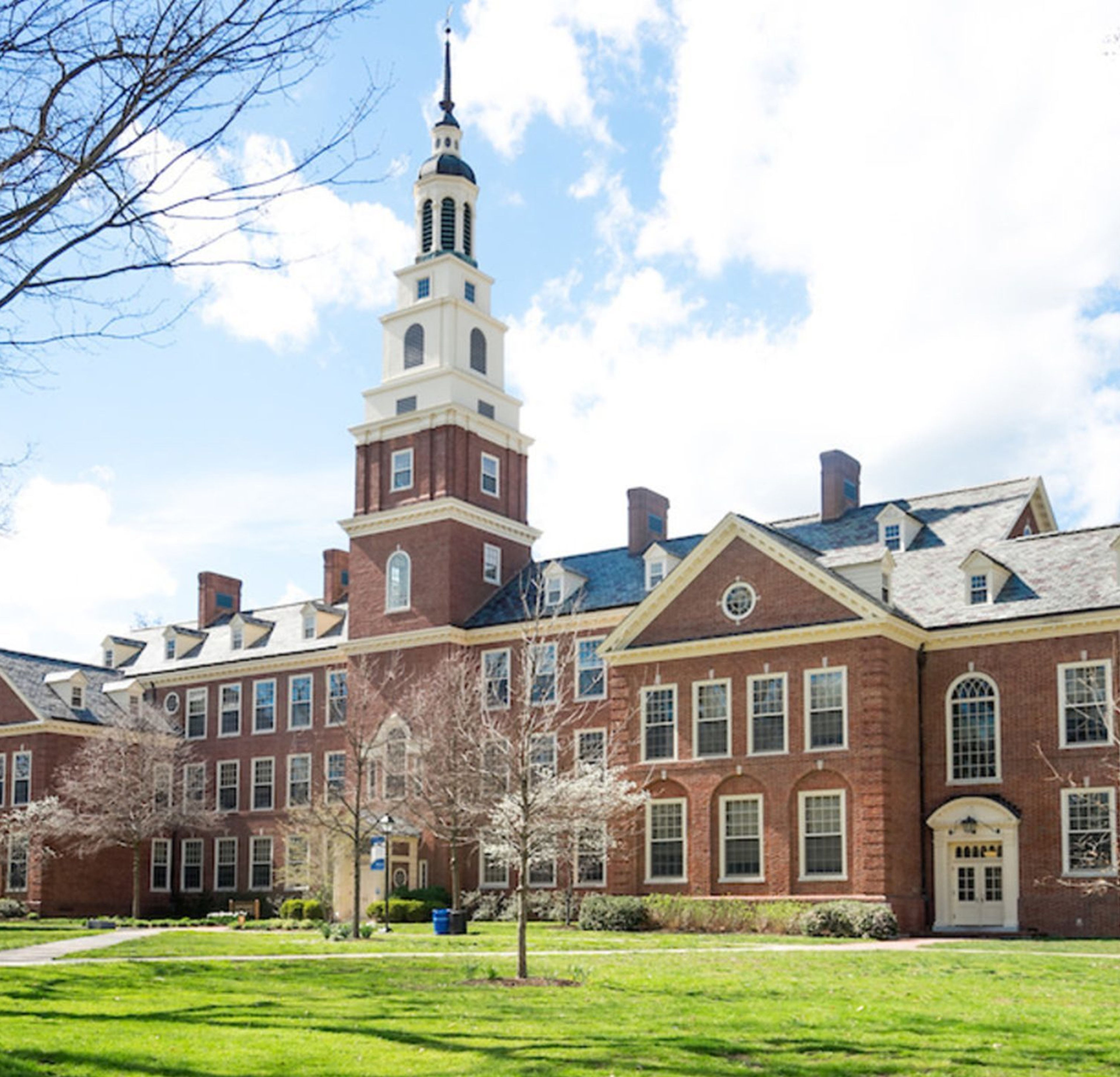
Hindman is pleased to announce the sale of Property from the Estate of Patricia Ann Black Smyth, Santa Fe, New Mexico, Sold without reserve to Benefit Berea College, Berea, Kentucky. Patricia Ann Black Smyth, born June 5, 1925 in Kansas City, MO; the daughter of the late Ernest Bateman Black and Faye Bunyan Black. She attended Miss Crosby’s School and graduated from Wellesley College in Wellesley, MA where she was a lifetime member of the Wellesley Friends of the Library Organization. She was a member of the Junior League of Kansas City, MO. Mrs. Smyth was a long-time docent at the Art Institute of Chicago. She was also a resident of Santa Fe and a major supporter of the Santa Fe Opera. Mrs. Smyth’s collecting legacy will be offered this Spring at Hindman Auctions with the proceeds to benefit Berea College, to whom Mrs. Smyth made a planned gift during her lifetime. As she resided in both Chicago and Santa Fe, her tastes spanned from European furniture and decorative arts, American made sculpture, Western motifs, chinoiserie, carved stone accessories, and many styles of décor in-between. Her collection will be included as the lead-in sessions in our upcoming European Furniture & Decorative Arts auctions, which will be taking place April 21-23, 2021. For instructions as to how to register for the auction, please visit us here at: Register at Hindman.com. Sale Information: European Furniture & Decorative Arts (865): Lots 1 – 52 Wednesday, April 21, 2021, 10:00 am CT Thursday, April 22, 2021, 10:00 am CT Click to View: April 21-22 Furniture & Decorative Arts online catalogue European Furniture & Decorative Arts (866): Lots 1000 – 1043 Friday, April 23, 2021, 10:00 am CT Click to View: April 23 Furniture & Decorative Arts Online Only catalogue A Russian Gold and Agate Bomboniere Mark of Karl Fabergé, St. Petersburg, Late 19th/Early 20th Century the body bisected with a yellow-gold band opening to a vacant interior. gold marked with ’56’ standard on interior rimHeight 1 1/2 inches. Property from the Estate of Patricia Ann Black Smyth, Santa Fe, New Mexico, Sold to Benefit Berea College, Berea, Kentucky, offered without reserve $5,000 – $7,000 A Pair of Chinese Famille Rose Porcelain Inset Hardwood Stools 20th Century each in the Ming style, the circular top inset with porcelain roundels painted to show figures in a garden setting. Height of 17 3/4 inches. Property from the Estate of Patricia Ann Black Smyth, Santa Fe, New Mexico, Sold to Benefit Berea College, Berea, Kentucky, offered without reserve Provenance: Bryan and Scott Jewelers Ltd., Colorado Springs, Colorado, 30 May 1995 $800 – $1,200 A Pair of Sèvres Style Gilt Bronze Mounted Flambe Glazed Urns Late 19th/Early 20th Century each stamped MADE IN FRANCE to the metal plate attached to the base. Height 24 inches. Property from the Estate of Patricia Ann Black Smyth, Santa Fe, New Mexico, Sold to Benefit Berea College, Berea, Kentucky, offered without reserve $400 – $600 A Louis XV Style Painted and Parcel Gilt Pier Mirror Late 19th Century Height 77 1/2 x width 50 inches. Property from the Estate of Patricia Ann Black Smyth, Santa Fe, New Mexico, Sold to Benefit Berea College, Berea, Kentucky, offered without reserve $1,000 – $2,000 An Italian Carved Cerused Wood Marble-Top Console Table Second Half 18th Century Height 34 5/8 x width 64 x depth 25 1/2 inches. Property from the Estate of Patricia Ann Black Smyth, Santa Fe, New Mexico, Sold to Benefit Berea College, Berea, Kentucky $2,000 – $3,000 A Set of Four Italian Renaissance Style Oak Side Chairs Height 34 x width 19 1/2 x depth 19 inches. Property from the Estate of Patricia Ann Black Smyth, Santa Fe, New Mexico, Sold to Benefit Berea College, Berea, Kentucky $200 – $300 A Pair of Continental Giltwood Pedestals Late 19th/Early 20th Century with marble tops. Height 52 1/4 inches. Property from the Estate of Patricia Ann Black Smyth, Santa Fe, New Mexico, Sold to Benefit Berea College, Berea, Kentucky $800 – $1,200 A. Yarnan (American, 20th Century) Circus Bear bronze signed on base and stamped Modern Art Fdry, NY on base rim Height 18 1/2 inches. Property from the Estate of Patricia Ann Black Smyth, Santa Fe, New Mexico, Sold to Benefit Berea College, Berea, Kentucky $400 – $600 Frankie Nazario Lucero (New Mexico, 20th Century) Santa Veronica, 1998 carved and painted wood signed NAZARIO 98 along the front edge of the base, further inscribed on the underside Height 20 1/2 inches. Property from the Estate of Patricia Ann Black Smyth, Santa Fe, New Mexico, Sold to Benefit Berea College, Berea, Kentucky, offered without reserve. $600 – $800

Hindman is pleased to sponsor The Heckerling Institute on Estate Planning, the nation’s premier conference for estate planning professionals. This legacy partnership is a highlight of Hindman’s programming, and this year is no different. Our Virtual Booth will be available May 3-6, 2021. As an internationally recognized leading fine-art auction house, Hindman prides itself in connecting clients to the global art market with an unyielding focus on service. Our team offers private collectors, estate professionals, and institutions a full suite of art and appraisal services including art advisory, objective recommendations, collection management, acquisition guidance, market access and insight as well as private sale opportunities and auction services. Our appraisals team is available to clients for any valuation needs, including market value, gift tax, and estate tax appraisals. Founded in 1982 and headquartered in Chicago, Hindman operates more salerooms in the United States than any other firm with 12 regional offices located in Atlanta, Cincinnati, Cleveland, Denver, Detroit, Milwaukee, Naples, Palm Beach, San Diego, Scottsdale, St. Louis and Washington D.C., giving our clients the opportunity for local as well as national relationships. We conduct over 100 auctions annually in a wide range of collecting categories such as: American Furniture, Folk & Decorative Arts Antiquities Arms, Armor & Militaria Asian Art Books & Manuscripts Clocks, Barometers & Scientific Instruments Coins, Medals & Banknotes Collectibles Couture & Luxury Accessories European Furniture & Decorative Arts Fine Art Jewelry & Timepieces Modern Design Native American, Prehistoric & Tribal Art Sports Memorabilia For over three decades, Hindman has been a trusted partner of bankers, attorneys, museums, galleries, collectors, and fiduciaries around the world by understanding and responding to their needs while achieving outstanding sales results. Click here to learn more about the full suite of offerings available. For all estate and appraisal services, please email heckerling@hindmanauctions.com.
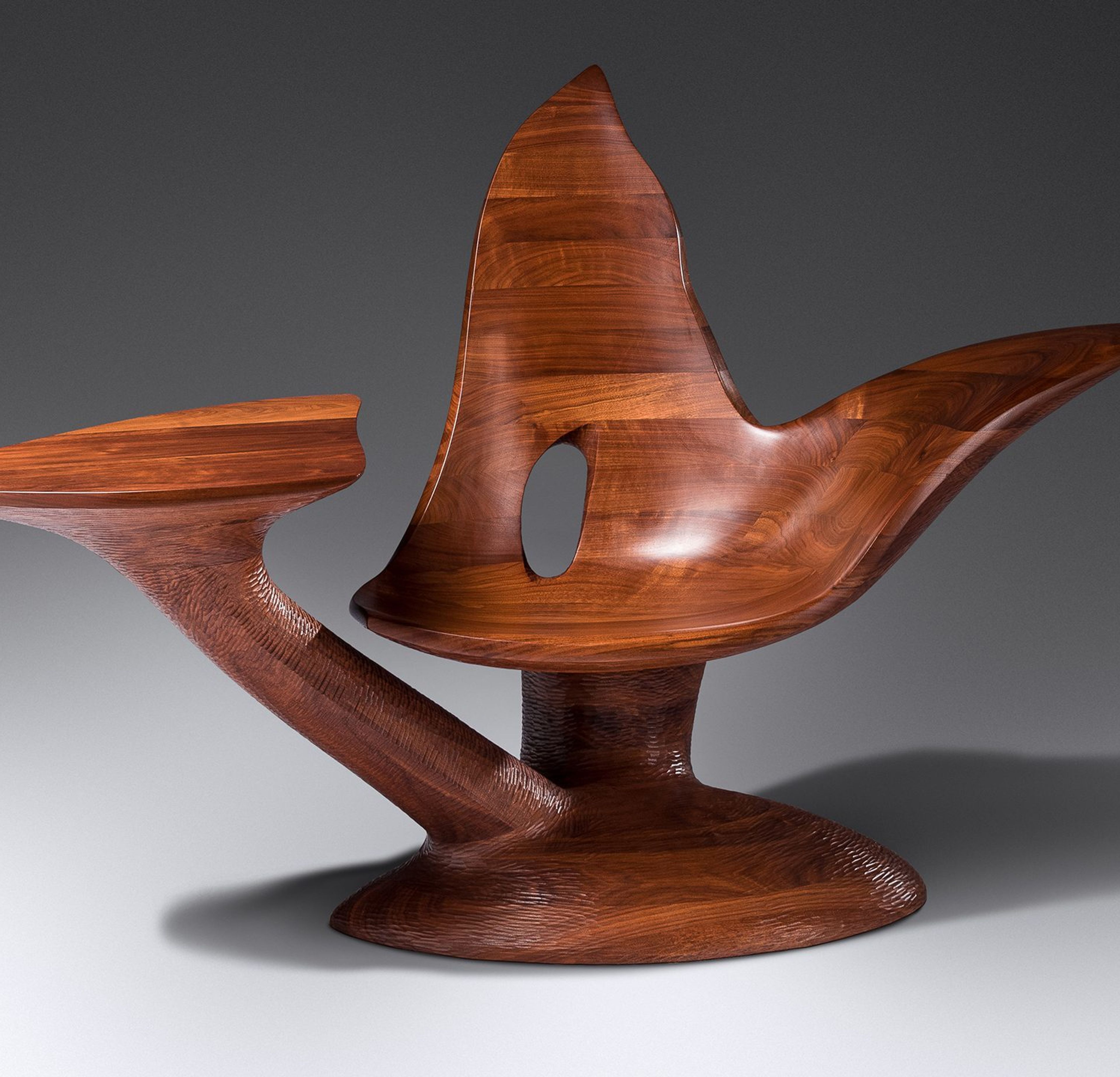
In Too Soon, Castle returns to his monumental stack lamination forms of the 1960s and 1970s while subverting a “back-to-basics” approach. During the last decade of his career, Castle synthesized his material knowledge of carving, finishing, and metal casting with newly available digital technologies of 3D scanning and CNC milling to produce the most herculean works of American furniture design. Although several of his tables and chairs from the 1960s emanate from a tree-like base, Too Soon marks the first instance of Castle using branch-like ramifications to create separate supports for a surface and a seat. This work also explores a new typology for Castle, using cut-out voids to depict negative space. Wendell Castle (1932-2018), Too Soon Chair, 2005. Estimate: $30,000 – $50,000 Harkening back to his post-modern and trompe l’oeil period, Castle unravels the ways in which form and function undergo a continual metamorphosis. Castle punctuates Too Soon with his signature chip marks which begin at the stack laminated walnut base and wrap around the chair. A scooped seat emerges gracefully from the truncated stump at the center. The chair follows the undulating forms of a landscape before terminating at an exaggerated crest. A cantilevered table radiates outwards, visually anchoring the chair at a whimsical slant. The cavity in the center recalls Castle’s most-cited influences of Henry Moore, Jean Arp, and Constantin Brancusi, who demonstrated an almost tacit knowledge of sculptural form. Angel of Blind Justice Chair, gift of Carolyn and Robert Springborn to The Museum of Fine Arts in Boston, 2012. Before acquiring Too Soon in 2007, Robert and Carolyn Springborn’s friendship and patronage of Castle extended back to the days at Peter Joseph Gallery. Another seminal work at the cornerstone of the Springborn’s collection was the Angel of Blind Justice chair from the Angel Chairs series (1990-1991) that they gifted in 2012 to the Museum of Fine Arts Boston (accession no. 2011.2132). Together these works presided over the Springborn’s home, albeit briefly, tying the lineages of Castle’s career through the decades. Featured Work: Wendell Castle (1932-2018), Too Soon Chair, 2005. Estimate: $30,000 – $50,000
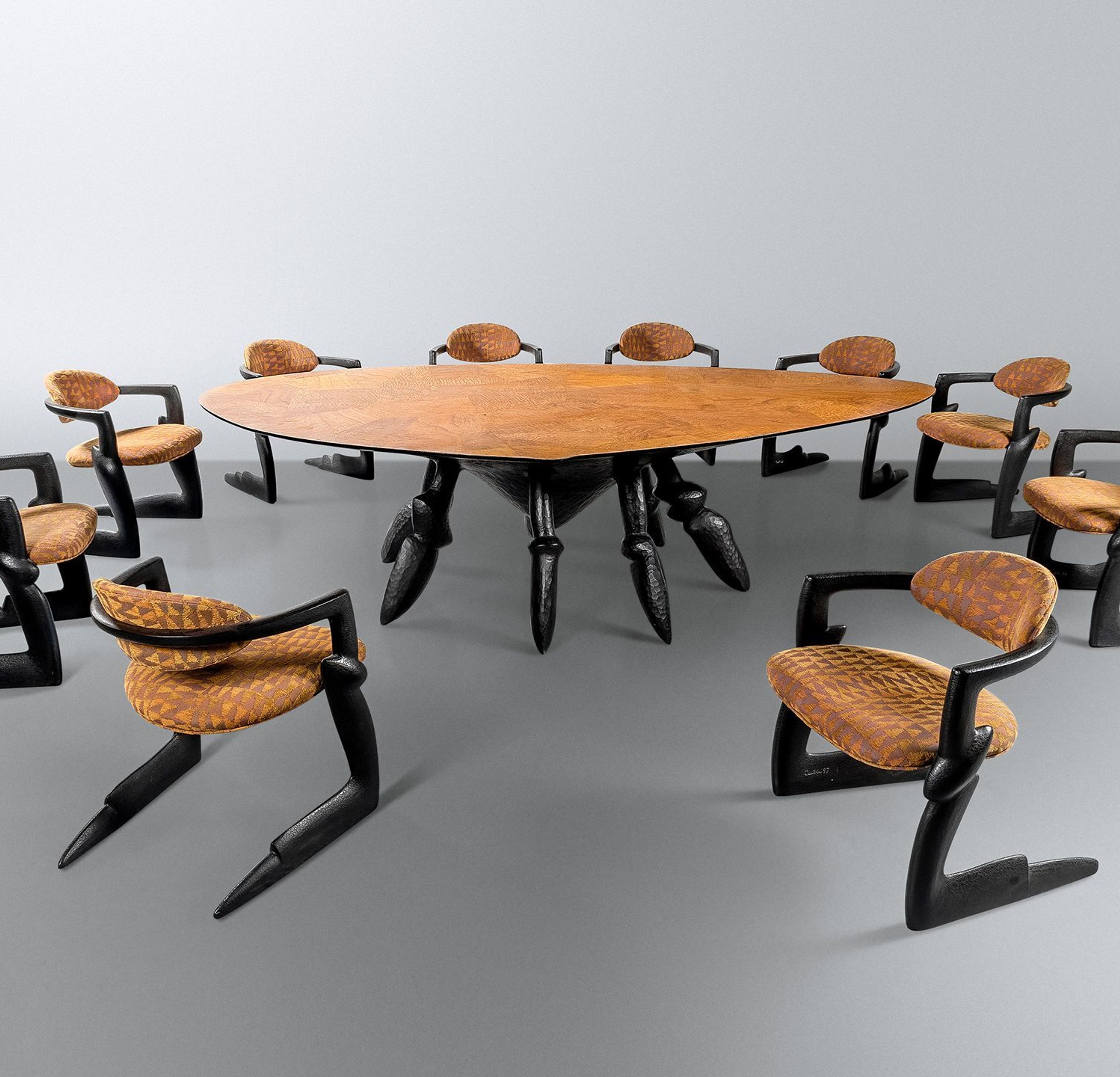
As furniture forms go, dining tables are hard to get right: a horizontal expanse that hides the undercarriage from view, surrounded by a set of chairs further prevents the table from making a statement. Yet the dining table is also one of the most important pieces of furniture in a home, a social object, around which conversation, family and friendship form. By Glenn Adamson Lot 46 | Wendell Castle (1932-2018), Seven Days of the Week Dining Table and Ten Chairs, 1997. Estimate: $60,000 – $80,000 Wendell Castle, never one to shy from a challenge, returned to the typology often. He first tackled it in 1966, making three similar dining tables in walnut, one for his own use. All featured an ingenious means of opening up the form: a central aperture yielding a view down to a sculpted pedestal. These works exploit Castle’s signature stack lamination technique, which freed him from conventional joinery and allowed him to compose freely in space. Four decades later he returned to this idea for a dining table that he nicknamed the “hole in one.” (It was made for the 2015 exhibition Wendell Castle Remastered, at the Museum of Arts and Design.) It sports a triad of conical supports, the tallest seven feet high, and a top that extends outward in a long cantilever. The design was achieved with CNC carving, which Castle employed to hollow out the wooden top, then filling it with hard light foam, and overlaying a veneer. The result is a featherlight shape that extends breathtakingly into midair. Lot 47 | Wendell Castle (1932-2018), Seven Days of the Week Cabinet, 1997. Estimate: $15,000 – $25,000 Right at the midpoint between these two moments, in 1997, Castle created his Seven Days of the Week suite for the Springborns. He was on an impressive run, having just realized his monumental Star Cabinets (shown to great advantage at Peter Joseph Gallery in 1995). The strong organic silhouette of these designs is reprised in a more articulated form in the Seven Days pieces, all of which have legs suggestive of an arthropod’s. In the dining table, the legs stage a vivid contrast with the smooth asymmetrical top, recalling midcentury biomorphic designs by Isamu Noguchi. The accompanying chairs feature continuous frames, running along the floor, up, around, and back again. Castle made many variations on this low-slung format enacts a sort of visual lean, yielding pride of place to the majestic table and its sculptural base. Yet another wholly original solution, from a wholly original designer. Glenn Adamson is a curator and writer who works at the intersection of craft, design history, and contemporary art. He has previously been a Senior Scholar at the Yale Center for British Art, Director of the Museum of Arts and Design; Head of Research at the V&A; and Curator at the Chipstone Foundation in Milwaukee. Adamson’s new book, “Craft: An American History,” examines how makers, carpenters, and blacksmiths took on the central role in shaping America’s identity. Featured Work: Wendell Castle (1932-2018), Seven Days of the Week Dining Table and Ten Chairs, 1997. Estimate: $60,000 – $80,000
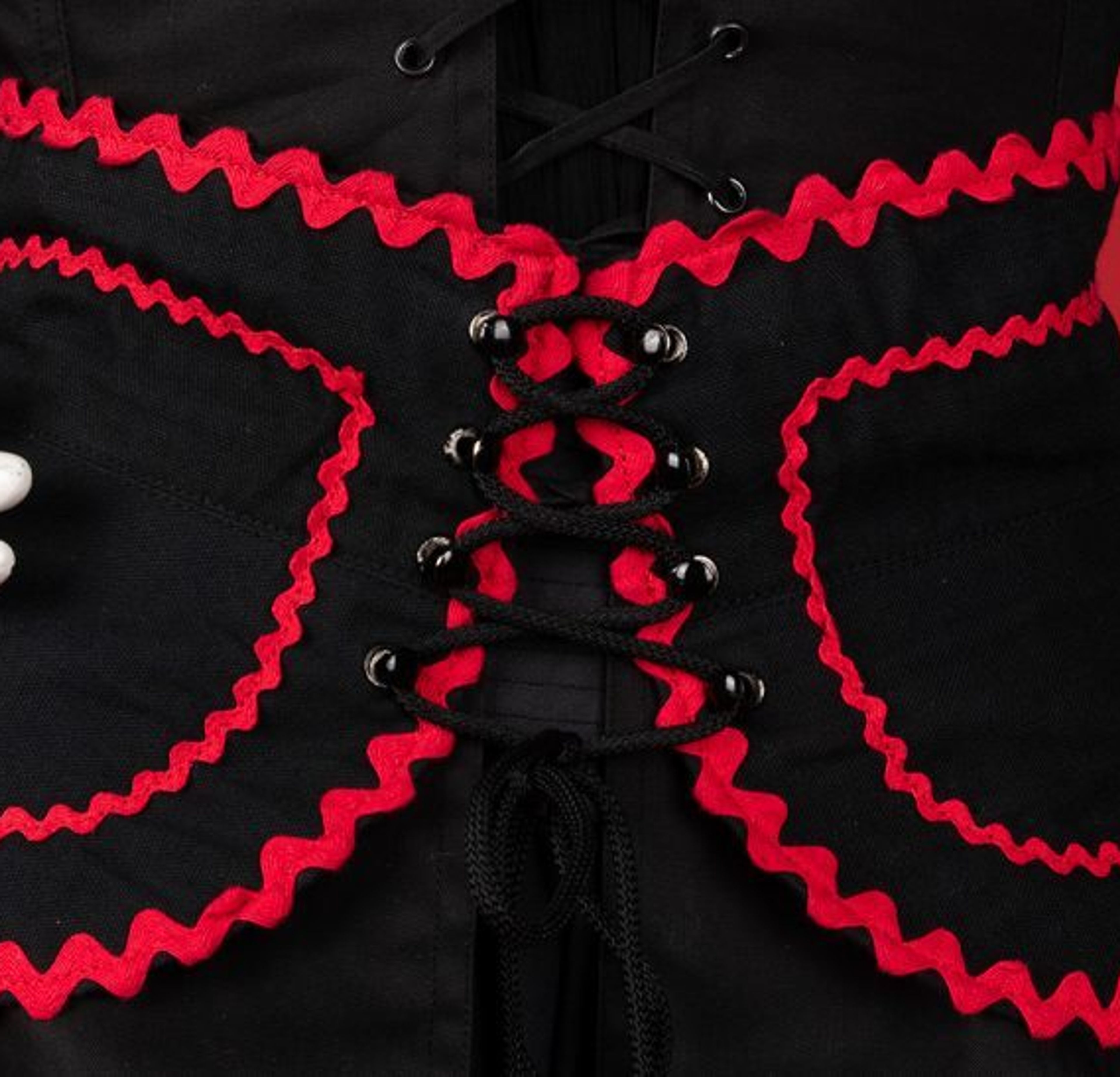
PARIS, July 28—Yves Saint Laurent presented a fall couture collection today that will change the course of fashion around the world. It is as stunning in its impact as the collection Christian Dior showed in 1947, the one that came to be known as the New Look and affected the way women dressed everywhere.[i] So declared the New York Times in the summer of 1976, following the debut of Yves Saint Laurent’s Russian collection. In most instances, a work’s profound impact is recognized in hindsight. Rarely is its effect so immediate, as was the case that July. Saint Laurent’s was a show of extravagance in rich fabrics and sumptuous colors. “The new turn – the new excitement – in fashion is the new feeling for ornamentation. It’s the fashion breeze that started at Saint Laurent,” said Vogue, thus igniting a trend of more drama and ornamentation than the prevailing American style had seen in years. Presented in haute couture and adapted for Rive Gauche, the impact of this collection was fast and widespread. Until this point, American collections had been reserved and polished, even restrained. This explosion of color marked a changing tide in fashion, one that the fashion press celebrated as a shift in women’s wardrobes, even calling it Saint Laurent’s New Look.[ii] The New York Times was visionary in its assessment of the collection. From the collection of Martha Smith Simpson, lot 8 is a rare example of a complete ensemble from Yves Saint Laurent’s 1976 Peasant Rive Gauche collection. Featuring a crepe blouse, laced corselet, a belt and a skirt embellished and trimmed with red and green rickrack, it captures the intoxicating appeal of this moment in fashion. Billowing sleeves, long skirts and eclectic details are laced and cinched at the waist, feminine and romantic. “In a room full of people, the woman in an understated style has a tough time attracting attention,” said American designer Bill Blass in 1976. “It’s hard to get away with a simple chiffon or jersey dress these days. The dress has to look important.”[iii] This collection, replete with glimmering taffetas, rich velvets and topped with headscarves, showed a side of feminine fashion that brought the allure of the nostalgic and the exotic. Color and romance prevailed, carrying out Saint Laurent’s dream of another place and time. In his search for something new in fashion, Saint Laurent relied on the French belief in the eternal: following in the path of Delacroix, Ingres, Poiret, visions of the non-French, of the Other, bring to fashion an exotic, intoxicating glamour.[iv] Like his predecessors in fashion and the visual arts, Saint Laurent’s search for the modern borrows from the past, from imaginary voyages to faraway lands. He did not travel to Eastern Europe in the years prior; instead, he drew from Sergey Diaghilev’s Ballets Russes of the 1910s and 1920s, and Dr. Zhivago, 1965. Inspired by visions of Russia from film and fantasy, the result is culturally hybrid and of indeterminate origin. “For the day,” the designer said, “everything starts with traditional cuts from Russia, Czechoslovakia, Austria, Morocco. From there comes this naiveté of the cut which makes it youthful, with the color.”[v] In 1976, the “new” in Parisian haute couture was derived from tradition and folklore, reanimated and reimagined. Art critic Pierre Schneider, in the same year, observed, “Here we can see how artful fashion has become in its interpretation of history. It is not a nostalgia for the past, but for the eternal present, beyond the past.”[vi] As audiences were swept away by the romance of the collection, some raised doubts about its relevance to normal life.[vii] For a show that sought to transport and transcend, it cannot be divorced from its political context. Saint Laurent envisioned the Russian peasant class with a sense of ease and detached nostalgia during a time of global tensions between the Soviet Bloc and the West. The Russian collection reimagined, for European audiences, a peasant class subject to Soviet control in the midst of a Cold War. Off the runway, art, fashion, and international relations intertwine and exist in real space and time. By the winter of 1976, the United States and the USSR had agreed to a series of five major art exchanges between American and Soviet museums through 1980. This monumental agreement was an intentional and calculated attempt at a détente between the nations via increased “cultural contacts.”[viii] With material from Russian museums, The Metropolitan Museum of Art in December of 1976 opened the exhibition “The Glory of Russian Costume.” Notably, alongside displays of embroidered peasant dress and royal couture, “in honor of the occasion, a number of women… wore bouffant colorful tiered or ruffled taffeta dresses from Yves Saint Laurent’s widely publicized peasant collection.”[ix] At the time of its debut, the fashion press anticipated that this collection would change the course of fashion. By the time it was adapted for Rive Gauche boutiques, stockists struggled to keep up with demand. Since the spring of 1977, when the Peasant collection became available for Rive Gauche, its silhouette became the look for fashionable women in the evening. This was the same season when Neiman Marcus in Northbrook, Illinois opened its own Rive Gauche boutique, where the late Mrs. Simpson likely purchased her own ensemble.[x] Doubts about the peasant collection’s wearability were assuaged as soon as it became available for retail. The dream of fashion becomes lived experience, and, available through Rive Gauche, enables every woman to participate. Saint Laurent’s eastward voyage intertwines imagination with custom, showing that the true luxury of fashion is the freedom to be transported. For Schneider, “What Saint Laurent has done, with his latest collection, is to remind us that fashion, in its radical form of haute couture, is costume…His Albano-Circassians and Slavo-Touaregs proclaim that haute couture can only be, in its looks, what it already is from the standpoint of economics: impossible.”[xi] Between the imagined past and the lived present is where the fantasy of fashion resides. For the fashionable woman’s wardrobe, Saint Laurent offers newness in the form of tradition and a belief in the unchanging. High fashion emerges from folklore and reverie, and makes visible that it is implicitly contingent, responsive, and political. Lot 8, A Rive Gauche Peasant Ensemble, is available in Spring Fashion: A Century of Couture on March 18. [i] “A Revolutionary Saint Laurent Showing,” The New York Times (New York, NY), July 28, 1976, p. 1. [ii] Ibid. [iii] Bernadine Morris, “Nights Still Thrive,” The New York Times (New York, NY), December 27, 1976, p. 50. [iv] “‘Opéras – Ballets russes’ Collection,” Musée Yves Saint Laurent Paris, March 14, 2021, https://museeyslparis.com/en/biography/collection-opera-ballets-russes-ah [v] Ibid. [vi] Pierre Schneider, “The Assurance of Dreams,” Vogue (New York, NY), September 1976, p. 228. [vii] “A Revolutionary Saint Laurent Showing,” p. 1. [viii] David K. Shipler, “Moscow and Met Museum Agree on 5 Art Exchanges,” The New York Times (New York, NY), August 30, 1975, p. 1. [ix] Bernadine Morris, “Metropolitan Toasts a Dazzling Russia of Old,” The New York Times (New York, NY), December 7, 1976, p. 1968. [x] Genevieve Buck, “Rive Gauche Boutiques are Blossoming in Chicago,” Chicago Tribune, (Chicago, IL) March 14, 1977, Accessed February 24, 2021, p. B3. [xi] “The Assurance of Dreams,” p. 228.
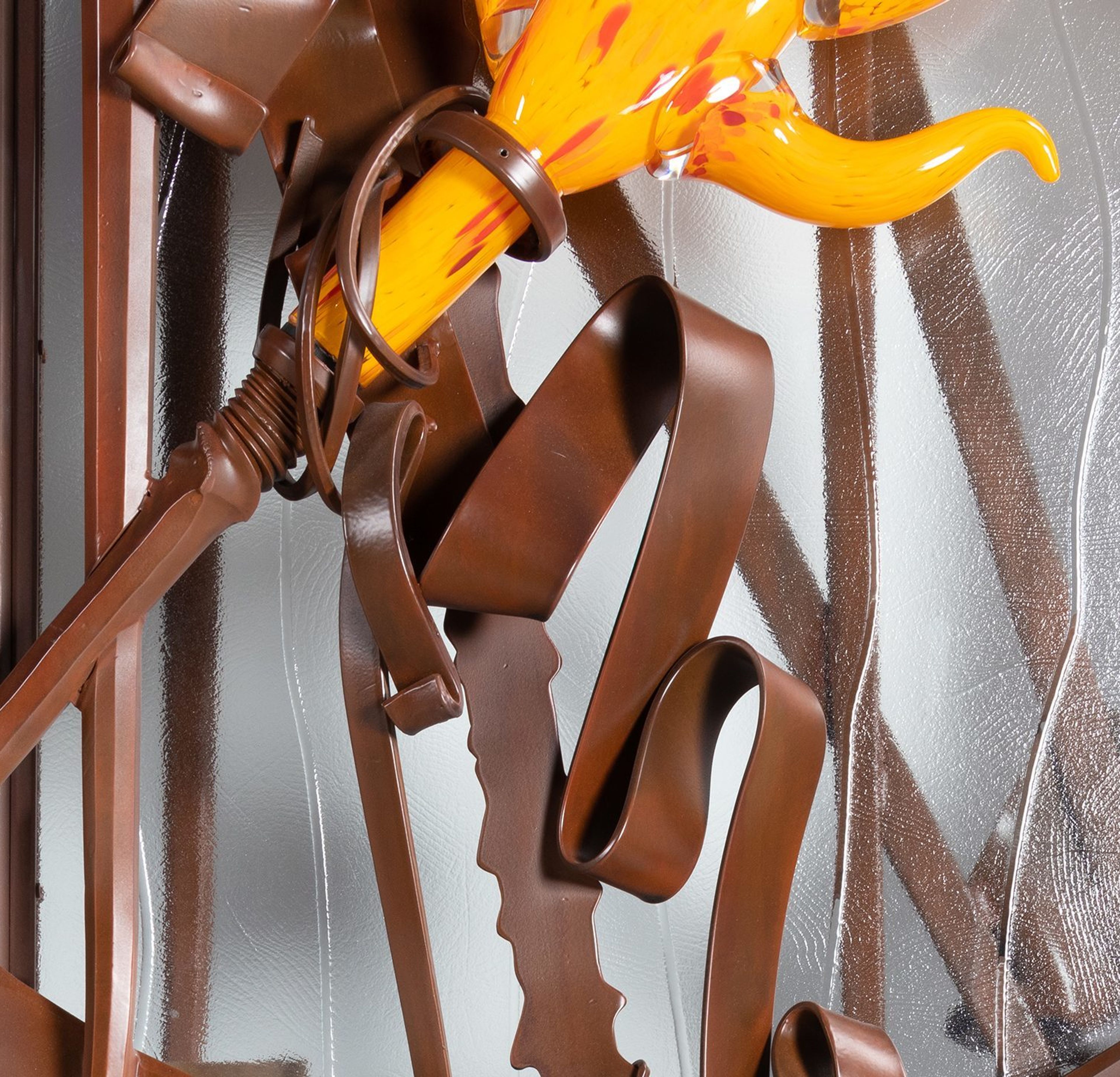
Art-curious visitors to the home of Robert and Carolyn Springborn didn’t have long to wait. They were greeted right at the entrance by one of the collection’s most spectacular works: this pair of doors by Albert Paley. By Glenn Adamson This artist will need little introduction as one of the preeminent American sculptors of the last half century. He is also the nation’s leading blacksmith – a craft that nearly died a century ago, with the advent of the automobile (countless smithies closed, or were converted to mechanic shops), but had a dramatic return in America, marked by the founding of the Artist-Blacksmith Association of North America (ABANA) in 1973. Paley, already renowned for his work in jewelry, was the clear artistic leader of this renaissance. Lot 37 | Albert Paley (b. 1944), Important Entrance Doors, 2004, glass elements executed by Martin Blank. Estimate: $30,000 – $50,000 Paley’s great early masterwork was a set of gates, which won a competition for the then-new Renwick Gallery in Washington. The project made his fame, launching his career as an architectural-scale metalworker. The Springborns’ entrance doors, made three decades later, show how he progressed from that early success. The Renwick gates are composed of delicate tendrils, which fling themselves up the center of the composition and then curl away into numerous whorls and squiggles, suggesting that ancient mythological emblem, the Tree of Life. The Springborns’ doors feature a similar concentration in the lower central passage, but there the resemblance ends: the composition is disjunctive rather than sinuous, with something of the jagged, explosive vocabulary seen in Paley’s contemporaneous public sculptures. Lot 37 | Albert Paley (b. 1944), Proposal Drawing for Entrance Doors The doors are further enlivened by the incorporation of glass elements, made by Paley’s frequent collaborator Martin Blank, an important figure in the circle of Dale Chihuly (who did for glass what Paley did for metal, transposing it several keys upward into a spectacular, baroque sculptural medium). Blank’s polychrome glass introduces a lightness of gesture to the doors, like brushstrokes standing out against an intensely worked backdrop. The effect is gloweringly theatrical, bringing to mind the paintings of Clyfford Still, or, closer to Paley’s heart, the avatars of French Art Nouveau, such as Hector Guimard. Such comparisons aside, the doors show Paley himself operating at the height of his powers. With a true sense of dramatic occasion, the portal promises marvels that might lie beyond – that was certainly the case at the Springborn residence – while also constituting a wonder in its own right. Glenn Adamson is a curator and writer who works at the intersection of craft, design history, and contemporary art. He has previously been a Senior Scholar at the Yale Center for British Art, Director of the Museum of Arts and Design; Head of Research at the V&A; and Curator at the Chipstone Foundation in Milwaukee. Adamson’s new book, “Craft: An American History,” examines how makers, carpenters, and blacksmiths took on the central role in shaping America’s identity. Featured Work: Albert Paley (b. 1944), Important Entrance Doors, 2004, glass elements executed by Martin Blank. Estimate: $30,000 – $50,000
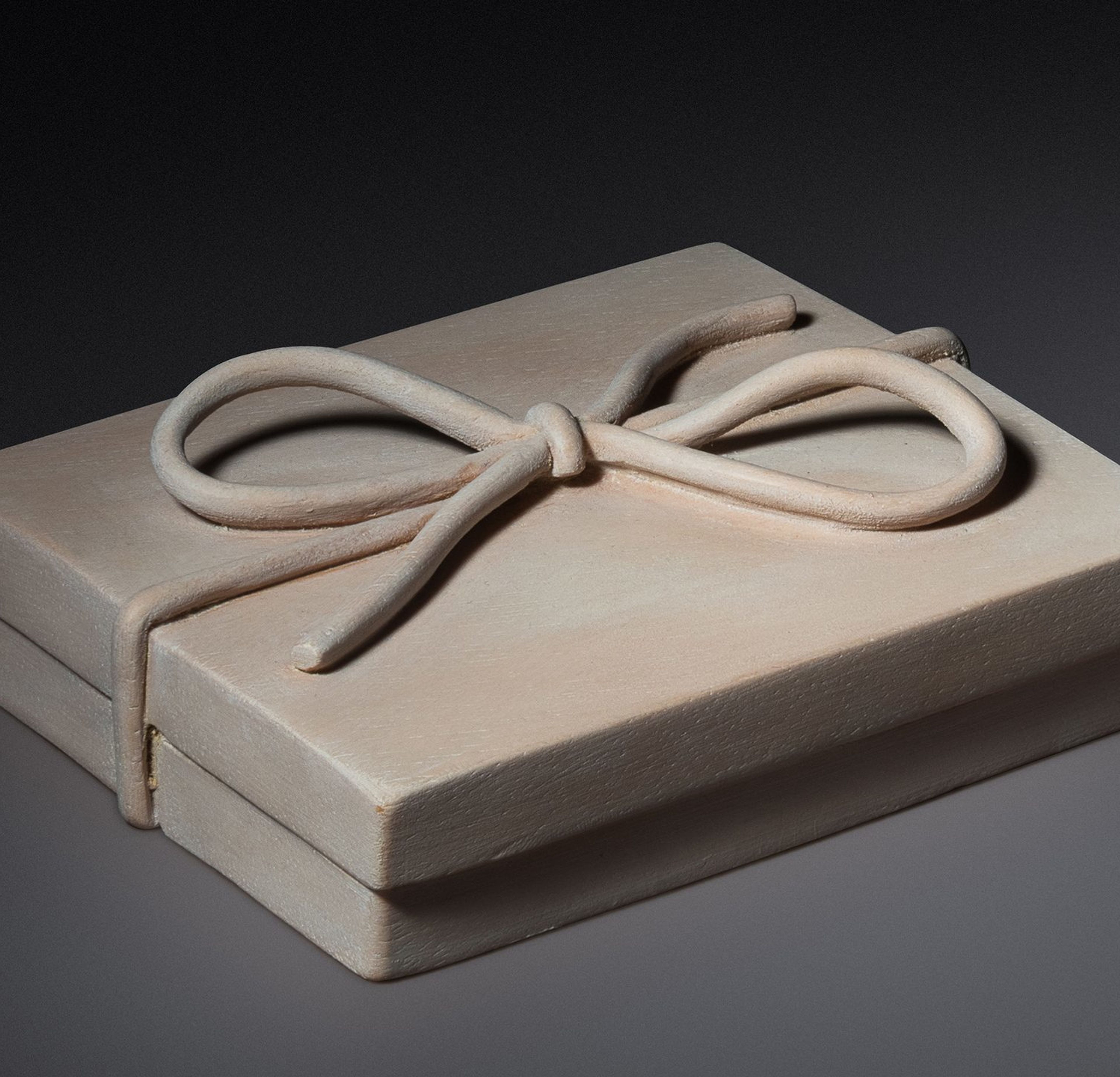
Art movements come and go with the regularity of the tide, with currents pulled along by a few key innovators, others following in their wake. Such was certainly the case with studio furniture. As a way of working, it had antecedents in the Arts and Crafts era. By Glenn Adamson Left: Sam Maloof (1916-2009), Rocking Chair, 1993. Estimate: $20,000-$30,000. Right: Sam Maloof (1916-2009), Pedestal Table, 1993. Estimate: $4,000-$6,000. But it was not until the mid-century era that it began to take a recognizable shape: one maker (perhaps with a couple of assistants) creating self-designed, expressive furniture, entirely by hand. Even by the late 1950s, the main exponents of this approach – men like Wharton Esherick, George Nakashima, and Sam Maloof – did not even know one another. So it can hardly be said to have been a movement. Nonetheless, a definite new approach to furniture-making was in the air, based in the values of independence, experimentation, and creativity. With the emergence of Wendell Castle on the scene in the 1960s, the sculptural implications of this early activity – its artistic potential – gradually became clear. And with the maturation of the field, part of a general advancement of craft in America, studio furniture makers came to recognize themselves as a breed apart. Their efforts paralleled developments in ceramics, fiber, glass, and metal, yet remained particular to some degree. The sheer scale of furniture meant that collectors were few; studio-based makers worked mostly on commission, for private clients. Left: Wendell Castle (American, 1932-2018), Vargo Clock, 1995. Estimate: $2,000-$4,000. Right: Wendell Castle (1932-2018), Three-Star Console Table, 1996. Estimate: $8,000-$12,000. For a brief time, at the crest of the wave, these conditions decisively altered: the country’s most accomplished makers suddenly had an unprecedented opportunity to pursue their visions. The man who made this possible was Peter Joseph, an investment banker with a love of art, who opened his eponymous Manhattan gallery in 1991. It was more a patronage structure than a commercial proposition: Joseph’s goal was to elevate the field, offering his moral and financial support to the best furniture makers in the country. With Castle as a presiding eminence, younger figures – among them Tom Hucker, Wendy Maruyama, Alphonse Mattia, and Ed Zucca – made extraordinarily ambitious work, stylistically poised at the edge of postmodernism, but with a dedication to craftsmanship typically absent from that (other, larger) movement. Cabinetmaking in wood was the main focus at the gallery, but space was also made for Albert Paley – America’s leading blacksmith – as well as object makers like Michelle Holzapfel. Left: Right: Thomas Hucker (b. 1955), Slatted Table, 1991. Estimate: $2,000-$4,000. Right: Alphonse Mattia (b. 1947), Architect’s Valet, 1991. Estimate: $3,000-$5,000. Robert and Carolyn Springborn encountered studio furniture before they ever stepped into Joseph’s space. The initial spark was the Museum of Fine Arts, Boston, exhibition New American Furniture (1989), curated by Edward S. Cooke, Jr. (He soon went on to Yale University, training a generation of craft scholars, including myself.) This show had a straightforwardly effective premise. Each invited artist created a work in response to a historic object in the museum’s collection, a conceit that highlighted both continuities with and departures from tradition. Left: Edward Zucca (b. 1946), Mail Me to Heaven, 1990. Estimate: $800-$1,200. Right: Jay Stanger (b. 1956), Stand at Ease, 1993. Estimate: $2,000-$4,000. The Springborns demonstrated their adventurous taste, at the MFA show, by falling in love with the explosively colorful work of Jay Stanger; they immediately ordered a chair from him. That direct pathway was typical for them, and other craft collectors of their generation. They prized the relationships that they built with furniture makers; one could fairly say that as their home filled with exuberant chairs, tables, and cabinets, they felt surrounded by friends. But pursuing this new interest also led them straight to Peter Joseph, and it was through him that they came to know the work of Castle and Paley, which they went on to collect in particular depth. Maruyama was another favorite, for her puckish cross-cultural aesthetic statements. Left: John Cederquist (b. 1946), Little Waves Attempting the Rope Trick, 2004. Estimate: $8,000-$12,000. Right: Judy Kensley McKie (b. 1944), Butterfly Cabinet, 1993. Estimate: $2,000-$4,000. The Springborns also explored beyond the confines of Joseph’s program, acquiring several pieces each by the consummate master of zoomorphic design, Judy Kensley McKie, and by the California trompe l’oeil ironist John Cederquist. This commitment to the field was unusual, to say the least – Castle himself said, “I can’t think of anyone who has collected more in-depth than they have” – and was recognized by a 2009 exhibition and accompanying catalogue, Living With Studio Furniture, organized at the Naples Museum of Art, near their Florida home. The present offering of material from the Springborns’ collection is a valuable cross-section of a magical time, for them personally and the field at large. Joseph was tragically forced to close his gallery after only six years, due to illness (he died of cancer in 1998). Yet studio furniture would retain its vitality for some years to come, with an organization devoted to the field, the Furniture Society, founded in 1996. Twenty-five years on, the landscape has shifted. New galleries arriving on to the scene, like Carpenters Workshop, Friedman Benda, and R & Company, have emphasized the radical design context rather than that of studio craft, implying a European rather than American lineage for their concerns. Younger makers, likewise, tend to consider themselves either designers or artists first and furniture makers second. Yet in many ways, the propulsive energies that were set in motion by the midcentury generation – their emphasis on individual creativity, and the idea of furniture as an opportunity for self-expression – can still be felt in contemporary practice. The Springborns were lucky enough to be there when the studio furniture field crested to its height. And smart enough to catch the wave. Glenn Adamson is a curator and writer who works at the intersection of craft, design history, and contemporary art. He has previously been a Senior Scholar at the Yale Center for British Art, Director of the Museum of Arts and Design; Head of Research at the V&A; and Curator at the Chipstone Foundation in Milwaukee. Adamson’s new book, “Craft: An American History,” examines how makers, carpenters, and blacksmiths took on the central role in shaping America’s identity. Featured Image: Wendell Castle (1932-2018), Ceci n’est Pas un Cadeau (This is Not a Gift) Carved Box, 2001. Estimate: $1,5000-$2,5000.