To request further details about this lot, please email Fineart@freemansauction.com
Please email Fineart@freemansauction.com for any additional information or questions you may have
Sale 6500
| New York
| New York
To request further details about this lot, please email Fineart@freemansauction.com
Please email Fineart@freemansauction.com for any additional information or questions you may have
Estimate$80,000 – $120,000
Note to Buyer: This work is sold in-situ and is currently located in Tallahassee, Florida. All costs associated with the shipment and transportation of this work from its present location shall be the sole responsibility of the buyer.
Provenance:
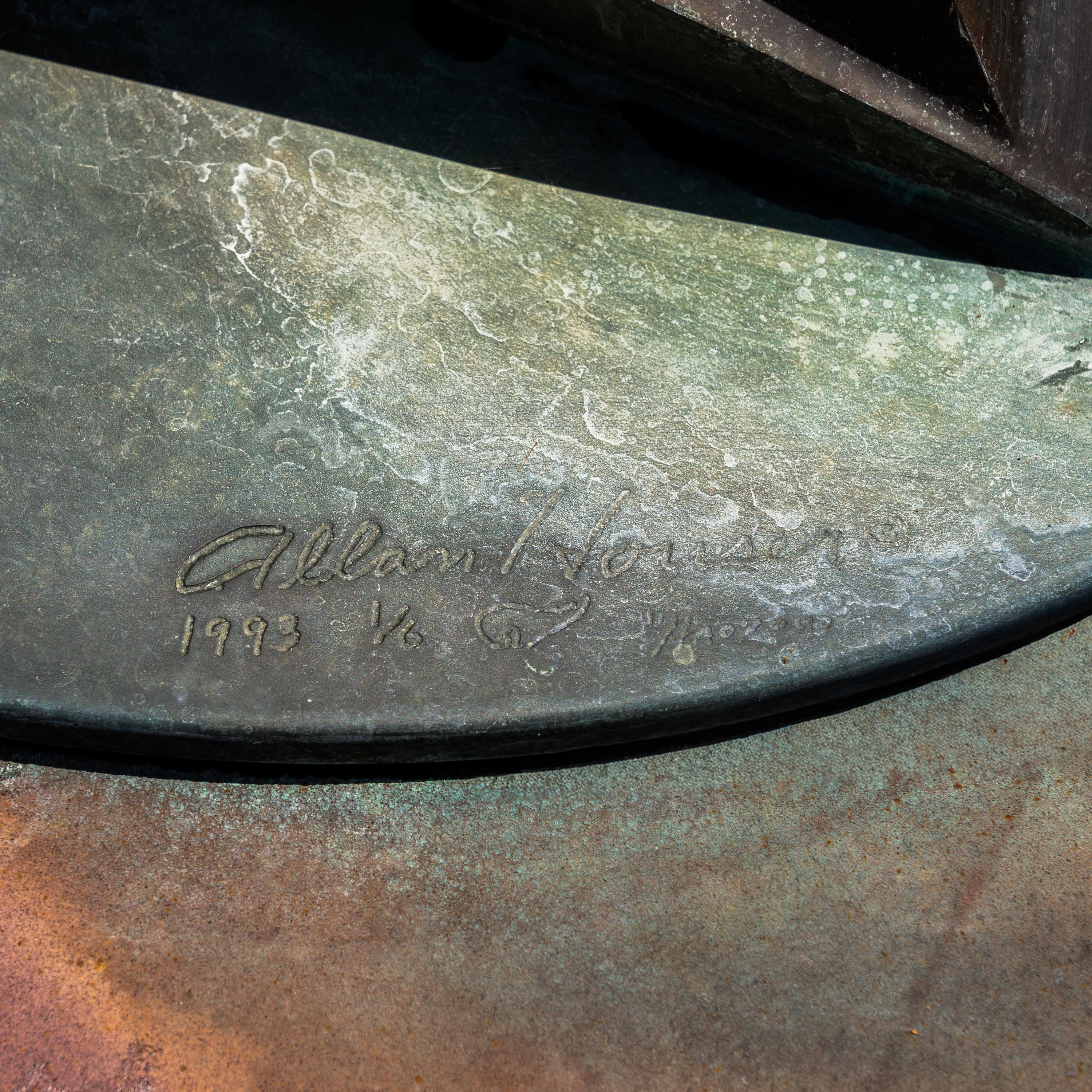
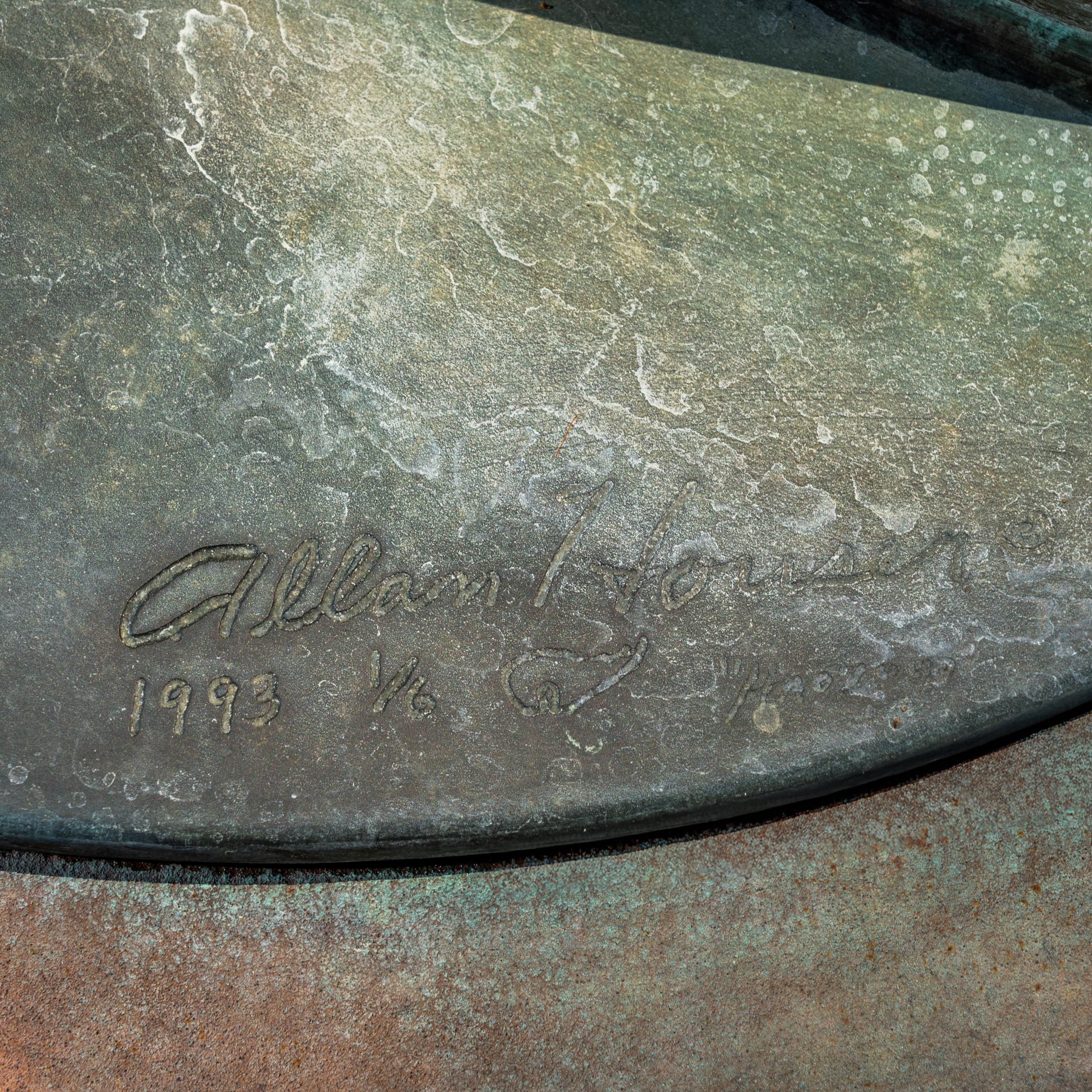
Allan Houser, Inc.
Acquired from the above by the present owner in 2001
Lot Note:
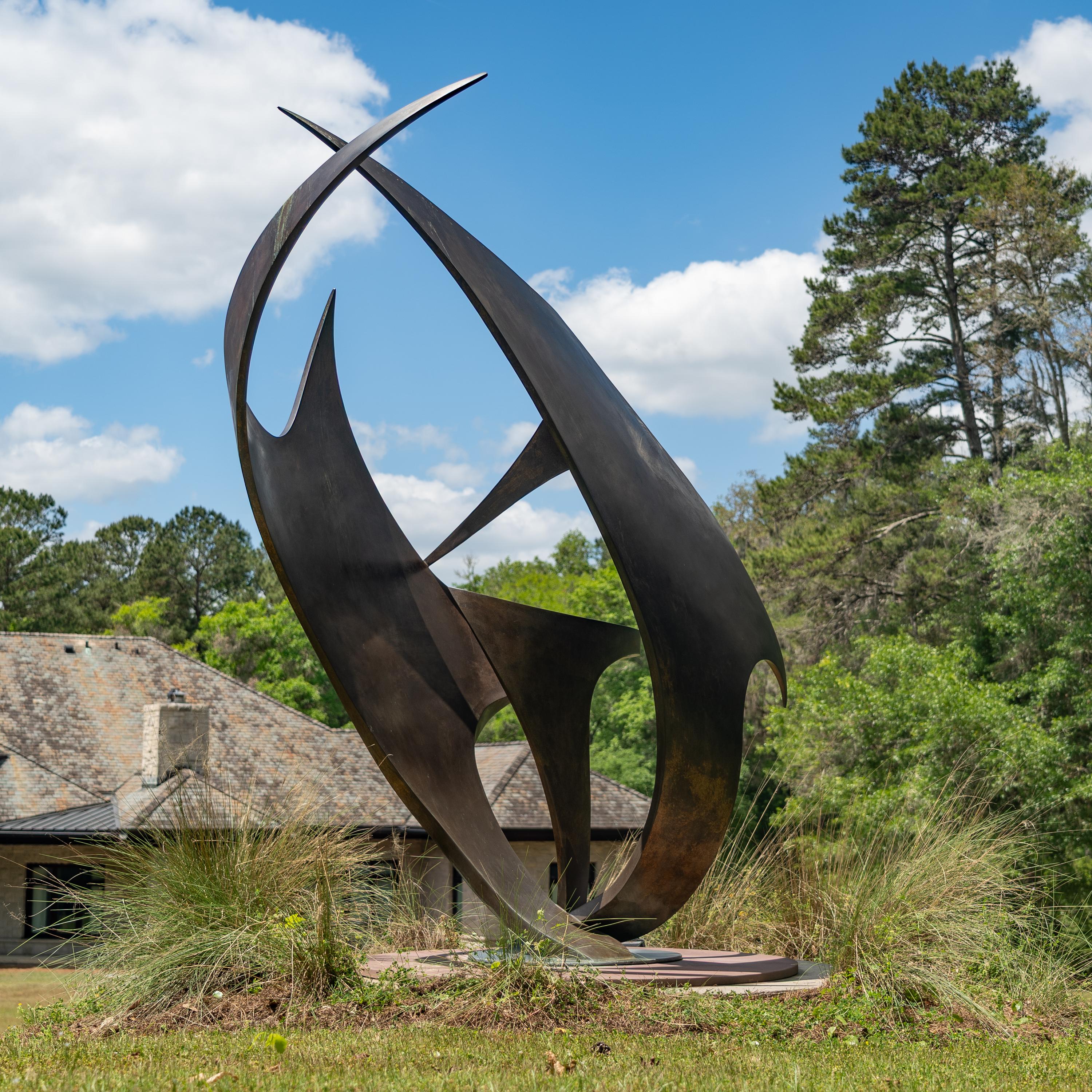
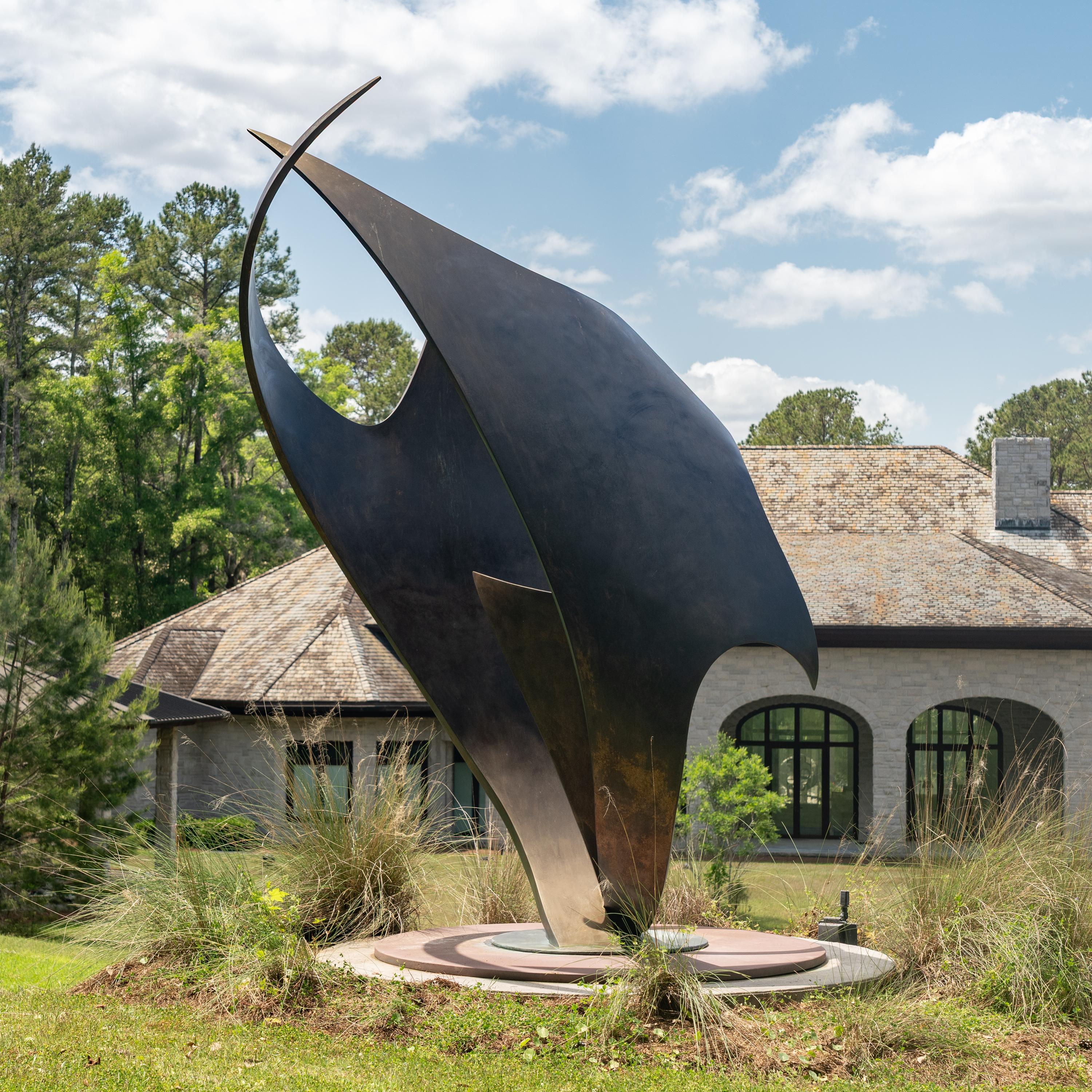
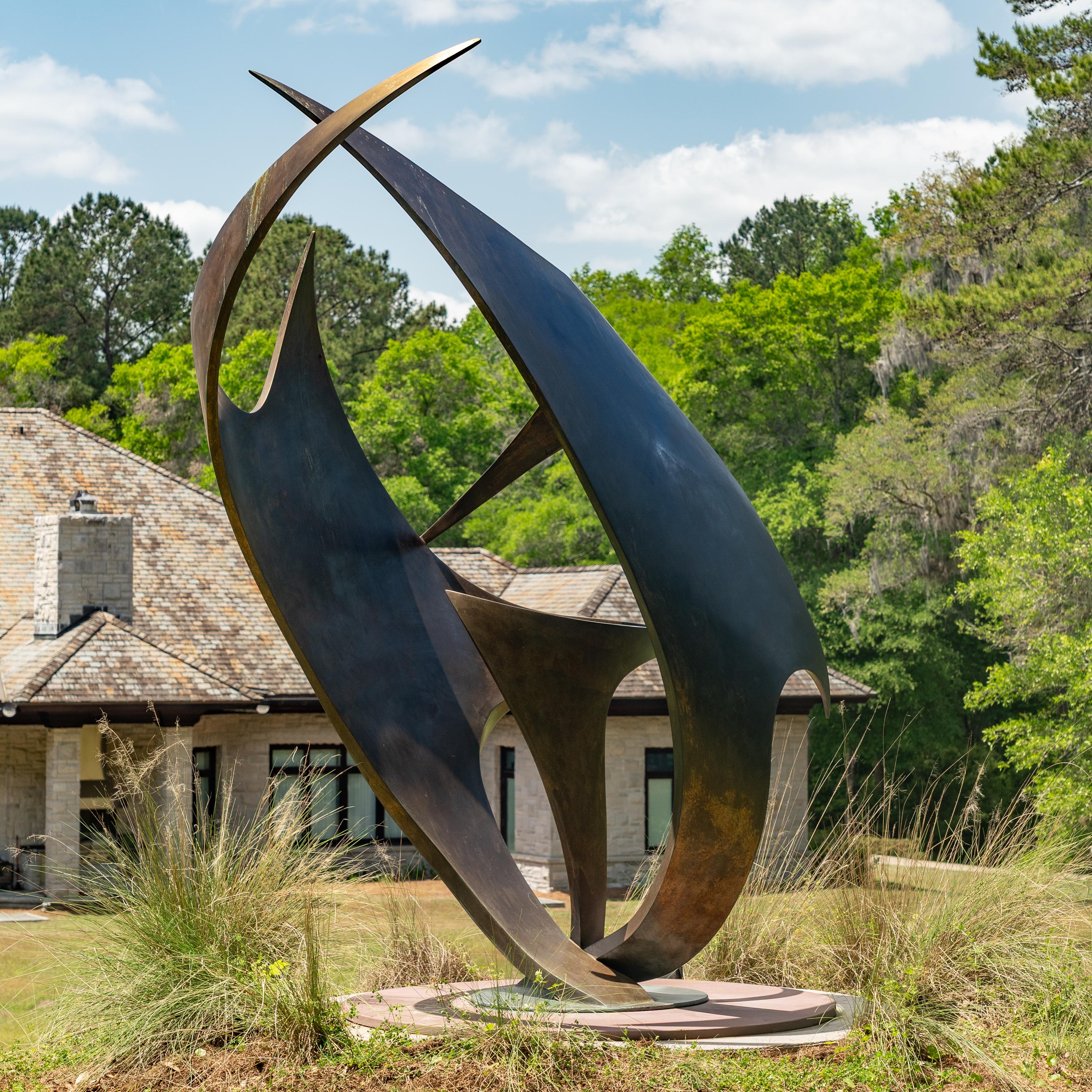
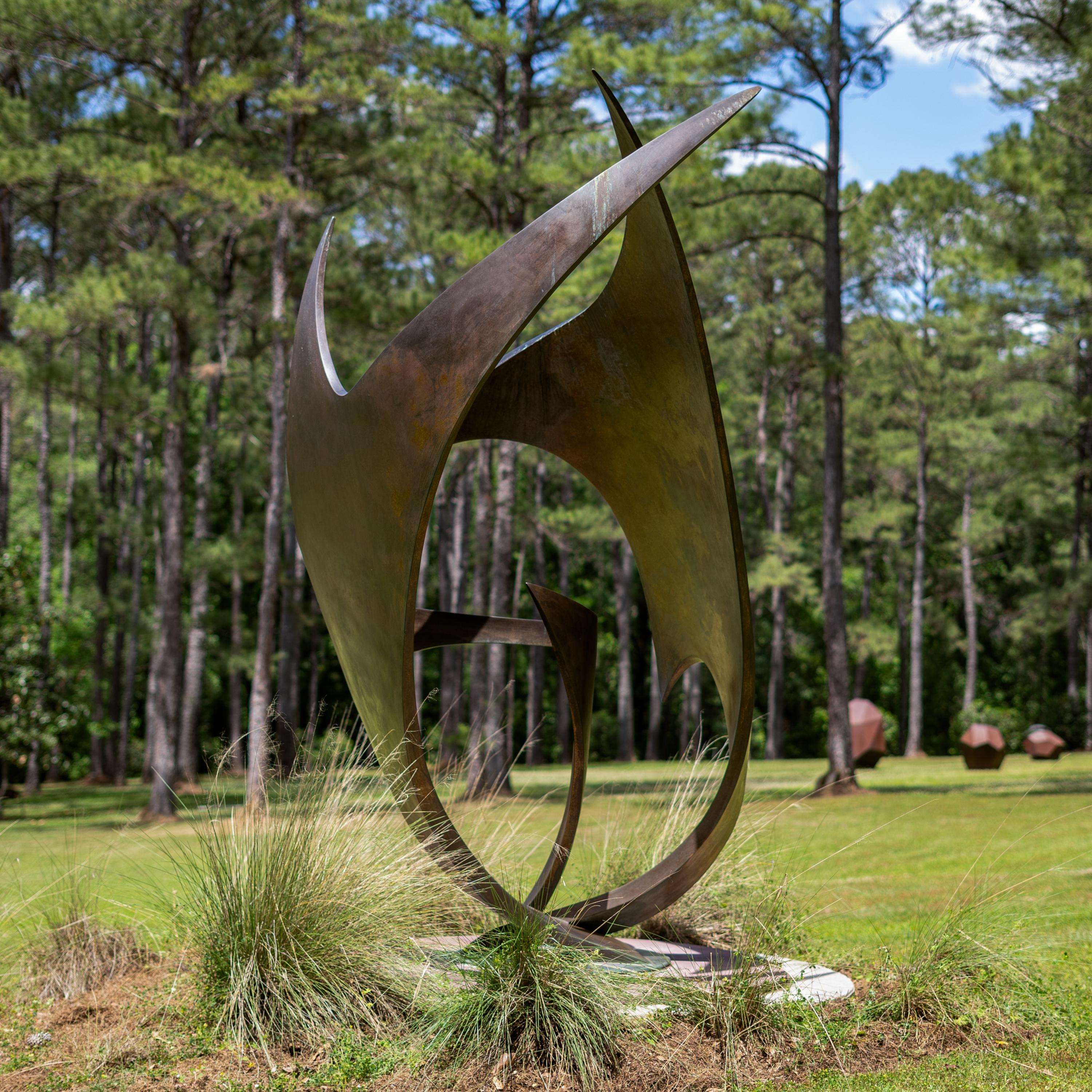
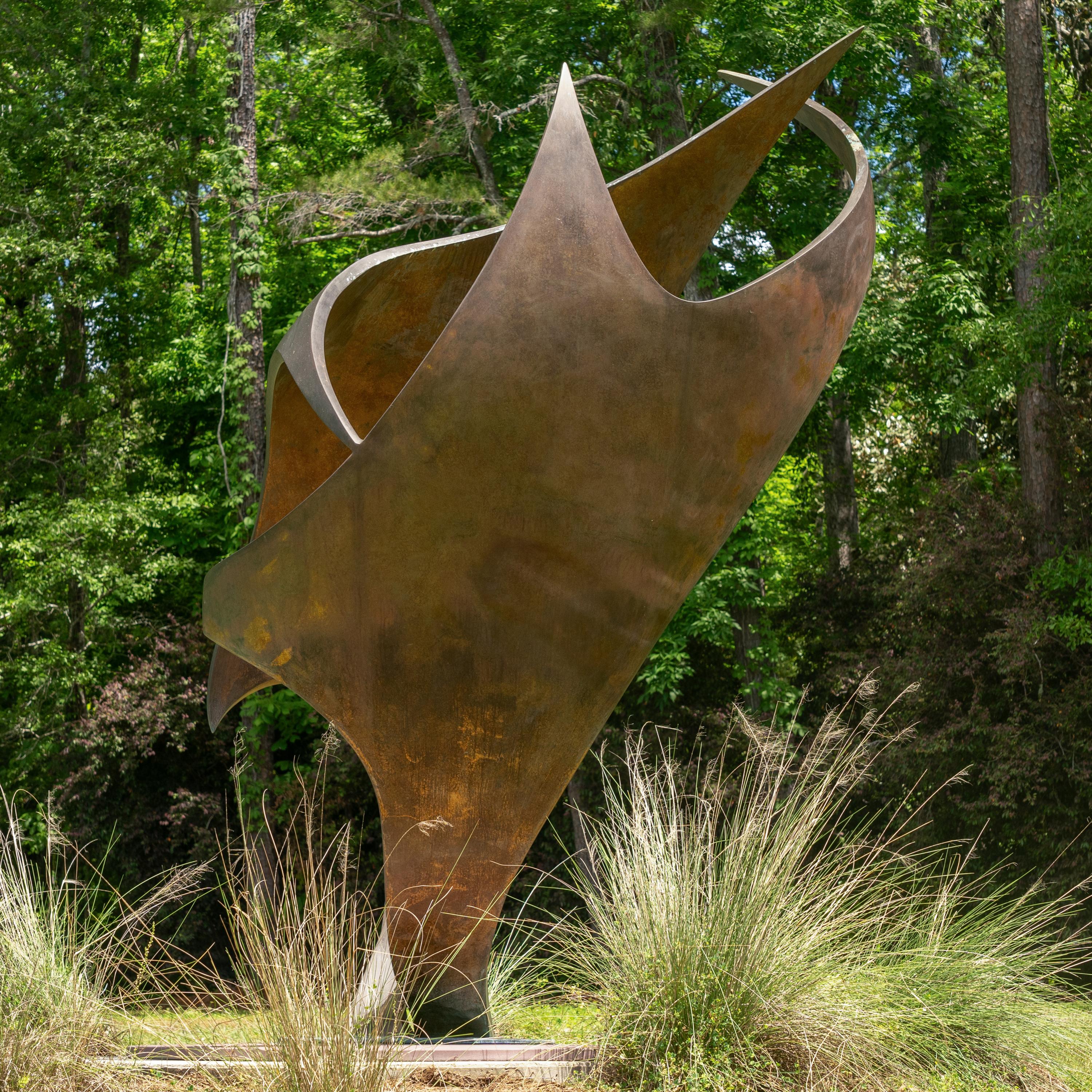
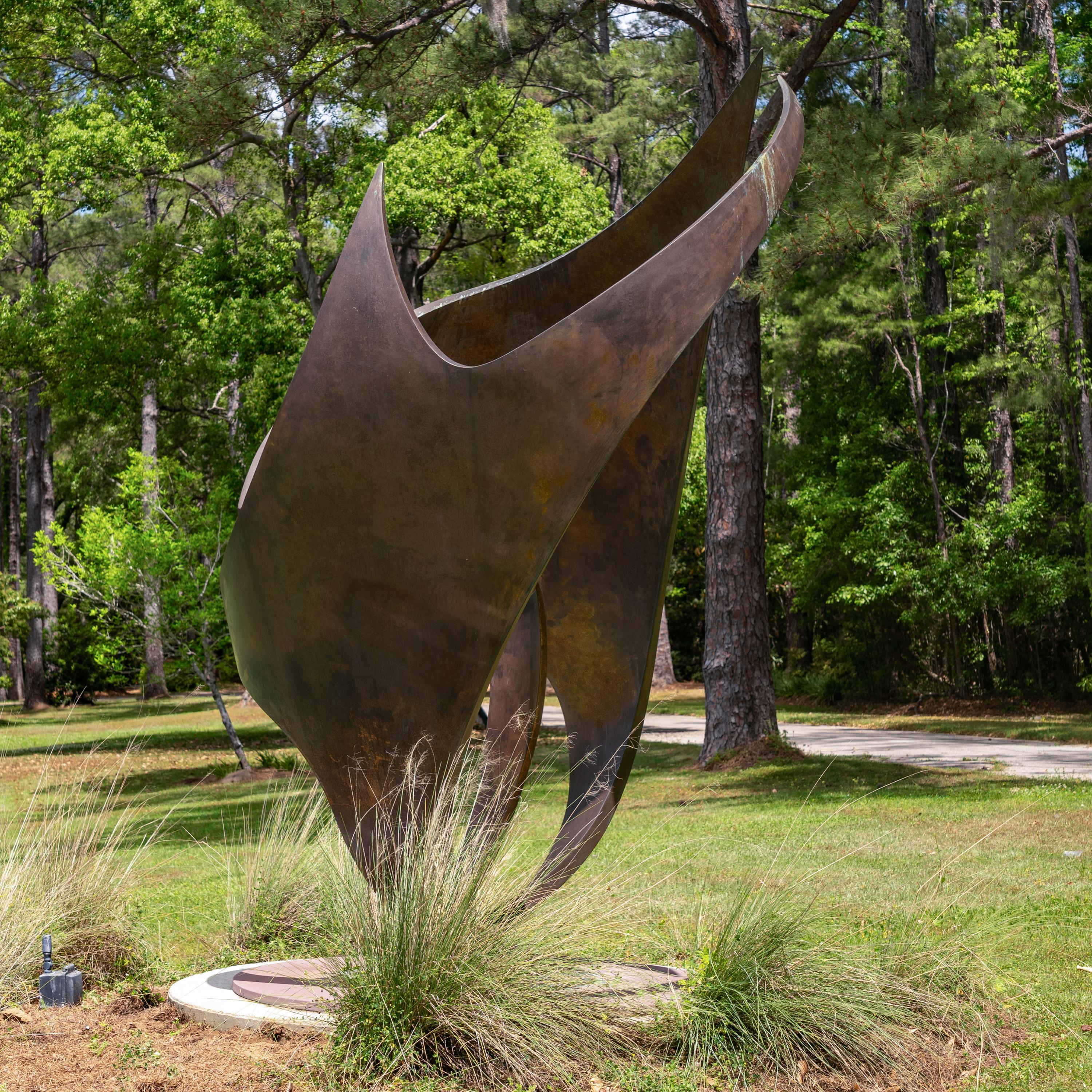
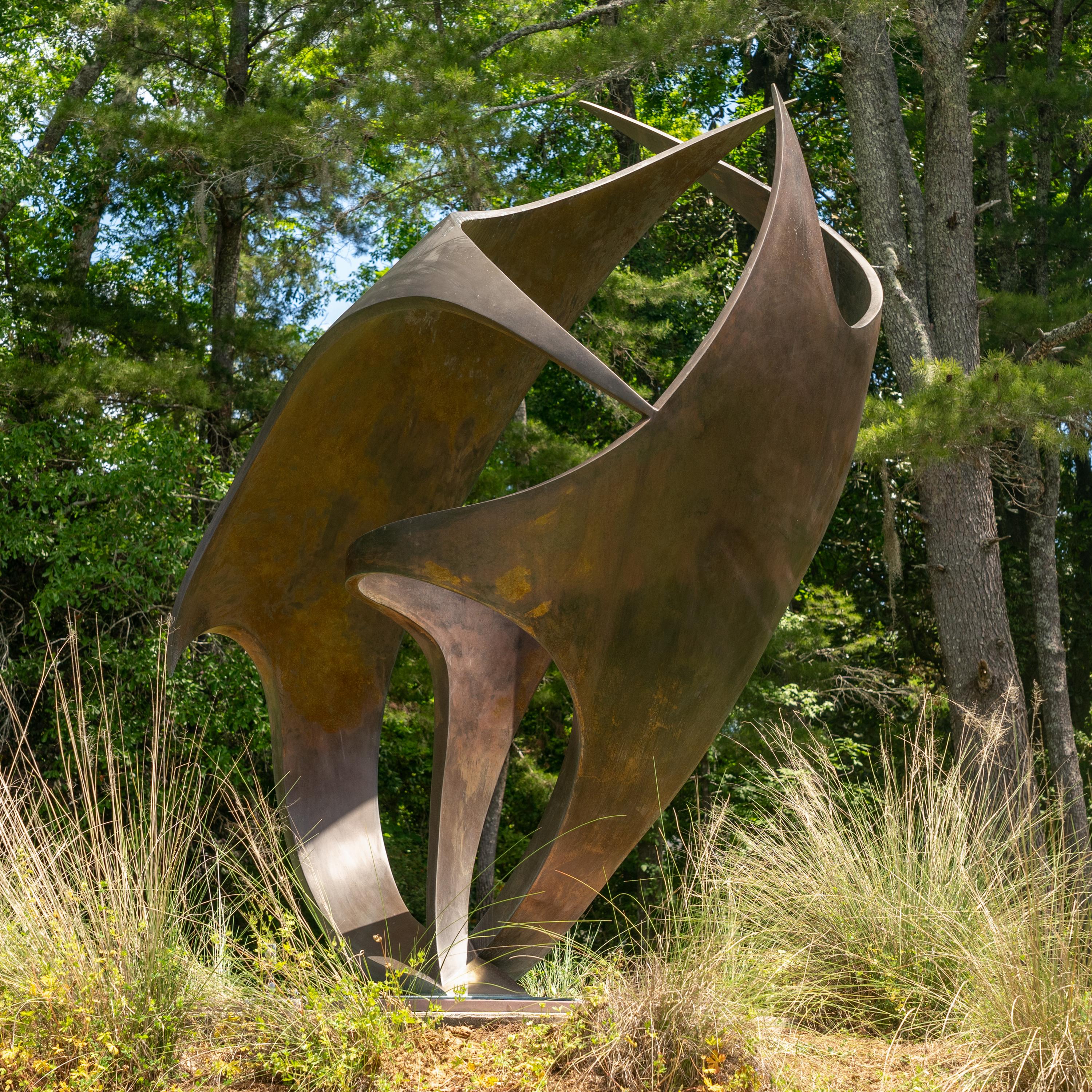
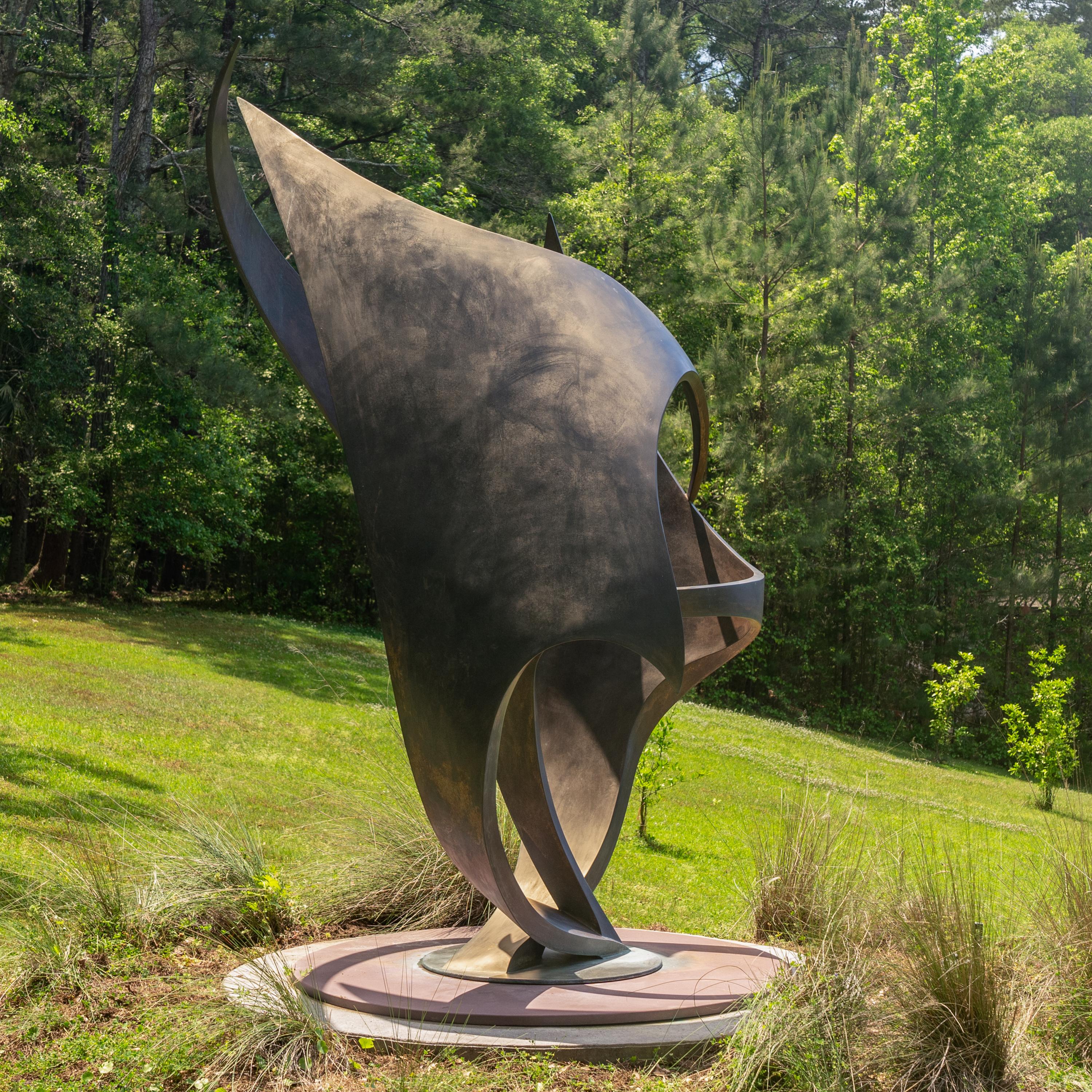
Allan Houser’s entire oeuvre, particularly his prolific sculptural work, undoubtedly carries elements of the Chiricahua Apache artist’s relationship with his tribe’s history. From crisp depictions of dancers and warriors to soft renditions of draped mothers, Houser’s visual vocabulary calls forth the immense tradition that came before him – from the strong kinship ties and warrior skills that defined social and cultural identity to the wounds inflicted by centuries of displacement, slavery and relentless survival.
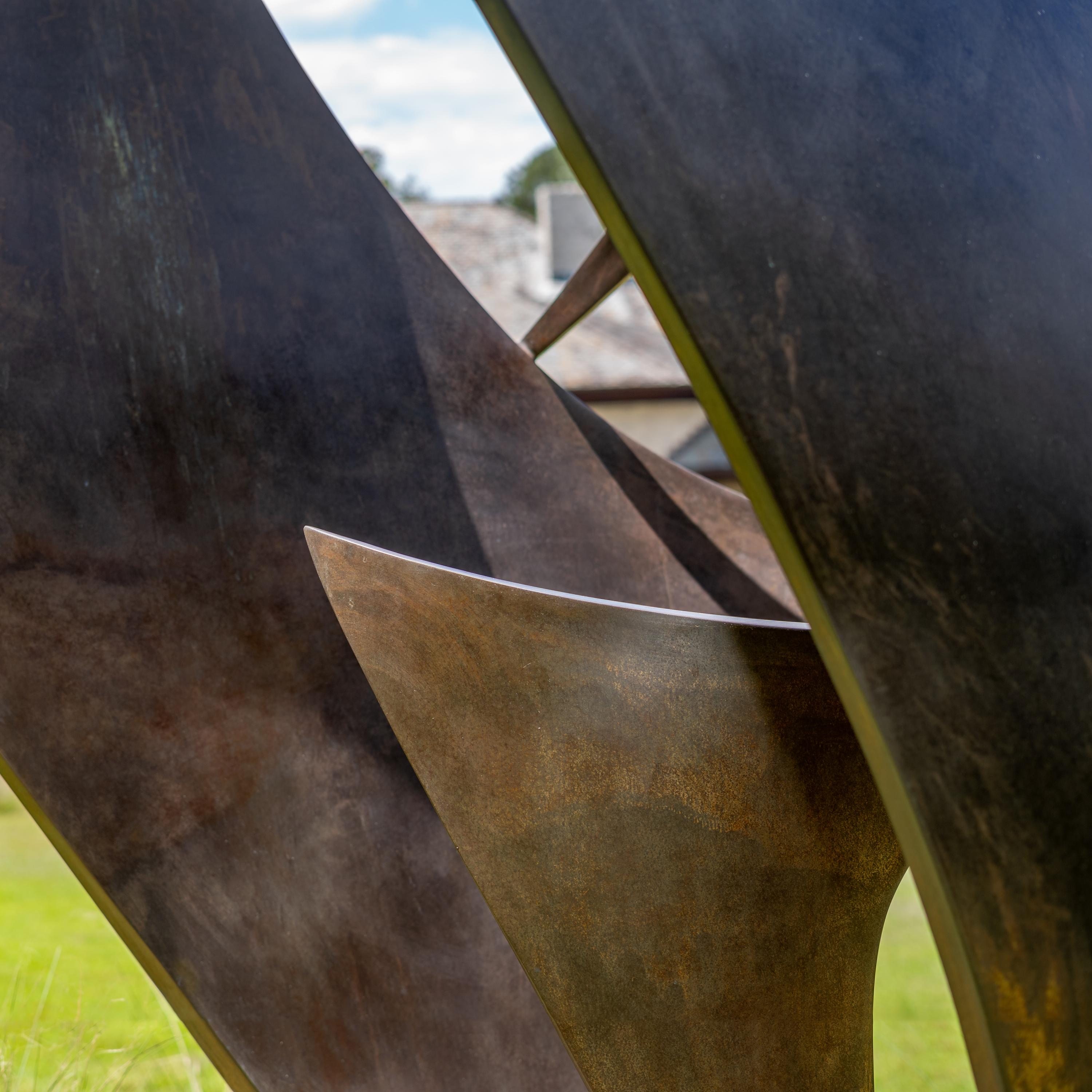
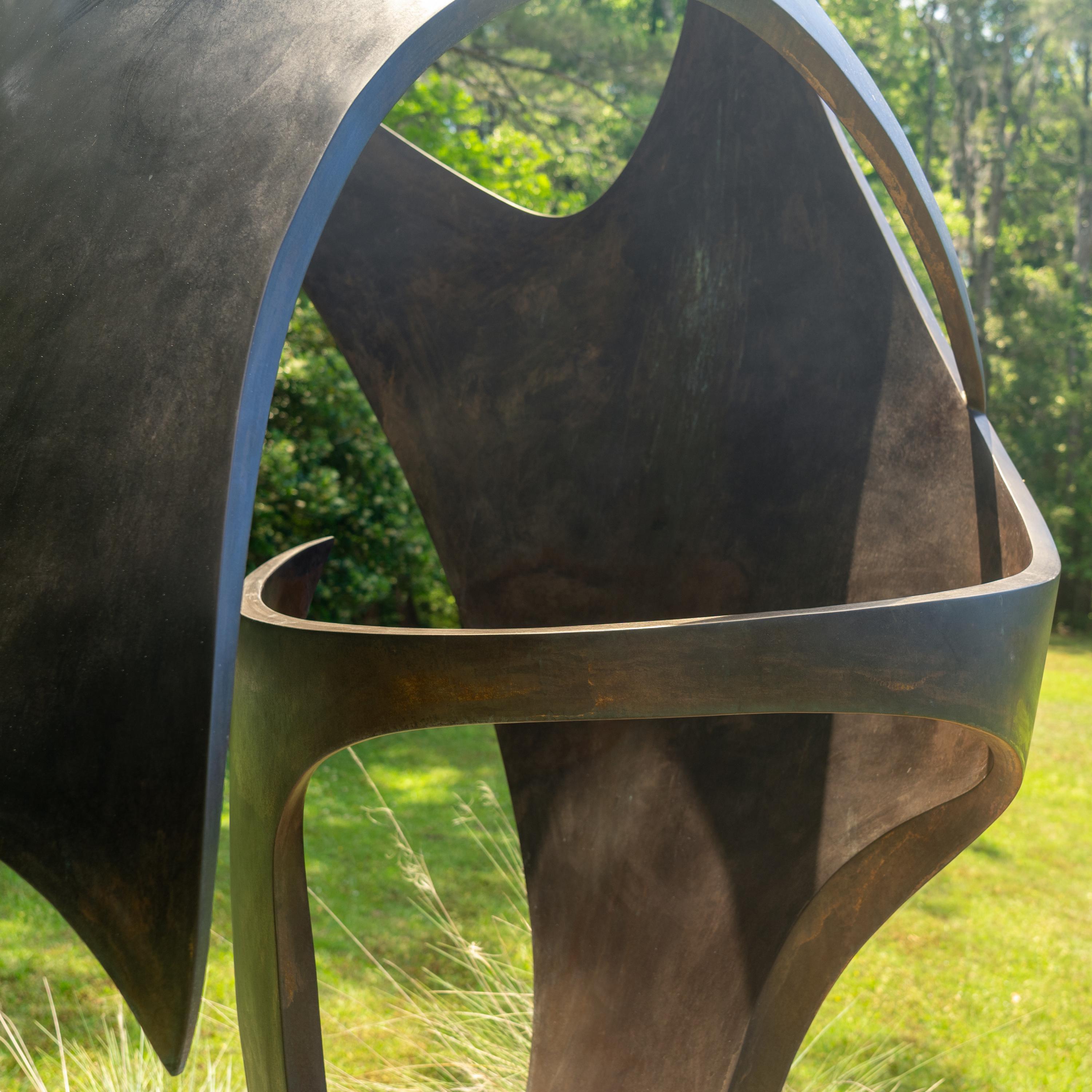
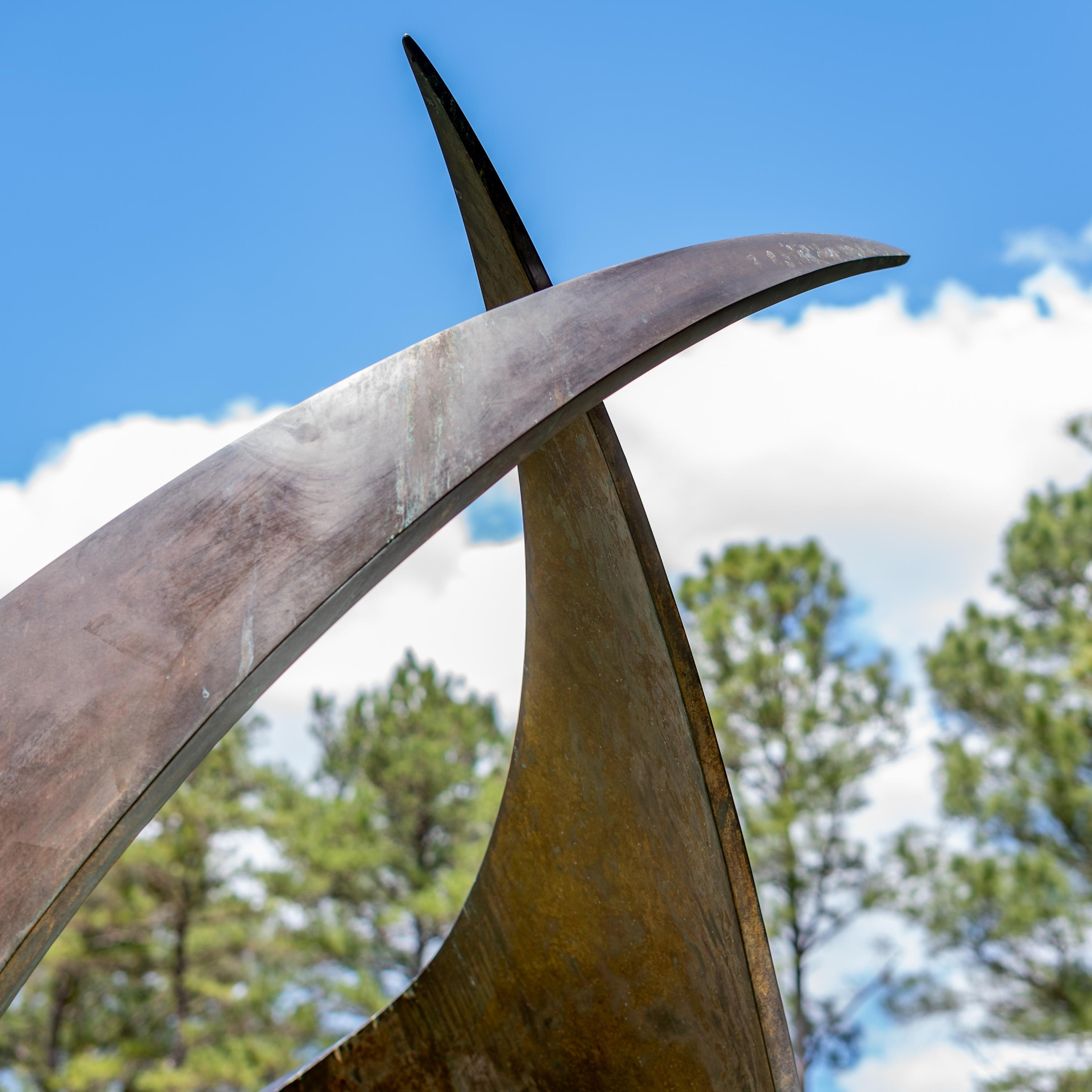
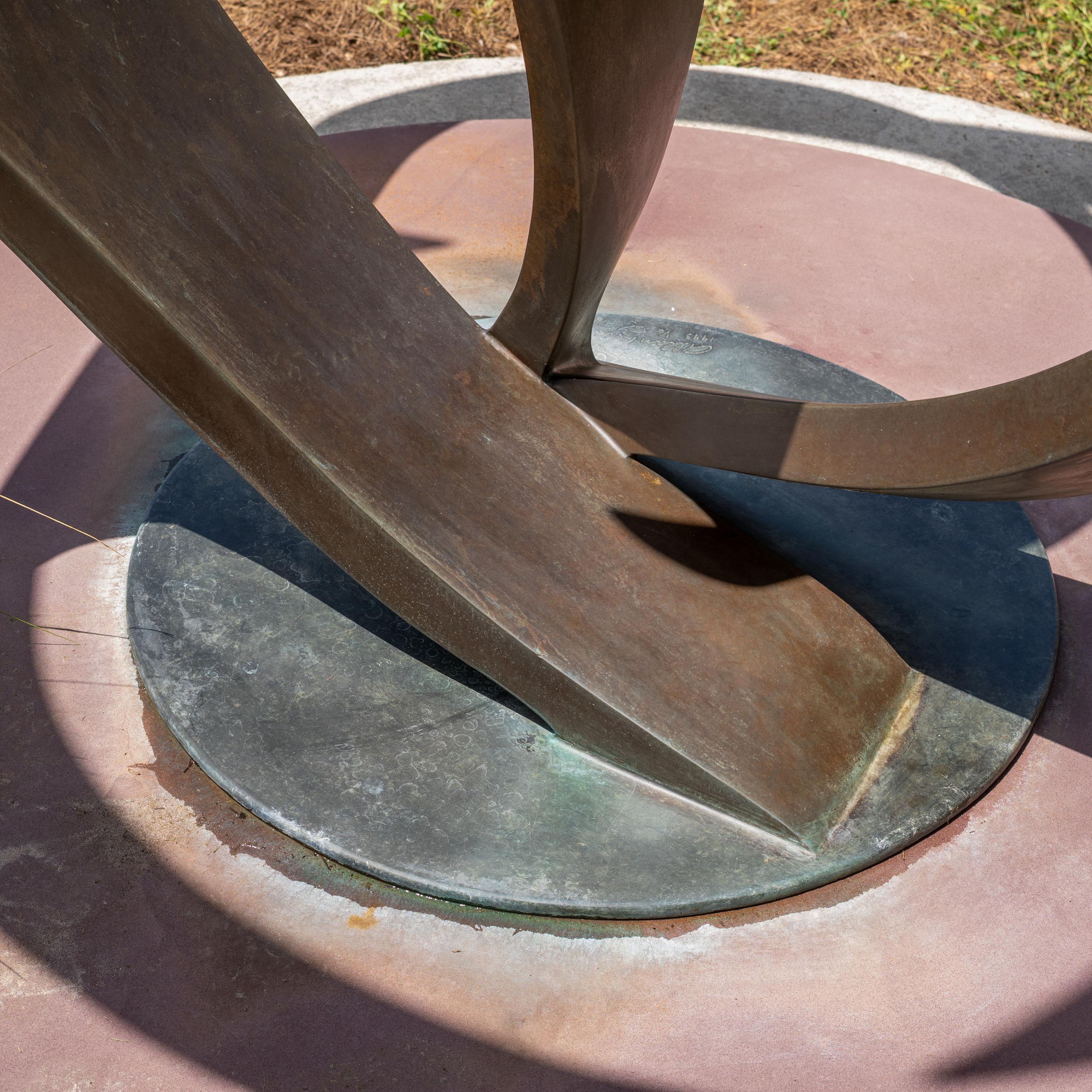
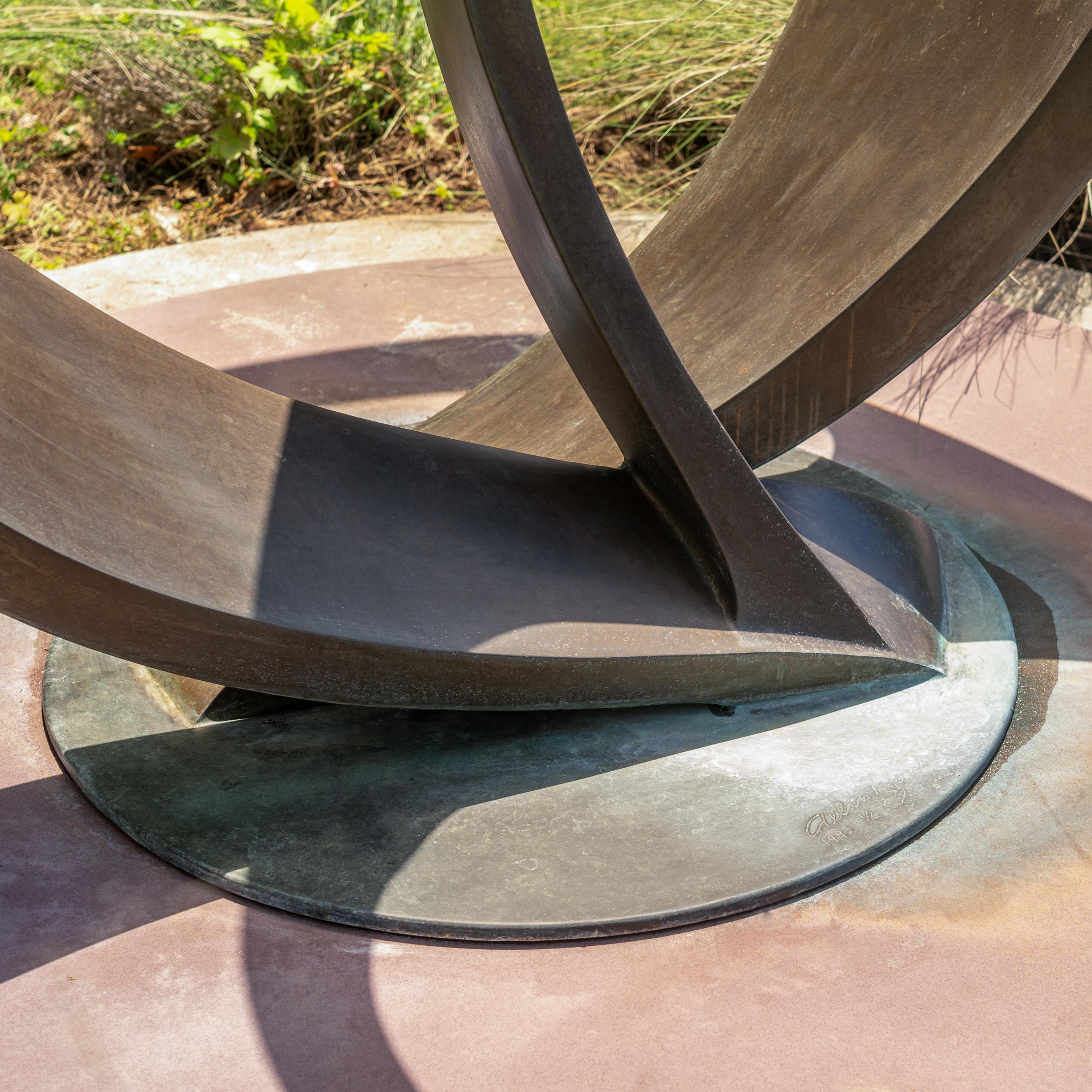
But over time, Houser’s aesthetics evolved towards abstraction and monumental designs, culminating in the early 1990s with such impressive works as Migration (1992) and Spirit of the Wind (1993). Executed just one year apart, the two bronzes echo in different ways Houser’s pictorial language of prior decades. While the rounded and flowing curves of Migration are reminiscent of his sleek and stylized figural forms, the acute and piercing edges of Spirit of the Wind recall his fierce and dynamic representations of warriors.
Yet, both sculptures also hint at an artistic practice that furthers and complicates Houser’s relationship with his roots; indeed, a practice that is not merely grounded in the tribal past, but also looking forward, like an embodiment of living memory. Here, Houser’s rhetoric is one of potential, presence, and affirmation. Tradition is not merely adhered to; rather, it is made current, pointing to an ever-evolving horizon.
The artist astutely leverages the three-dimensionality of his medium by incorporating negative space as an integral part of the sculpted mass, a decidedly modernist technique. The depth thus acquired results in meandering lines that deny the work a sense of finitude, signaling Houser’s reluctance to definitively formalize—essentialize—the past. His aesthetic, like his identity, is not fully tethered, graspable. Rather, as it remembers the tradition it came from while also conversing with and contributing to the ever-expanding canon of American Art, it is in constant actualization.
The physical condition of lots in our auctions can vary due to age, normal wear and tear, previous damage, and restoration/repair. All lots are sold "AS IS," in the condition they are in at the time of the auction, and we and the seller make no representation or warranty and assume no liability of any kind as to a lot's condition. Any reference to condition in a catalogue description or a condition report shall not amount to a full accounting of condition. Condition reports prepared by Freeman's staff are provided as a convenience and may be requested from the Department prior to bidding.
The absence of a posted condition report on the Freeman's website or in our catalogues should not be interpreted as commentary on an item's condition. Prospective buyers are responsible for inspecting a lot or sending their agent or conservator to inspect the lot on their behalf, and for ensuring that they have requested, received and understood any condition report provided by Freeman's.
Please email Fineart@freemansauction.com for any additional information or questions you may have regarding this lot.