Condition Report
Contact Information
Auction Specialist
Lot 34
Sale 6418 - Asian Works of Art
Sep 19, 2025
10:00AM ET
Live / New York
Own a similar item?
Estimate
$1,500 -
2,500
Price Realized
$17,920
Sold prices are inclusive of Buyer’s Premium
Lot Description
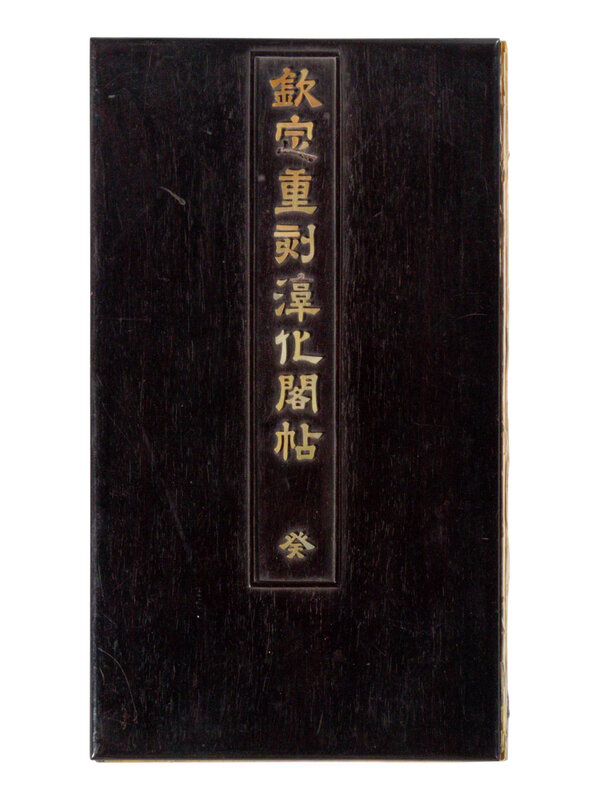
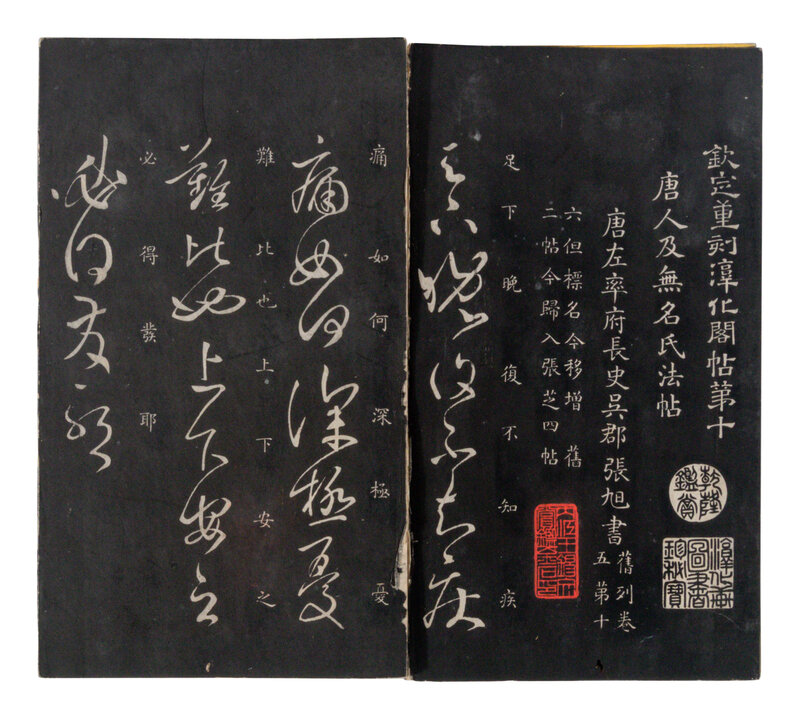
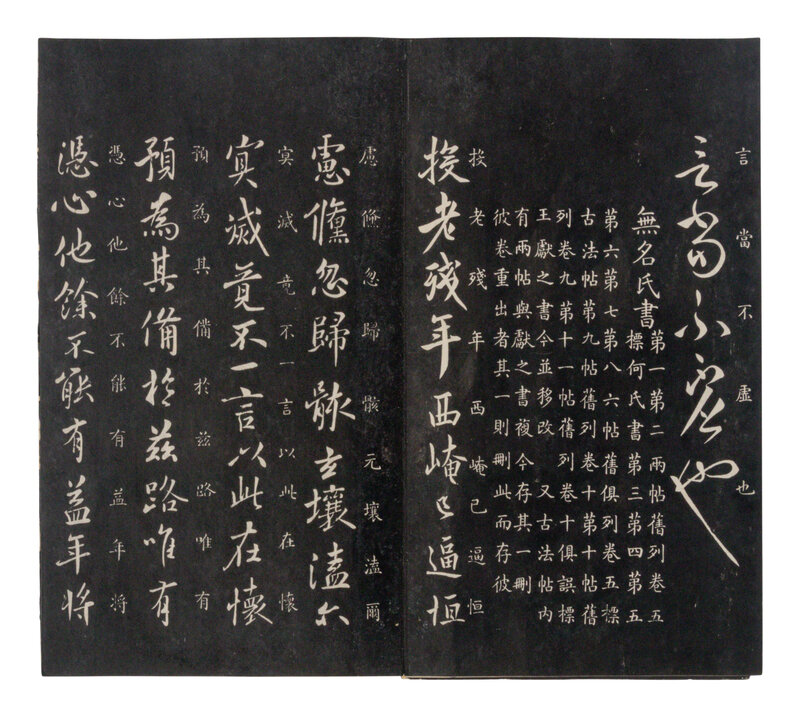
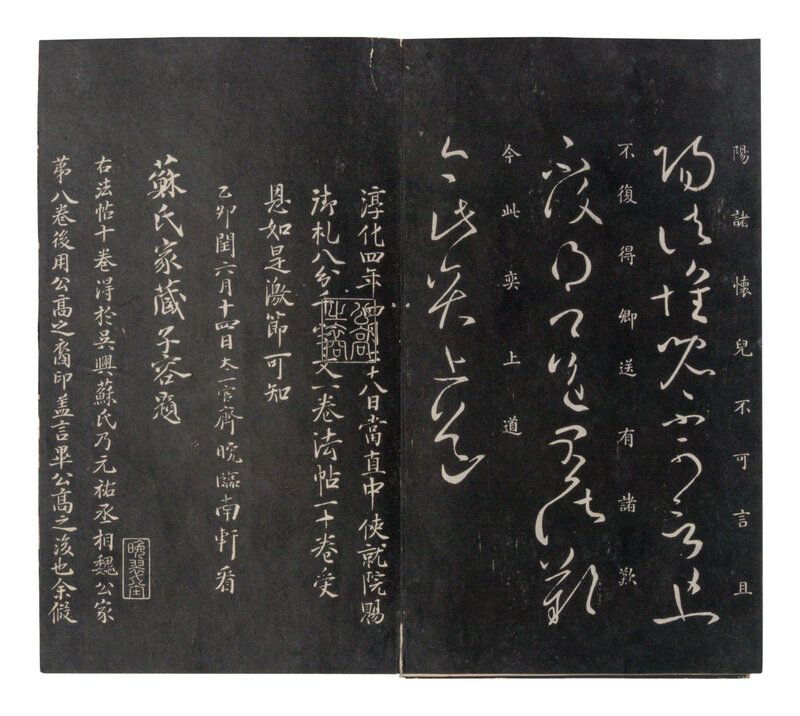
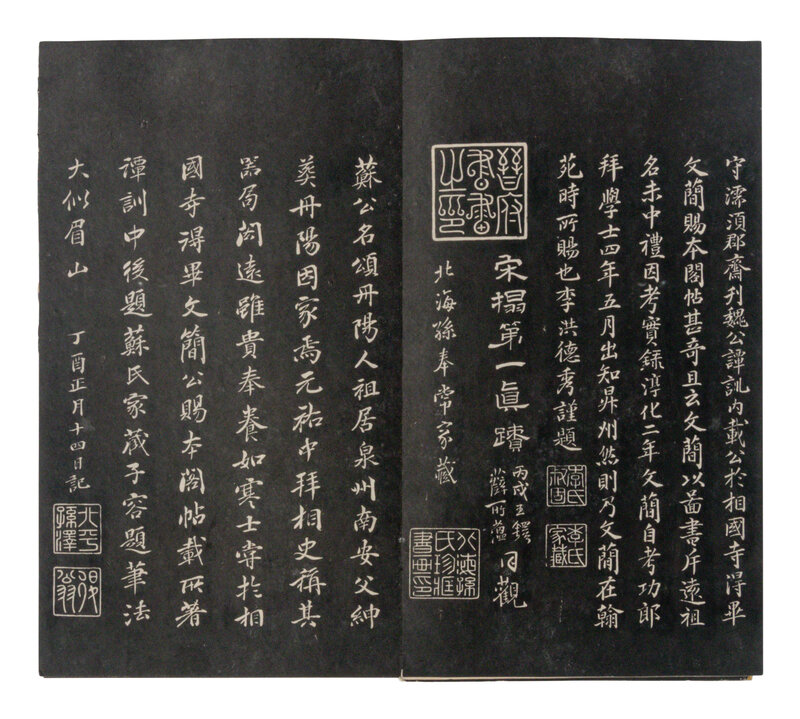
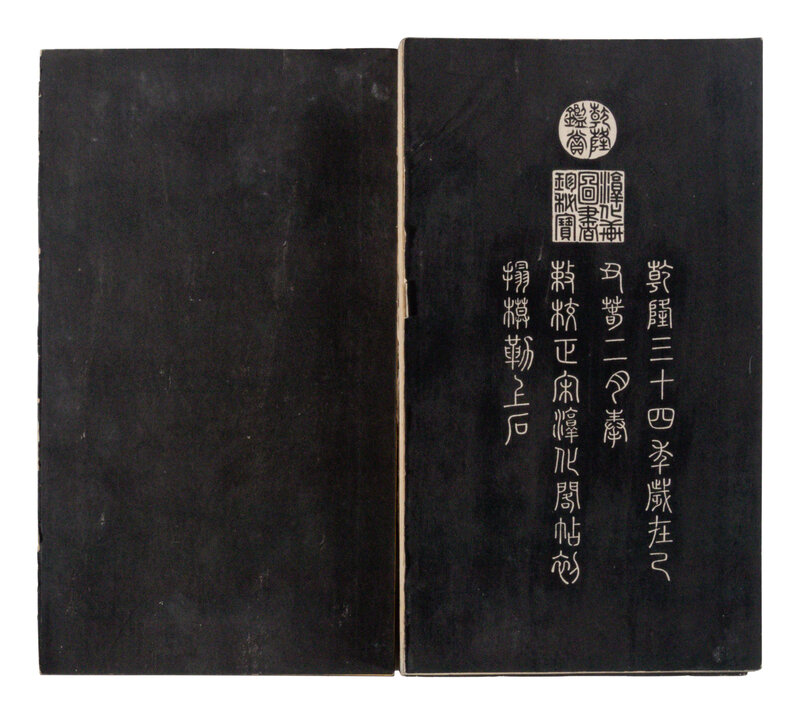
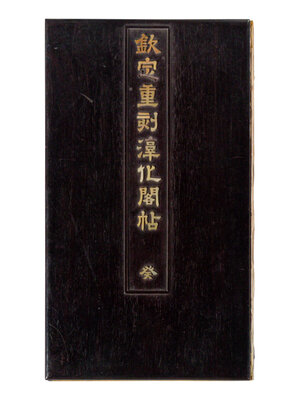
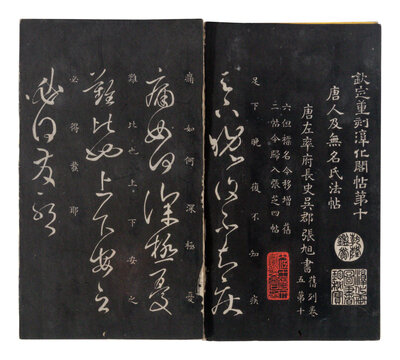
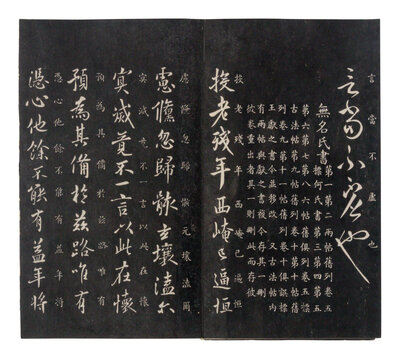
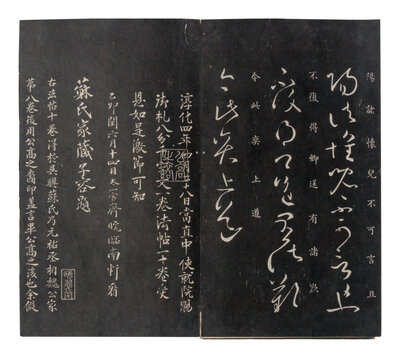
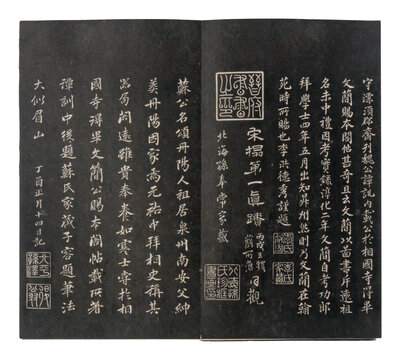
[CHINESE RUBBINGS] Qin Ding Chong Ke Chun Hua Ge Tie · Gui (Imperial Recarving of the Chunhua Pavilion Modelbooks, Vol. 10), 18th Century
乾隆内府本《欽定重刻淳化閣帖 ·癸》
乾隆内府本《欽定重刻淳化閣帖 ·癸》
18th Century
ink on paper, an album with Zitan wood board and mother-of-pearl inlay, with one collector's seal, Neijiang Wang Xiwen shang jian jin shi yin.
In 1769, the Qianlong Emperor commanded his court scholars to produce a new recut edition of the Chunhua Ge Tie (Model Books of Calligraphy from the Chunhua Reign), using as the base the earliest and finest rubbings preserved in the imperial collection—the “Bi Shi’an copy” of 993, originally presented to the official Bi Shian. Over the course of two years, selected masterpieces were meticulously traced and recarved, resulting in the Qin Ding Chong Ke Chunhua Ge Tie (Imperial Recarving of the Chunhua Pavilion Modelbooks).
In 1770, the emperor ordered the construction of a new residence in the Changchun Garden, named the Chunhua Xuan. The carved modelbook steles were installed in the east and west corridors, while the Bi Shian original was enshrined within. At the beginning of this volume appear the Record of the Chunhua Xuan (1772) and the imperial preface of 1769, both composed and inscribed by the emperor himself.
Tragically, in 1860 during the Second Opium War, both the recut steles and the Bi Shian copy were destroyed in the conflagration at the Yuanmingyuan. Only seven fragmentary stones, unearthed in the 1990s, are known to survive today.
Because the recut steles survived for less than a century, and rubbings could only be made with imperial permission, extant examples are exceptionally rare. Most are preserved in the Palace Museum, with very few ever entering private collections.
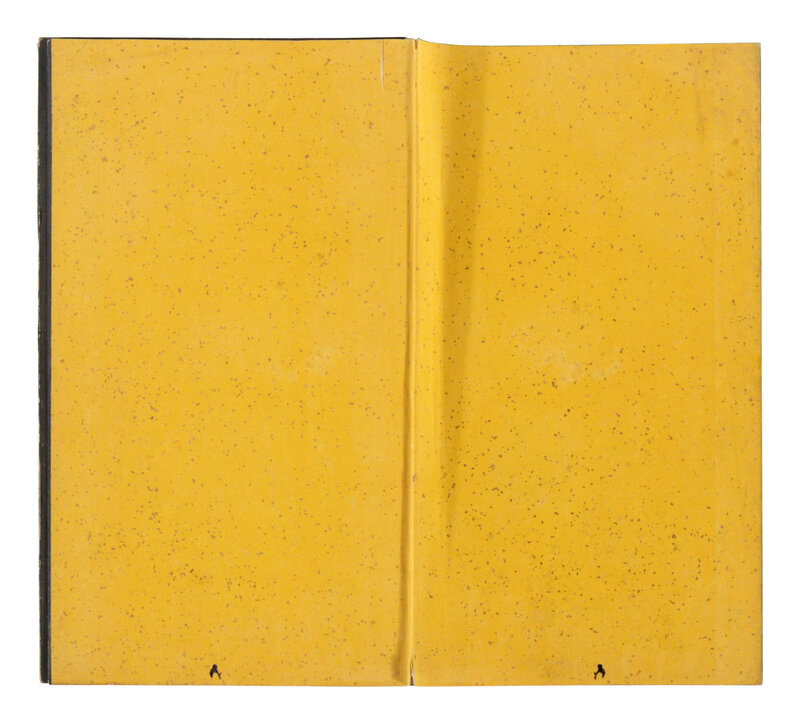
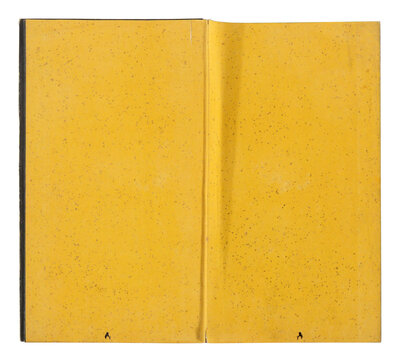
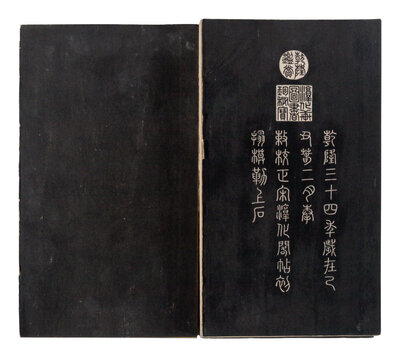
The present work is Volume 10, preserved in its original imperial binding with zitan wood covers, the title carved in clerical script and inlaid with mother-of-pearl, and yellow imperial paper used for the opening and closing leaves. A rare survival of historical importance.
乾隆内府本《欽定重刻淳化閣帖 ·癸》
乾隆内府装,紫檀夾板,螺鈿題簽,紙本水墨,一冊
帖文略
鑒藏印:内江王錫文賞鑒金石印
注:
乾隆三十四年(1769),帝敕命于敏中等學士,從內府所藏淳化閣帖中選出祖本初拓最精者,即淳化四年(993)賜畢士安本,選工摹勒,重排重刻,历时两年方成,即乾隆欽定重刻淳化閣帖。
乾隆三十五年(1770),帝命於長春園東辟出寢宮,更名“淳化軒”,帖石分嵌於淳化軒前東西回廊,所用底本,即畢士安本,亦置於軒中。卷首有乾隆三十七年《淳化軒記》及乾隆三十四年序,皆御制御書。咸豐十年(1860)第二次鴉片戰爭期間,圓明園慘遭劫掠,重刻帖石並畢士安本毀佚戰火之中,今僅見上世紀九十年代出土七塊殘石而已。
全套帖石從存世不足百年,其間又非聖命不得傳拓,故傳世無多,且多存於故宮,流於民間者更罕。張伯英《說帖》謂之“內府所藏畢士安賜本,稀世鴻寶”,王鐸跋謂其“宋拓第一”、“紙色墨色如古漆板,誠海內第一部也”,
本品為《欽定重刻淳化閣帖 第十》,內府裝幀,外用紫檀面子,隸書雙刀刻名,嵌厚螺鈿,首尾皆內府明黃紙作附頁。當爲初拓內府原裝,極為難得。
Album 12 x 6 7/8 in., 30.5 x 17.5 cm.
Property from the collection of Xiwen (Yiling) Wang, thence by descent.
This lot is located in New York.