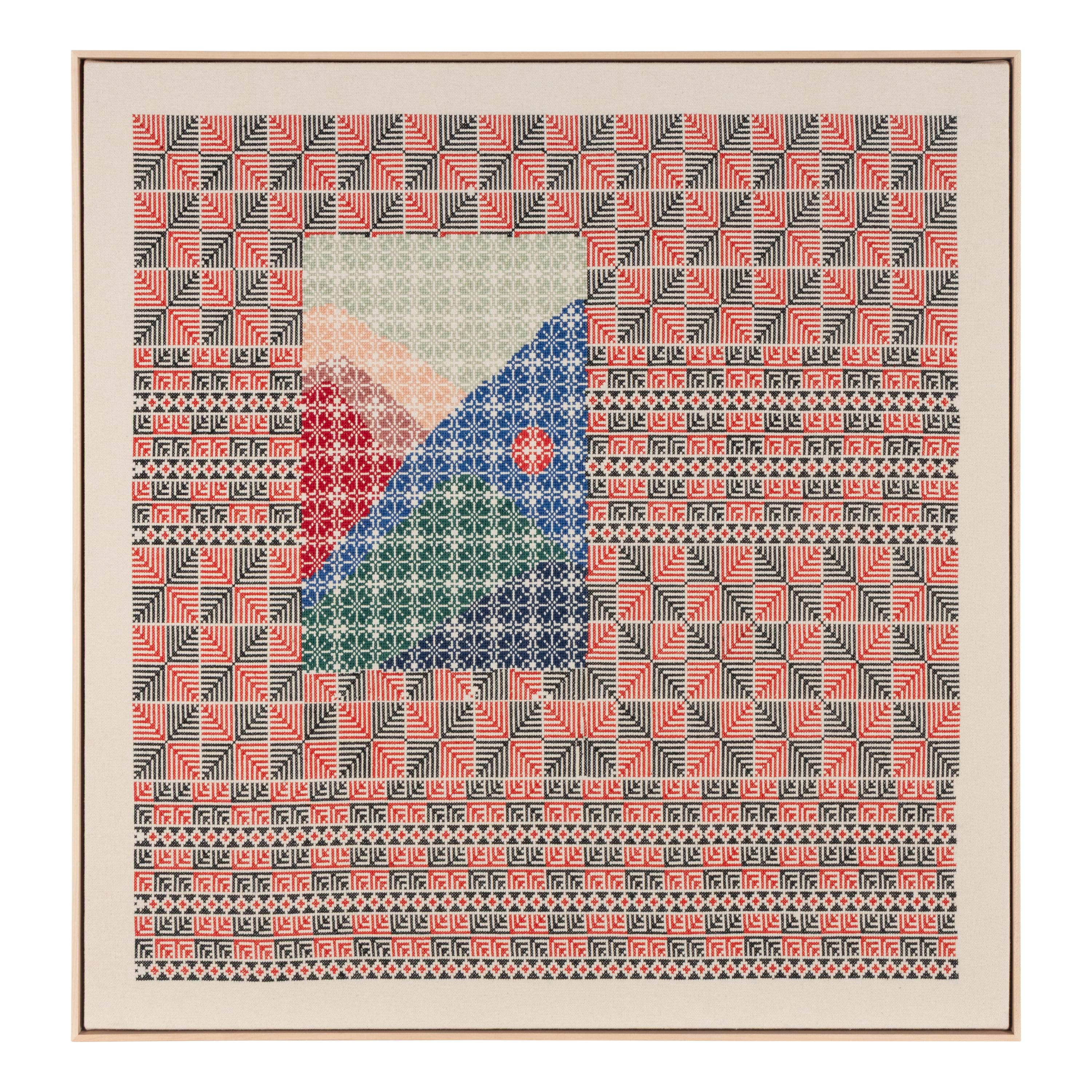
To request further details about this lot, please email fineart@freemansauction.com
Please email fineart@freemansauction.com for any additional information or questions you may have
Sale 6643
| New York
| New York
To request further details about this lot, please email fineart@freemansauction.com
Please email fineart@freemansauction.com for any additional information or questions you may have
Estimate$50,000 – $70,000
Provenance:
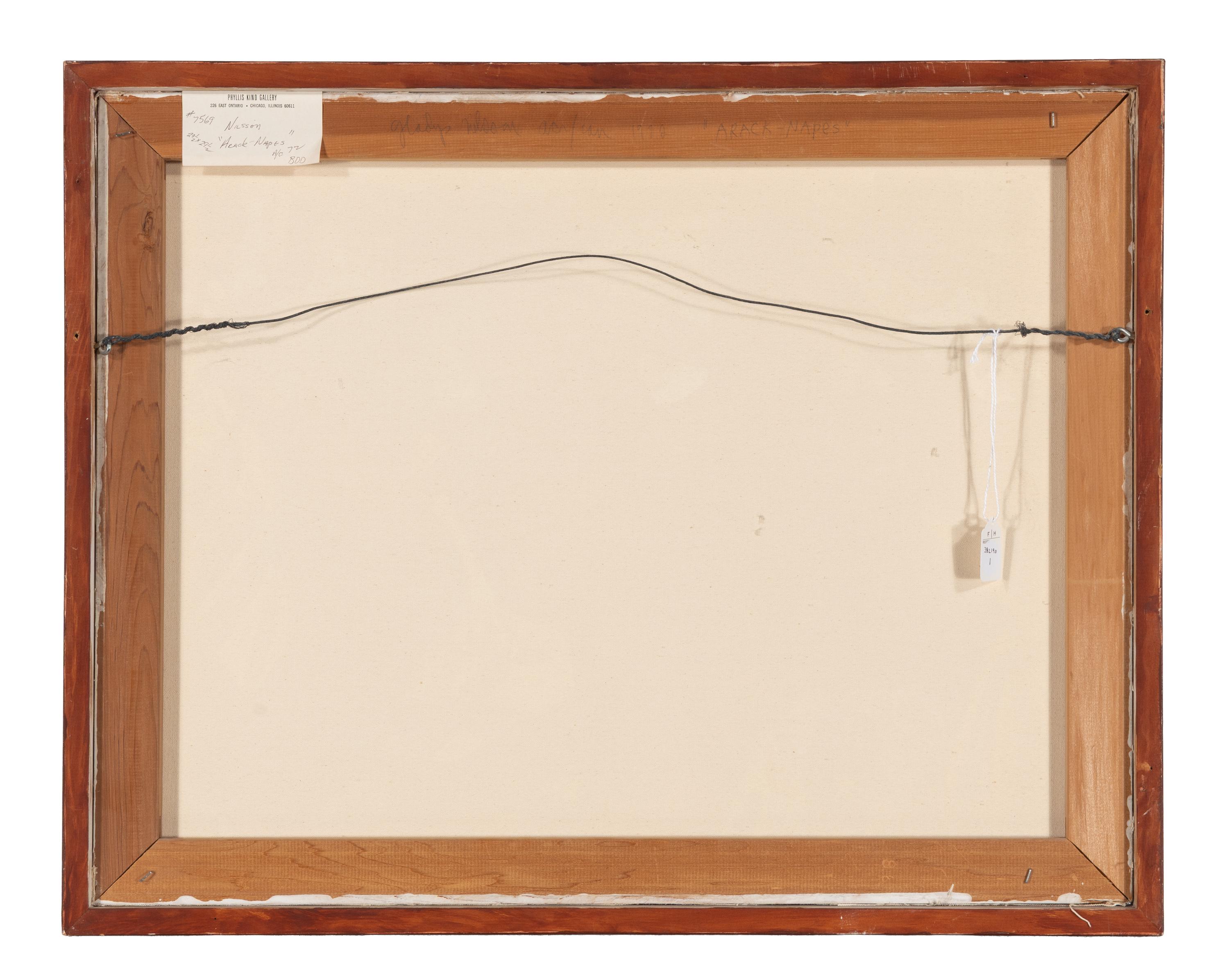
Phyllis Kind Gallery, Chicago.
Acquired from the above by the present owner, 1972.
Exhibited:
Chicago, Phyllis Kind Gallery, 1972.
New York, Whitney Museum of American Art, Gladys Nilsson, April 11 - May 13, 1973.
Lot Note:
Chicago native Gladys Nilsson (b. 1940) is an artist whose works are universes in themselves, formed from an imagination driven by a fascination with all variations of the body. She first came to prominence in 1966, when she joined five other recent Art Institute graduates (Jim Falconer, Art Green, Jim Nutt, Suellen Rocca, and Karl Wirsum) for the first of a series of group exhibitions called the Hairy Who. The group launched Chicago Imagism, a movement that stood in direct opposition to the Pop and Minimalist movements then dominant in New York.
While a student at the School of the Art Institute in 1961, Nilsson met Jim Nutt, a recent transfer student and future fellow founding member of the Hairy Who. The two fell in love immediately and had their son, Claude, in 1962. Nilsson had no intention of giving up painting, and soon after Claude’s birth, she traded oil paints for watercolor to avoid exposing her son to the toxic fumes of turpentine, the solvent necessary for working with oil paints. She quickly became infatuated with watercolors, and they remained her primary medium for the majority of her career.
Following the success of the Hairy Who exhibitions from 1966 to 1969, the couple moved to Sacramento when Nutt accepted a teaching post at Sacramento State College. There, Nilsson experimented freely alongside her ongoing watercolor practice. While she became known as a master watercolorist, Nilsson came to resent the label, as she felt it was diminutive based on the lower standing watercolor typically held in the hierarchy of painting. Wanting to show the vastness of her technical talents, in the early 1970s, she began working with acrylic paint on canvases in painted frames and readymade embroidery hoops. Her acrylics of the time drew on the Mediterranean-like climate of Sacramento, the Renaissance devotional paintings she saw on a tour of Europe in 1972, and the dense patterning of indigenous Australian bark painting.
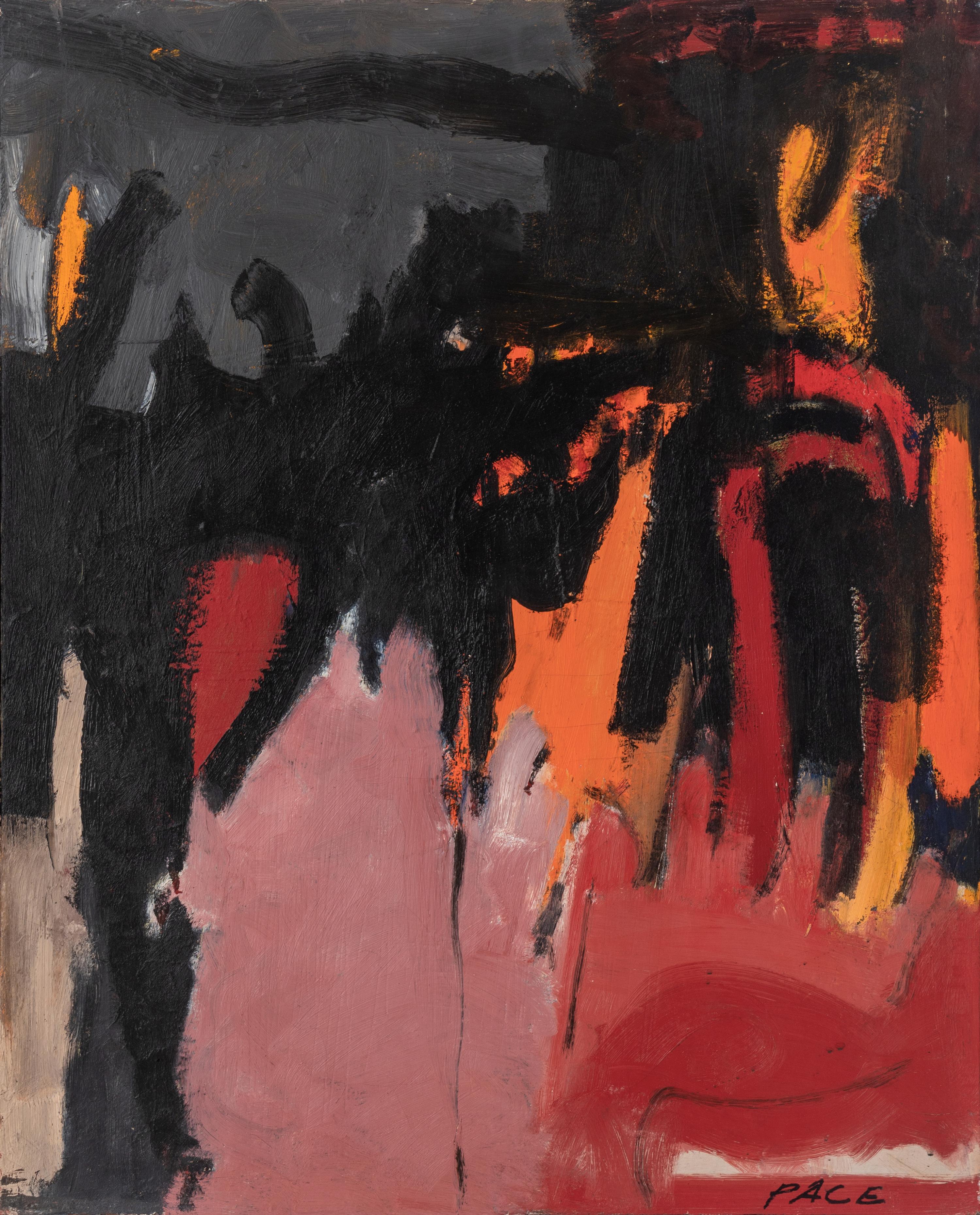
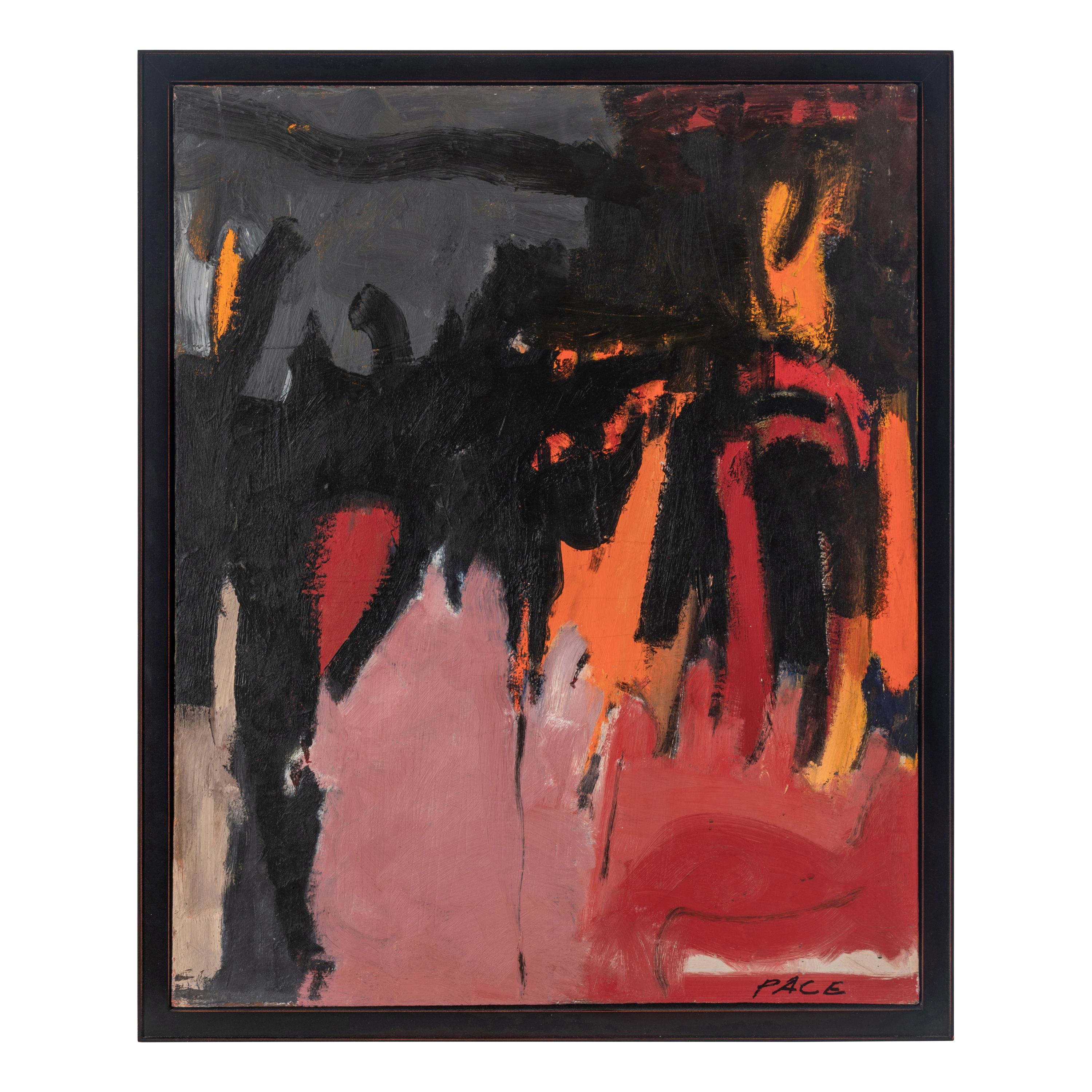
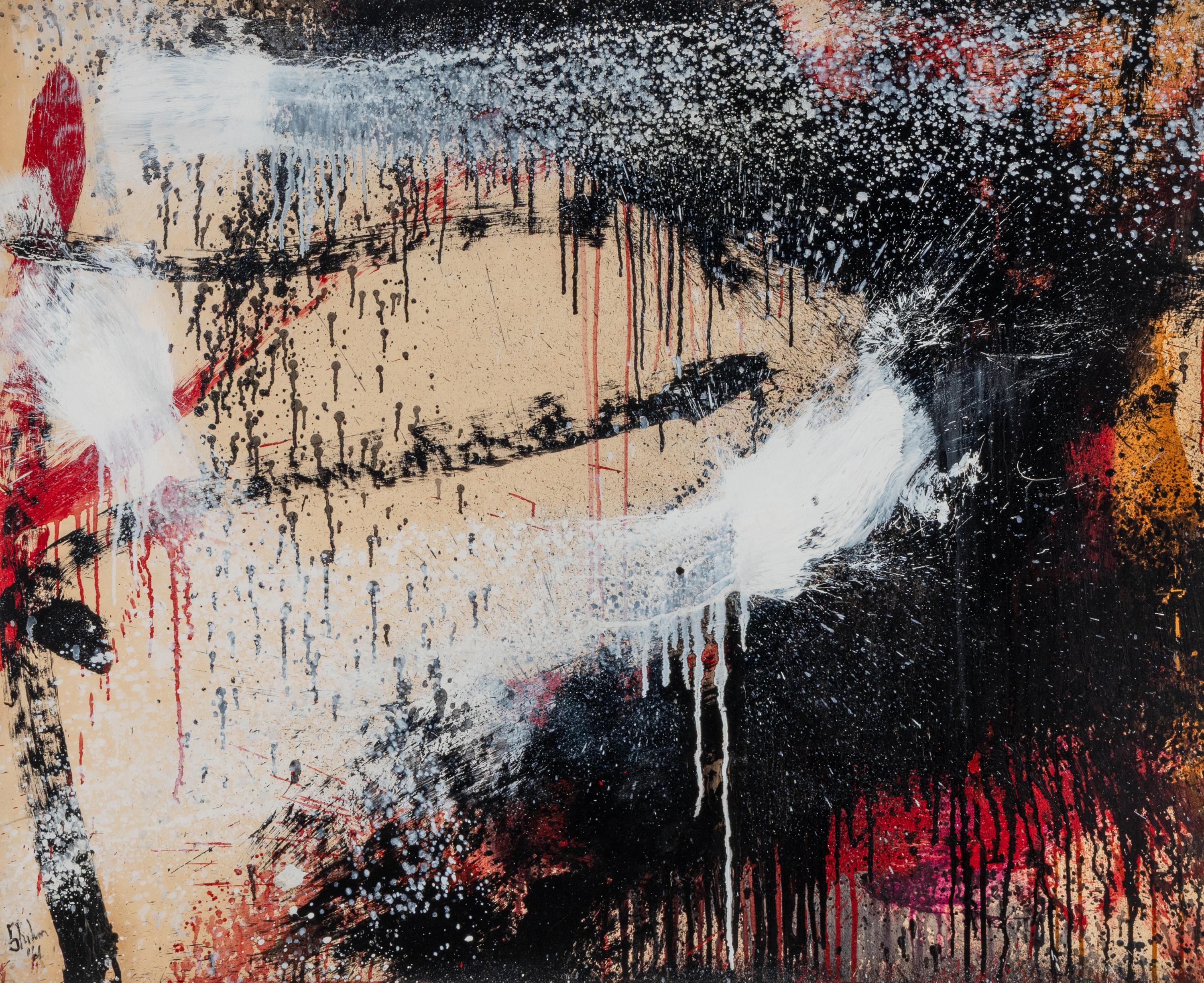
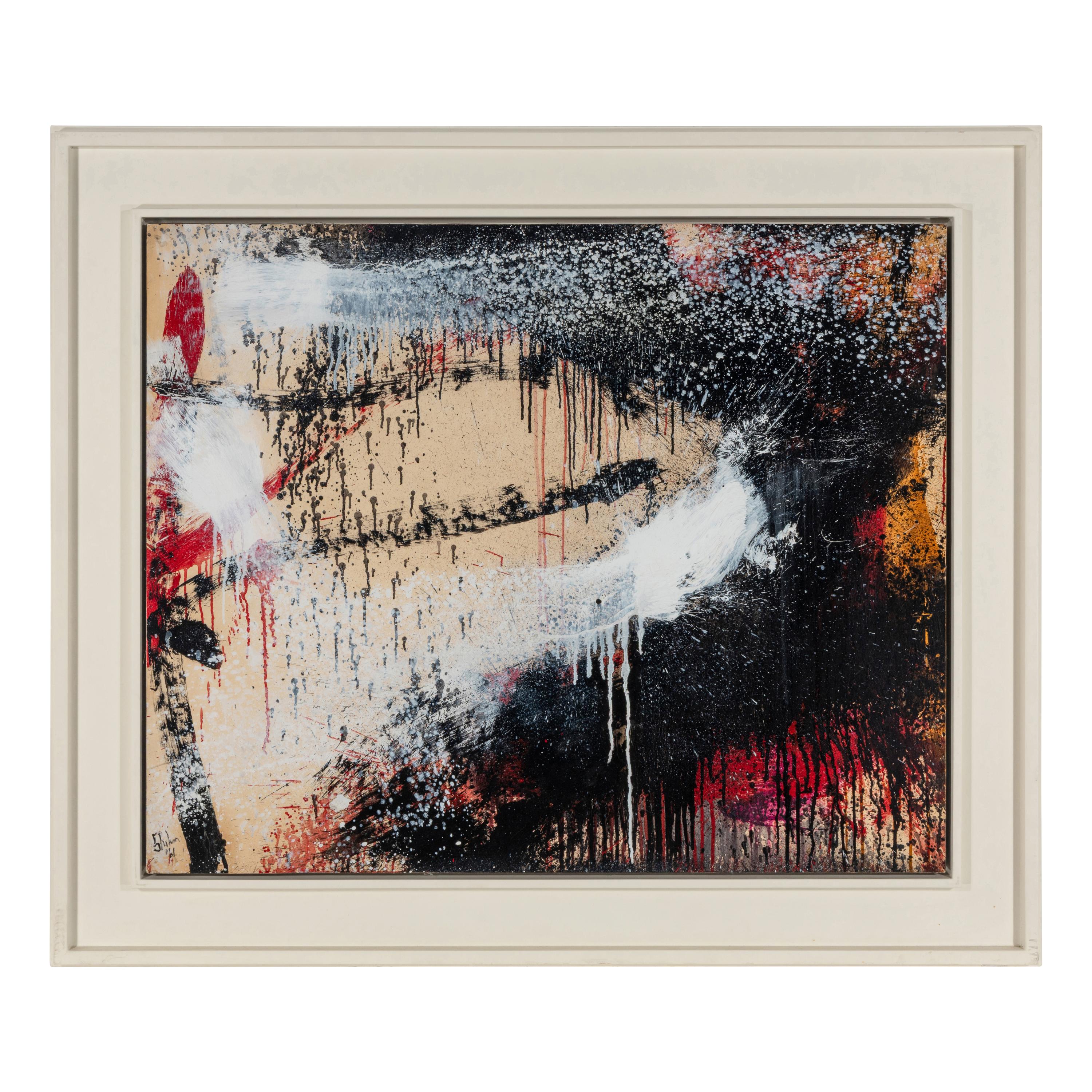
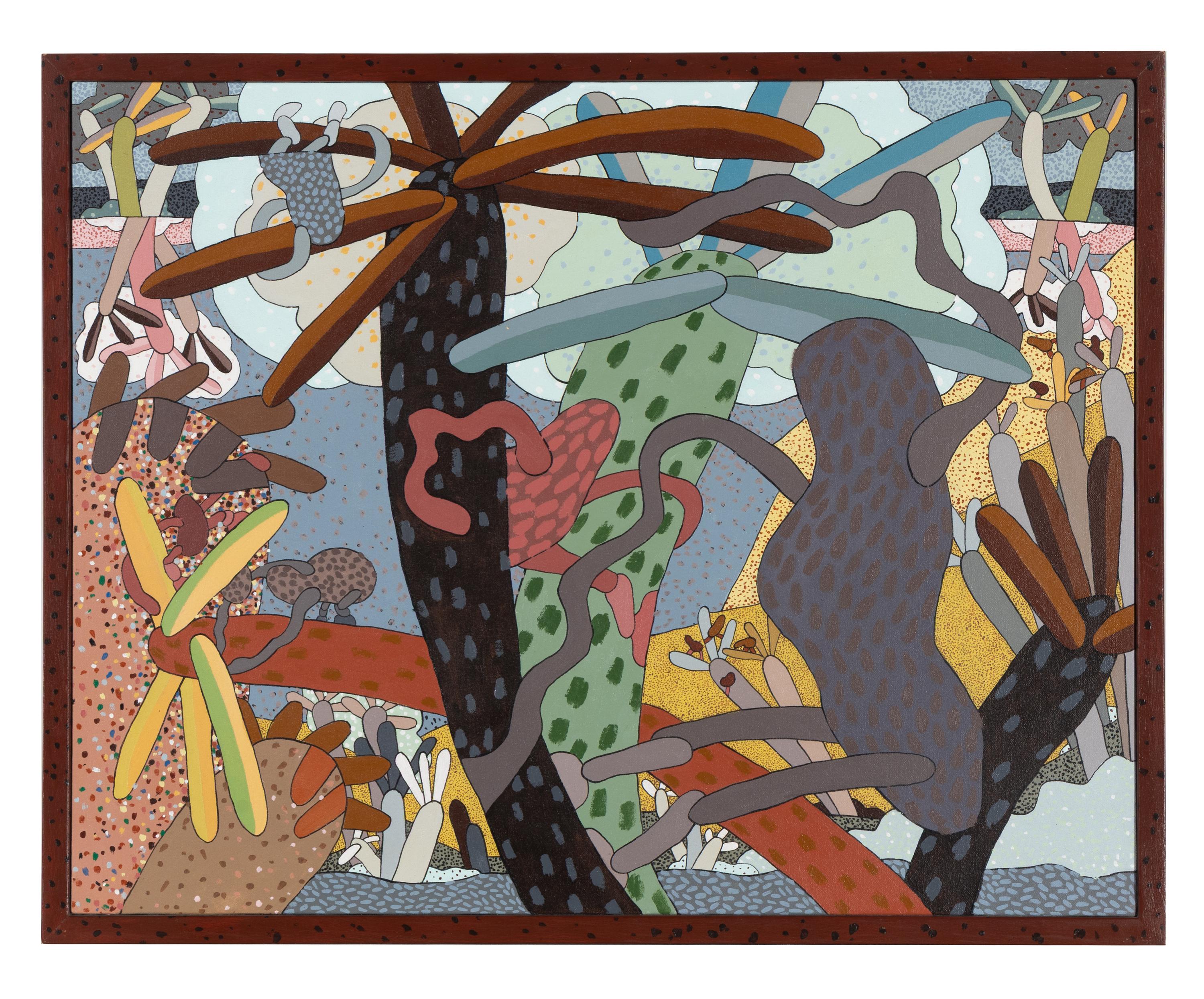
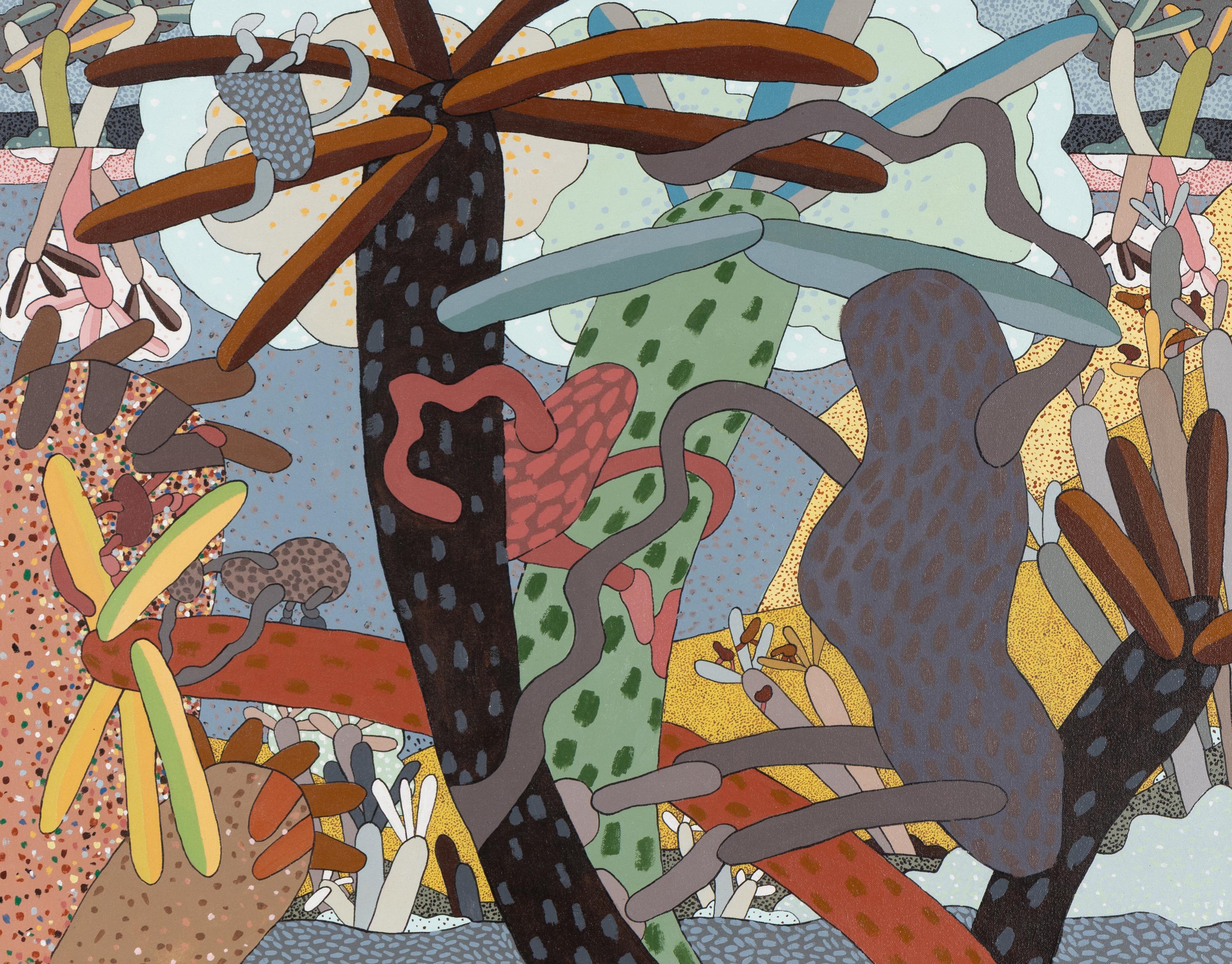
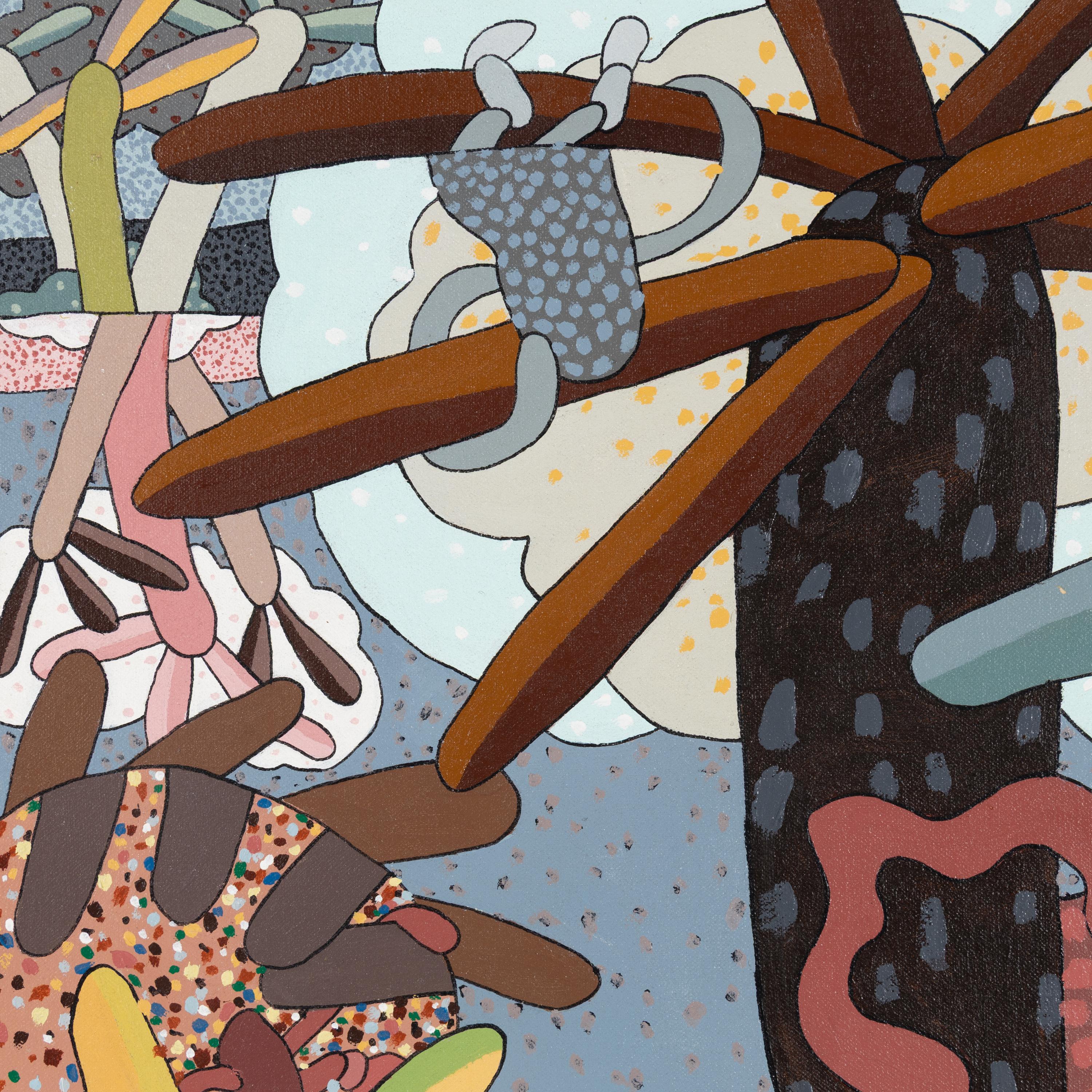
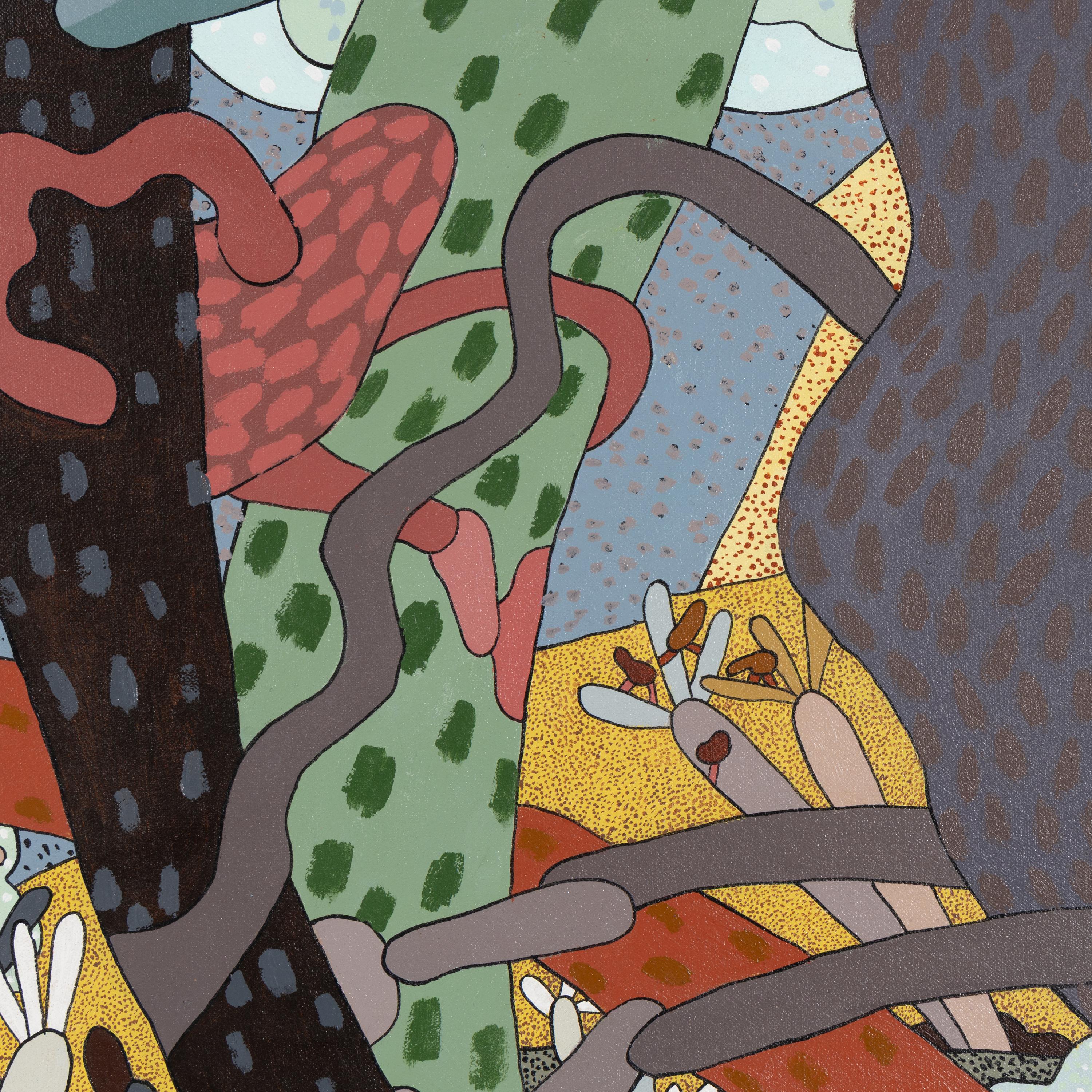
The present painting, Arack-Napes (1972), was created at the height of this phase. A fabulous example of Nilsson’s style of the time, it is at once microscopic and macroscopic; a colorful jungle of intertwining anthropomorphic amoebas, plants, and cells, wiggling and dancing and working together toward an enigmatic goal. The original painted frame, a deep red-brown flecked with black, carries the movement of the canvas out to its edges.
Although painted in California, Arack-Napes was acquired through Phyllis Kind Gallery in Chicago, the dealer long associated with the Imagists, a testament to the artist’s enduring ties to her native city. Those ties would eventually draw her home: Nilsson and Nutt returned to Chicago in 1976 and have lived in the same Wilmette home ever since.
While the painting has remained in one family since its original purchase, it was also included in Nilsson’s impressive 1973 solo exhibition at the Whitney Museum of American Art, Gladys Nilsson, on view from April 12 to May 13. It was the first solo show at the museum for any member of the Hairy Who and one of the first there for a female artist. In the decades since, her work has been exhibited widely and entered the collections of the Art Institute of Chicago, the Museum of Contemporary Art Chicago, the Los Angeles County Museum of Art, the Museum of Modern Art and the Whitney in New York, the Smithsonian in Washington, D.C., and the Yale University Art Gallery, among others.
The painting comes to auction as Nilsson enjoys long-overdue recognition. Gleefully Askew, her first major museum retrospective, is on view at the Crocker Art Museum in Sacramento through November 29, 2026, and travels to the Madison Museum of Contemporary Art in 2027. The Crocker, one of the first institutions to exhibit her work in 1969 and now home to thirty of her pieces, is a fitting venue for the show, bringing the artist full circle to one of the places that helped build her career.
At 86 years young, Gladys Nilsson is still actively creating these wacky universes, and Arack-Napes offers a rare chance to step into one.
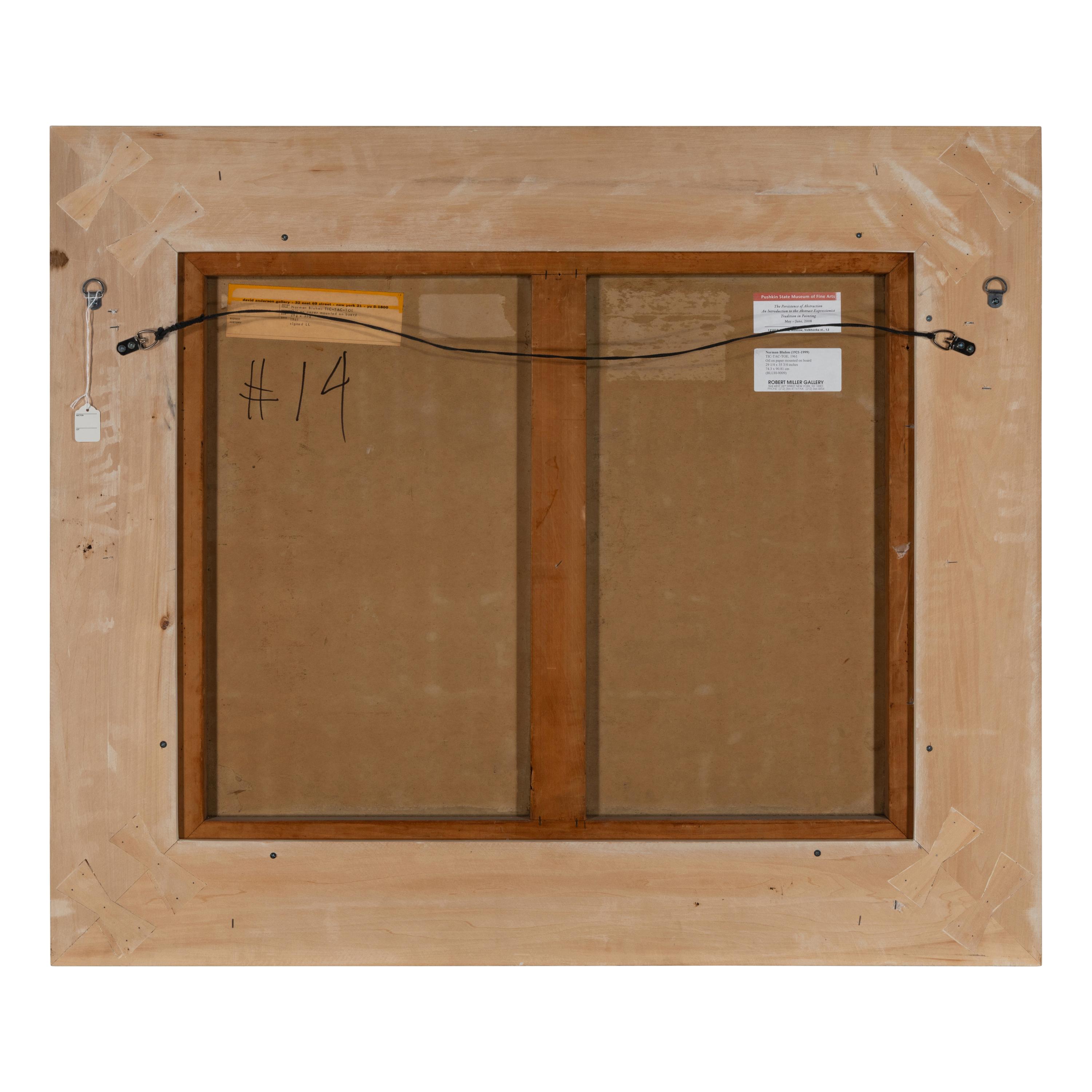
Framed: 24 x 30 in.
Please contact fineart@freemansauction.com for a detailed condition report.
The physical condition of lots in our auctions can vary due to age, normal wear and tear, previous damage, and restoration/repair. All lots are sold "AS IS," in the condition they are in at the time of the auction, and we and the seller make no representation or warranty and assume no liability of any kind as to a lot's condition. Any reference to condition in a catalogue description or a condition report shall not amount to a full accounting of condition. Condition reports prepared by Freeman's staff are provided as a convenience and may be requested from the Department prior to bidding.
The absence of a posted condition report on the Freeman's website or in our catalogues should not be interpreted as commentary on an item's condition. Prospective buyers are responsible for inspecting a lot or sending their agent or conservator to inspect the lot on their behalf, and for ensuring that they have requested, received and understood any condition report provided by Freeman's.
Please email fineart@freemansauction.com for any additional information or questions you may have regarding this lot.