The Cradle and the Craftsman: Diego Giacometti’s Berceau Table
by Roger Ward, Vice President, Head of Department, Design
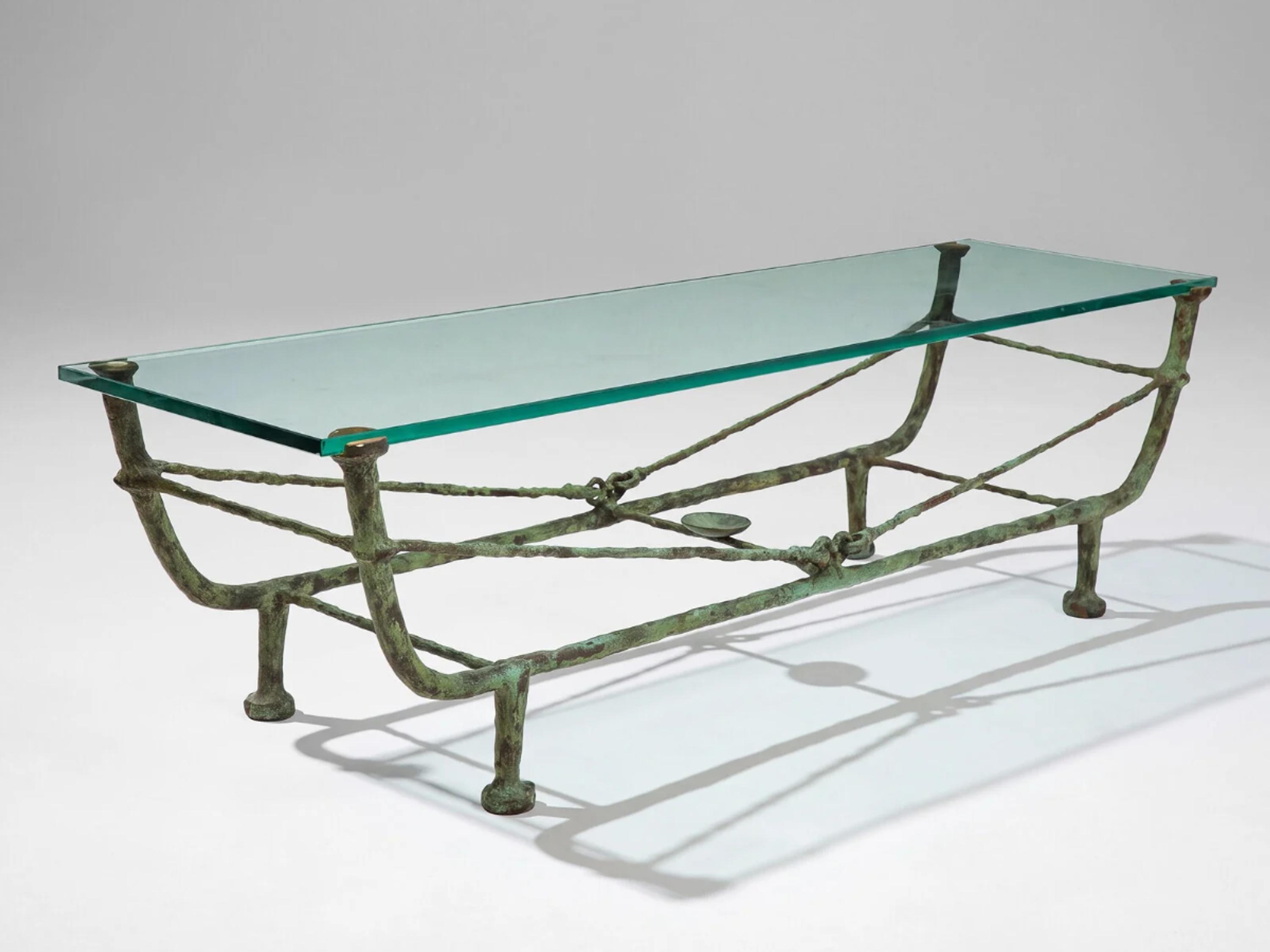
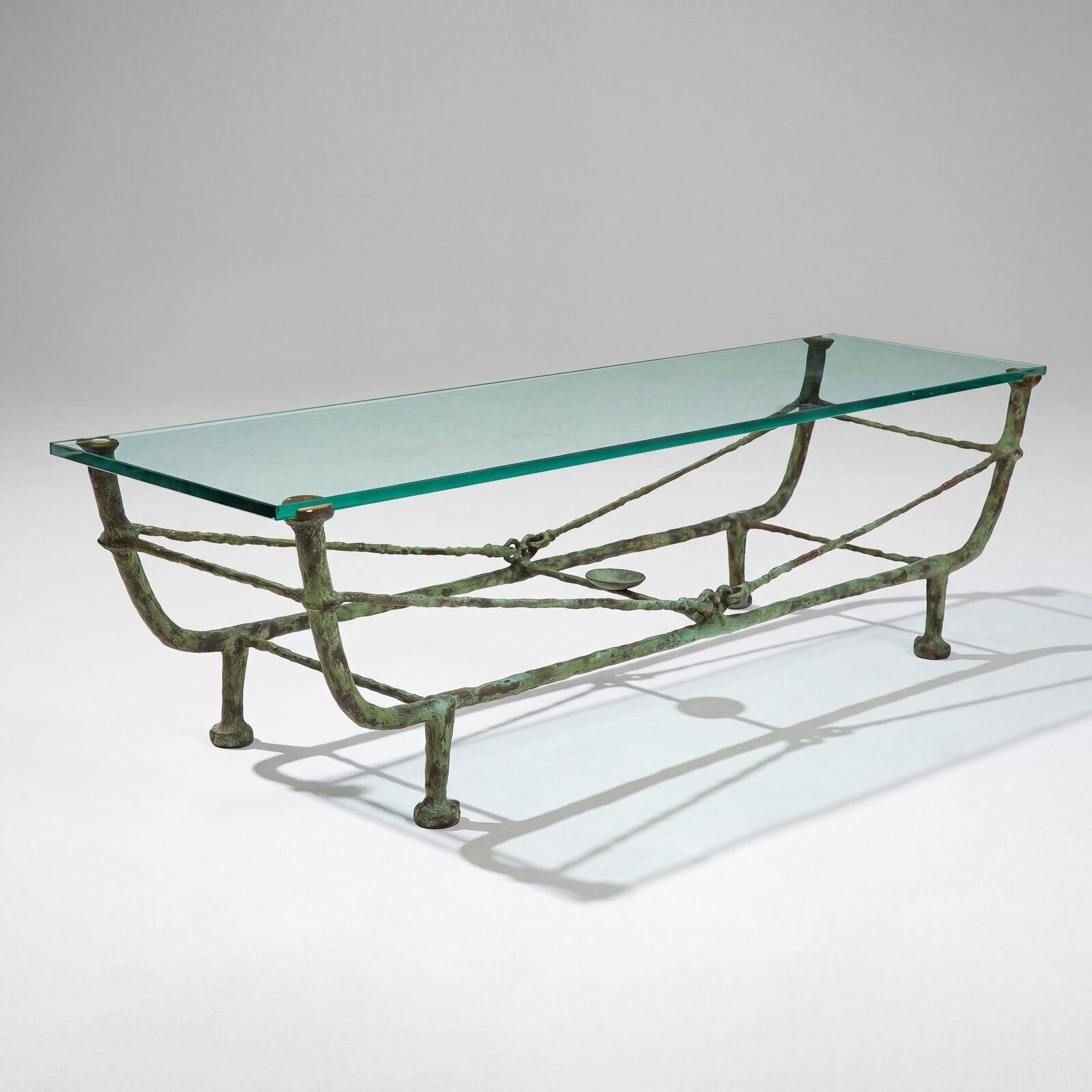
Few works of furniture straddle worlds of art and design as deftly as Diego Giacometti’s Berceau table (Lot 126, $250,000 – $350,000). Diego honed his sculpting skills alongside his brother Alberto in Paris, where they lived and collaborated for four decades, beginning in the late 1920s. While Alberto may have emerged as the more celebrated artist, Diego worked as the skilled artisan who brought Alberto’s visions to life, imbuing their sculptures with distinctive textures and patinas. Together, the brothers moved through Paris’ vibrant artistic and intellectual circles, cultivating friendships with Jean-Paul Sartre, Simone de Beauvoir, and Jean Genet, and partnering with design giant Jean-Michel Frank.

Giovanni Giacometti, Portrait of Diego, 1919. Public domain, via Wikimedia Commons.
During the 1930s, the brothers produced several furniture designs, including tables, chairs, and lamps, in conjunction with Frank. Over time, these “functional sculptures” became Diego’s preferred form of expression, allowing him to meld his artistic instincts with the craftsmanship he had honed over years of working with Alberto. After Alberto’s death in 1966, Diego continued making the bronze furniture that would define his enduring legacy.
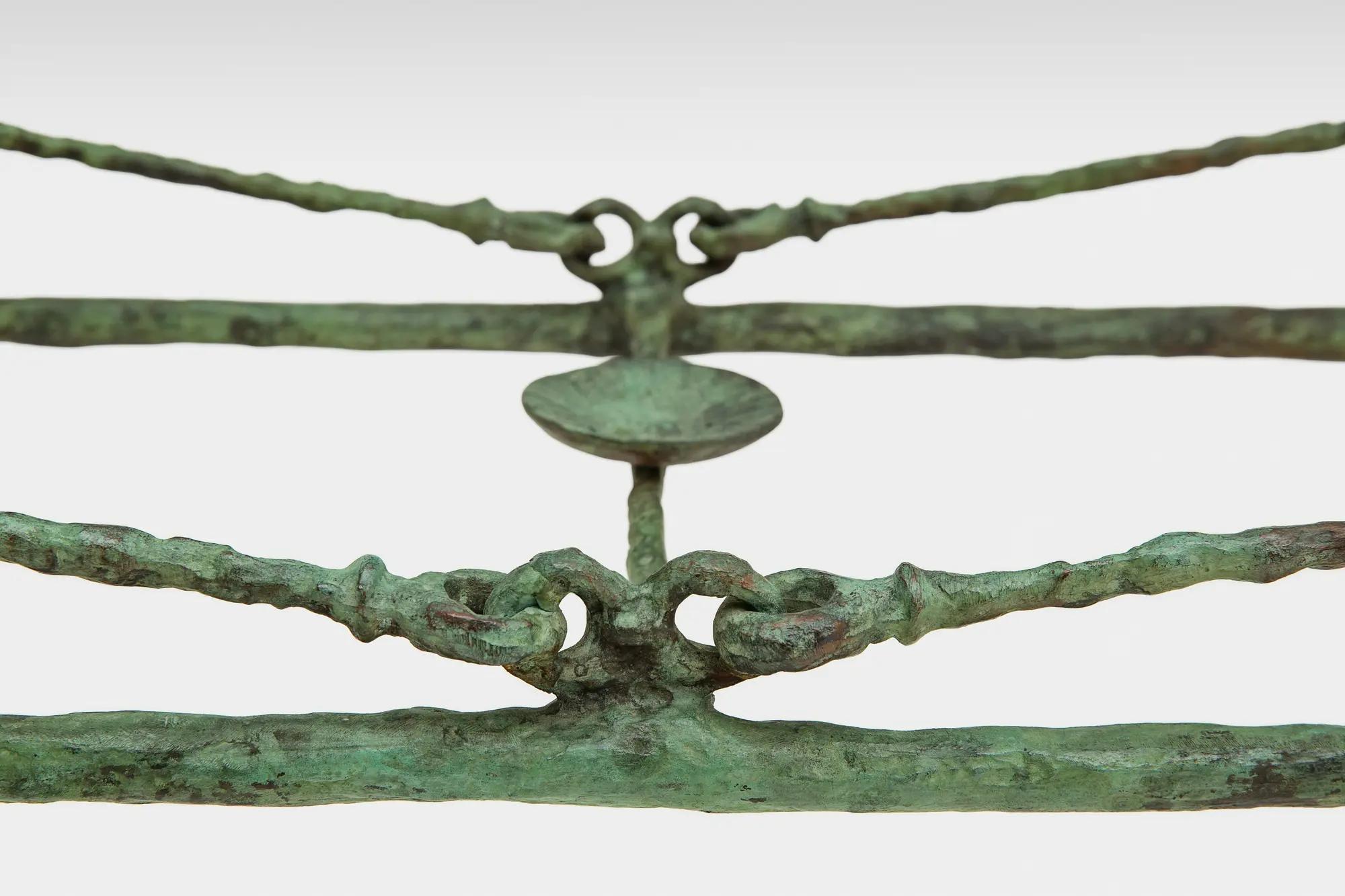
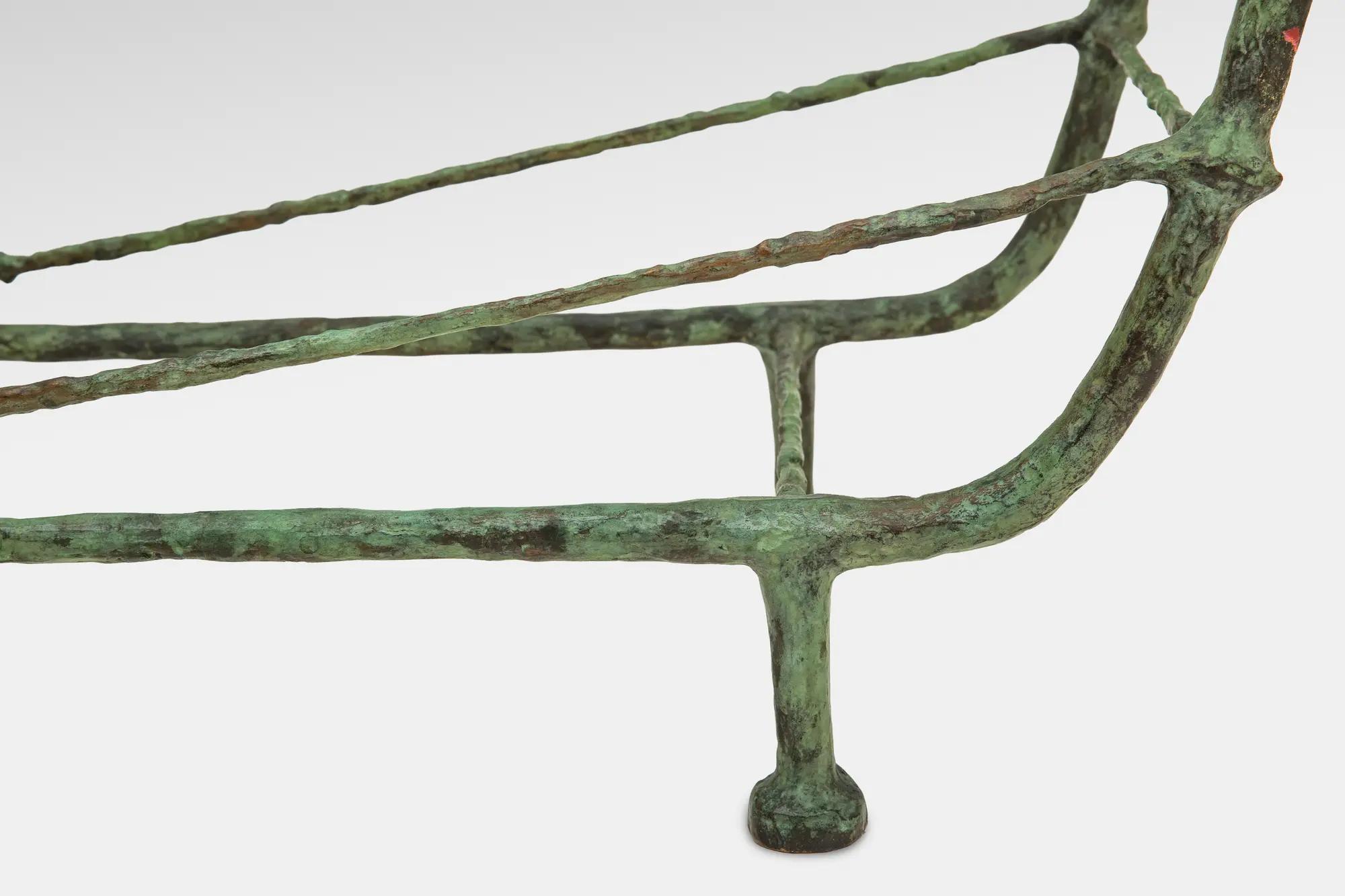
Conceived in 1963, the Berceau table, première version, captures Diego's evolution and emergence as an independent artistic voice. The table’s design is defined by a compelling interplay of contrasts. Slender legs sweep gracefully to form the “berceau” (French for 'cradle') and lend the table a sense of weightlessness that belies the sturdy bronze construction. The richly textured, patinated surface introduces an almost elemental quality, set against the visual delicacy of the thick glass top. Through its balance of elegant lines and the tactile, hand-formed character of the bronze, the table demonstrates Diego’s remarkable command of proportion, material, and form. The result transcends the conventional boundaries between furniture and sculpture, uniting expressive vitality with functional purpose.