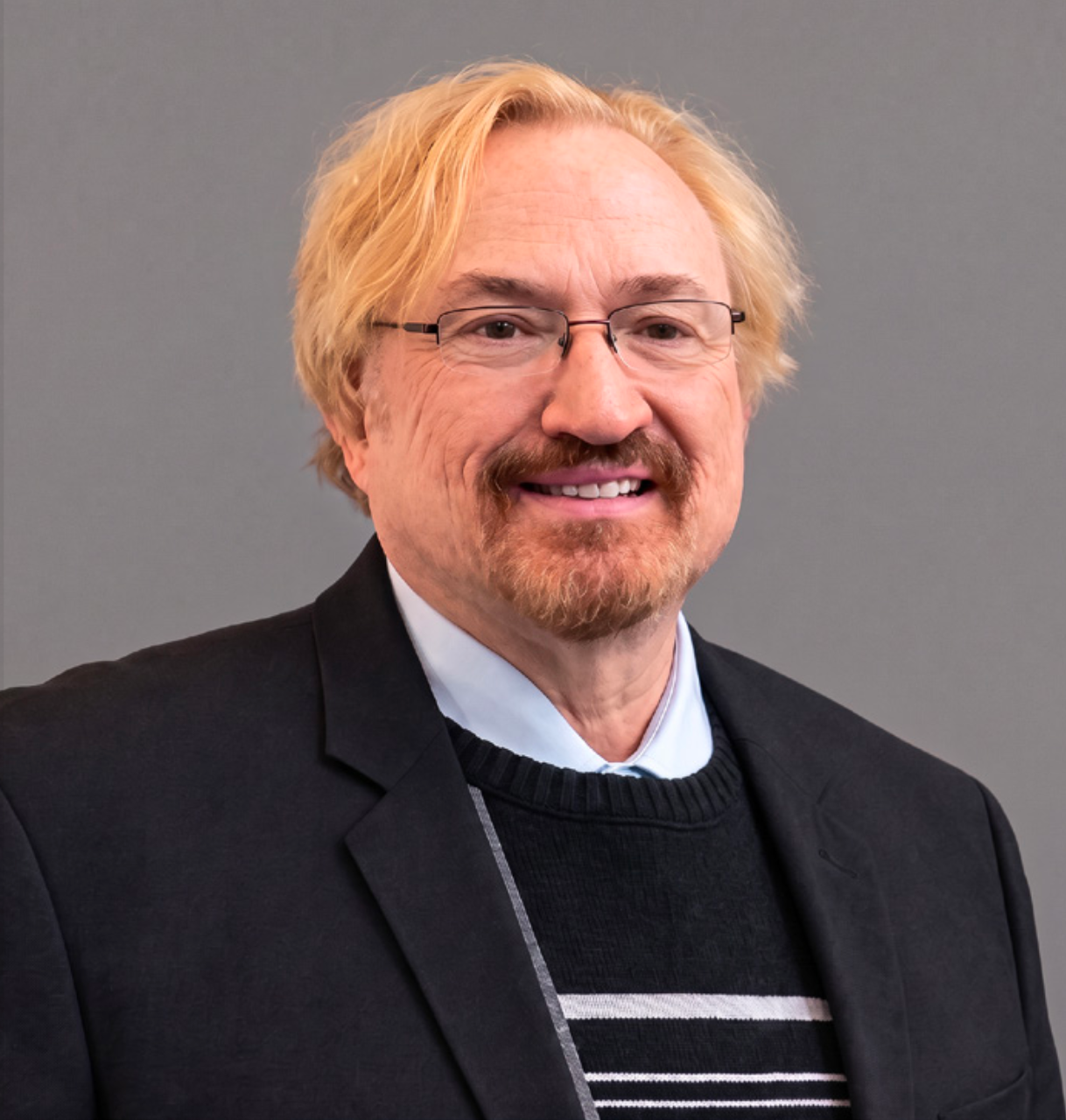
Scholar, Collector, Curator.
Dr. Thomas Folk on a Life in American Art
Adam Veil:
Over your career, you’ve engaged with American art from nearly every angle—as an author, curator, educator, and collector. How have these distinct roles informed one another throughout your life, and what new projects are occupying your focus today?
Dr. Thomas Folk:
I am also a senior and certified member of the Appraisers Association of America. And although I am not teaching anymore, I have been a college professor for over thirty years and have been a curator at the Michener Art Museum as well. Although I have worn many hats, I did not necessarily wear them at the same time. I also published several books, wrote over 40 articles, and curated numerous exhibitions. I now want to host a few exhibitions focused on my American ceramics collection. The first will be “Masterworks of NJ Ceramics, from the Revolution to circa 2000,” which will open at the Morris Museum in Morristown in May 2027. Subsequently, there will be another exhibition on “ Southern Ceramics,” which will be held at a couple of southern museums. Then, I am thinking of working on an exhibition of another Pennsylvania artist, but he is a surrealist, not an impressionist.
Adam Veil:
Your forthcoming catalogue raisonné is a milestone in Edward Redfield scholarship, but your connection to the Pennsylvania Impressionists goes back much further. How did your early encounter with this circle lead you to Redfield, and why do you think his work held such dominance in early 20th-century American art?
Dr. Thomas Folk:
My late mother discovered a painting by Daniel Garber in the 1970s. By that time, it seemed that almost everyone had forgotten him. She had tried to sell it at Sotheby’s, but they had rejected it for auction. As a young man, I thought it was the greatest painting I had ever seen, and I hung it in the front hall, where everyone could admire it. It would no longer be for sale! Later, in graduate school, I wanted to study American art and went to see the other artists who worked around Garber. Redfield was the most prominent, and he soon became my favorite. And he became the basis for my first exhibition, held at Rutgers, which was a considerable success for me at the time. Winter Afternoon, which Freeman’s will be offering this December, was on the cover of that first catalogue. The critics of Redfield’s time felt that he and his circle were the leading landscape painters in America. For the first three decades of the twentieth century, they certainly won all the major awards at the leading American art institutions.
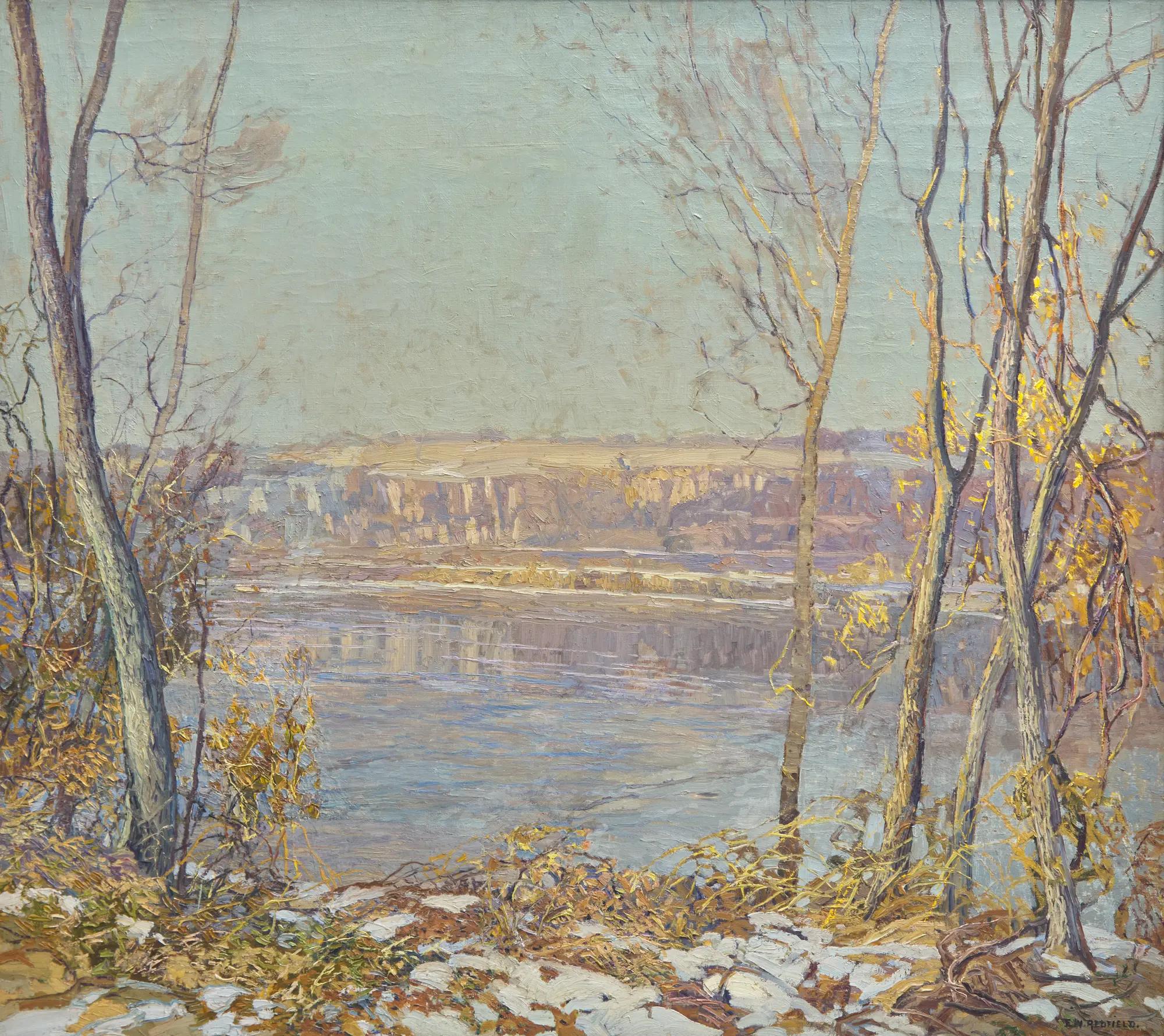
Lot 107 | Edward Willis Redfield (American, 1869-1965)
Winter Afternoon, c. 1917
Estimate: $250,000 - 400,000
Adam Veil:
Redfield’s Winter Afternoon—a highlight of Freeman’s December 8 American Art & Pennsylvania Impressionists sale—is rendered on an expansive 50 x 56 inch canvas. What was the significance of working at this monumental scale for Redfield’s exhibition strategy, and what makes this particular view of Bucks County so memorable?
Dr. Thomas Folk:
Redfield painted basically in five sizes. At 50 x 56 inches, Winter Afternoon is among his largest. I think it may be because they fit more easily into crates when transported nationally from place to place. The large size helped him to win awards at exhibitions—no doubt about. It’s like looking through a large picture window out onto a snow scene in Bucks County. Such a scene would appeal to most people, both then and now. Redfield actually could have exhibited this painting even more than he did. That’s because I think he liked it and wanted to keep it. It was later acquired from his estate by his granddaughter, who may have admired it from time to time—enjoying its expansive view across the Delaware River toward a New Jersey quarry.
Adam Veil:
While widely recognized for your scholarship on the New Hope painters, you also maintain a major collection of American ceramics. Where do these two worlds intersect for you, and how did figures like Redfield interact with the prominent ceramic artists and craft leaders of their day?
Dr. Thomas Folk:
I collect both 19th and 20th century American ceramics, including the work of ceramic artists that Redfield admired, such as Henry Chapman Mercer. However, Redfield had commented that Mercer’s “Fonthill” was not American- looking enough in his opinion. He thought it looked like a German “Rathskeller!” Clearly, Redfield had a very specific vision of what defined an authentic “American” aesthetic. Debates like this are precisely why collecting from this era is so fascinating for me. The tension between Mercer’s Old World historical influences and Redfield’s preference for a distinctly American look captures a pivotal moment in American craft history.
Adam Veil:
As your catalogue raisonné nears completion, how do you evaluate Redfield’s contribution alongside earlier generations of American Impressionists—such as 'The Ten'—and what central legacy do you hope this record establishes for his work?
Dr. Thomas Folk:
I have tremendous admiration for 'The Ten' American Painters—particularly William Merritt Chase and Frank Benson—but these artists remained heavily indebted to French Impressionism. Redfield was different. He deeply admired Monet and even married a French woman, yet his canvases remain unapologetically American. In the broader story of American painting, he marks a clear, confident departure from Europe. Viva Redfield! I hope my forthcoming catalogue raisonné makes this point clear to everyone.