Early Photographs by László Moholy-Nagy Sold to Benefit the Bauhaus Chicago Foundation
By Monica Brown, Senior Vice President, Head of Photographs
In the September 22, 2026 Photographs auction, Freeman’s will feature a selection of works to benefit the Bauhaus Chicago Foundation (BCF). Founded in 2010, BCF is a not-for-profit whose mission is ‘to ensure that the educational principles formulated in the field of creative arts at the Bauhaus and taught by László Moholy-Nagy in Chicago between 1937 and 1946 are preserved and documented for future generations.’ After its founding, the Foundation became an impressive repository of documents, photographs, artworks, and writings preserving the legacy related to Moholy’s school. This research collection expanded significantly through gifts and bequests of primary source material. A great share of the archives and artworks collected were gifted to the Ryerson & Burnham Archives at the Art Institute of Chicago, BCF’s esteemed partner. That collection represents some 160 faculty and students of László Moholy-Nagy’s New Bauhaus/Institute of Design. Other artworks have been gifted to numerous university museums in Illinois and Indiana as well as fifteen other museums in Canada, Japan, Germany and the United States.
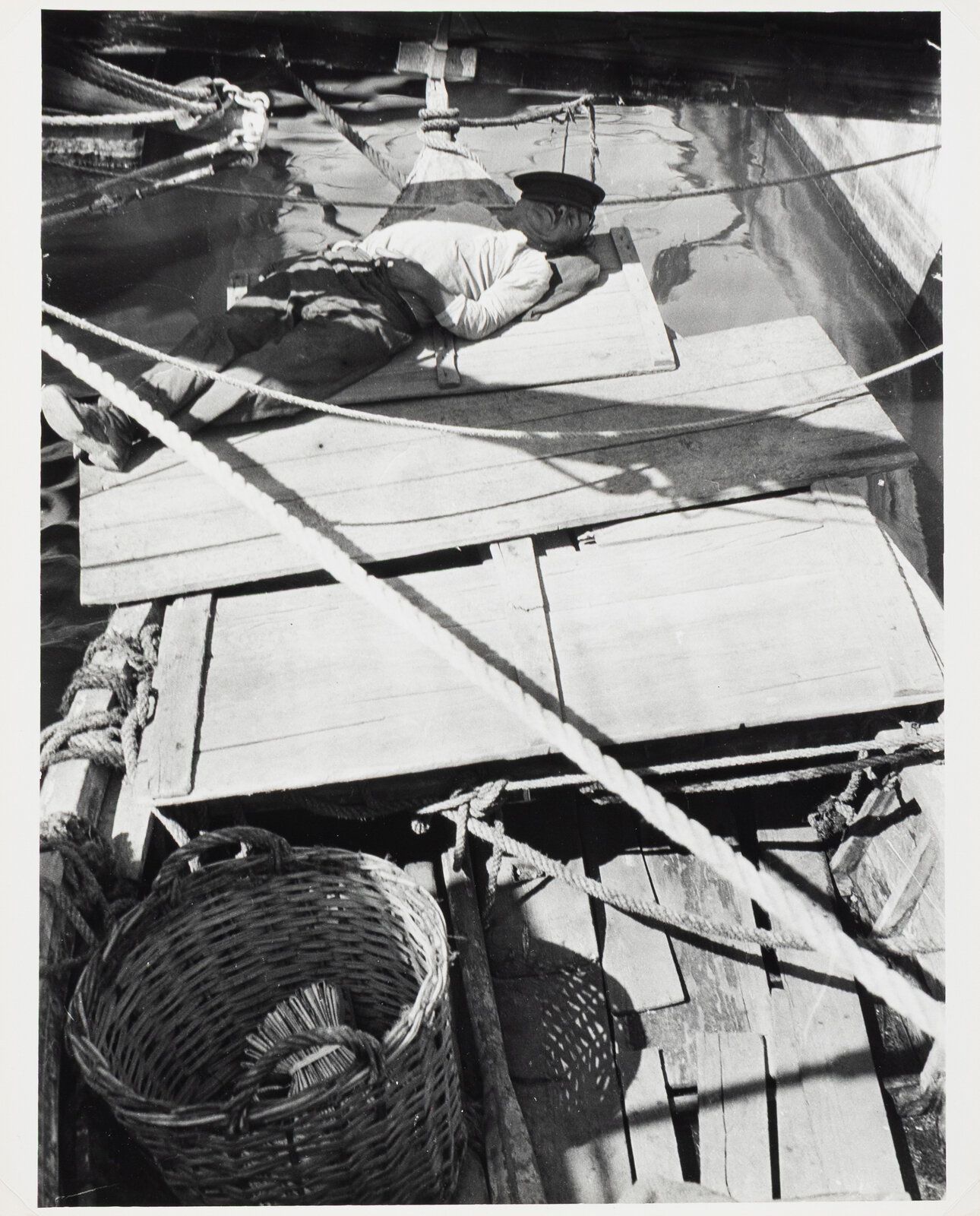
Lot 17 | László Moholy-Nagy (Hungarian, 1845-1946) | “Marseille,” 1929-1932 | printed later | Estimate: $4,000 – $6,000
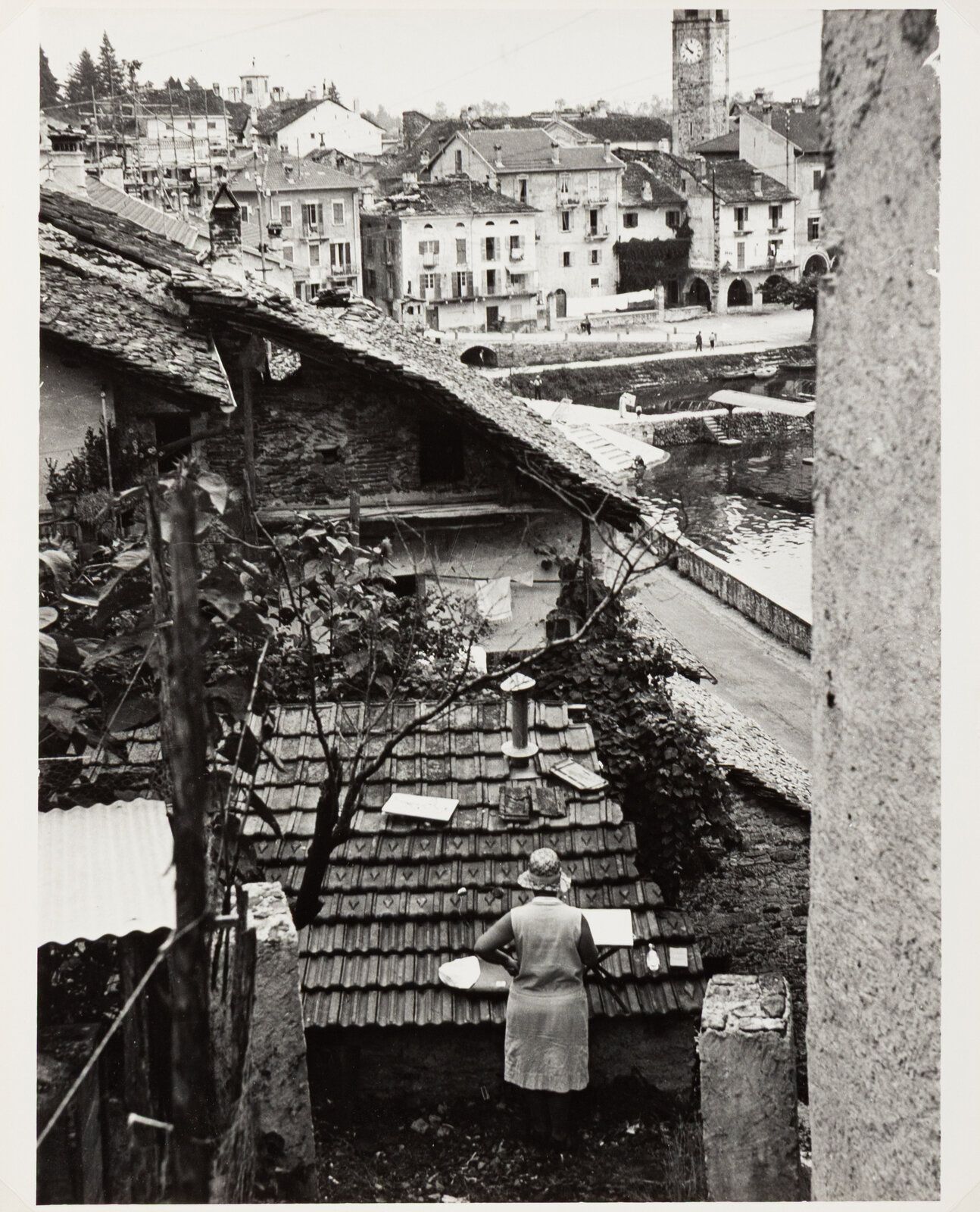
Lot 12 | László Moholy-Nagy (Hungarian, 1845-1946) | “Ascona,” 1929 | printed later | Estimate: $4,000 – $6,000
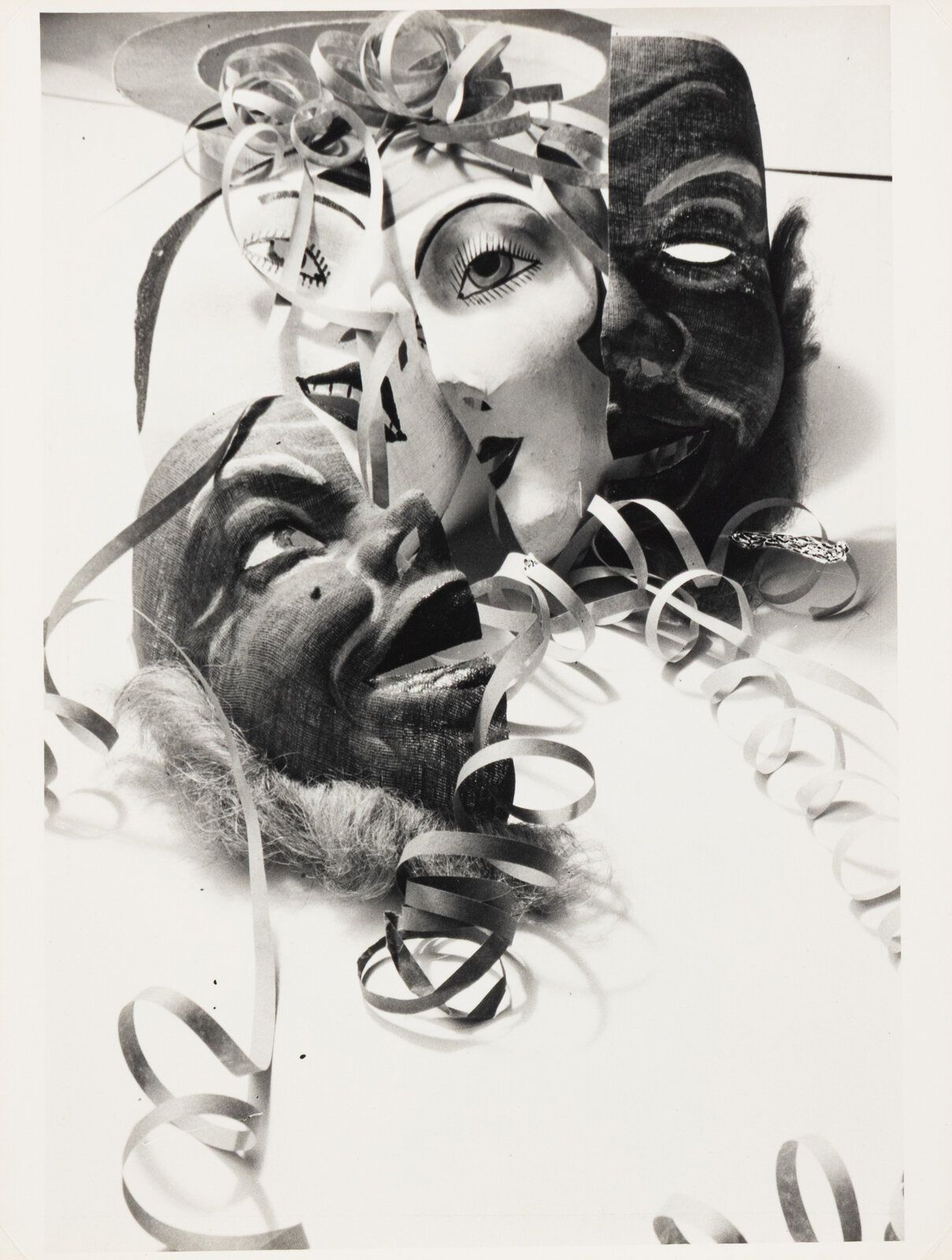
Within this offering, the Bauhaus Chicago Foundation is presenting a rare group of photographs from Moholy-Nagy’s European period. These vintage lifetime photographs were printed by Yuichi Idaka in the early 1940s while Idaka was at the School of Design/Institute of Design in Chicago. Idaka was a student of Moholy-Nagy and was a part of the faculty at the Institute from 1943-1945.At that time, it was difficult for Japanese Americans to enter technical fields, however Idaka’s chemistry background and interest in photography made him a perfect candidate for the Institute and for collaborations with Moholy. Importantly, Moholy’s daughter, Hattula Moholy-Nagy, in the introduction to Jeannine Fiedler’s 2019 book Moholy Album, where each of the works presented here are documented, confirms that:
Moholy did not print his own photographs. We know from other sources that he handed over this stage of the process to others. Much of the developing and printing was done by his first wife, Lucia Moholy. A great deal was also carried out by various professional printers… A student who attended the School of Design in Chicago in the 1940’s told me that even in the creation of his photograms, Moholy would compose the picture and expose it in the darkroom, but the students would develop the prints because Moholy was allergic to the chemicals.[1]
This group of photographs represents a unique aspect of Moholy-Nagy’s school, founded in 1937 as the New Bauhaus. These prints were authorized and printed during Moholy-Nagy’s lifetime. Hattula Moholy-Nagy viewed these photographs in the 1990s after Idaka sent her the group. She subsequently returned the photographs to him in 1999 telling him that she believed the original negatives were lost. The cataloging here reflects her most accurate data of place names, subject, and dates.
Yuichi Idaka
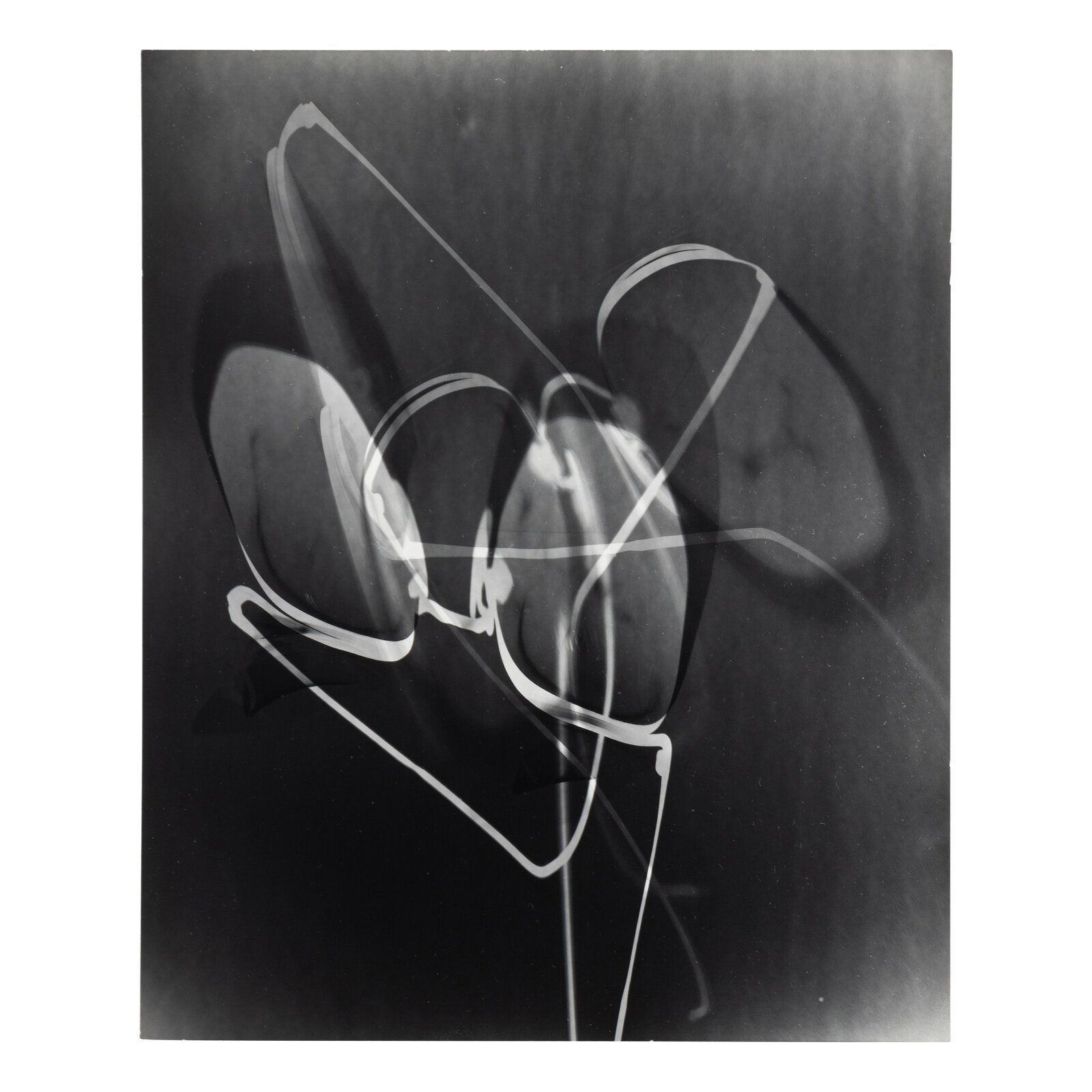
Lot 26 | Yuichi Idaka (American, 1914-2012) | “Untitled,” 1942-1945 | Estimate: $1,500 – $2,500
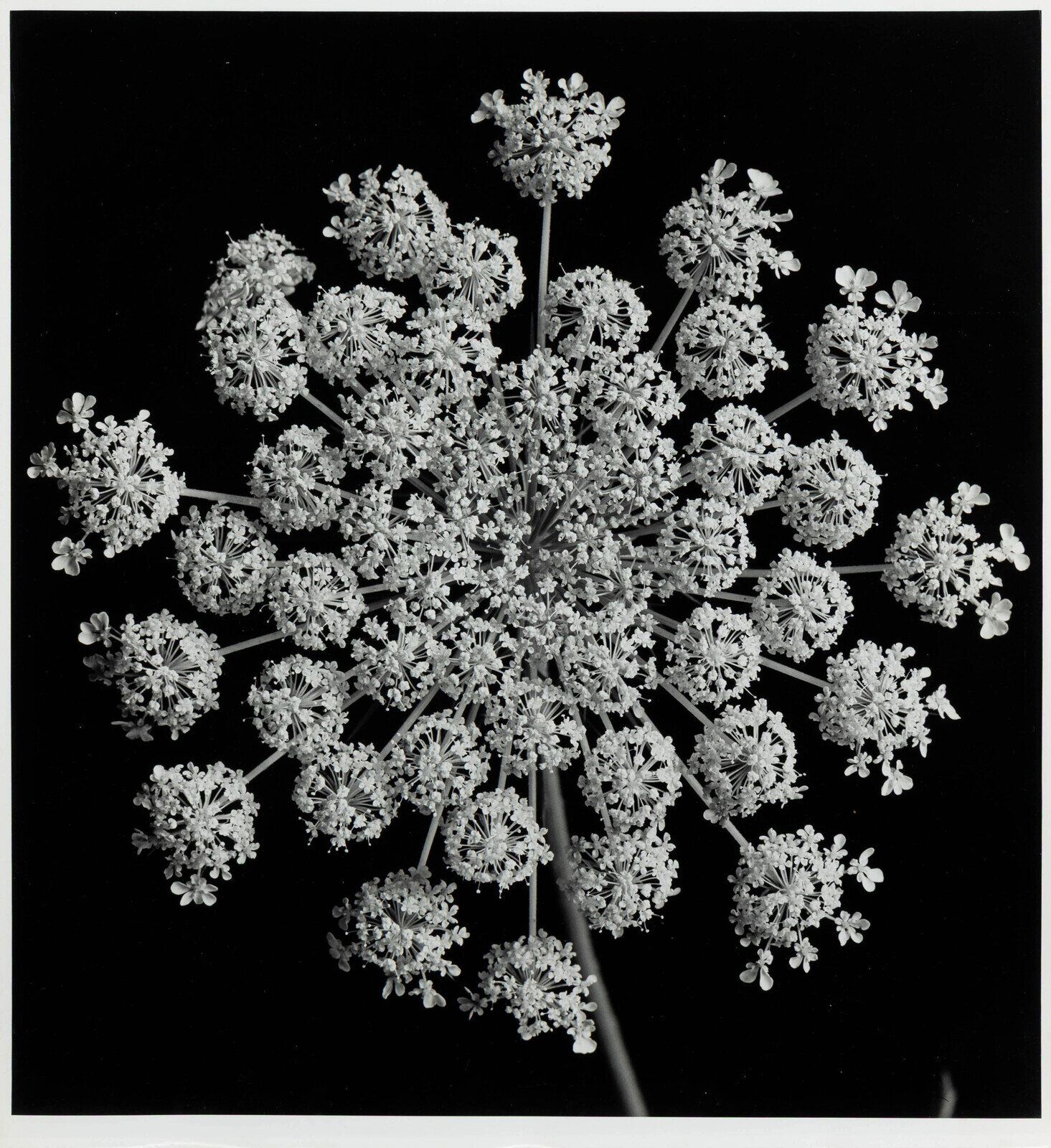
Lot 22 | Yuichi Idaka (American, 1914-2012) | Queen Anne's Lace | Estimate: $1,500 – $2,500
An accomplished photographer in his own right, Idaka’s early photographs and photograms presented here were chosen specifically to showcase his keen eye After his tenure at the Institute of Design from 1943-45, he continued his own photography business in Chicago, earning photography commissions for advertising agencies and art editors of magazines and newspapers. He was the exclusive photographer for Florida Architecture magazine for his last twenty-three years before retirement. His work appears in nearly twenty museum collections, notably the Bauhaus-Archiv, Berlin; National Museum of Modern Art, Tokyo; Tokyo Metropolitan Museum of Photography; Getty Museum; Museum of Modern Art, New York; Art Institute of Chicago; Moholy-Nagy Foundation; Smart Museum of Art and Regenstein Library (papers/archive), and University of Chicago, among others.
Art Sinsabaugh
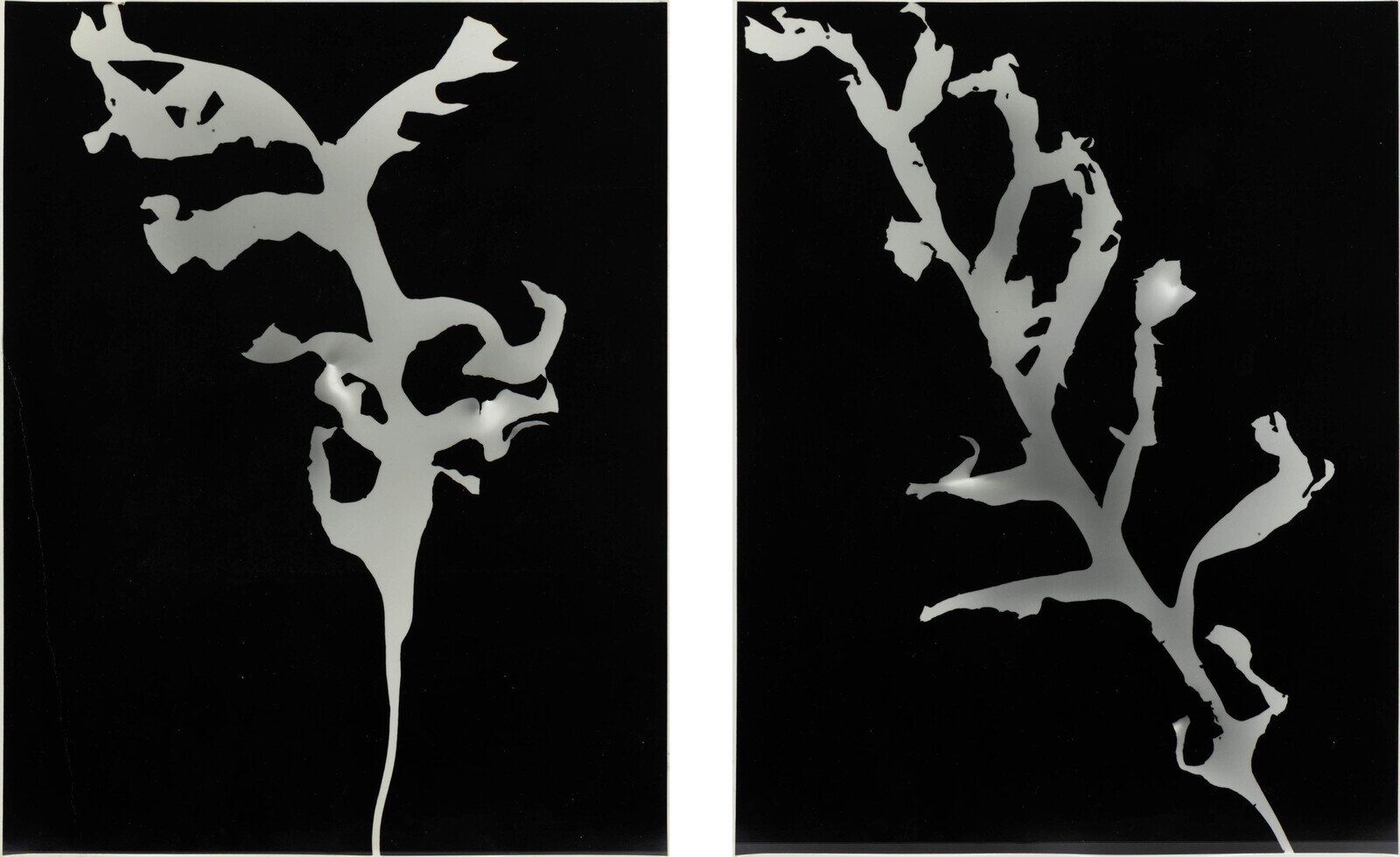
Lot 30 | Art Sinsabaugh | (American, 1924-1983) | Two Works | Estimate: $1,200 – $1,800
A student of the Institute of Design (BA in Photography, 1945-49 | MA in Photography, 1952) and faculty from 1949-1959, Art Sinsabaugh (1924–1983) became best known for his panoramic photographs of the Midwestern landscape. Born in Irvington, New Jersey, he served as a photographer for the U.S. Army during World War II before moving to Chicago, where he studied with the likes of Harry Callahan, and Arthur Siegel. The selection of photographs and photograms presented here is very early work and experimental in nature. Though certainly not the Midwest landscapes he became known for, these late 1940s works fully exemplify his passion for the medium and for the natural world around him.
Architecture
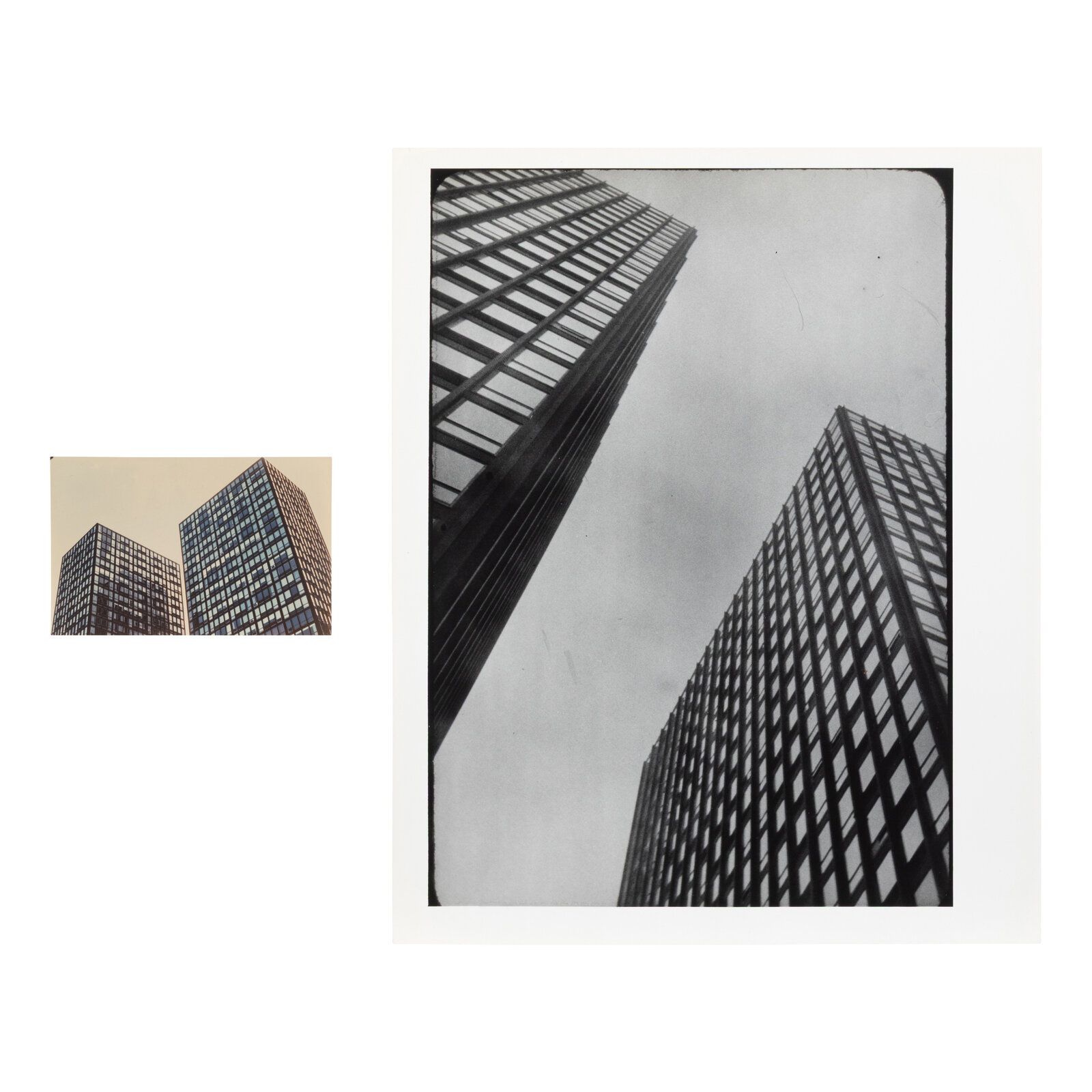
Lot 34 | Howard Dearstyne (American, 1903-1979) | A pair of photographs of Ludwig Mies van der Rohe's 860-880 North Lake Shore Drive | Estimate: $300 – $500
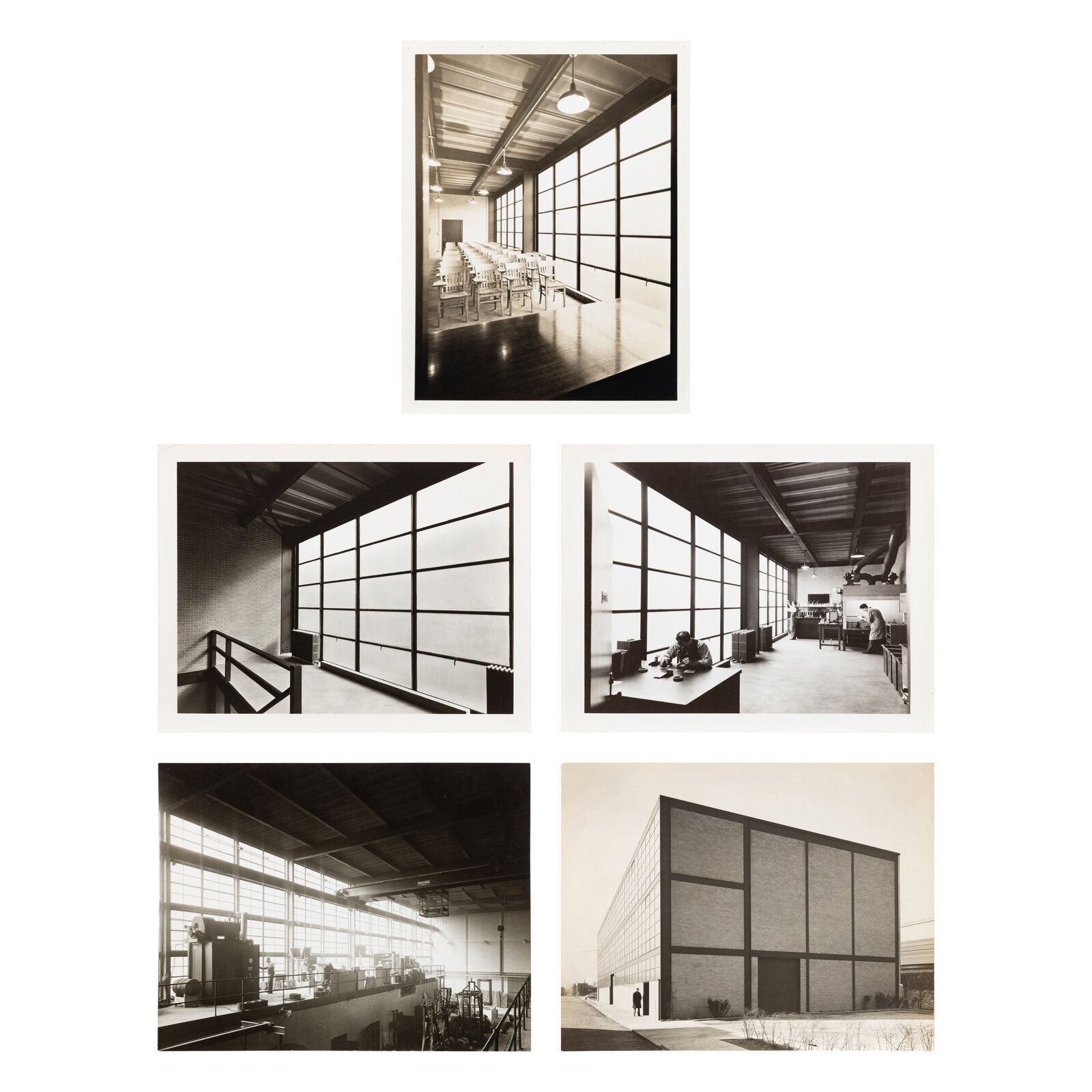
Lot 33 | Hedrich-Blessing Studio | A group of five photographs of Ludwig Mies van der Rohe's Minerals and Metals Research Building at the Illinois Institute of Technology, the architect's first building in the United States | Estimate: $800 – $1,200
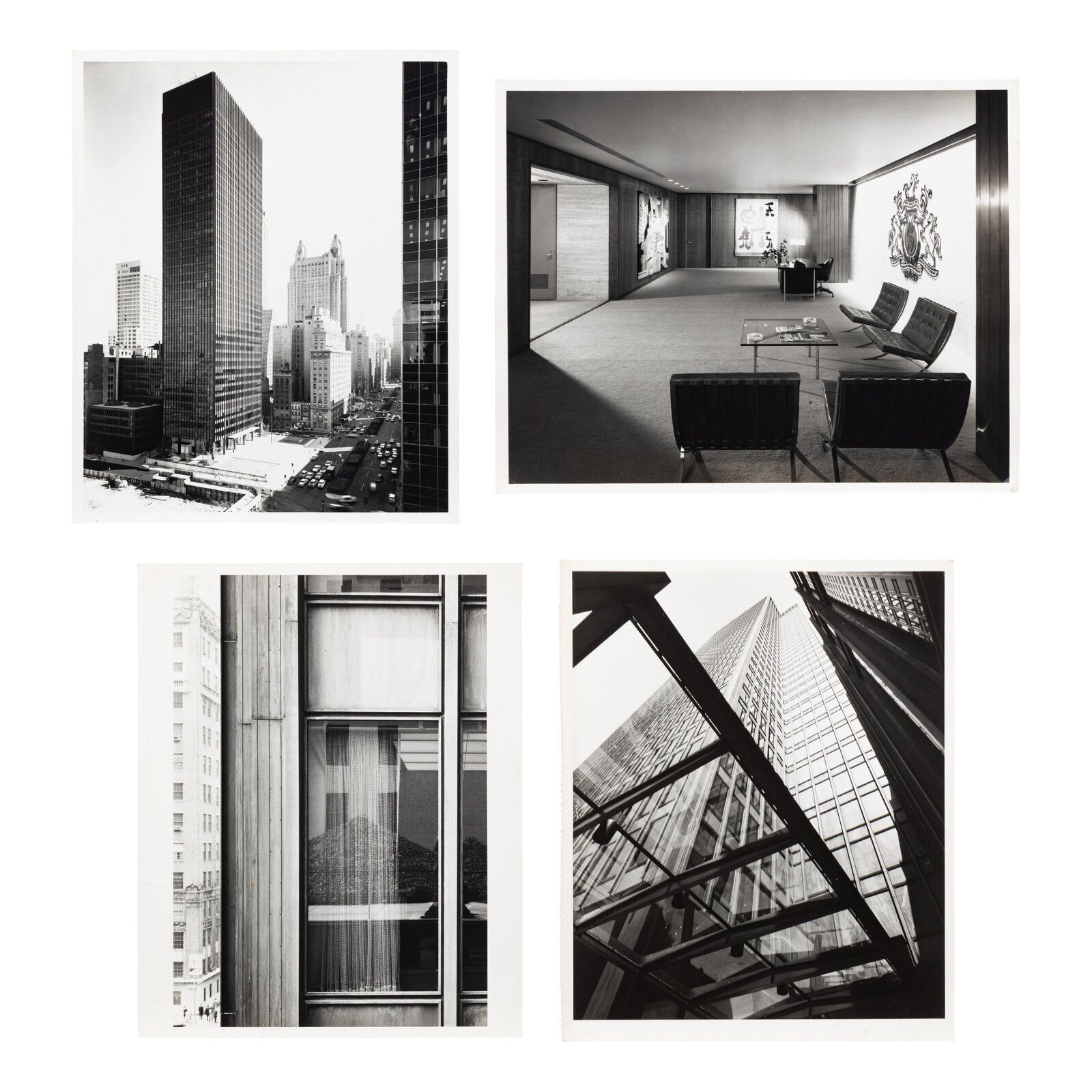
Lot 35 | Ezra Stoller (American, 1915-2004) | A group of four early photographs of Ludwig Mies van der Rohe's Seagram Building, New York, ca. 1958 | Estimate: $800 – $1,200
Photography at the Institute of Design was one of the most important programs in the United States from the 1930s to the 1960s. It formed the backbone of the modern artist-photographer in that era and beyond. The influence of architecture and design was all around them. As the original founder of The Bauhaus, architect Walter Gropius’ ideas were inherently permeating the curriculum, but also the physical presence of Mies van der Rohe and his buildings in Chicago and beyond, helped to train their eyes to the Modern. The images of Mies van der Rohe’s iconic buildings by Howard Dearstyne (860-880 North Lake Shore Drive), Hedrich Blessing (Minerals and Metals Research Building at IIT), and Ezra Stoller (Seagram Building, New York) are included in this selection in order to show us the visual urban landscape that was developing during this period. Some examples of these Stoller and Hedrich-Blessing studio photos even include stamps relating to Mies van der Rohe and the building projects directly.
Proceeds from this group of photographs in our auction will benefit the continuing work of the Bauhaus Chicago Foundation.