Condition Report
Contact Information
Auction Specialist
Lot 512
Sale 960 - American Historical Ephemera & Photography
Nov 15, 2021
11:00AM ET
Live / Cincinnati
Own a similar item?
Estimate
$700 -
1,000
Price Realized
$1,875
Sold prices are inclusive of Buyer’s Premium
Lot Description
[CIVIL WAR]. Archive related to Albert Campbell Johnston and Nathaniel Dillhorn, 90th Pennsylvania Volunteers, incl. letter detailing the Battle of Cedar Mountain.
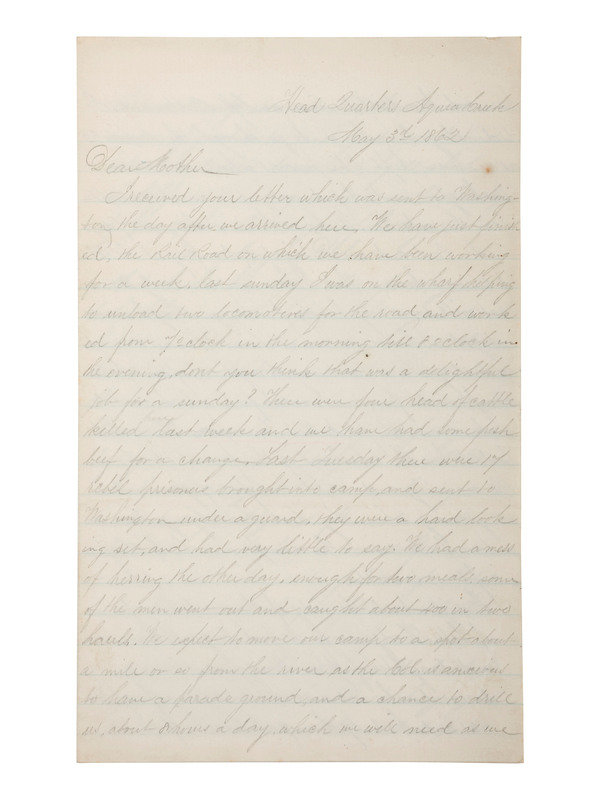
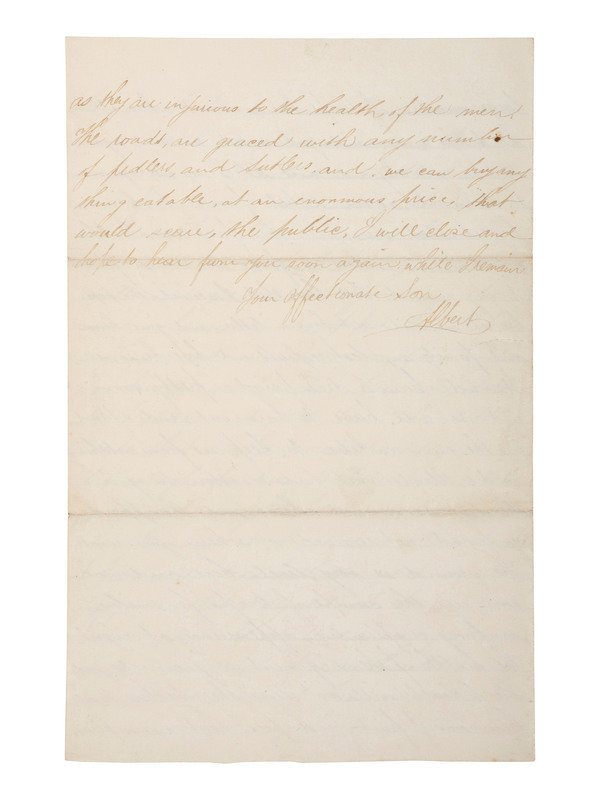
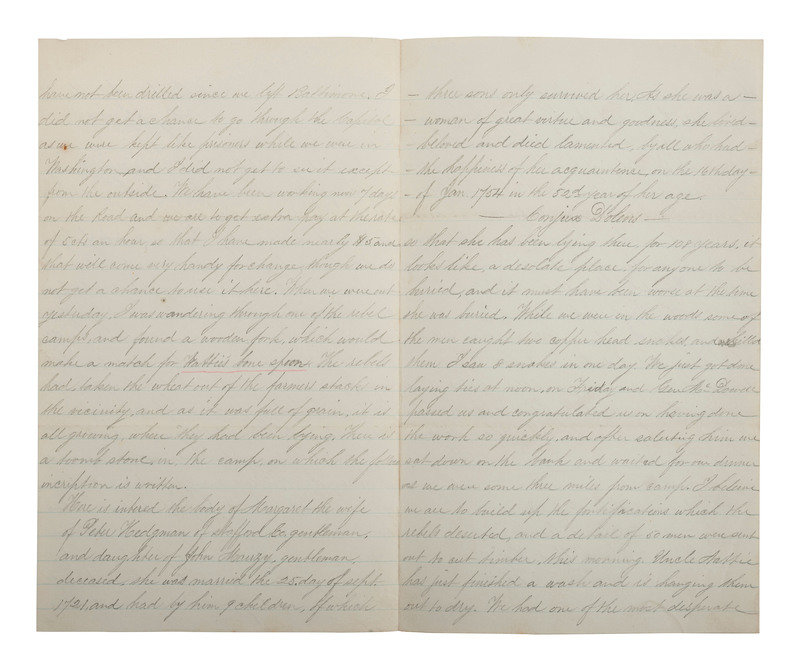
13 letters all from Albert Campbell Johnston (1839-1923) to his mother, Sarah Dilhorn Johnston (1812-1903). Enlisted in 90th Pennsylvania Vol. Infantry in late November 1861 along with his uncle, his mother’s brother, Nathaniel Dllhorn (1818-1902). Throughout these letters to his mother, written between the 1st of April and mid-September 1862, he mentions “Uncle Nattie,” as well as his own siblings “Vic” (Mary Victoria) and Walter. It is unclear who Alexander is, but he seems to be another extended relative living in Washington, DC. The last letter in this group names a number of family members who got together at Alexander’s house in September 1862. Albert survived the war and married a few years after returning home, to Frances Cooper, and they had three children, two of whom survived into adulthood.
[With:]
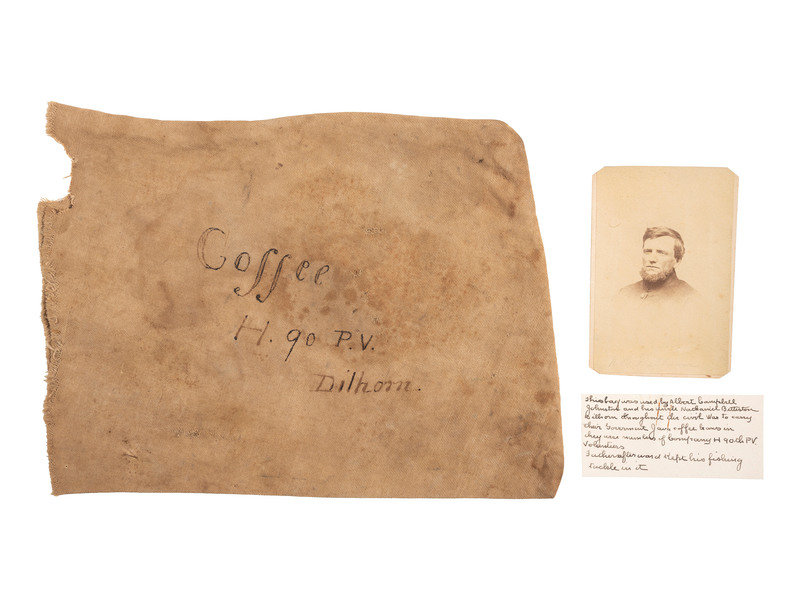
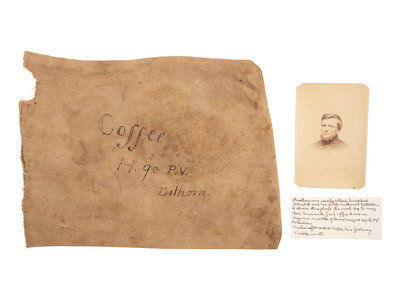
Cloth bag, approx. 7 x 9 in. with hand-lettering "Coffee / H 990 P.V. / Dilhorn." This was reportedly used by Nathaniel and Albert to hold their favorite coffee beans in the field.
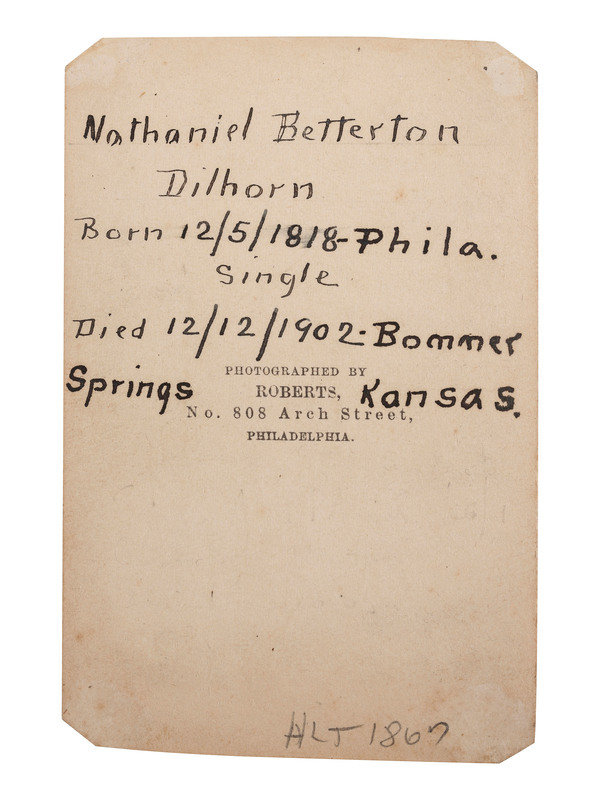
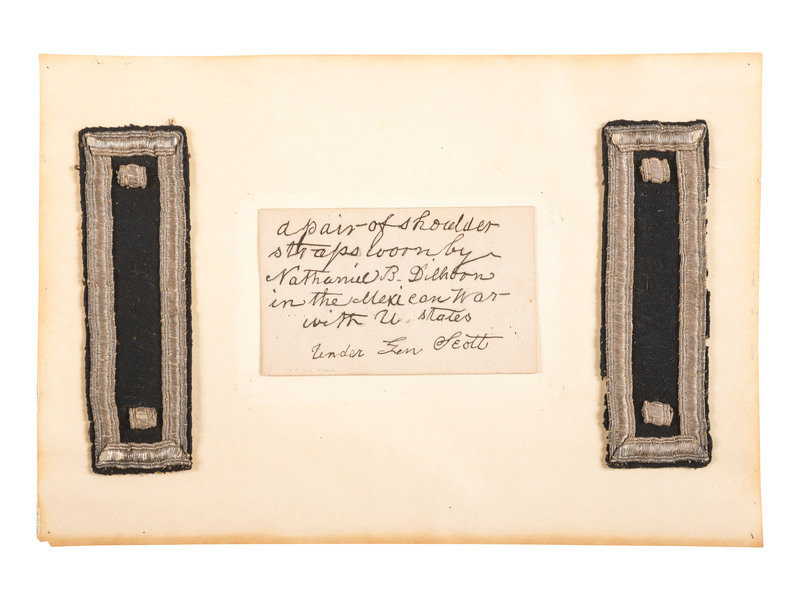
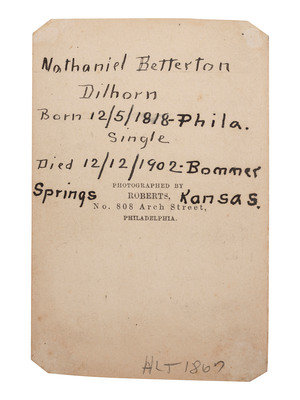
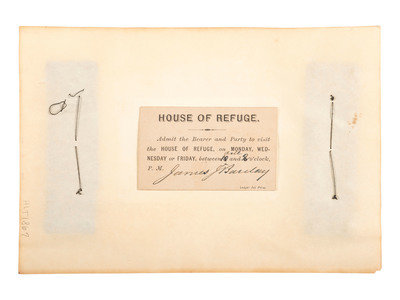
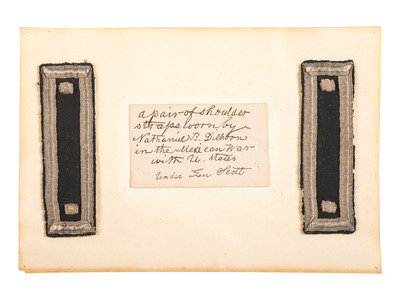
Also with a cdv of Nathaniel Dilhorn, with backmark of Roberts, Philadelphia. And a pair of shoulder straps worn by Dilhorn during the Mexican War.
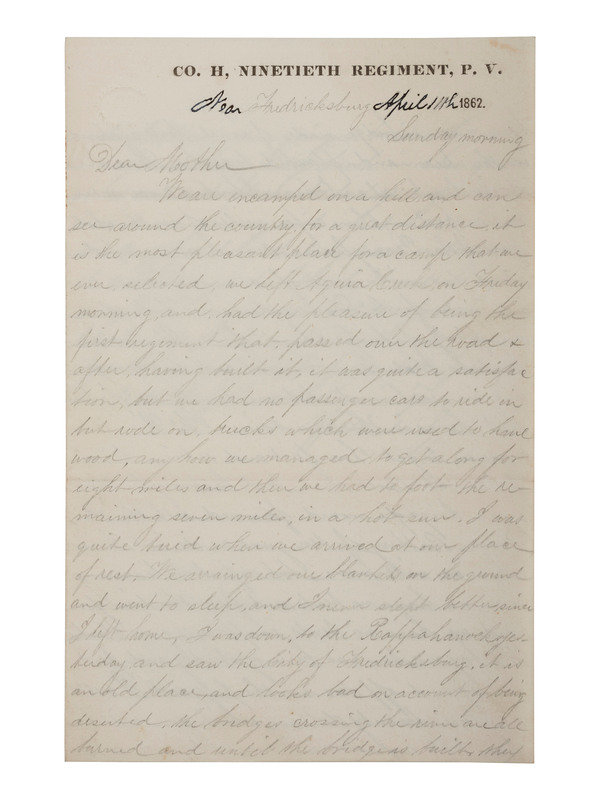
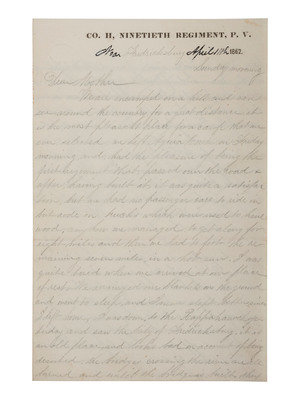
The first letters from April 1862 describe the journey from Philadelphia to Baltimore, then Washington. Albert checks out the "high points" in both Baltimore and Washington to get a overview of the area. Unfortunately, some buildings in Washington are closed. (Head Quarters Patterson Park Barracks, (inside) April 1, 1862; Near Fredericksburg, April 11, 1862; Patterson Park Barracks, April 14, 1862)
Washington DC April 20, 1862
"We are now in Washington, quartered in the barracks at the Rail Road Depot, and as we are expecting to leave every minute w are very unsettled. Last evening (Saturday) the drum beat and al hands got ready, and started off with two days rations, expecting to go away to stay and we marched down Pennsylvania Avenue to Williards Hotel and then turned towards the long bridge, and when we got there we stood an hour and a half with our knapsacks and 40 rounds of ammunition (which we carried all the way from Baltimore. We left Baltimore on Thursday morning and arrived here in the evening) expecting every little while to cross over, there was ten regiments ahead of us and the road was over shoe top with mud, as it had been raining all day and the night before. While we stood there the 3rd NY Cavalry, the 4th N Jersey, and two batteries of six pieces each passed over. We all this time waiting nearly tired to death with the weight we had on our shoulders. The Colonel then found we could not cross over that night (it was about 8 o’clock and drizzling rain) so we countermarched and returned to our quarters having marched about 6 miles and stood almost two hours for nothing. We could see the lights of the camps on the other side of the river as we marched through the mud. On this side one can see the Capitol and I sent Alexander word that we are here, and one of the men that went out saw him…"
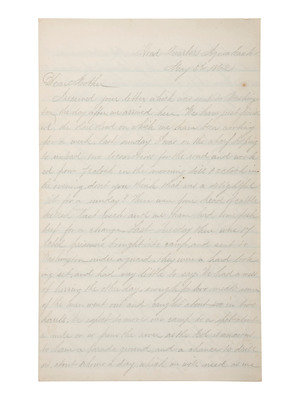
Head Quarters Aquia Creek May 3d 1862. “Last Tuesday there were 17 rebel prisoners brought into camp and sent to Washington under a guard. They were a hard looking set, and had very little to say."
He goes on to note that the colonel wants to move their camp so they can have a parade ground for drilling.
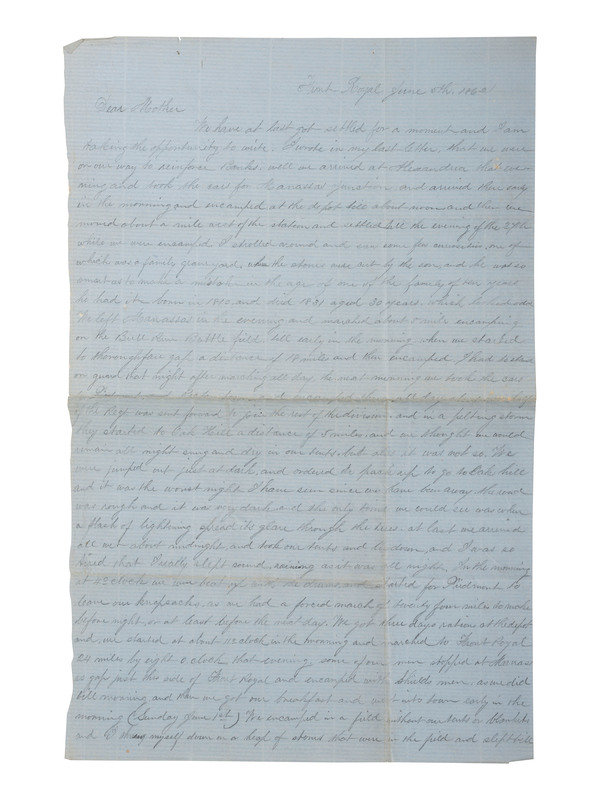
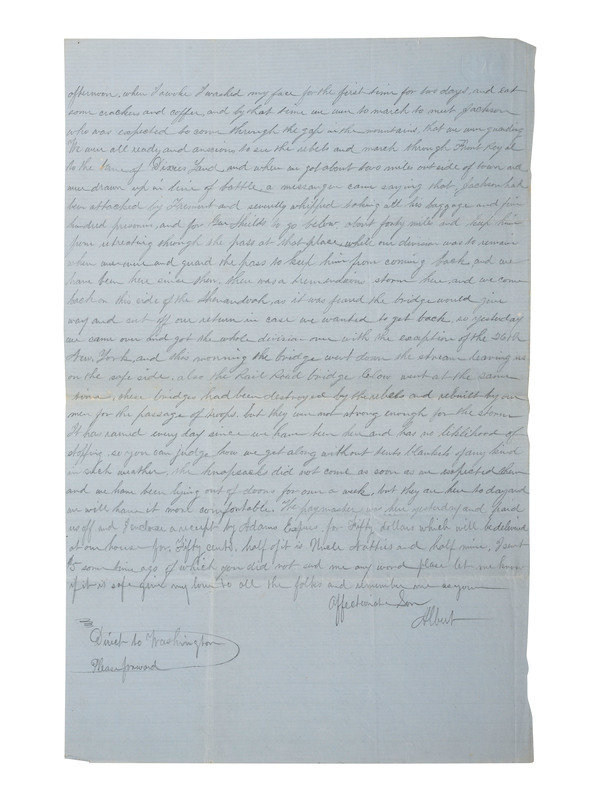
Front Royal June 5, 1862
“…[we were] sent forward to join the rest of the division, and in a pelting storm they started to Oak Hill a distance of 5 miles and we thought we could remain all night snug and dry in our tents, but alas it was not so. …In the morning at 4 o’clock we were beat up with the drums, and started for Piedmont to leave our knapsacks, as we had a forced march of twenty four miles to make before night, or at least before the next day. We got three days rations…. We started at about 11 ‘clock in the morning and marched to Front royal 24 miles aby eight o’clock that evening…. We encamped in a field without our tents or blankets and I threw myself down on a heap of stones that were in the filed and slept till afternoon… we were to march to meet Jackson who was expected to come through the gap in the mountains that we were guarding. We were all ready and anxious to see the rebels and march through Front royal to the tune of Dixie Land, and when we got about two miles out side of town and were drawn up in line of battle a message came saying that Jackson had been attacked by Fremont and severely whipped taking all his baggage and five hundred prisoners… our division was to remain where we were and guard the pass to keep him from coming back, and we have been here since then. …this morning the bridge went down the stream leaving us on the safe side, also the Rail Road bridge below went at the same time. These bridges had been destroyed by the rebels and rebuilt by our men for the passage of troops, but they were not strong enough for the storm. It has rained every day since we have been here and has no likelihood of stopping, so you can judge how we get along without tens blankets of any kind in such weather. The knapsacks did not come as soon as we expected them and we have been lying out of doors for over a week, but they are here to day and we will have it more comfortable…."
Camp near Front Royal, June 16th,1862
"We started in the evening and as it had been raining that afternoon we had to wade through two creeks and consequently had wet feet which was disagreeable all night as we could not have any fire during the night….one slept, the other watched till morning, when we built a fire and dryed ourselves and made some coffee…." They were on picket duty for 24 hours.
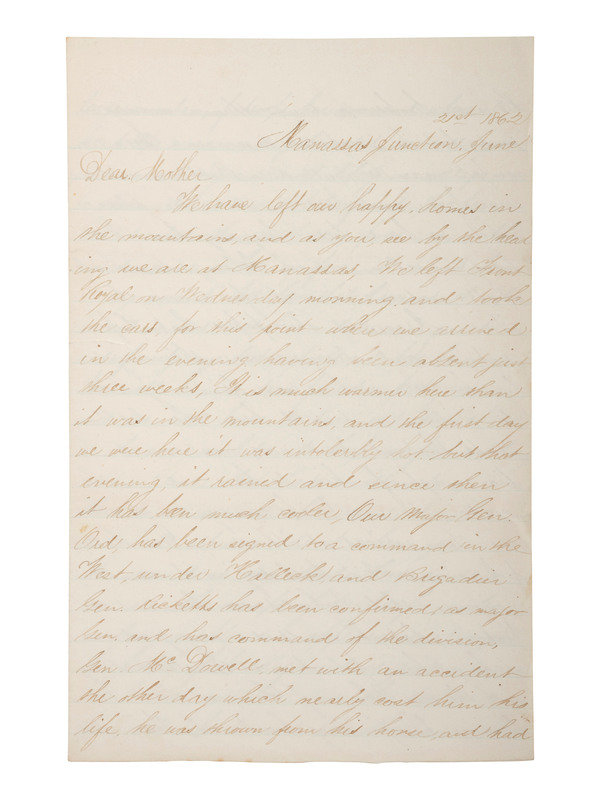
Manassas Junction, June 21st 1862
Camp near Front Royal, June 16th,1862
"We started in the evening and as it had been raining that afternoon we had to wade through two creeks and consequently had wet feet which was disagreeable all night as we could not have any fire during the night….one slept, the other watched till morning, when we built a fire and dryed ourselves and made some coffee…." They were on picket duty for 24 hours.
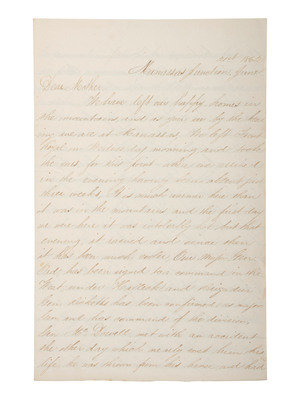
Manassas Junction, June 21st 1862
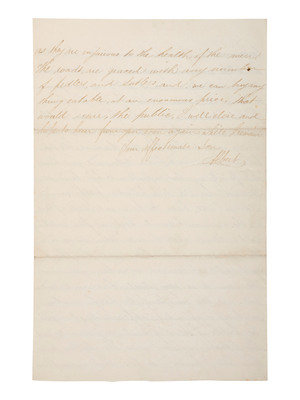
"Gen. McDowell met with an accident the other day which nearly cost him his life. He was thrown from his horse and had his arm broken, and was otherwise severely injured, but he is expected to recover. We are camped near the Bull run Battle ground….The ground is very level here and we can see the camps of troops from miles making a splendid appearance at night. The health of the Regiment is generally good. The Colonel will not allow the Sutler to sell these cans of fruit and pies. That are so plenty as they are injurious to the health of the men. The roads are graced with any number of pedlers, and sutlers, and we can buy anything eatable at an enormous price that would scare the public…."
Camp near Warrenton, July 20 1862
Camp near Warrenton, July 20 1862
He describes the town as being very quiet other than soldiers and sutlers. Part of the town resembles West Philadelphia.
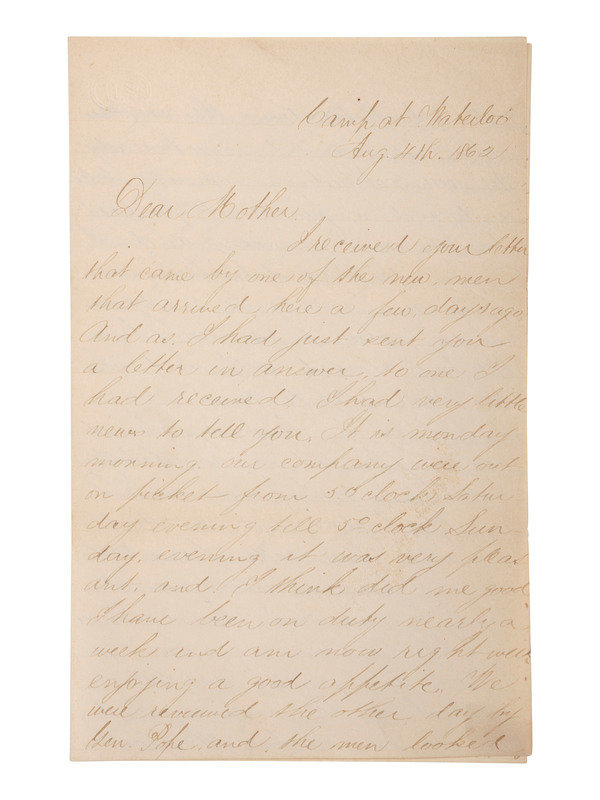
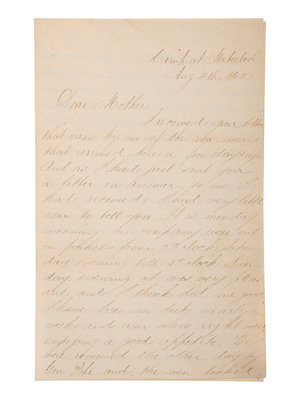
Camp at Waterloo, Aug 4th, 1862
Camp at Waterloo, Aug 4th, 1862
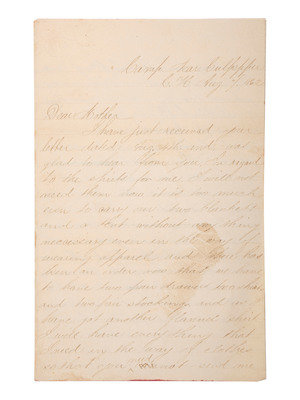
"We were notified one evening to be ready and on parade at ½ past five the next morning and suppose the Gen. did it to see if the men would be ready with out any extra preparation, but the men looked well and when the whole camp de Armee were drawn up in line together it was a splendid sight. Artillery cavalry and Infantry, consisting of about 1,2000 men. And when the Gen. (Pope) rode past the cannons fired a salute and each regimental band played a patriotic tune making it quite a treat, as it was all in the cool of the morning and was all over before 7 o’clock. So you can see that a large force can be brought together as early in the morning as they would generally get out of bed…"
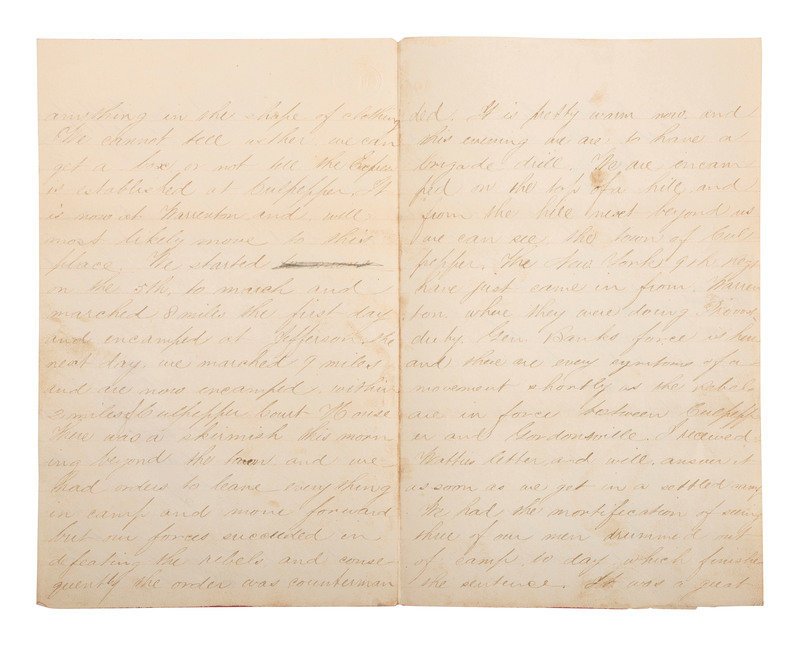
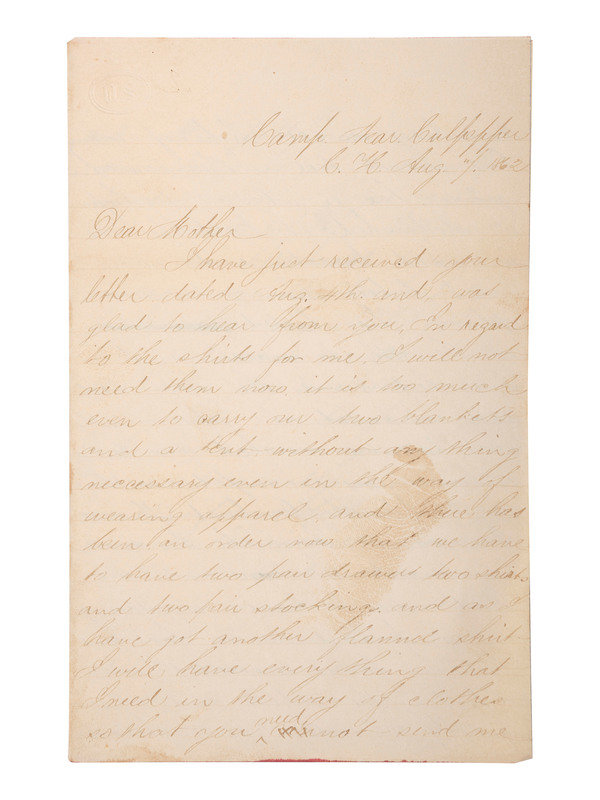
Camp near Culpepper C.H. Aug. 7, 1862
Camp near Culpepper C.H. Aug. 7, 1862
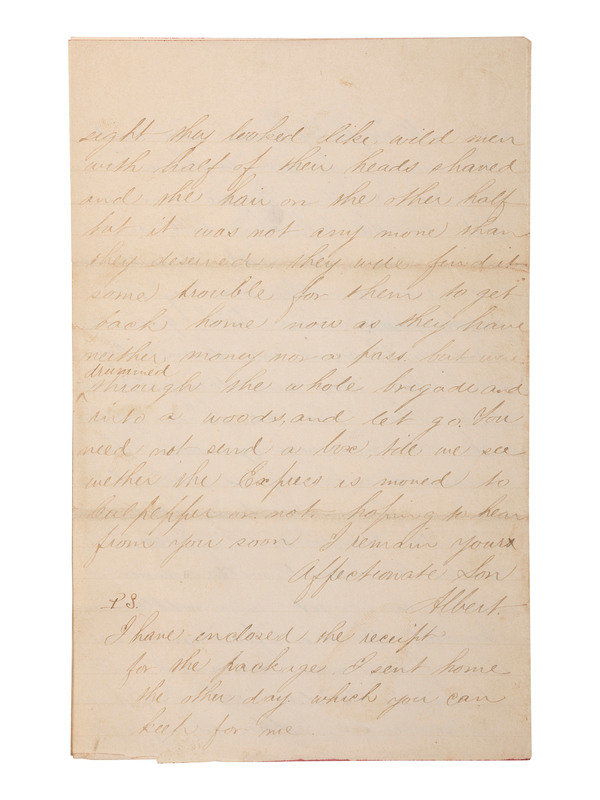
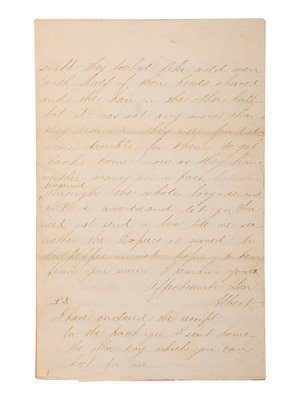
"We had the mortification of seeing three of our men drummed out of camp today which finished the sentence. It was a great sight – they looked like wild men with half of their heads shaved and the hair on the other half, but it was not any more than they deserved. They will find it some trouble for them to get back home now as they have neither money nor a pass. But were drummed through the whole brigade and into a woods and let go."
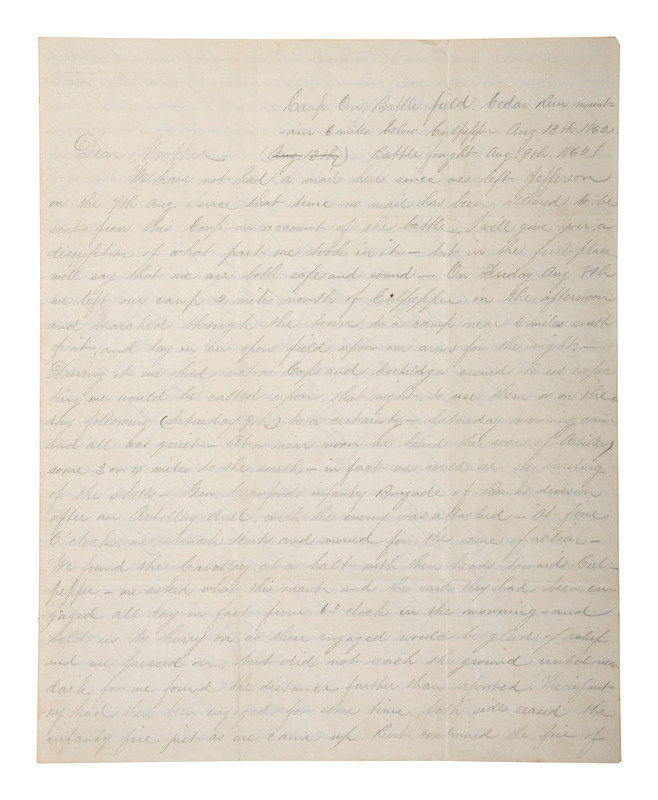
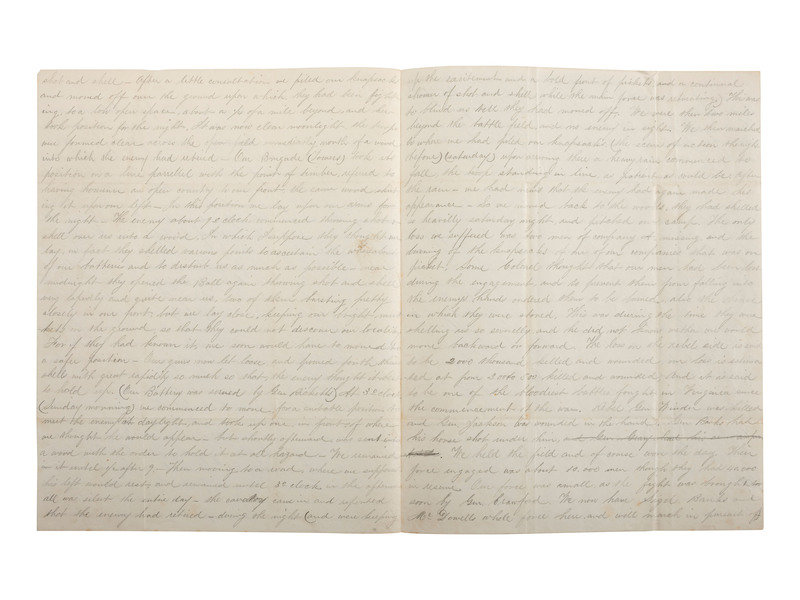
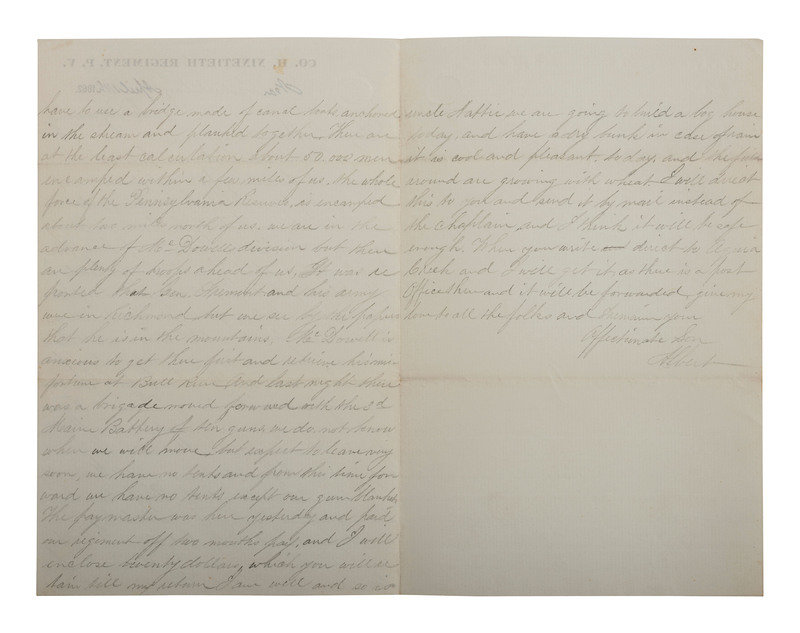
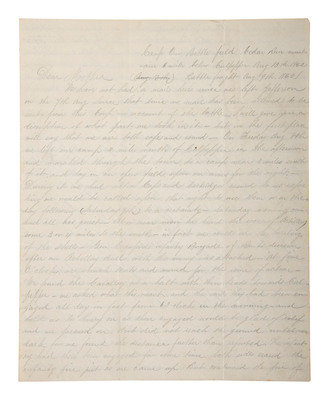
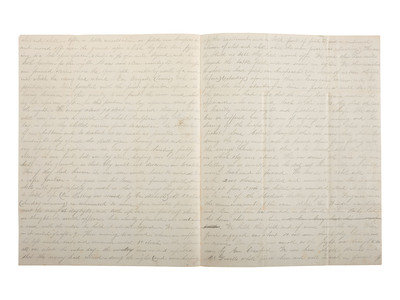
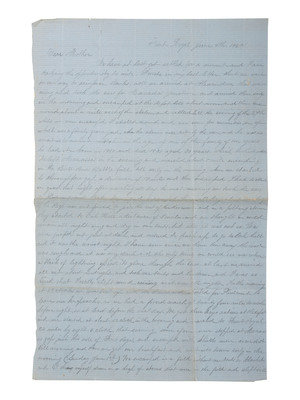
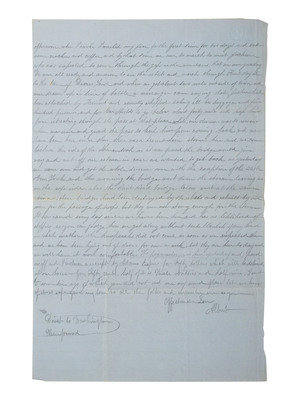
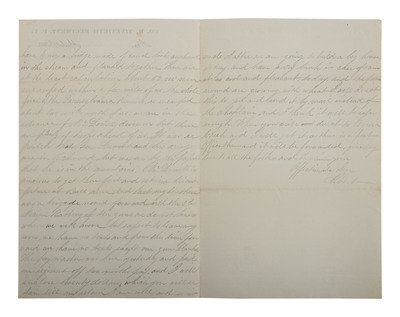
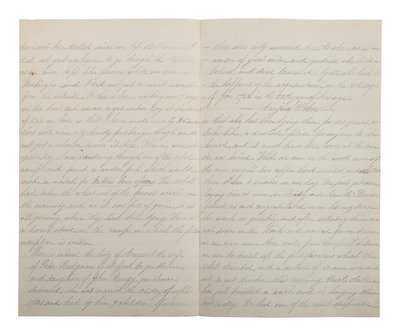
Camp on battlefield Cedar Run mountain 6 miles below Culpepper, Aug. 13, 1862 (4pp, 8 x 10 in.)
Camp on battlefield Cedar Run mountain 6 miles below Culpepper, Aug. 13, 1862 (4pp, 8 x 10 in.)
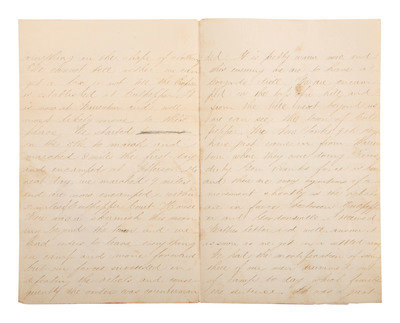
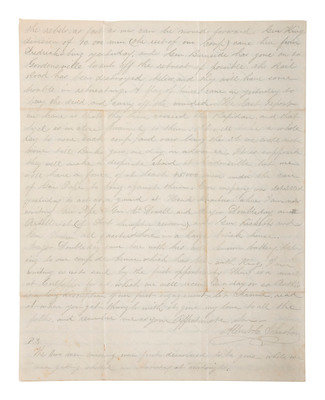
This is the long description of their part in the Battle of Cedar Mountain.
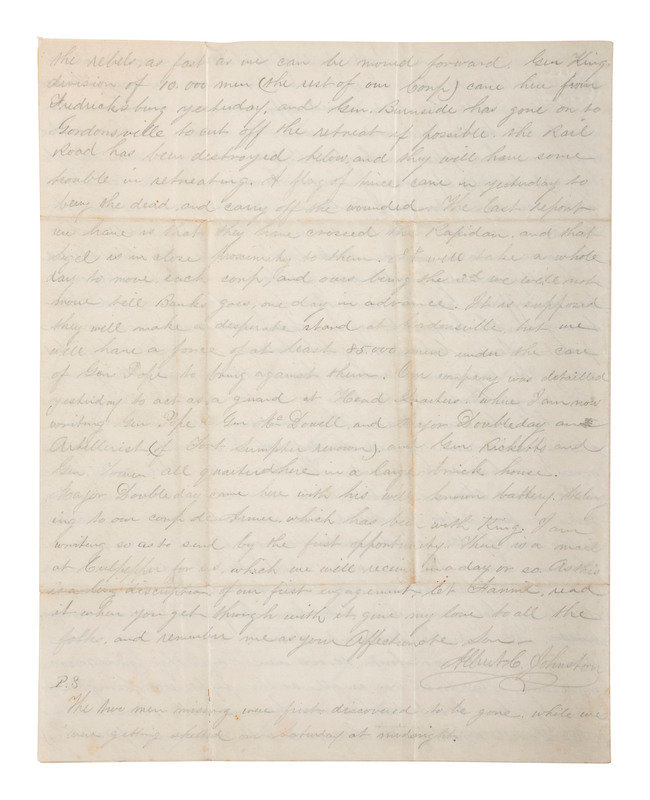
Washington DC, Sept 7, 1862
Washington DC, Sept 7, 1862
Met up with Alexander and other members of the family in Washington. Mostly personal.