Condition Report
Contact Information
Lot 3035
Sale 6467 - Arms, Armor & Militaria
Mar 3, 2026
10:00AM ET
Live / Cincinnati
Own a similar item?
Estimate
$1,200 -
1,800
Price Realized
$1,680
Sold prices are inclusive of Buyer’s Premium
Lot Description
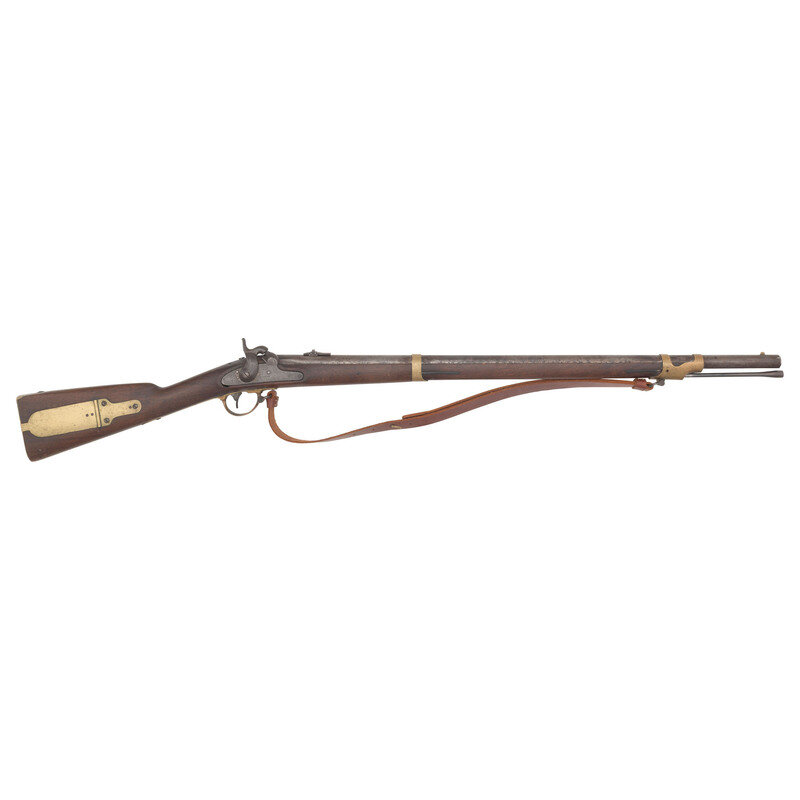
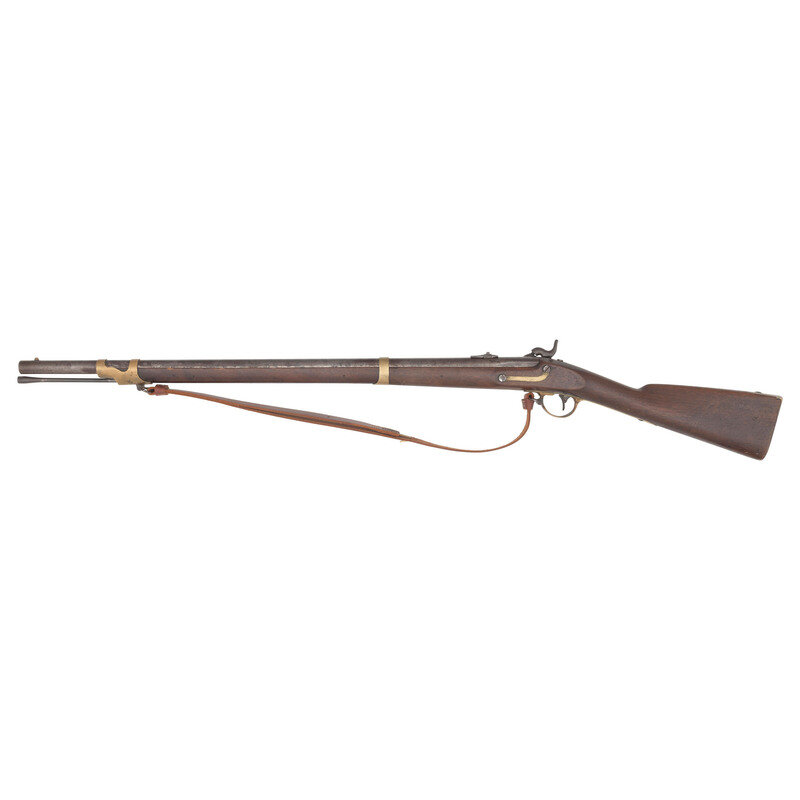
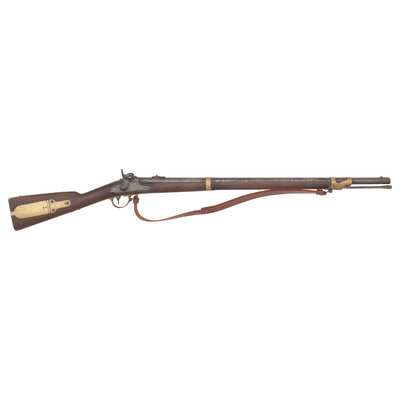
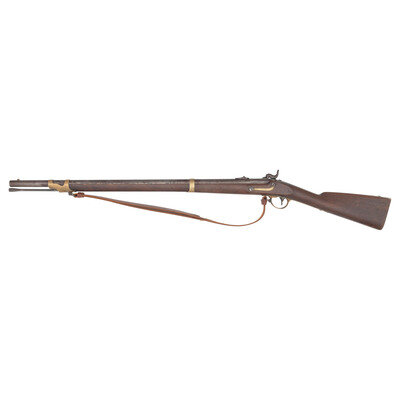
Colt Altered US Model 1841 Mississippi Rifle by Whitney
American Civil War
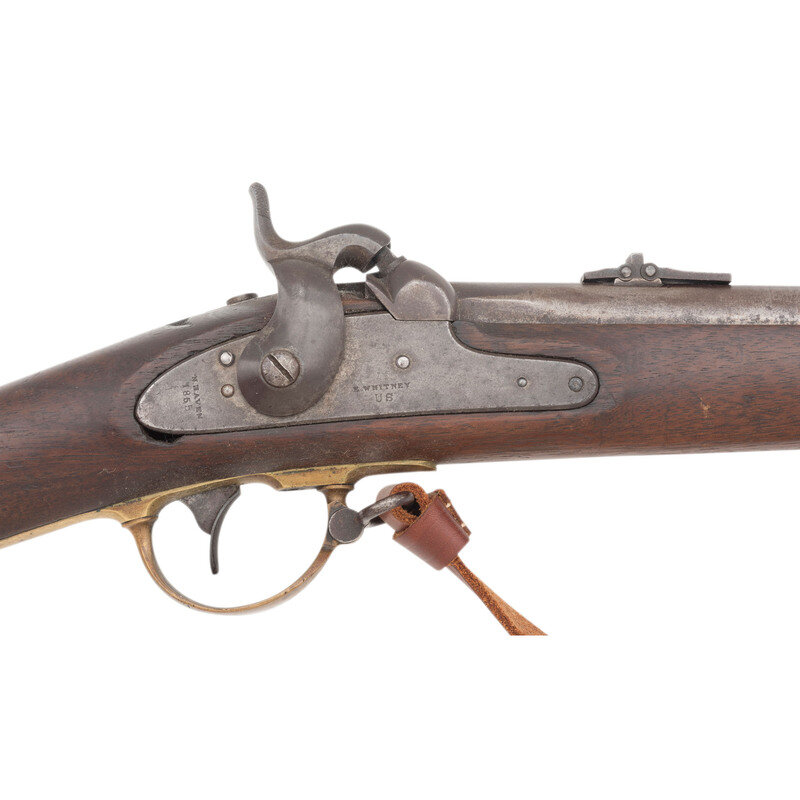
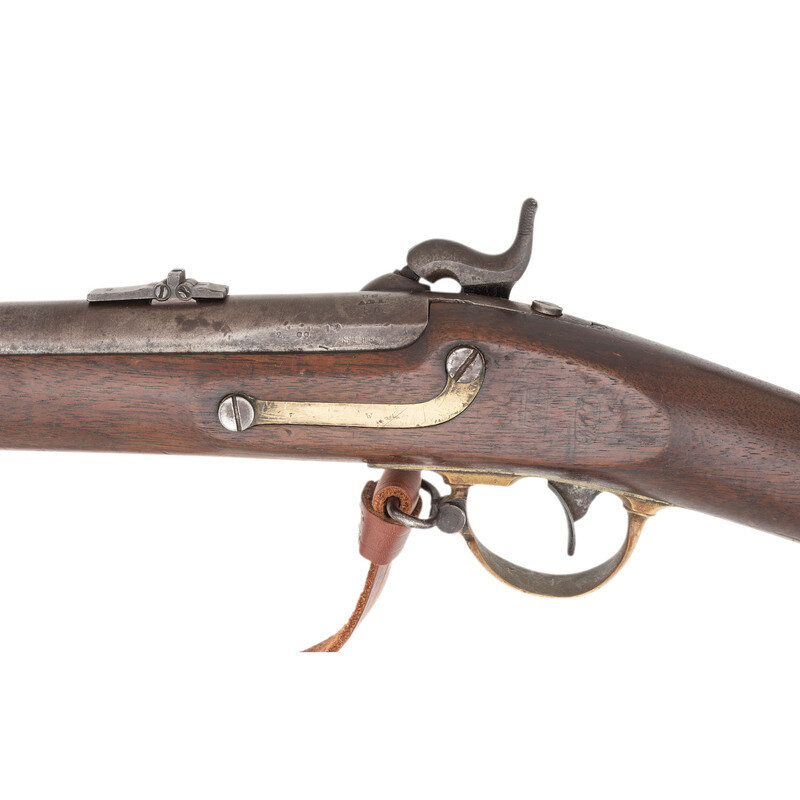
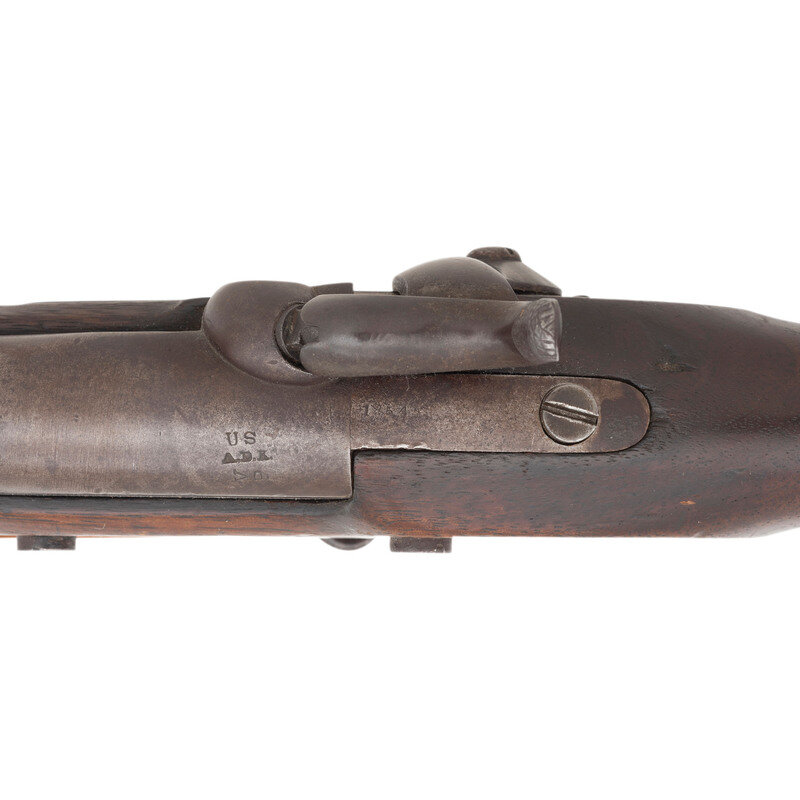
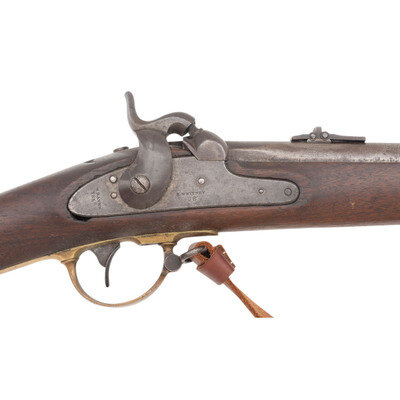
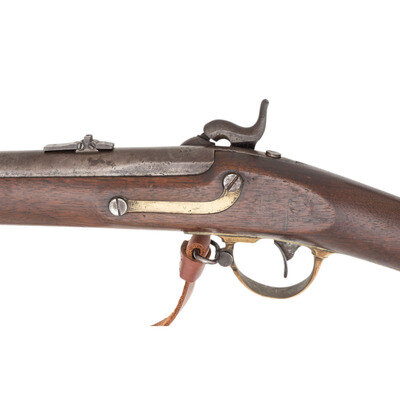
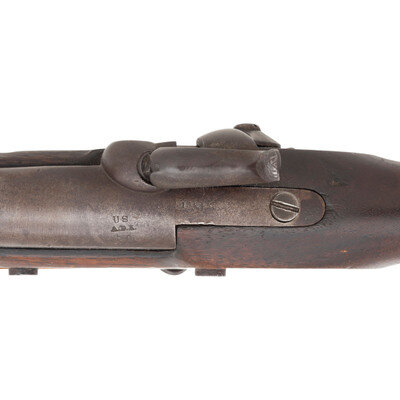
.58 caliber. 33" round barrel secured by two flat brass spring-retained clamping bands. SN: 10169. Browned barrel, color casehardened lock, brass furniture, smooth walnut stock. Muzzleloading single shot percussion rifle modified by Colt for Civil War service. Whitney marked lock dated 1855 at the tail. Breech plug tang dated 1854 with the upper left quadrant of the breech stamped with US/ADK/VP inspections. The counterpane opposite the lock is stamped with partially legible script cartouches, the JCB of arsenal sub-inspector Joseph C Bragg and the WAT of Ordnance Officer William Anderson Thornton. Rifle retains the original brass blade front sight, the Colt added rear flip up leaf rear sight, both sling swivels and an original full-length all iron trumpet-head ramrod. A combination tool and worn wiper are included in the patchbox. The bayonet conversion ring is missing from this rifle. This rifle is one of the 10,411 purchased by Colt from the US Ordnance Department in 1861 for $10 each and which he subsequently resold to the Ordnance Department for $18.50 each. The "alterations" that Colt performed were to rebore the rifles to .58 from their original .54 caliber configuration, and although he had offered to re-rifle them, few extant examples show the 3-groove rifling that Colt would have used, but rather nearly all retain the original 7-groove rifling from their .54 caliber round ball original manufacture, as does this one. Colt also equipped the guns with the three-leaf sight that was used on his Model 1855 Revolving Carbines and added a muzzle ring with bayonet lug to accept a brass handled saber bayonet. The rings and the bottoms of the barrels were both numbered to match when the alterations took place. As the Mississippi Rifle was produced on the principle of interchangeable parts, barrels were often swapped from their original host guns and installed in other guns, as the barrel was the part that had to be removed and machined as part of the upgrade process. Includes a reproduction leather sling. {ANTIQUE}
This lot is located in Cincinnati.