Condition Report
Contact Information
Auction Specialist
Lot 263
Sale 1095 - American Historical Ephemera & Photography, Featuring Property from the James Milgram, M.D., Collection of Broadsides, Ephemeral Americana & Historical Documents
Day 1 Lots 1-403
Nov 3, 2022
10:00AM ET
Day 2 Lots 404-634
Nov 4, 2022
10:00AM ET
Live / Cincinnati
Own a similar item?
Estimate
$600 -
800
Price Realized
$1,500
Sold prices are inclusive of Buyer’s Premium
Lot Description
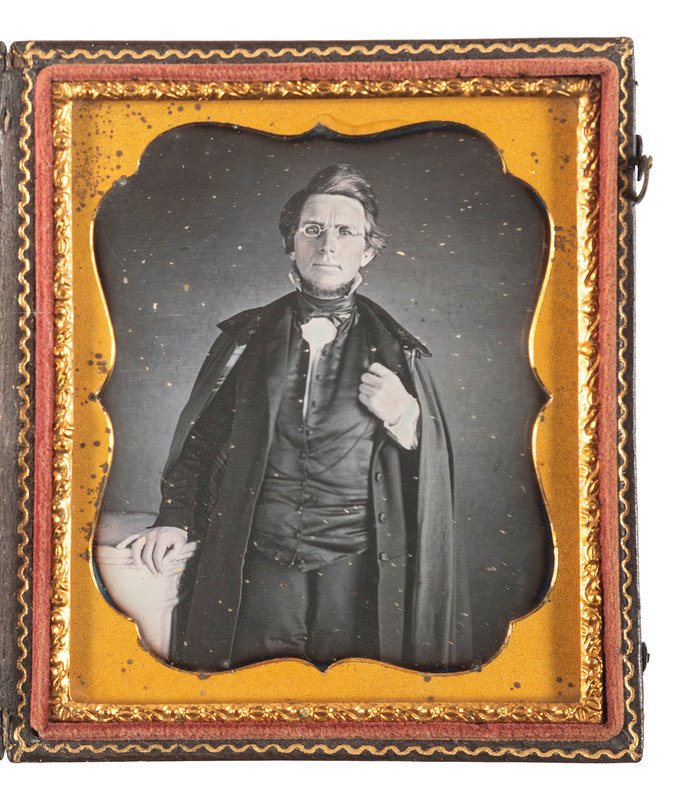
[AFRICAN AMERICANA] -- [EARLY PHOTOGRAPHY]. WASHINGTON, Augustus, (ca 1820/1821-1875), photographer. Sixth plate daguerreotype of a distinguished gentleman. Hartford, CT, n.d.
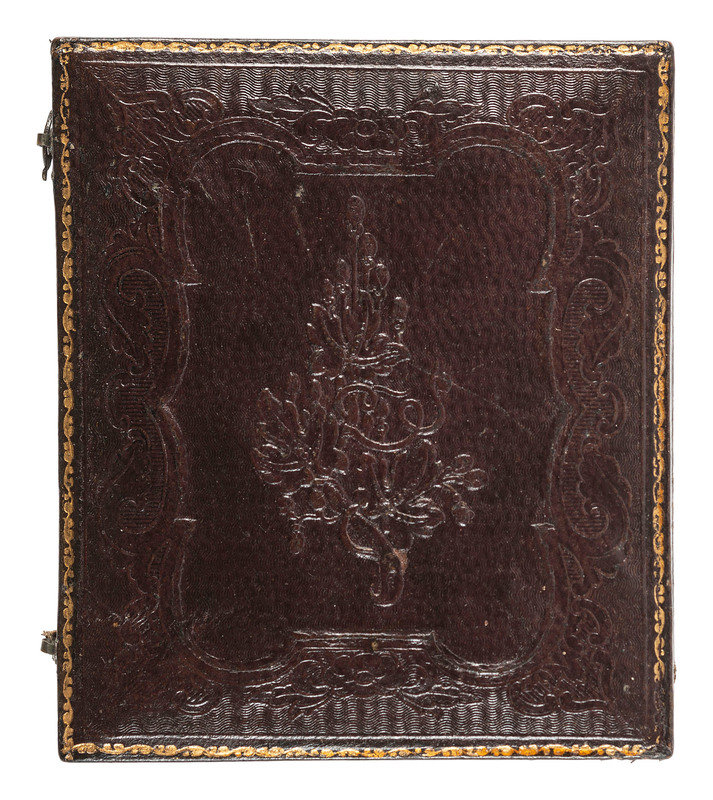
Sixth plate standing portrait of a gentleman wearing eyeglasses and with an overcoat draped over his shoulders. (Some tarnishing to edges, spotting, specks, and clouding to plate, weeping glass effect throughout, and spotting to mat; retains original seal.) Housed in a full pressed paper case (light surface wear, few marks and discoloration to velvet pad). Case marked for Washington's 136 Main Street gallery in Hartford. The bearded gentleman holds onto one of his lapels and looks earnestly into the camera, a striking portrait of a distinguished gentleman.
Augustus Washington was an African American abolitionist, colonizationist, and despite a short career, esteemed daguerreotypist. Born in New Jersey, he was well educated and was heavily influenced by anti-slavery publications and abolitionists. He became skilled in the Daguerrean arts as a way to help fund his further education while at Dartmouth in Hanover, Vermont. He went on to open the first photographic studio in Hartford, Connecticut in 1847 and was hailed for his artistic excellence, capturing the likenesses of Hartford's elite. He is perhaps best remembered for his two portraits of abolitionist John Brown.
The plight of African Americans, however, was his primary concern. Slavery, of course, troubled him, but he also found consternation in the North as whites were being given more rights, and blacks fewer, in newly rewritten state constitutions. He did not think that abolition was the correct path, and instead preferred a separate home for blacks as "it would be better for our manhood and intellect to be freemen by ourselves than political slaves with our oppressors." In March 1854 he announced in the Hartford Daily Courant that he would be closing his Hartford studio, and he sailed to Monrovia, Liberia later that year. He brought along his photography equipment and supplies and would take beautiful portraits of Liberian notables including first president Joseph Jenkins Roberts, merchant Urias McGill, and others.