To request further details about this lot, please email conditionreports@freemansauction.com

Corbin Horn
Vice President, Head of Department, European Furniture & Decorative Arts

Mike Intihar
Senior Director, Appraisals & Valuations, Midwest
Sale 797
| Chicago
| Chicago
To request further details about this lot, please email conditionreports@freemansauction.com
Corbin Horn
Vice President, Head of Department, European Furniture & Decorative Arts
Mike Intihar
Senior Director, Appraisals & Valuations, Midwest
Estimate$5,000 – $7,000
Literature:
Lami, Stanislas. Dictionnaire des sculpteurs de l'école française au dix-neuvième siècle. Paris, 1916, pp. 132-134
"The Great Exhibition and its Results," vol. XIX, The Illustrated London News, October 11, 1851, p. 465, no. 523
Catalogue Note:
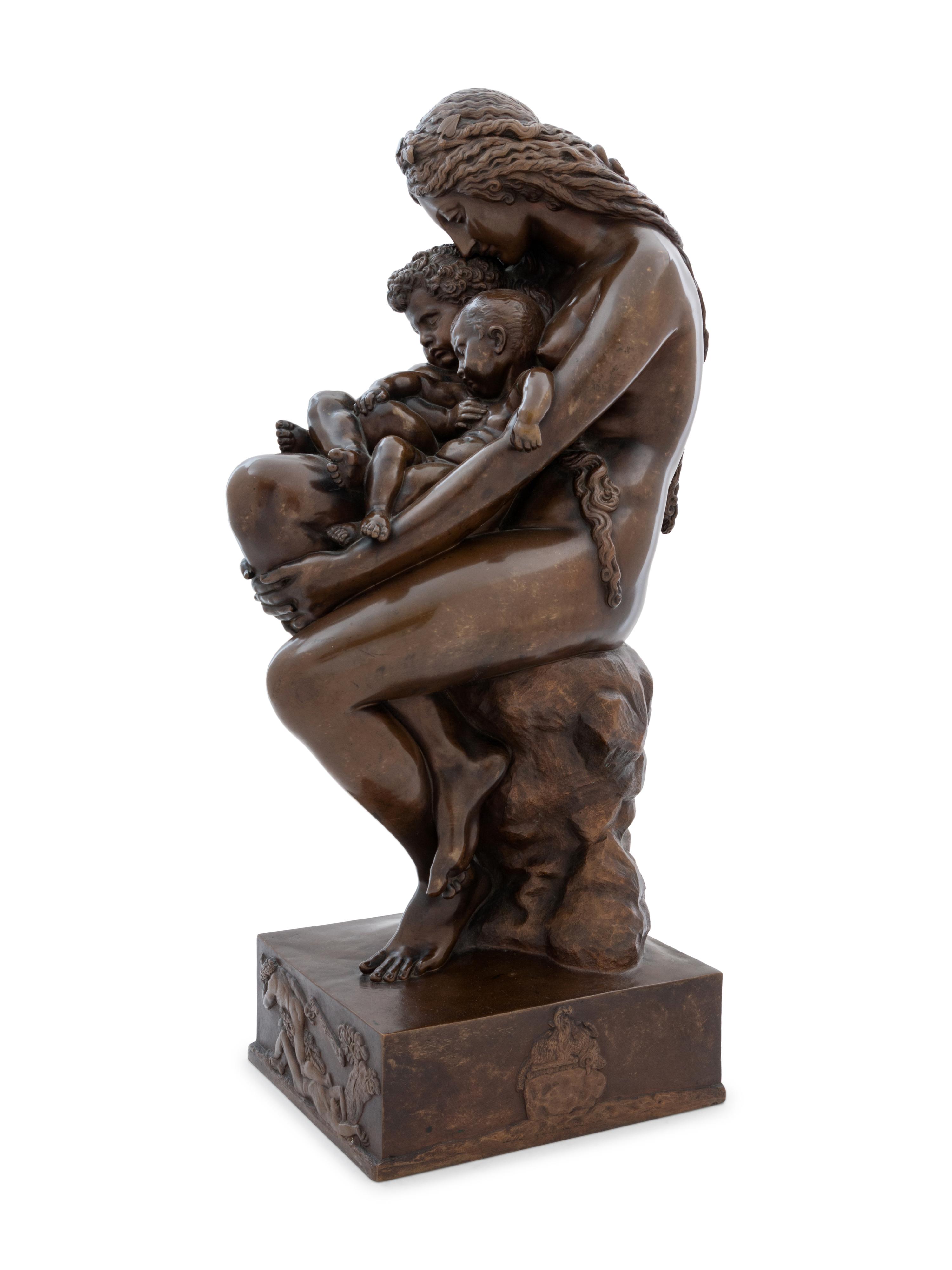
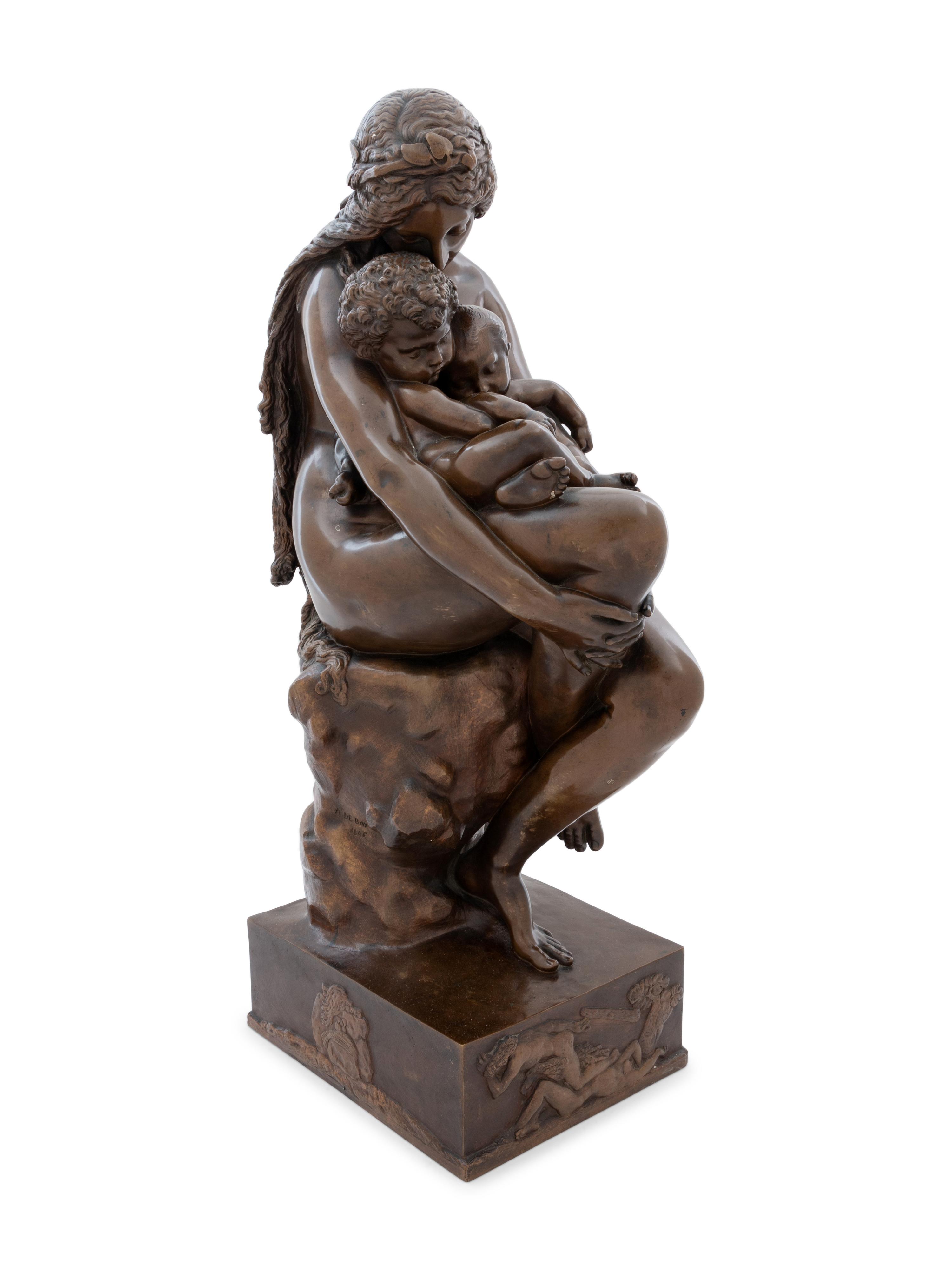
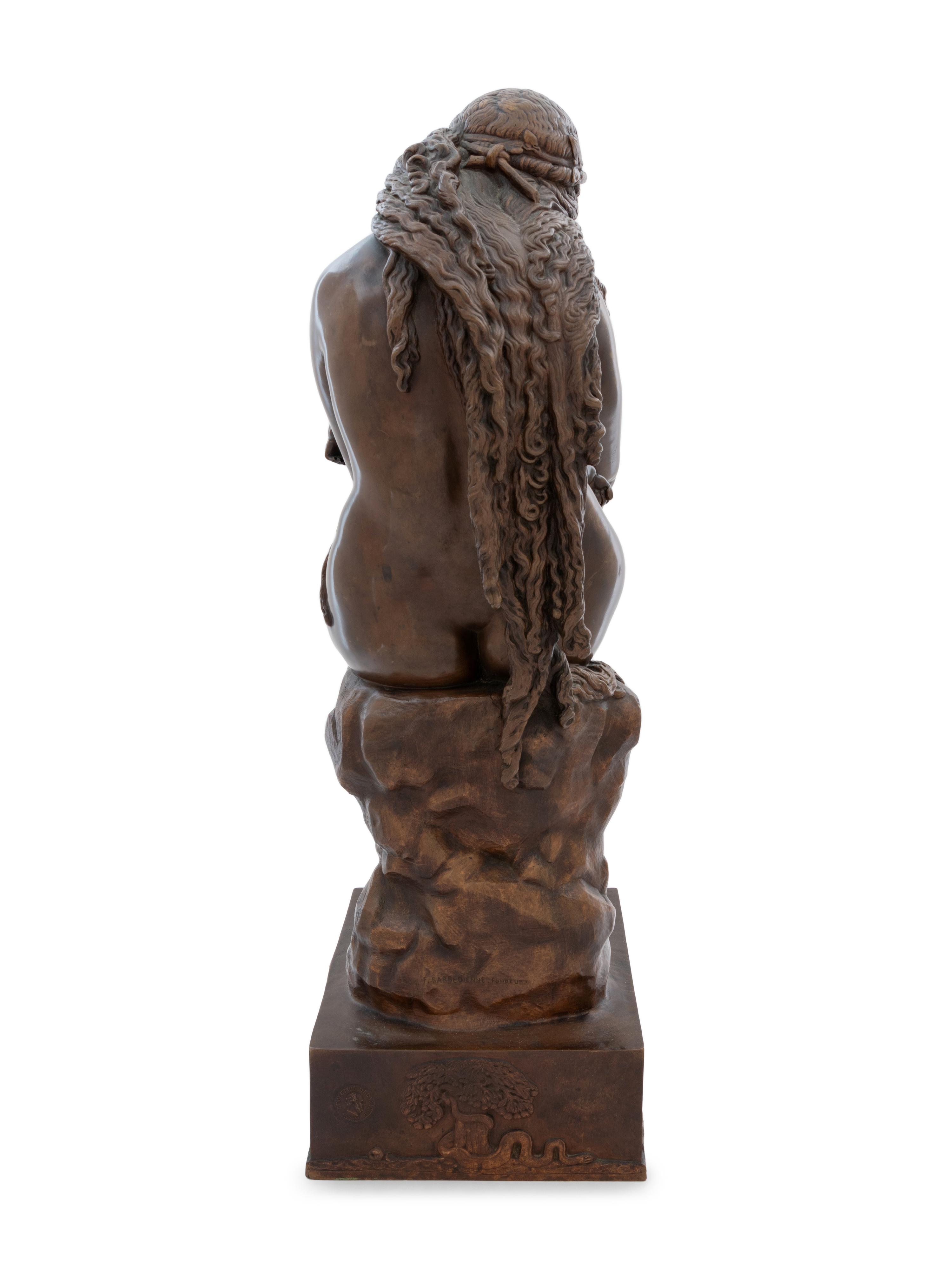
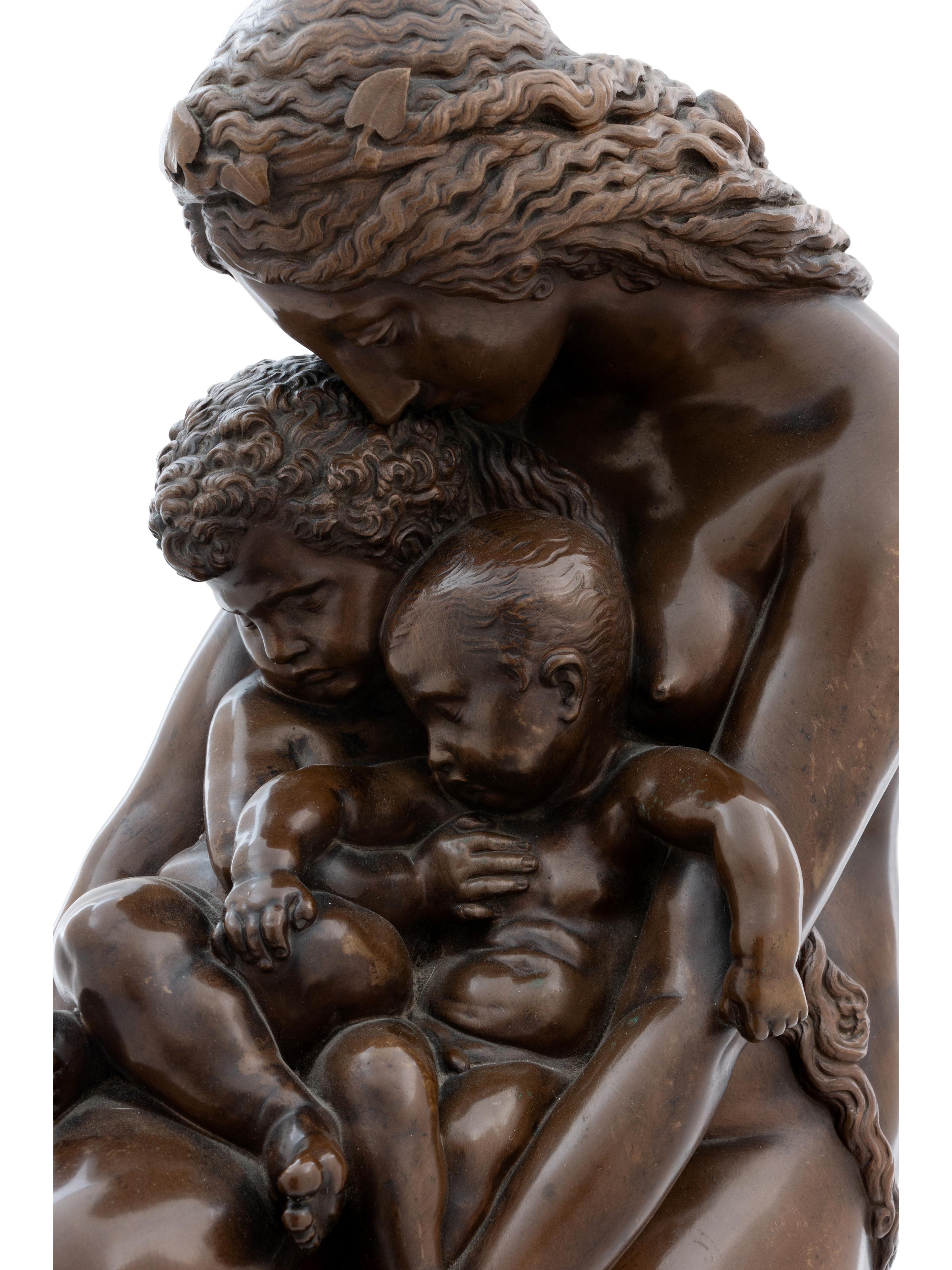
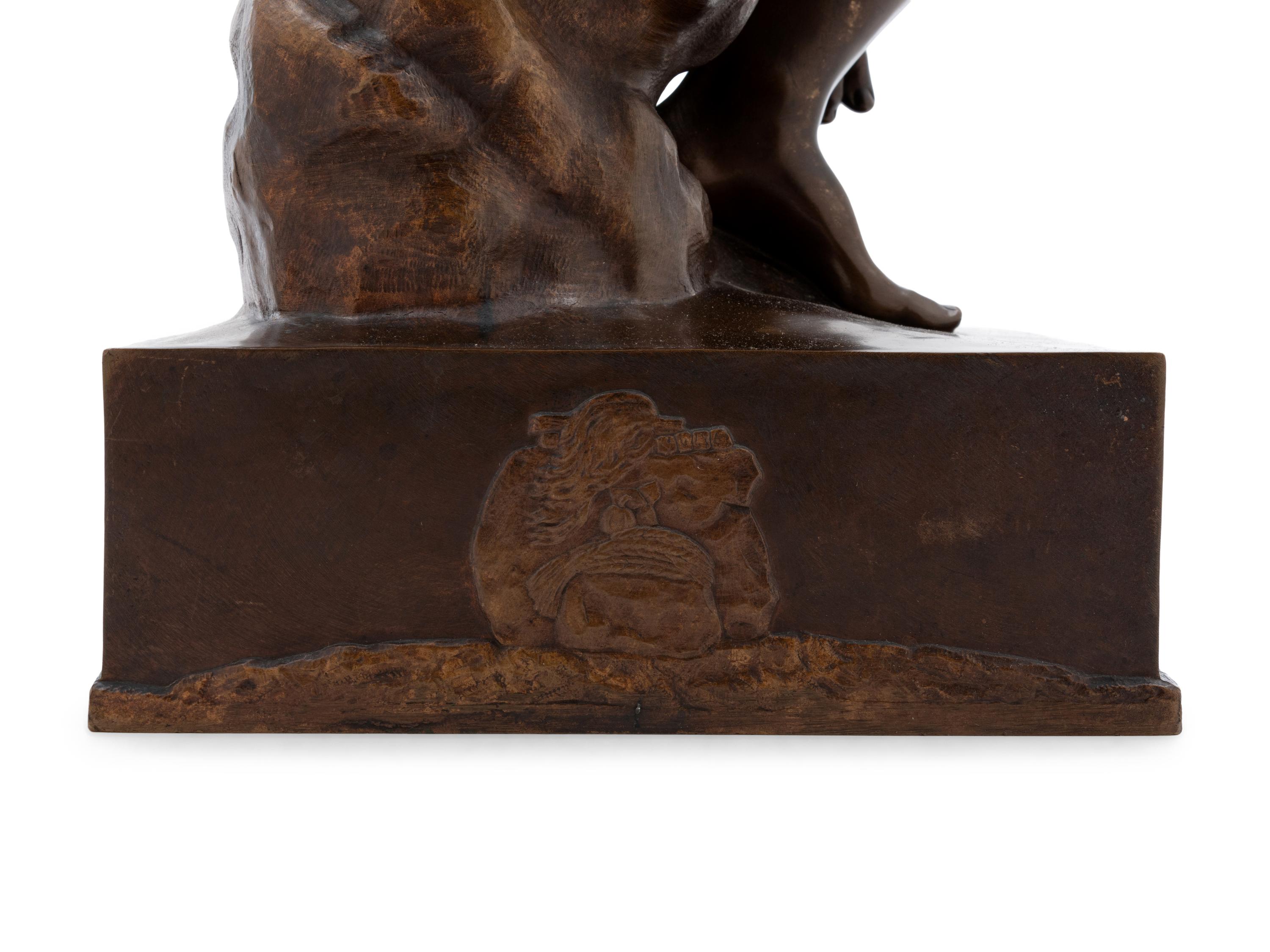
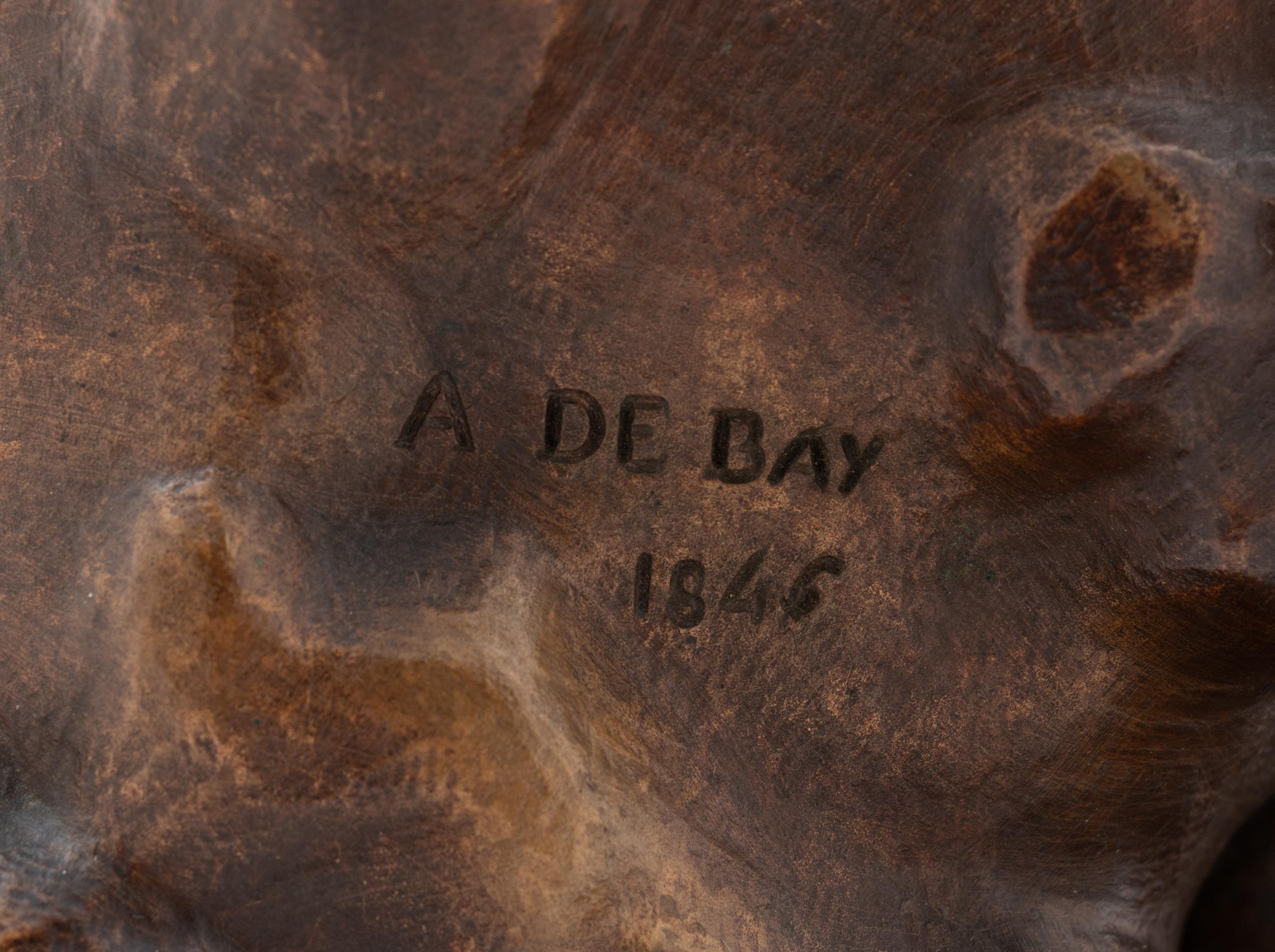
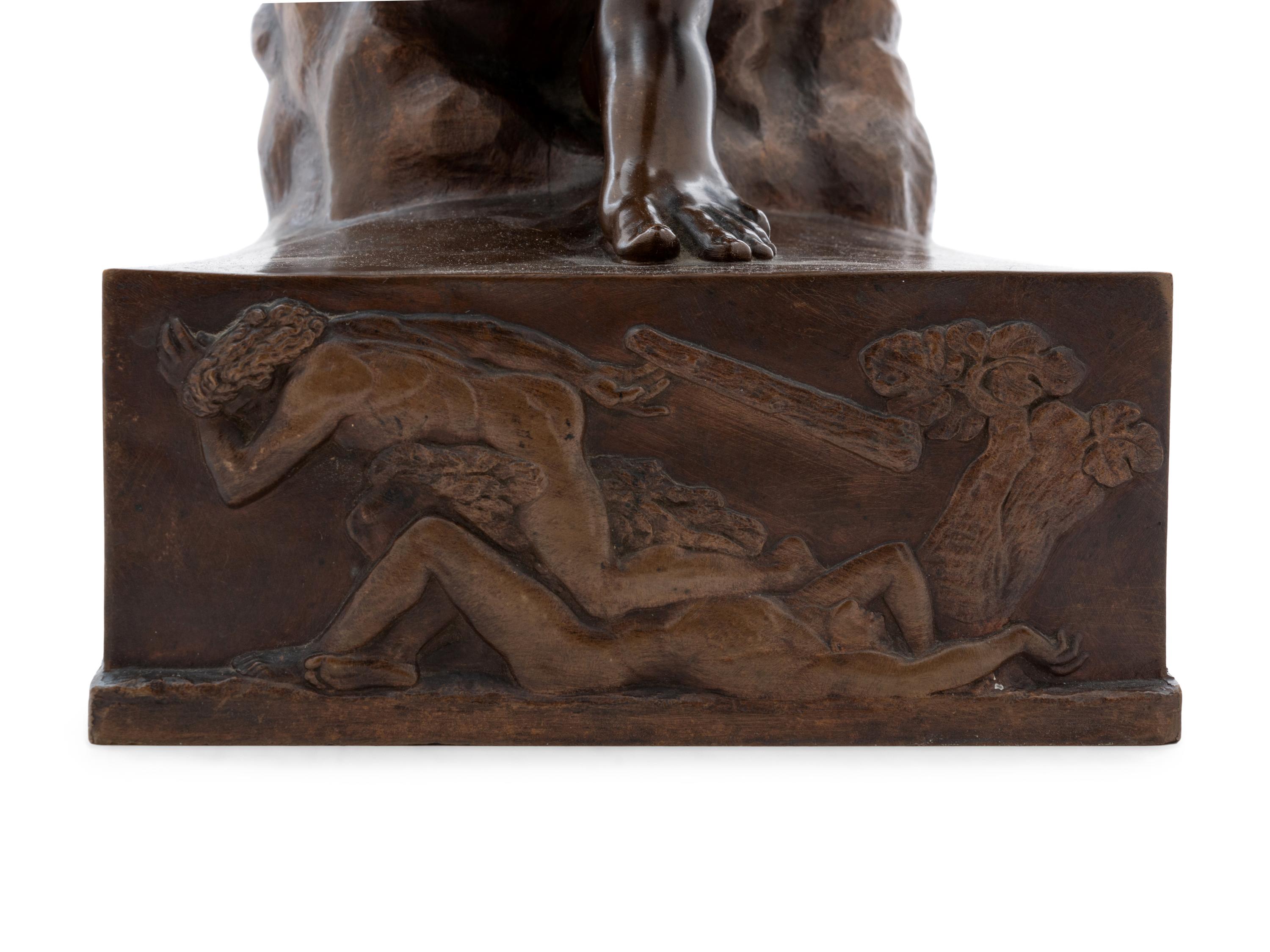
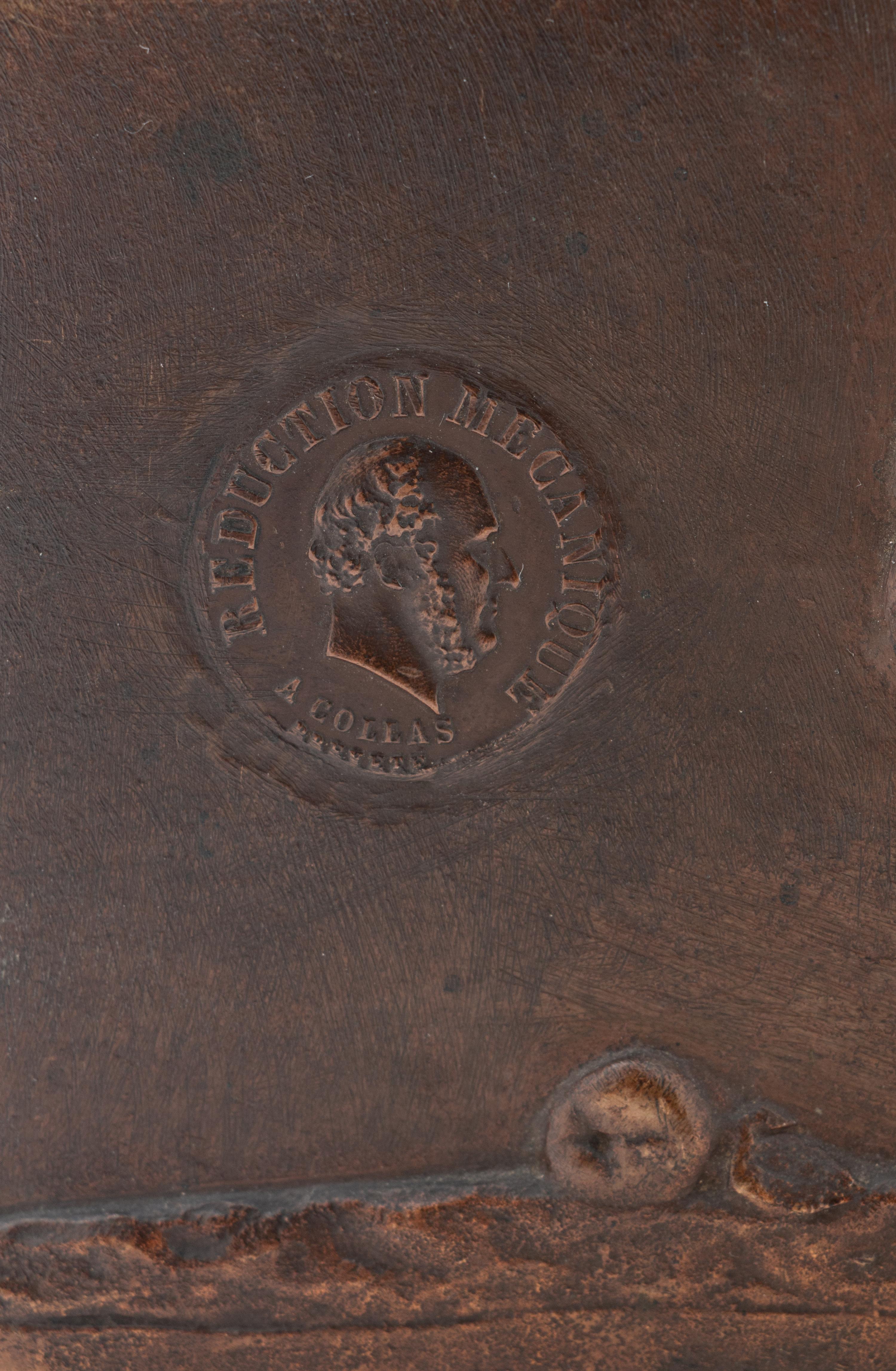
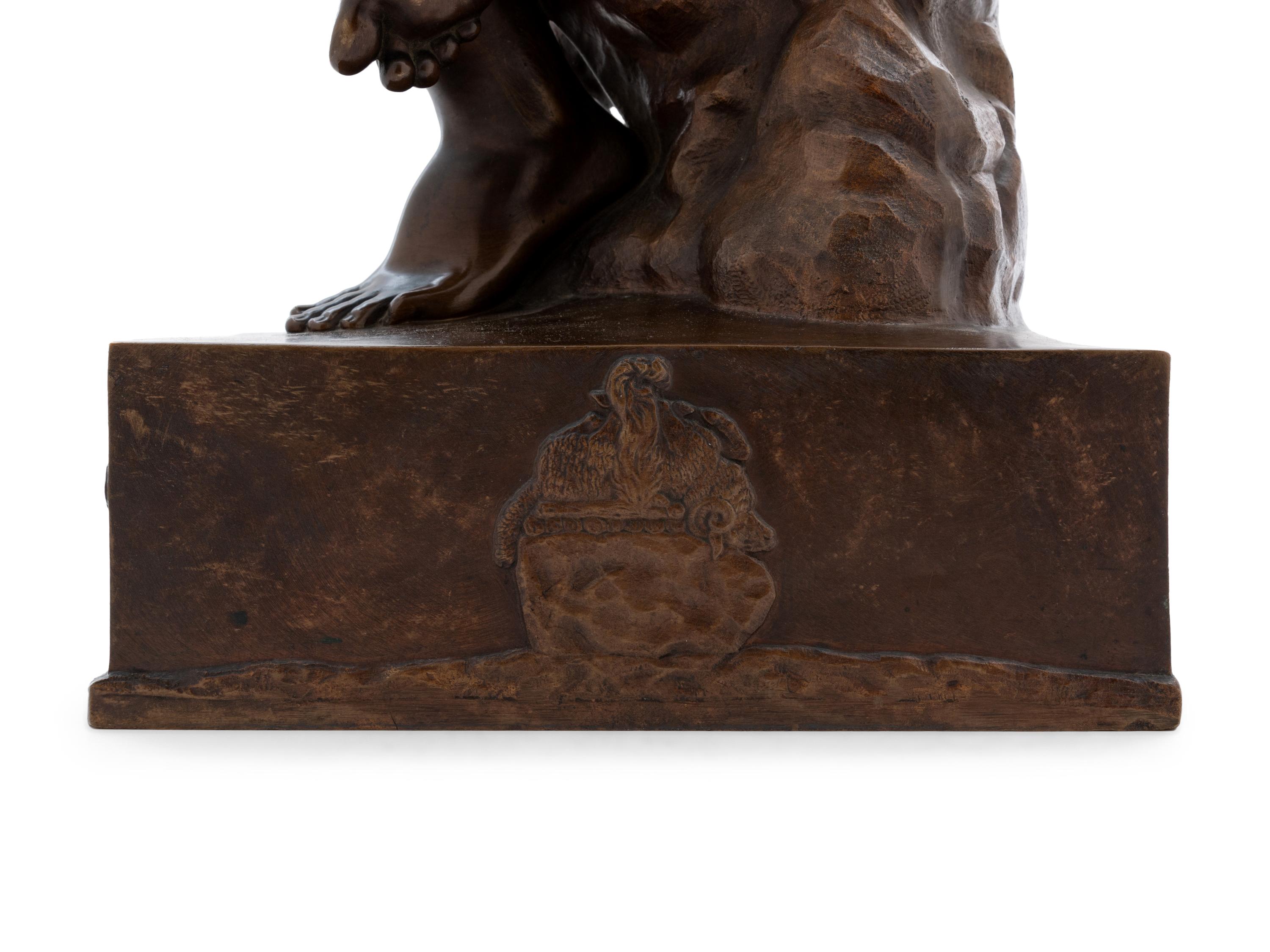
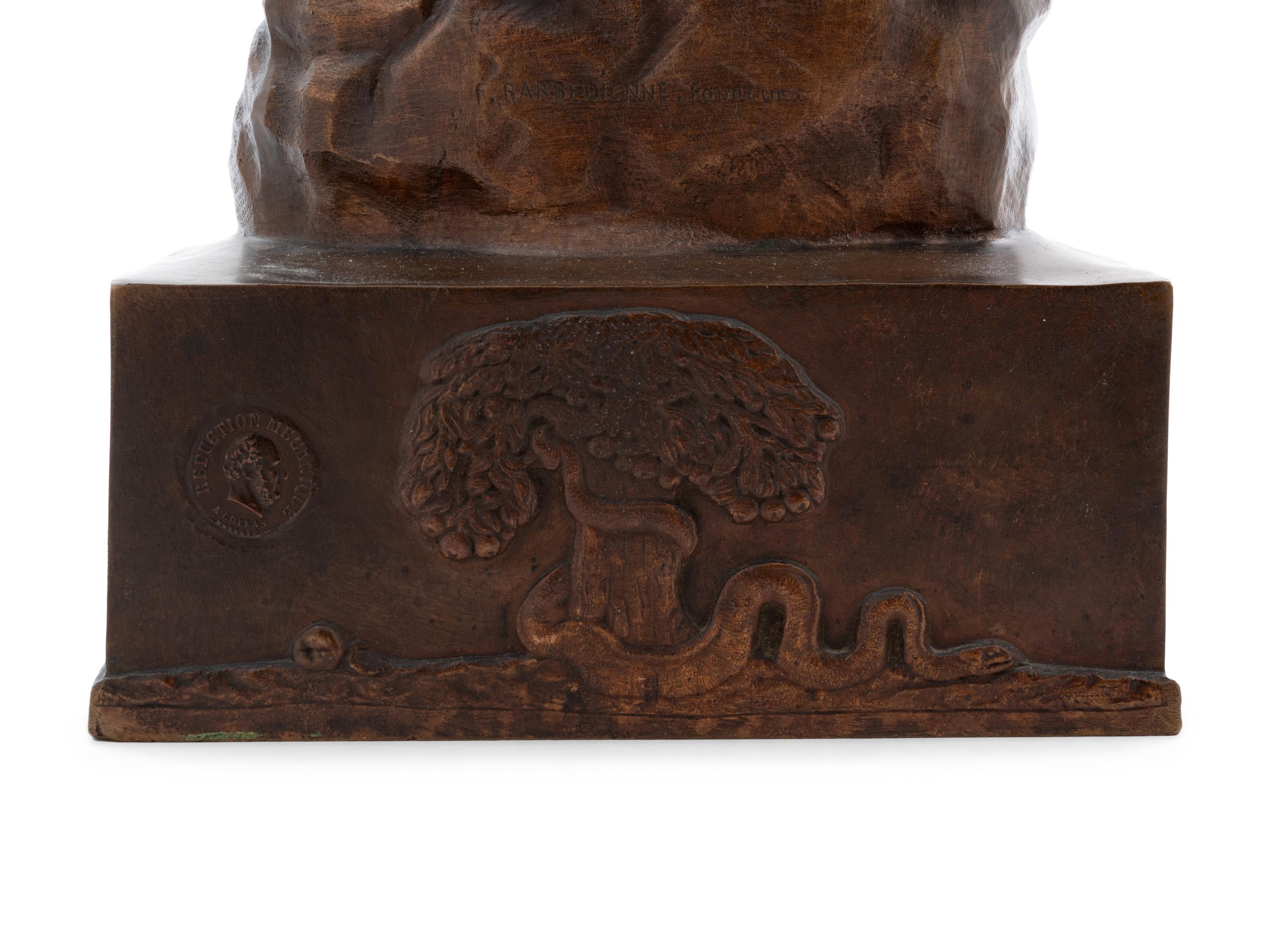
Auguste-Hyacinthe Debay was primarily recognized as a painter during his lifetime, with less than twenty documented sculptures in his body of work. His relatively meager output of sculpture was met with great acclaim, however, with the fountains in the Place de la Concorde and the façade of the École des Beaux-Arts in Paris among his illustrious commissions. Le berceau primitif made its debut at the Paris Salon of 1845, and depicted Eve cradling her infant sons Cain and Abel. This idealized and intimate moment of maternal affection and domestic tranquility captured in carved marble stood in poignant contrast to the ultimately violent and tragic fate of the two brothers. This contradiction was explicitly rendered in bas-relief along the base of the sculpture, an ominous portent of patricide and original sin. Following its debut at the Salon of 1845, the sculpture was further exhibited at the Great Exhibition of 1851 in London and the Exposition Universelle of 1855 in Paris.[1] The Illustrated London News covered the Great Exhibition of 1851, and its review of Debay’s “Eve,” as they designated it, is worth rehearsing in full: “We have already, in our concluding article on sculpture, favourably noticed the very masterly group of Eve, with the infant Cain and Abel in her lap, exhibited in the Gobelins room, by M. Debay. The idea is poetical and picturesque, and is ably carried out. The First Mother appears to be lost in a reverie as to the future destinies of her offspring, the principal incidents of which are foreshadowed to the spectator in the bas-relief sculptures on the pedestal. All things considered, we should be inclined to pronounce this to be one of the finest works of sculpture in the Exhibition. Some people have given it the fanciful title of the “First Cradle,” but as that does not do justice to the poetic mystery involved in the conception, we prefer the simpler title by which we have denoted it.”[2] According to Stanislas Lami, the French sculptor and art historian, the sculpture was ultimately purchased by Anatoly Nikolaievich Demidov, First Prince of Donato, and was sold at auction, along with the rest of the Demidov collection, in Florence at the Villa San Donato, the family palace, in 1870 for 13,500 francs.[3] The present whereabouts of the original sculpture are unknown.
[2] “The Great Exhibition and its Results,” vol. XIX, The Illustrated London News, October 11, 1851, p. 465, no. 523
[3] Lami, Stanislas. Dictionnaire des sculpteurs de l’école française au dix-neuvième siècle. Paris, 1916, p. 133
The physical condition of lots in our auctions can vary due to age, normal wear and tear, previous damage, and restoration/repair. All lots are sold "AS IS," in the condition they are in at the time of the auction, and we and the seller make no representation or warranty and assume no liability of any kind as to a lot's condition. Any reference to condition in a catalogue description or a condition report shall not amount to a full accounting of condition. Condition reports prepared by Freeman's staff are provided as a convenience and may be requested from the Department prior to bidding.
The absence of a posted condition report on the Freeman's website or in our catalogues should not be interpreted as commentary on an item's condition. Prospective buyers are responsible for inspecting a lot or sending their agent or conservator to inspect the lot on their behalf, and for ensuring that they have requested, received and understood any condition report provided by Freeman's.
Please email for any additional information or questions you may have regarding this lot.