To request further details about this lot, please email fineart@hindmanauctions.com

Zack Wirsum
SVP, Head of Department, Post War and Contemporary Art
Sale 6383
| New York
| New York
To request further details about this lot, please email fineart@hindmanauctions.com
Zack Wirsum
SVP, Head of Department, Post War and Contemporary Art
Estimate$100,000 – $150,000
Provenance:
Fendrick Gallery, Washington. D.C.
Acquired from the above by the present owner in 1978
Lot essay:
In an interview for the 2008 Smithsonian exhibition Sam Gilliam: Thinking Outside the Frame the artist said of his work: “I was free to try anything I really wanted to. I was free to be easy or mysterious. I was free to be the artist that I really wanted to be. ... I think that even as an artist is that I discover new things every day, every time I go to a museum, and that’s what the works are there for.” This freedom is evident in Gilliam’s work throughout his long and prolific career, as the artist manipulated paint, color and canvas in innovative and surprising ways. Early on in the 1960s, he liberated the canvas from its stretcher and pushed it out into three dimensions. These “drape paintings” became some of his best-known works, large painted and stained swaths of loose canvas that Gilliam tacked to walls, hung from the ceiling or draped over sawhorses. The paintings broke free of the picture plane, creating sensual, sculptural, all-encompassing objects for viewers to experience viscerally.
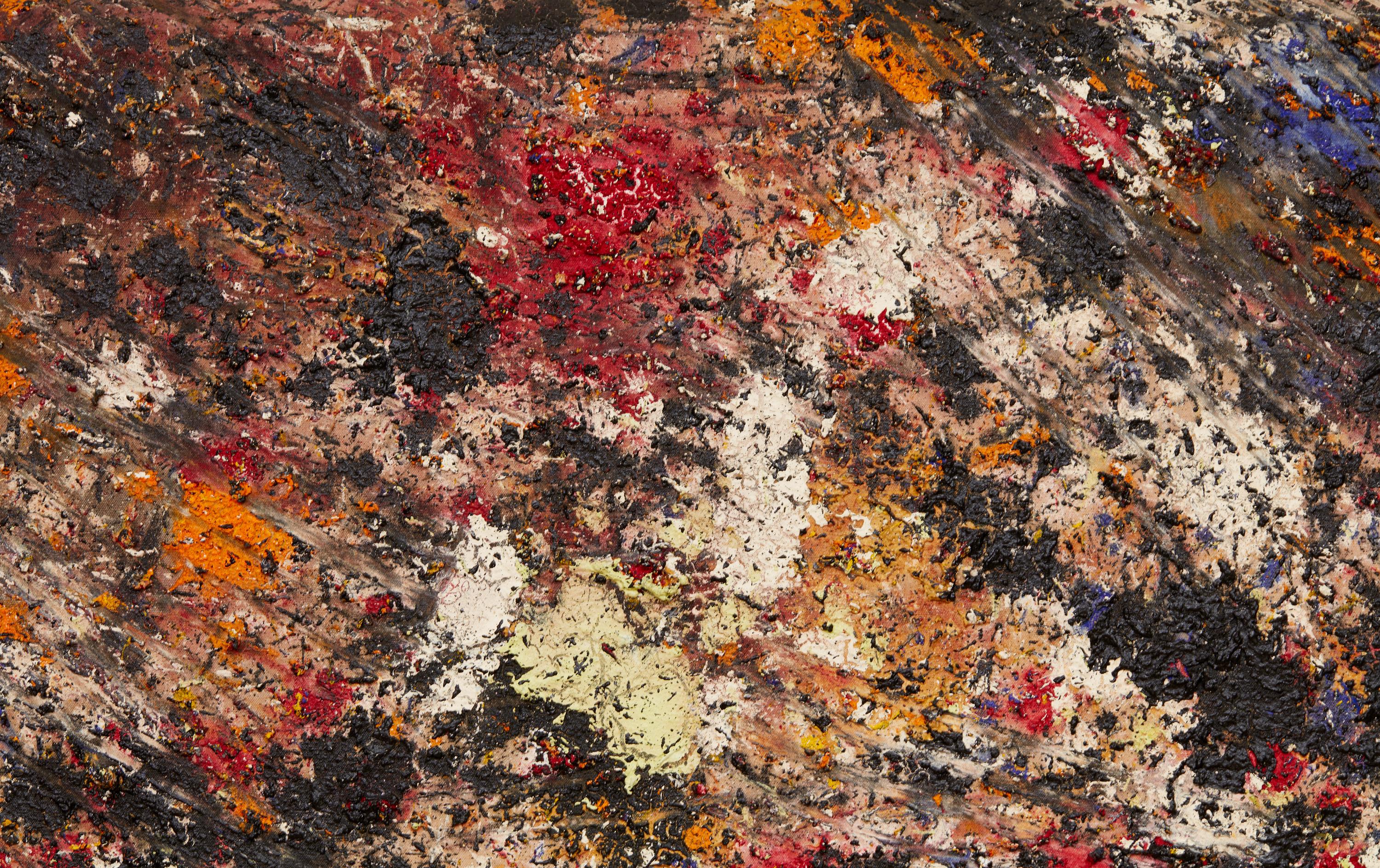
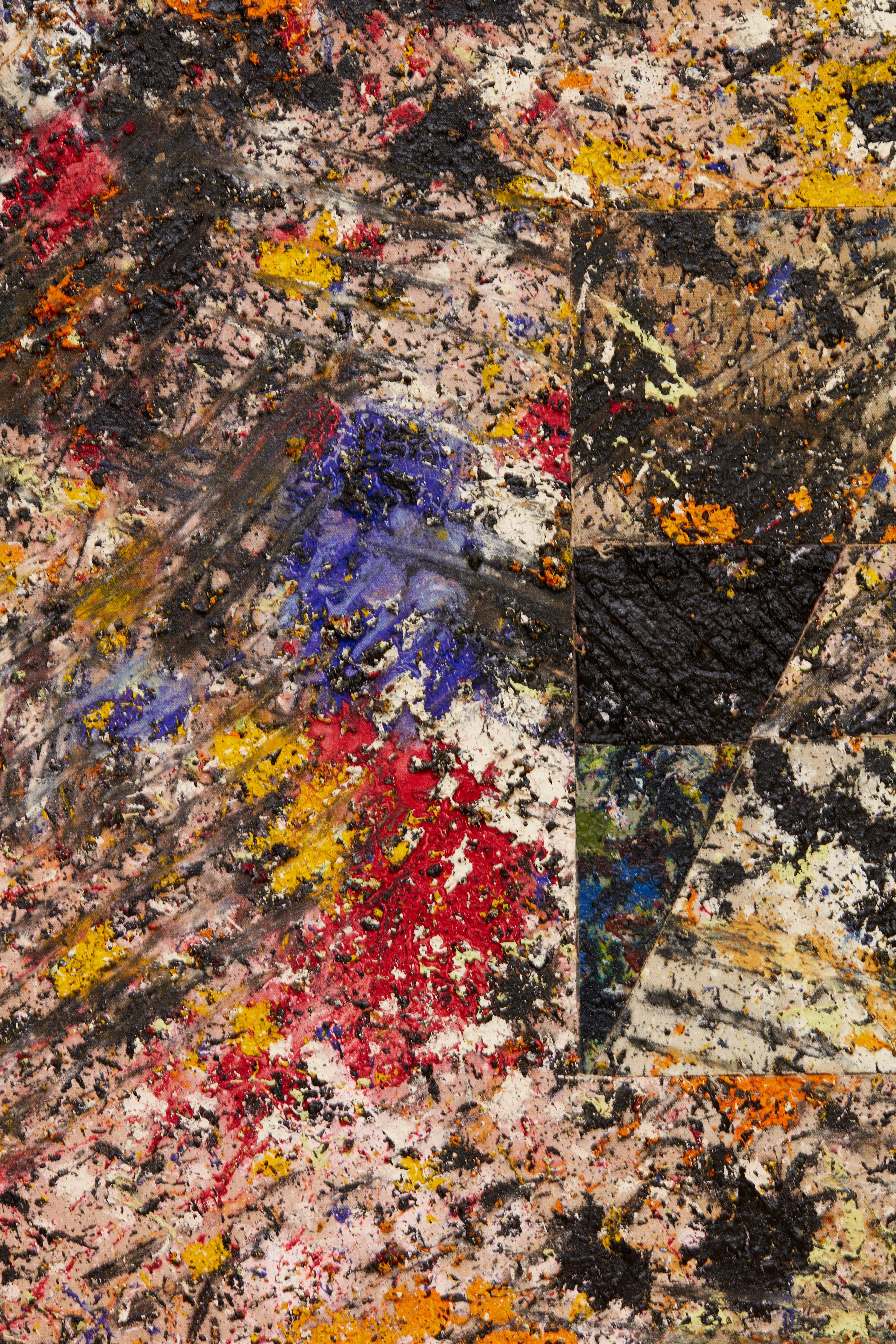
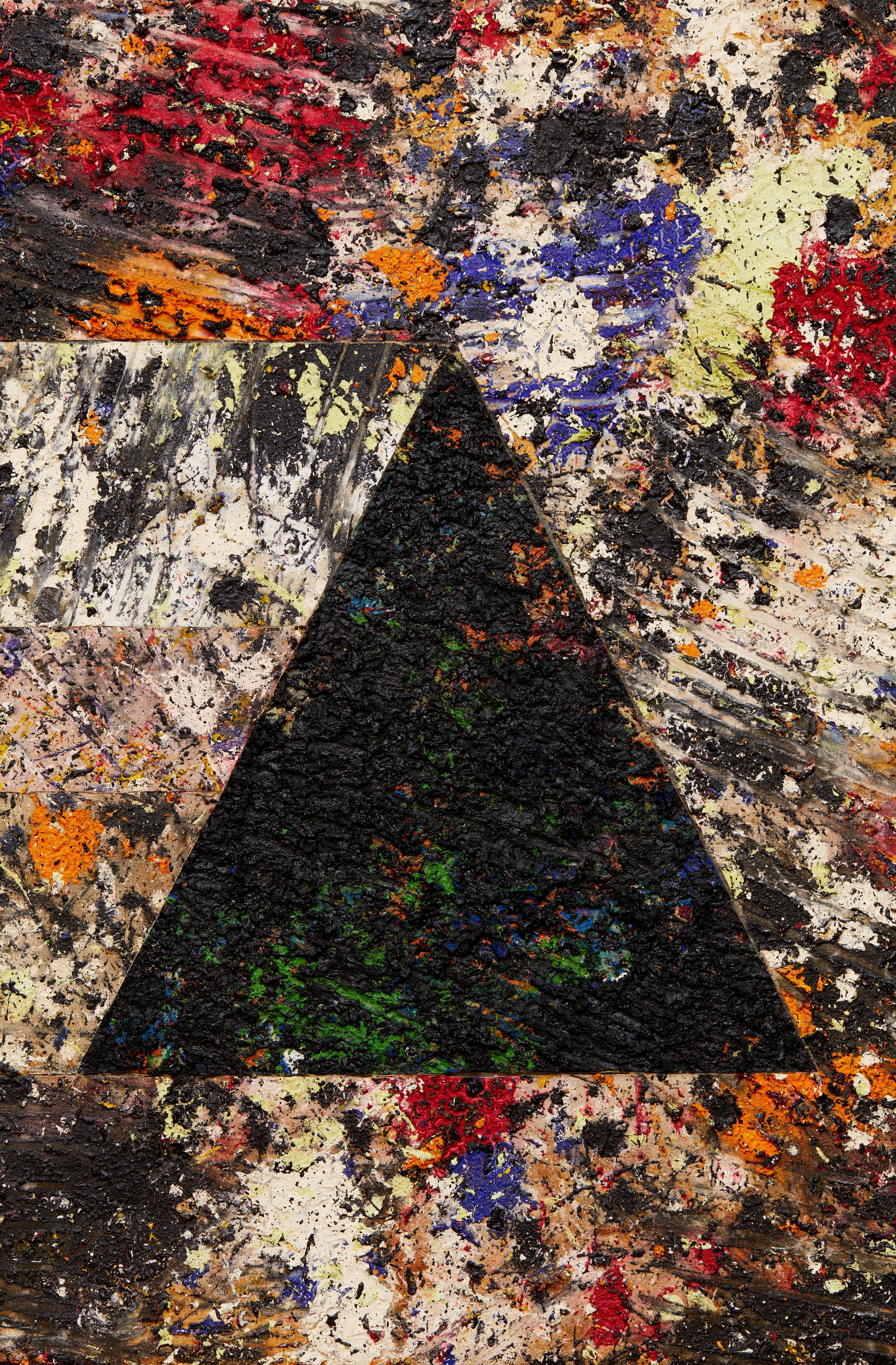
After the draped canvases, in the 1970s, Gilliam began engaging the stretcher again, but with a more architectural structure, beveling the edges to bring the picture plane forward into the viewer’s space in a new way. Around 1975, he began a series of White and Black paintings that were typically created on these beveled canvases and incorporated collaged pieces of painted canvas, and many layers of paint applied with shag-rug brushes and splatters. A prime example of this series is Abacus Sliding, 1977, in the collection of the Denver Art Museum, with its intricately impastoed surface and incorporation of geometric shapes.
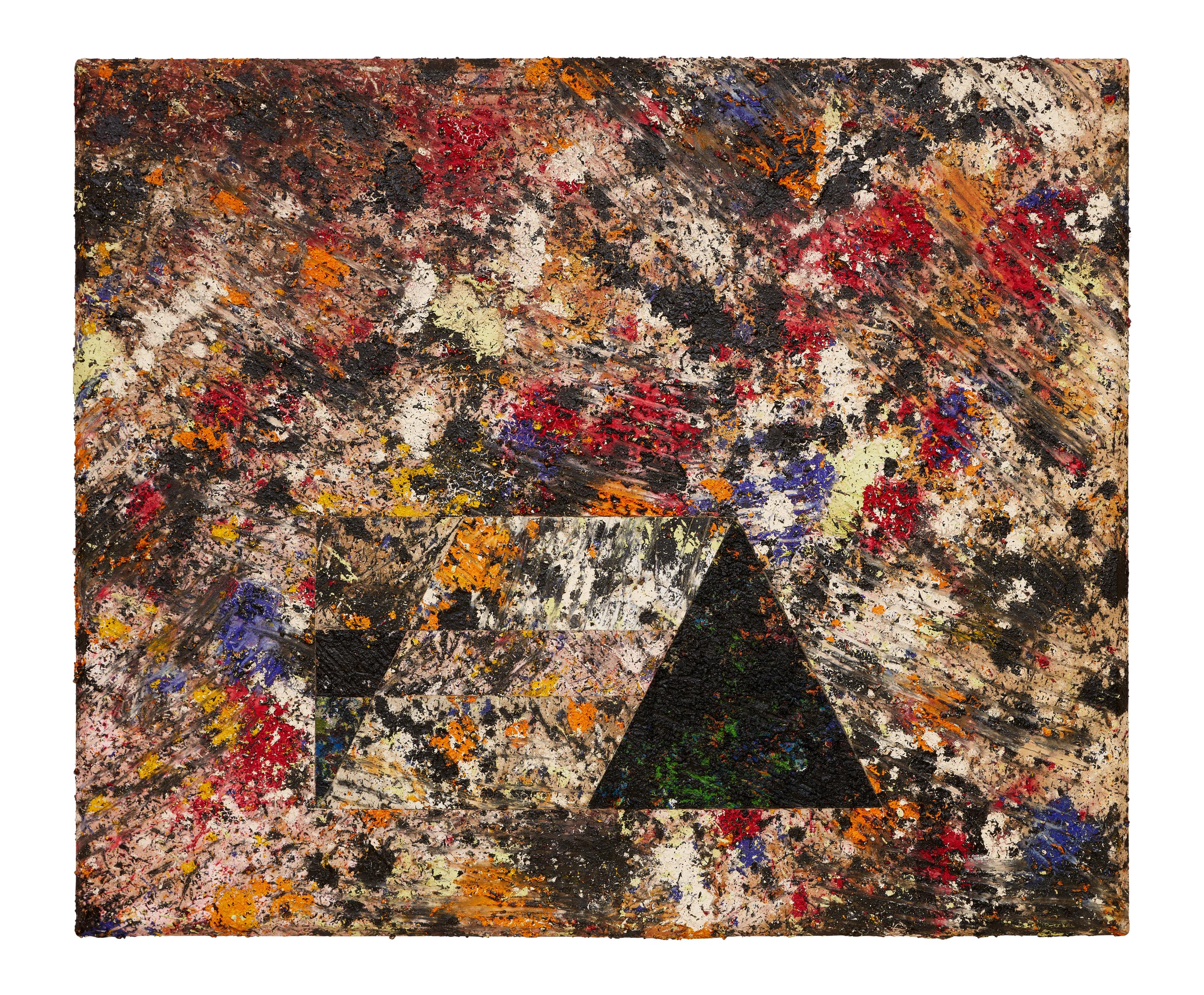
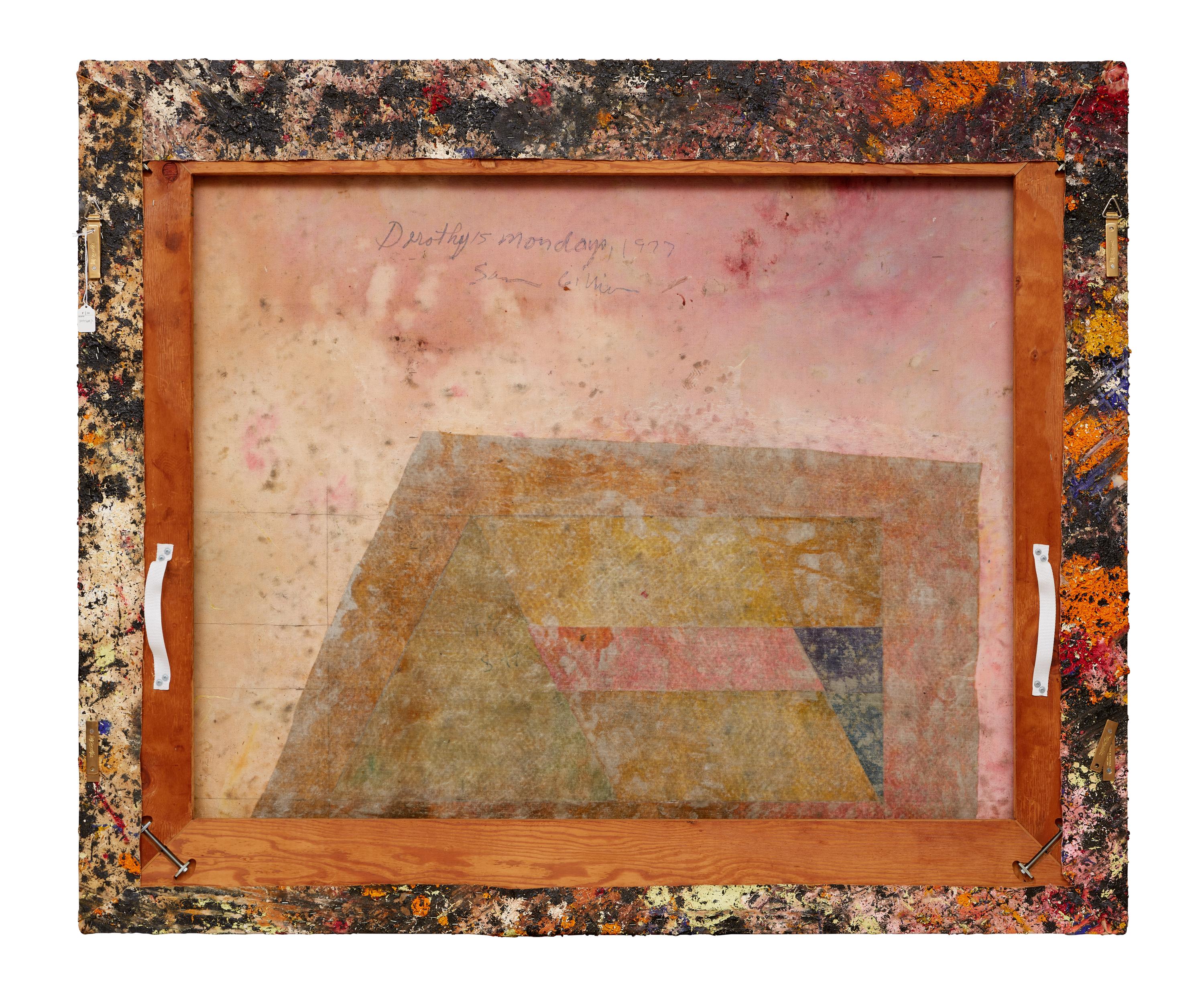
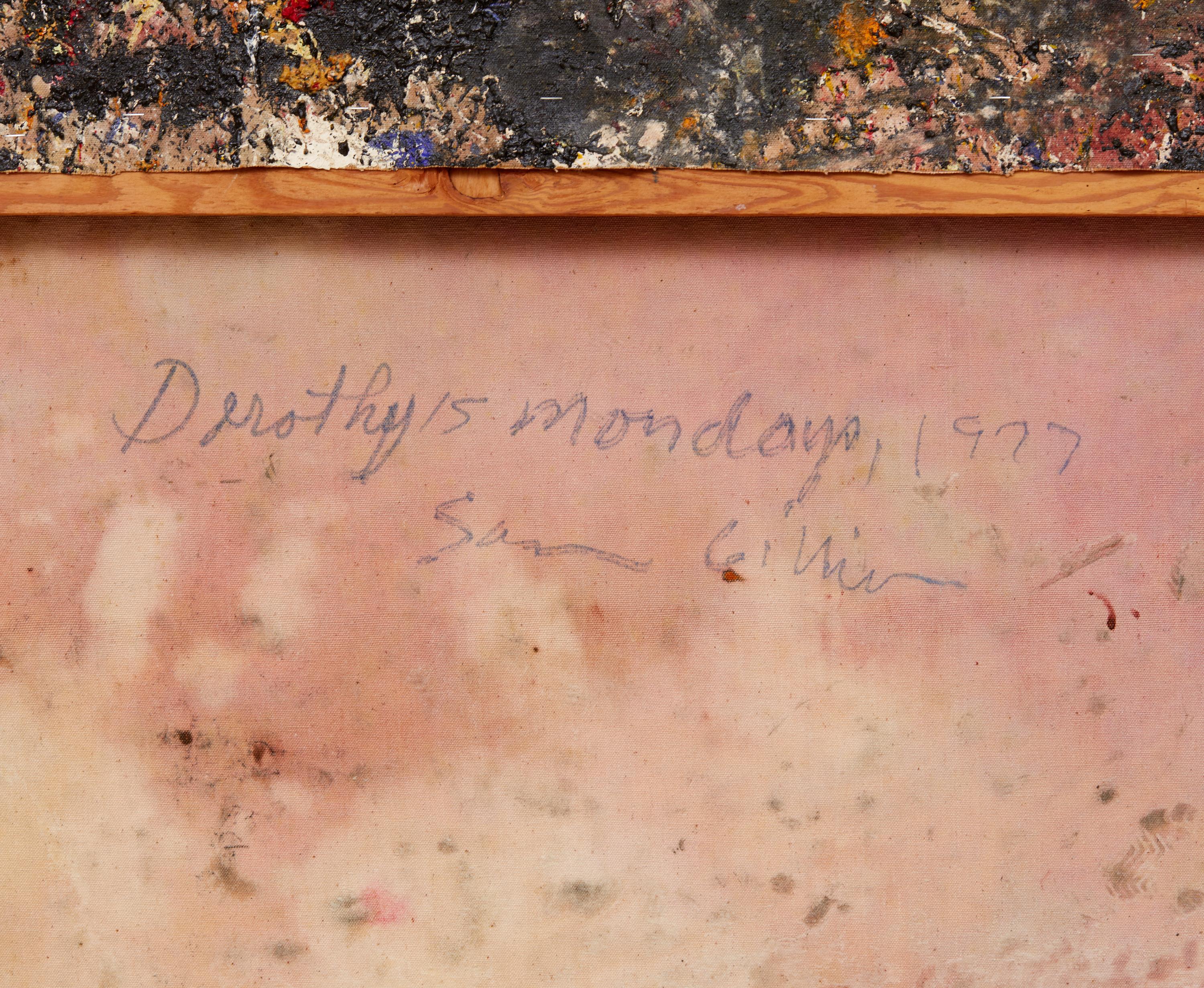
The present lot, Dorothy’s Mondays, was painted that same year and shares many commonalities in its lively application of paint and its geometric details. Dorothy refers to Dorothy Butler Gilliam, a journalist, author, advocate and educator, who married the artist in 1962. She was the first African American female journalist hired by The Washington Post, and went on to cover the major events of the Civil Rights movement, becoming a well-known and respected writer and editor. The couple had three children and later divorced in the 1980s.
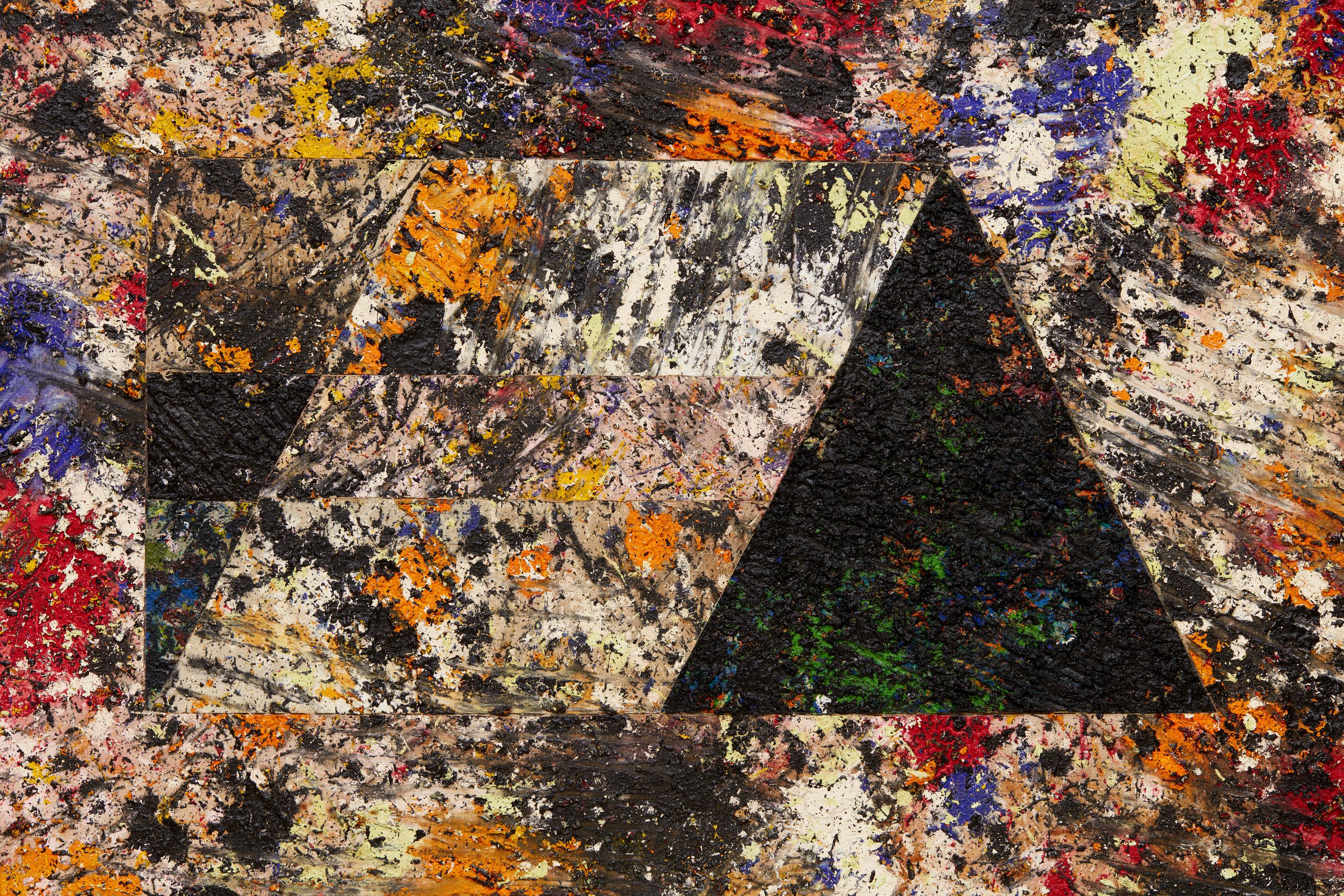
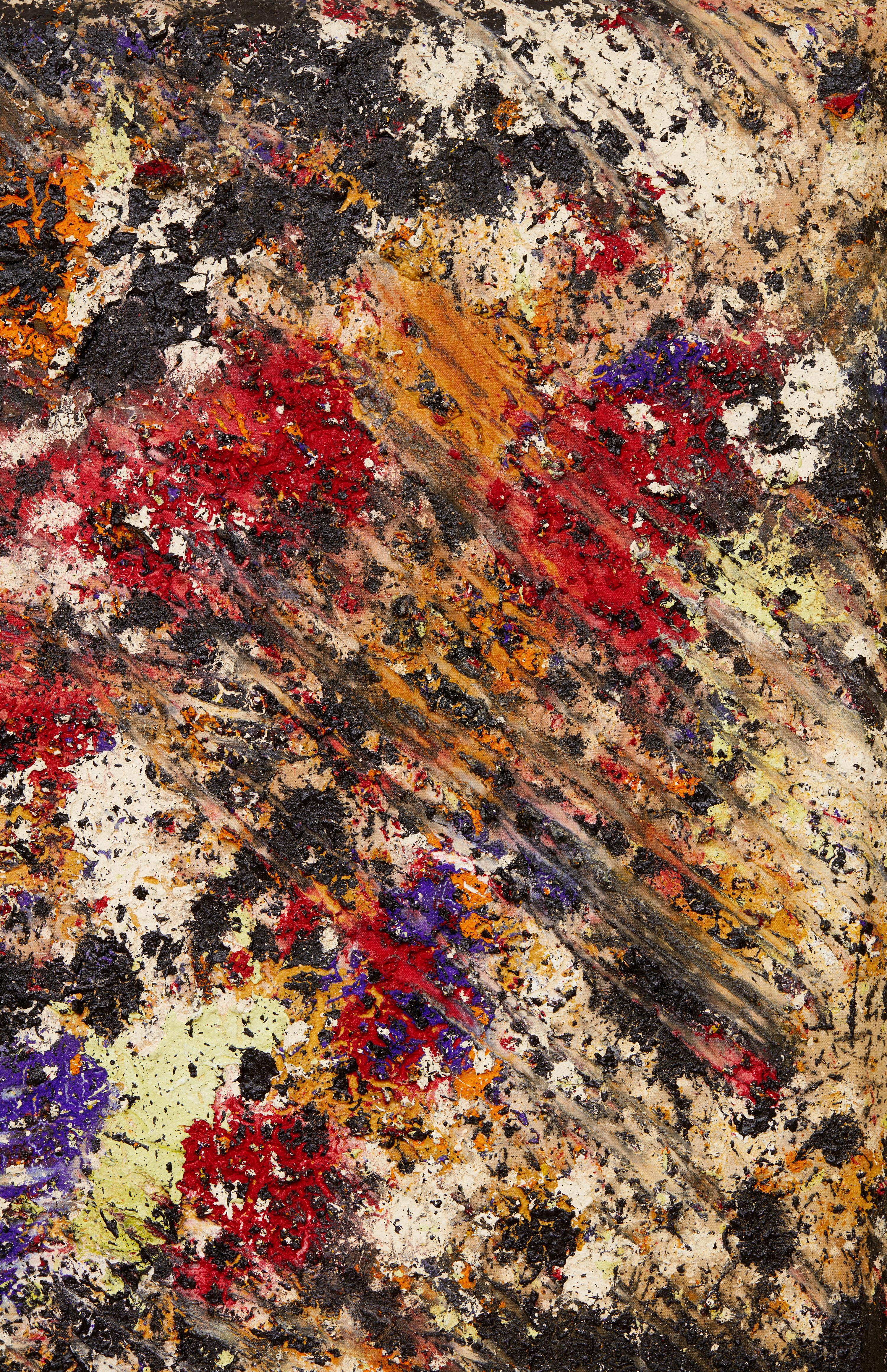
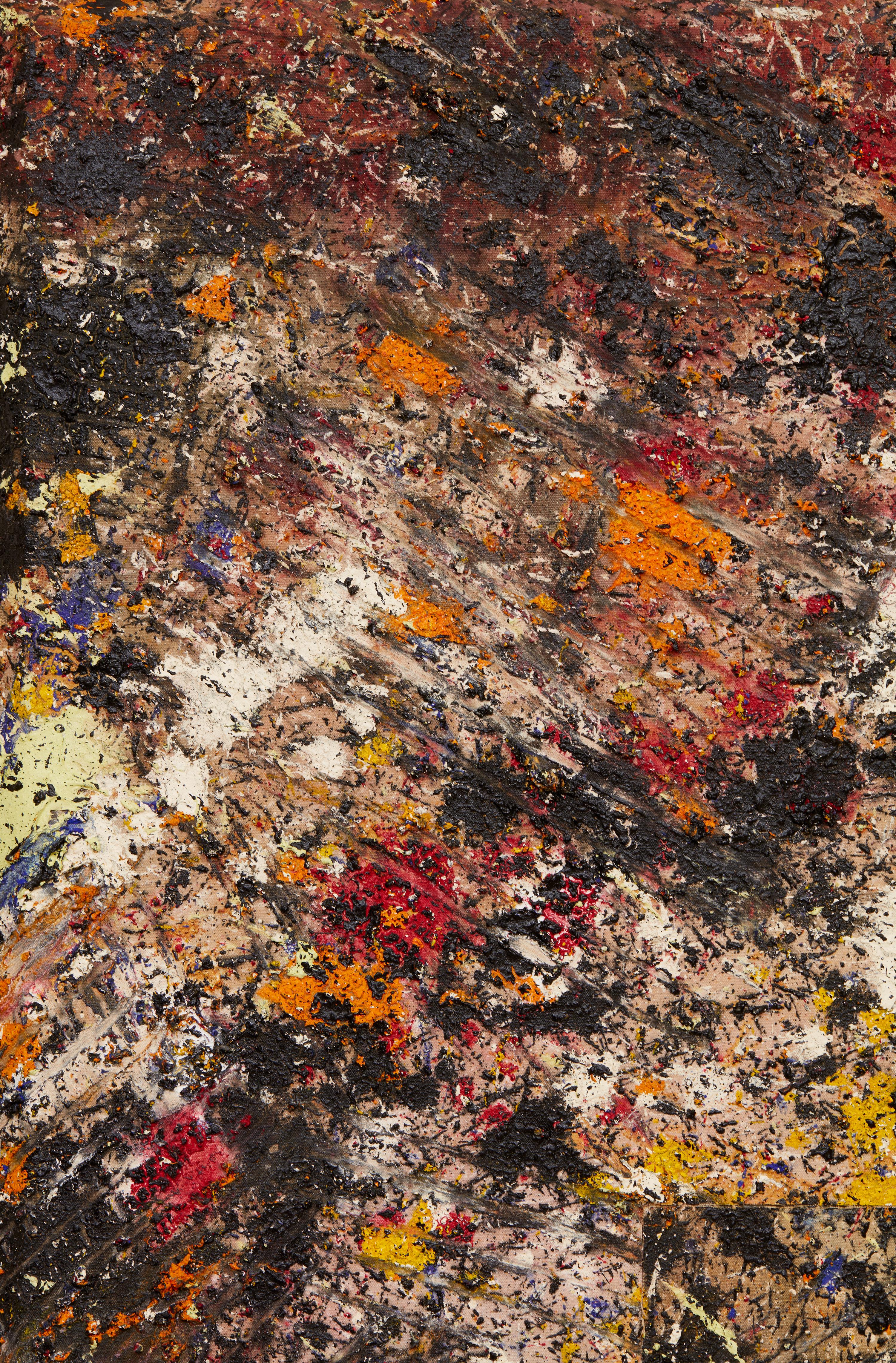
Dorothy’s Mondays epitomizes Gilliam’s Black paintings project, a riot of color in its geological strata, gestures sweeping and swirling around the canvas but anchored by the steady black triangle at the center. Fresh to the market, the painting has resided in the present owner’s collection for nearly fifty years, acquired the year after its making at Fendrick Gallery in Washington, D.C., the second gallery to exclusively represent him.
Unframed.
Please contact fineart@hindmanauctions.com to request a condition report with additional images.
The physical condition of lots in our auctions can vary due to age, normal wear and tear, previous damage, and restoration/repair. All lots are sold "AS IS," in the condition they are in at the time of the auction, and we and the seller make no representation or warranty and assume no liability of any kind as to a lot's condition. Any reference to condition in a catalogue description or a condition report shall not amount to a full accounting of condition. Condition reports prepared by Freeman's staff are provided as a convenience and may be requested from the Department prior to bidding.
The absence of a posted condition report on the Freeman's website or in our catalogues should not be interpreted as commentary on an item's condition. Prospective buyers are responsible for inspecting a lot or sending their agent or conservator to inspect the lot on their behalf, and for ensuring that they have requested, received and understood any condition report provided by Freeman's.
Please email fineart@hindmanauctions.com for any additional information or questions you may have regarding this lot.