To request further details about this lot, please email awolkenberg@freemansauction.com

Raphaël Chatroux
VP, Head of Department, Impressionist & Modern Art
Sale 6342
| Philadelphia
| Philadelphia
To request further details about this lot, please email awolkenberg@freemansauction.com
Raphaël Chatroux
VP, Head of Department, Impressionist & Modern Art
Estimate$40,000 – $60,000
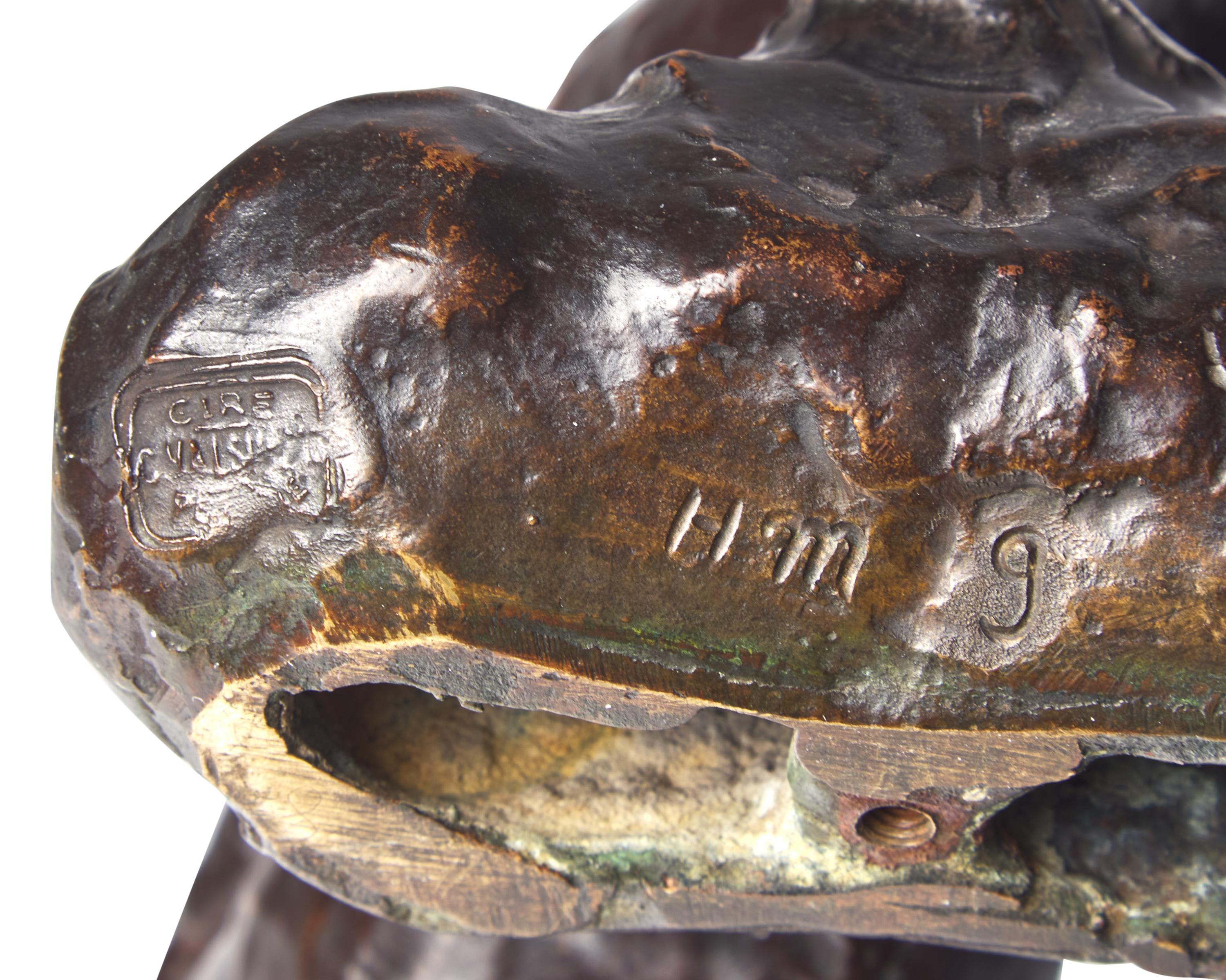
Modeled in 1918, cast in 1950.
Provenance:
The Estates of Sumner McKnight and Sarah Townsend Crosby (acquired in 1960).
Christie's, New York, sale of May 3, 2006, lot 381.
Acquired directly from the above sale by the present owner.
Literature:
Albert E. Elsen, "The Sculpture of Matisse, Part II: Old Problems and New Possibilities," in Artforum, October 1968.
Mario Luzi and Massimo Carrà, L'Opera di Matisse dalla Rivolta 'fauve' all'Intimismo, 1904-1928, Rizzoli Editori, Milan, 1971, p. 108, no. S18 (another cast illustrated).
Albert E. Elsen, The Sculpture of Henri Matisse, Harry N. Abrams, New York, 1972, pp. 140, 143-144, 157, no. 192 (another cast illustrated).
Alfred H. Barr, Jr., Matisse: His Art and His Public, Secker & Warburg, London, 1975, pp. 205, 424 (another cast illustrated).
Michael P. Mezzatesta, Henri Matisse, Sculptor/Painter, Kimbell Art Museum, Fort Worth, 1984, pp. 110-112 (another cast illustrated).
Isabelle Monod-Fontaine, The Sculpture of Henri Matisse, Arts Council of Great Britain, London, 1984, p. 147, no. 54, pl. 54 (another cast illustrated).
Pierre Schneider, Matisse, Rizzoli International Publications, New York, 1984, p. 524.
Claude Duthuit and Wanda de Guébriant, Henri Matisse, Catalogue Raisonné de l’Oeuvre Sculpté, Claude Duthuit, Paris, 1997, pp. 174-177, no. 62 (another cast illustrated).
Note:
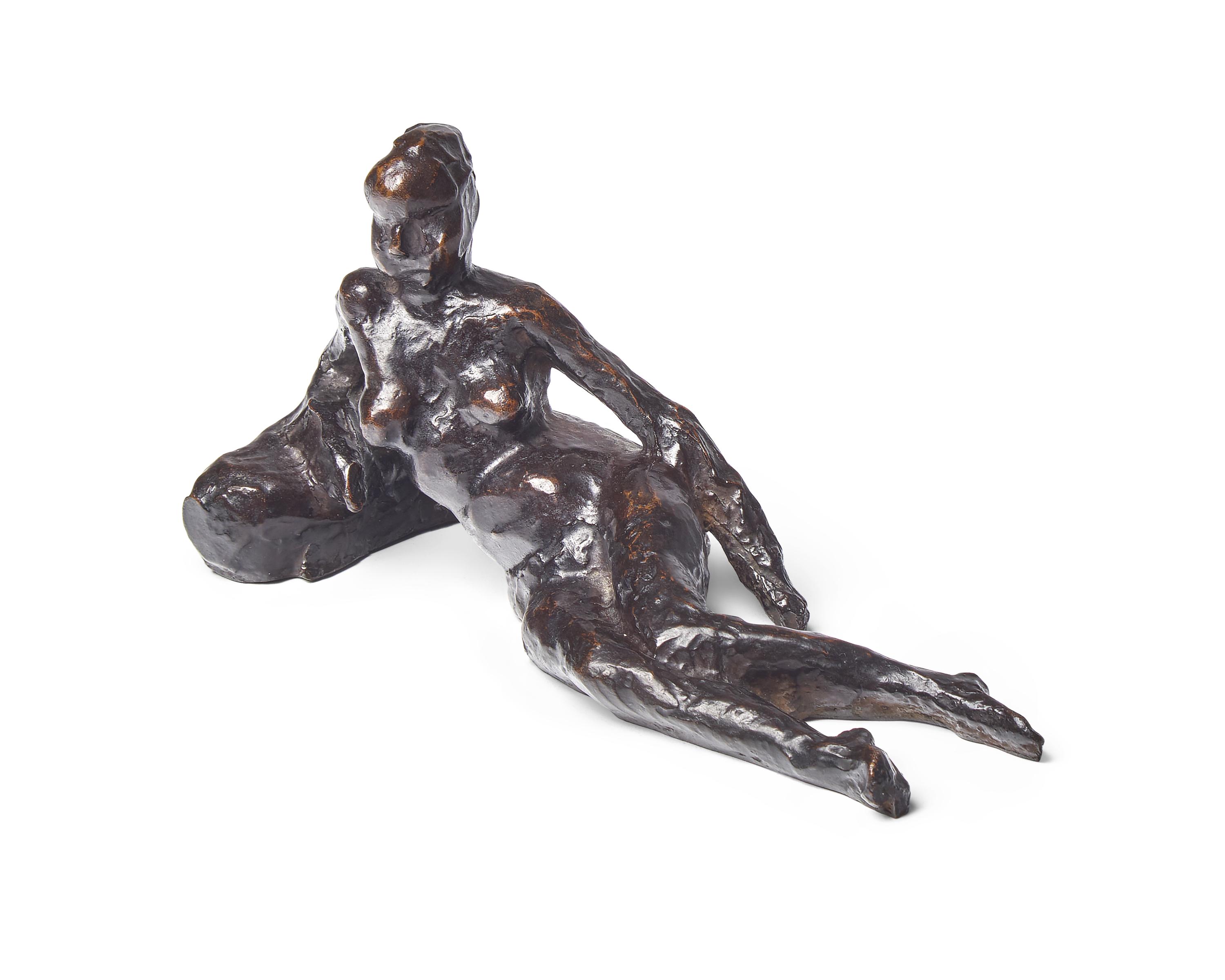
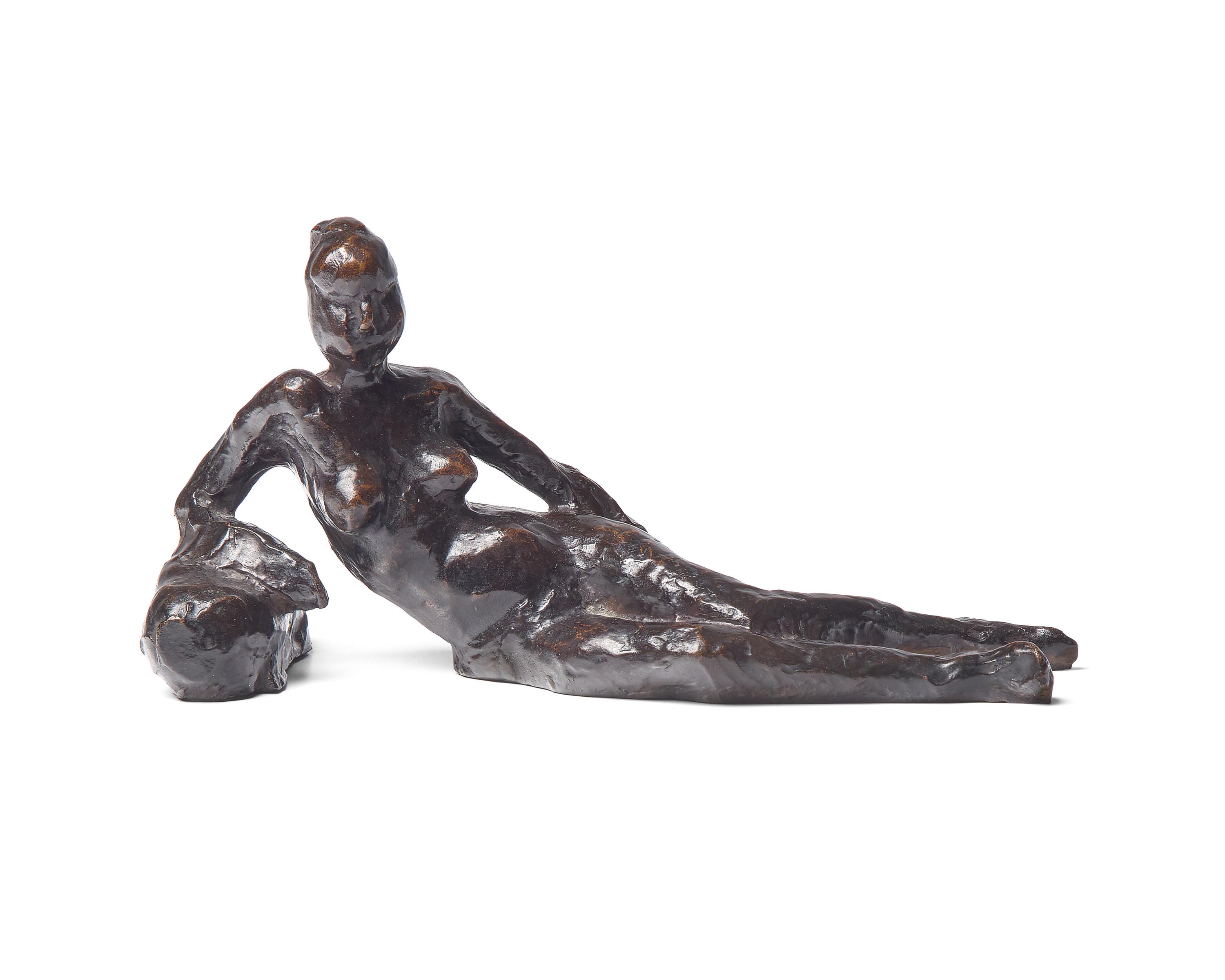
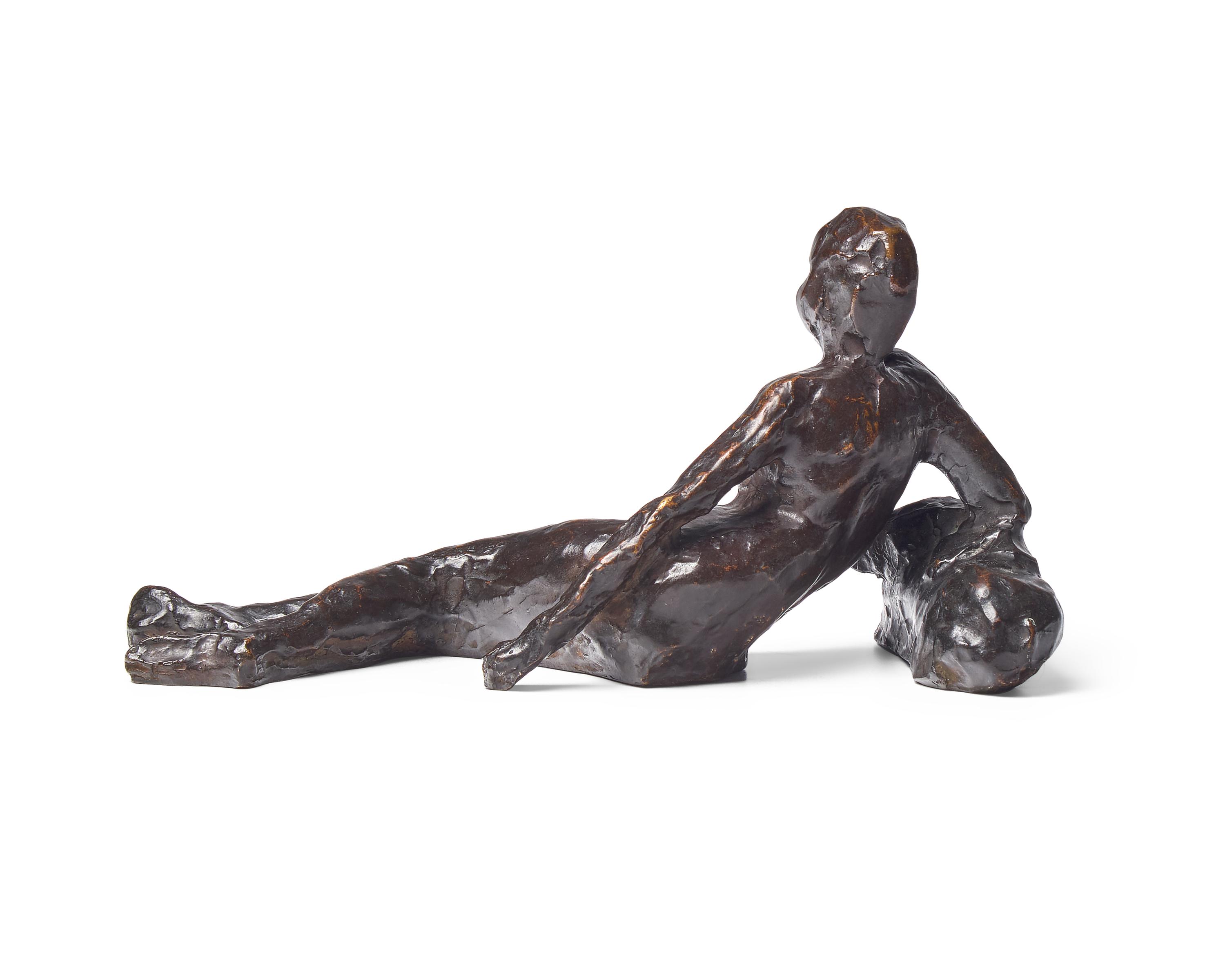
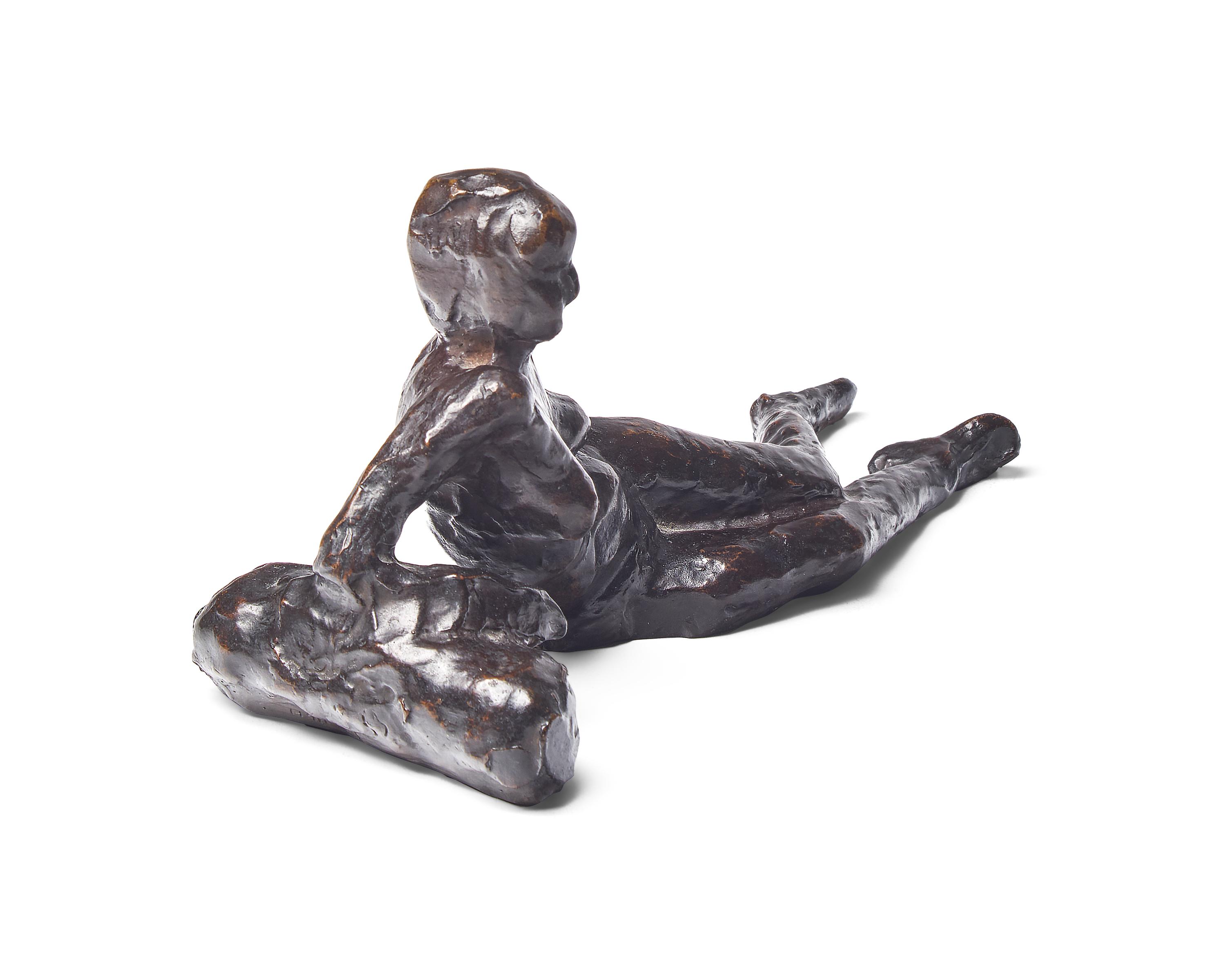
Paul Cézanne’s paintings of bathers had a particularly strong impact on the younger artist Henri Matisse, who once called Cézanne “the master of us all.” Matisse’s many paintings, sculptures and drawings of male and female bathers and nudes in various poses and settings reveal this ongoing influence. In 1909, Matisse began working on a series of large sculptures of a female figure’s back, four works that form a study of abstraction, movement and grace. Matisse created the present sculpture, Petit Nu au Polochon, shortly after the third “back” in his series, clearly working through similar ideas on a more personal, intimate scale. This work exudes a strong tactile quality, one can almost feel the materials being turned over and manipulated in Matisse’s hands, as he played with the form.
Henri Matisse sculpted Petit Nu au Polochon in 1918, as he was spending increasingly more time in Nice, where he would eventually settle full time. The leaning and reclining nudes in his sculptural work and painting from this time also refer to the trope of the odalisque; here the nude is on display, seductively propped up on a cushion, inviting the viewer’s gaze.
Other editions of Petit Nu au Polochon reside in the Musée Matisse, Nice, The Cone Collection at the Baltimore Museum of Art and in important private collections internationally. Matisse’s legacy persists and several recent museum exhibitions celebrate his continuing relevancy for artists, art historians and collectors alike, including Matisse: The Red Studio at the Museum of Modern Art in New York, which will be traveling to Denmark this fall, and Matisse in the 1930s, opening October 20, 2022 at the Philadelphia Museum of Art.
height: 5 1/8 in. (13cm)
width: 10 1/2 in. (26.7cm)
depth: 4 in. (10.2cm)
There is some slight dust accumulation in the crevices of the figure and some very slight wear underneath in flat areas that make contact with a surface. Some chalky white residue and a few spots of rust-colored staining is visible on the interior of the piece. Overall in very good condition.
The physical condition of lots in our auctions can vary due to age, normal wear and tear, previous damage, and restoration/repair. All lots are sold "AS IS," in the condition they are in at the time of the auction, and we and the seller make no representation or warranty and assume no liability of any kind as to a lot's condition. Any reference to condition in a catalogue description or a condition report shall not amount to a full accounting of condition. Condition reports prepared by Freeman's staff are provided as a convenience and may be requested from the Department prior to bidding.
The absence of a posted condition report on the Freeman's website or in our catalogues should not be interpreted as commentary on an item's condition. Prospective buyers are responsible for inspecting a lot or sending their agent or conservator to inspect the lot on their behalf, and for ensuring that they have requested, received and understood any condition report provided by Freeman's.
Please email awolkenberg@freemansauction.com for any additional information or questions you may have regarding this lot.