Back
Collect: Palm Beach
|
- Sale 6340
Live
| Chicago
May 14 | 9:00 AM CDT
Live
| Chicago
Sale 6340
| Chicago
| Chicago
Estimate$10,000 – $20,000
On Maison Gossin Frères:
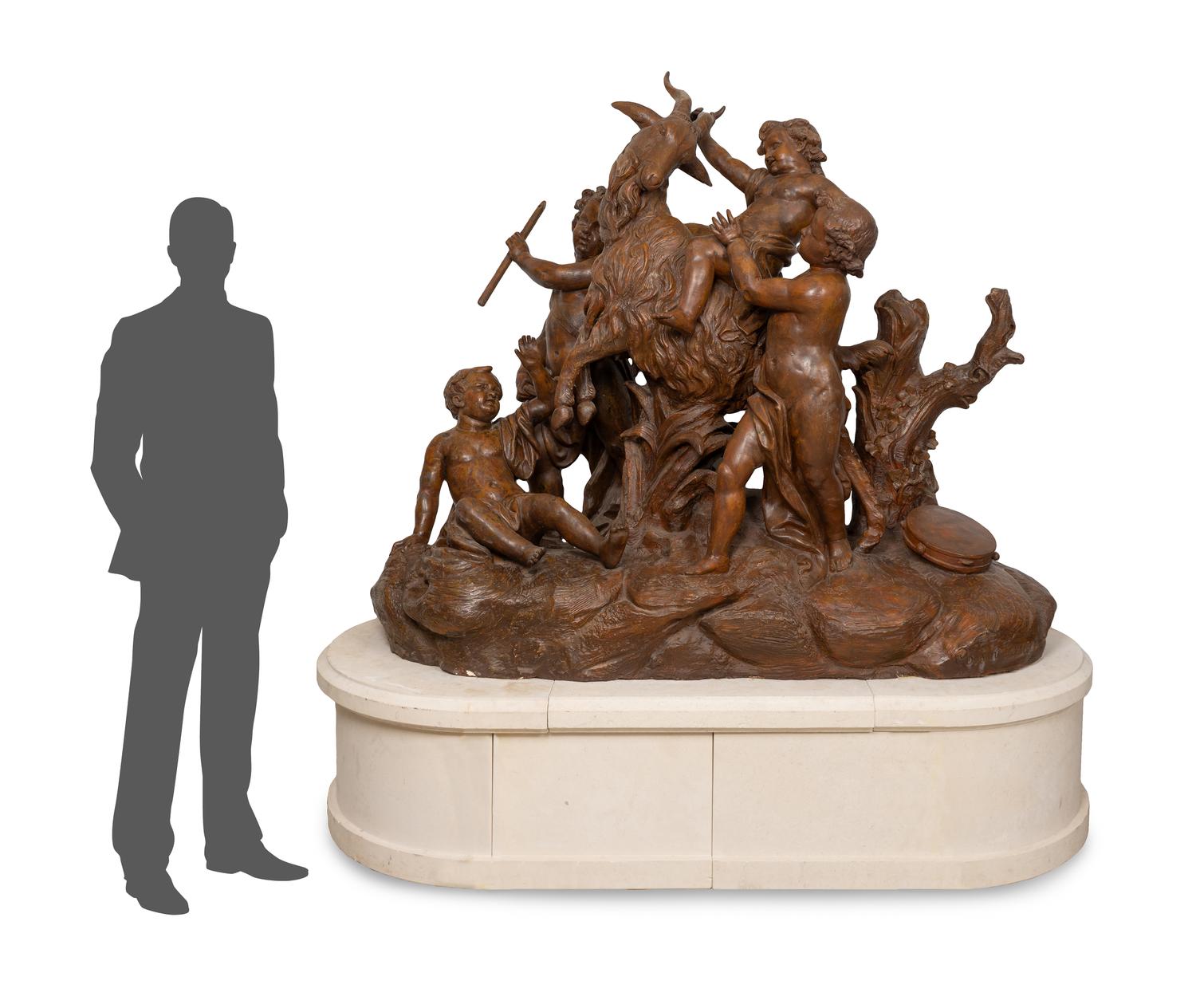
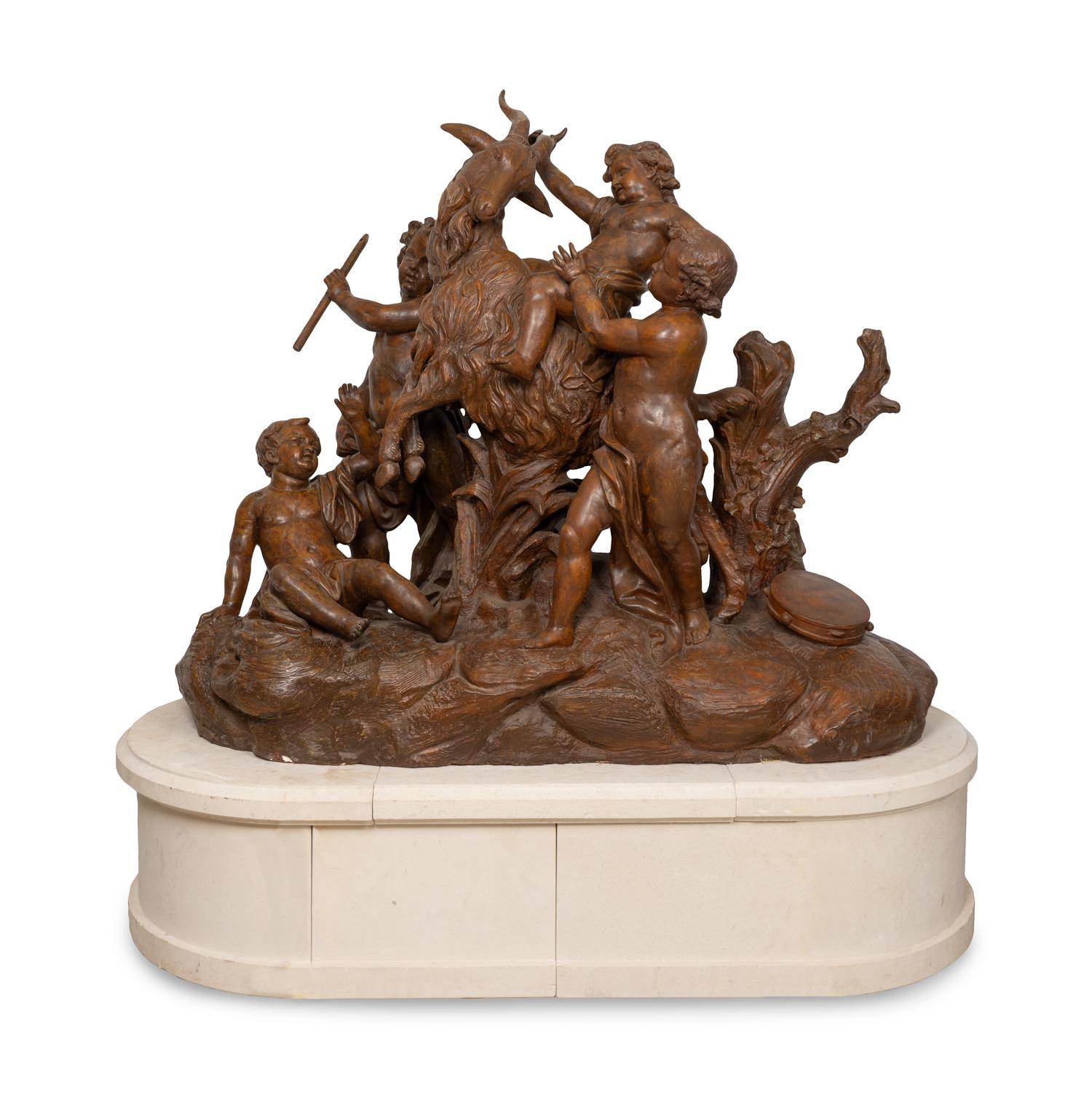
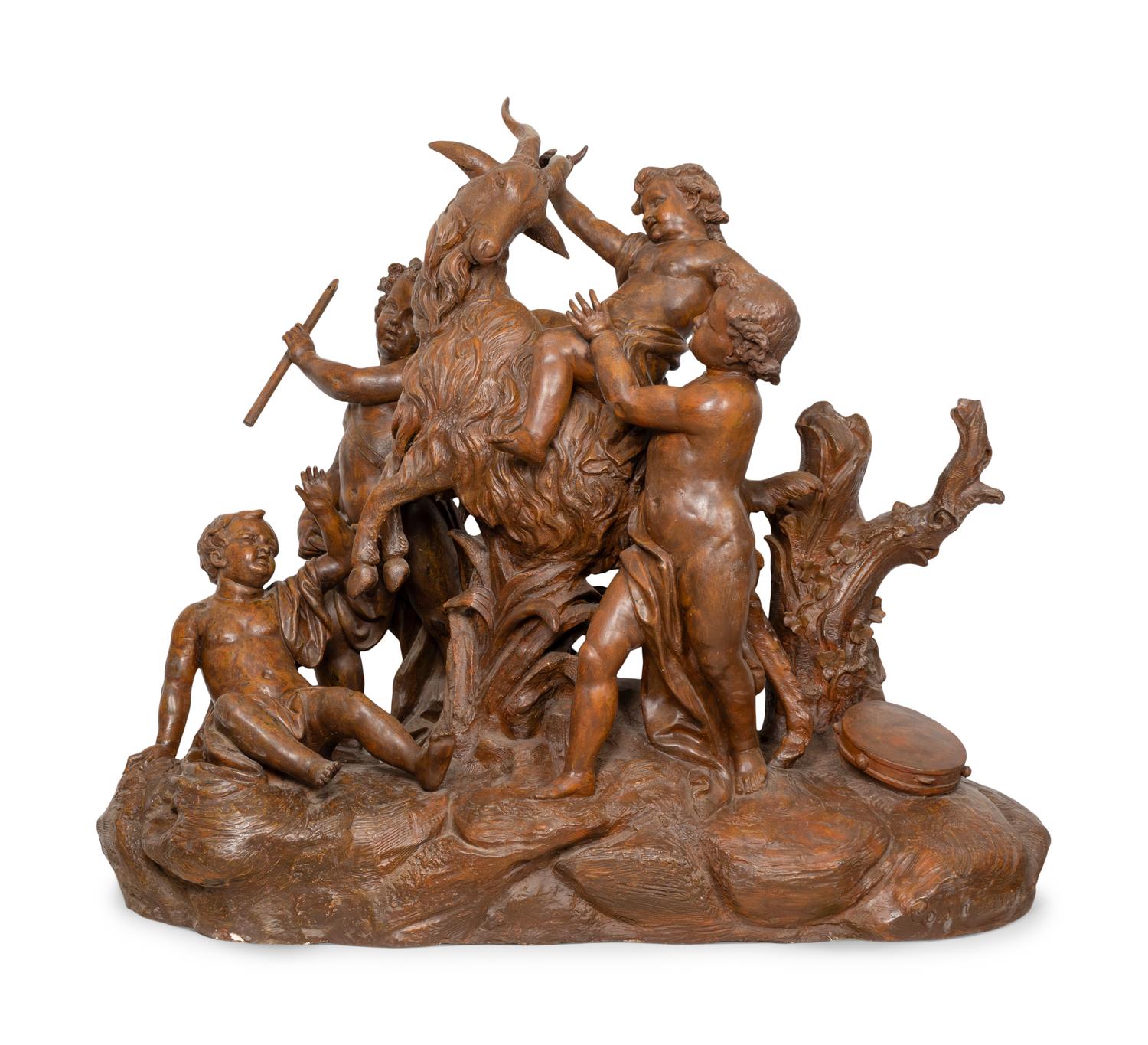
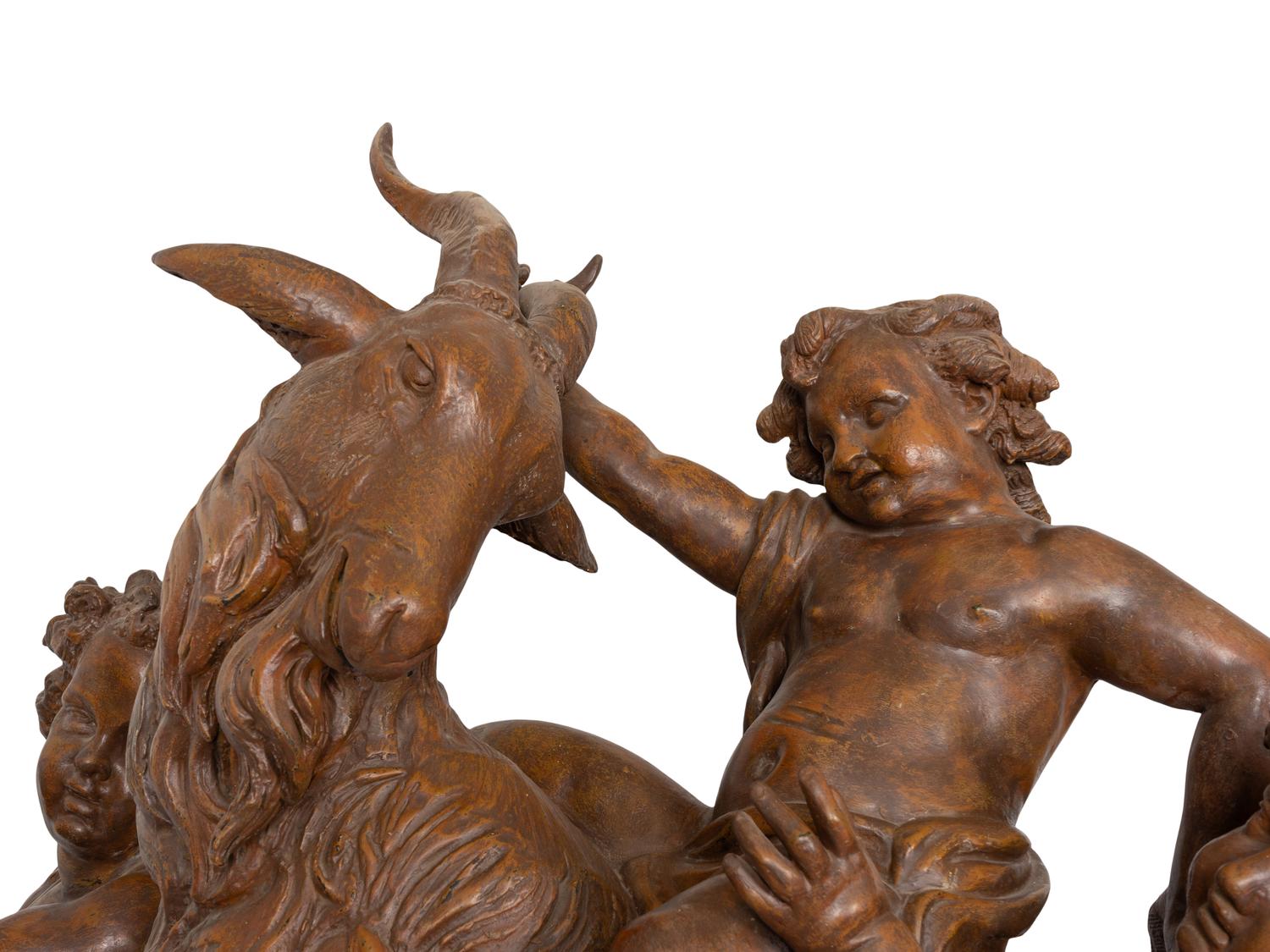
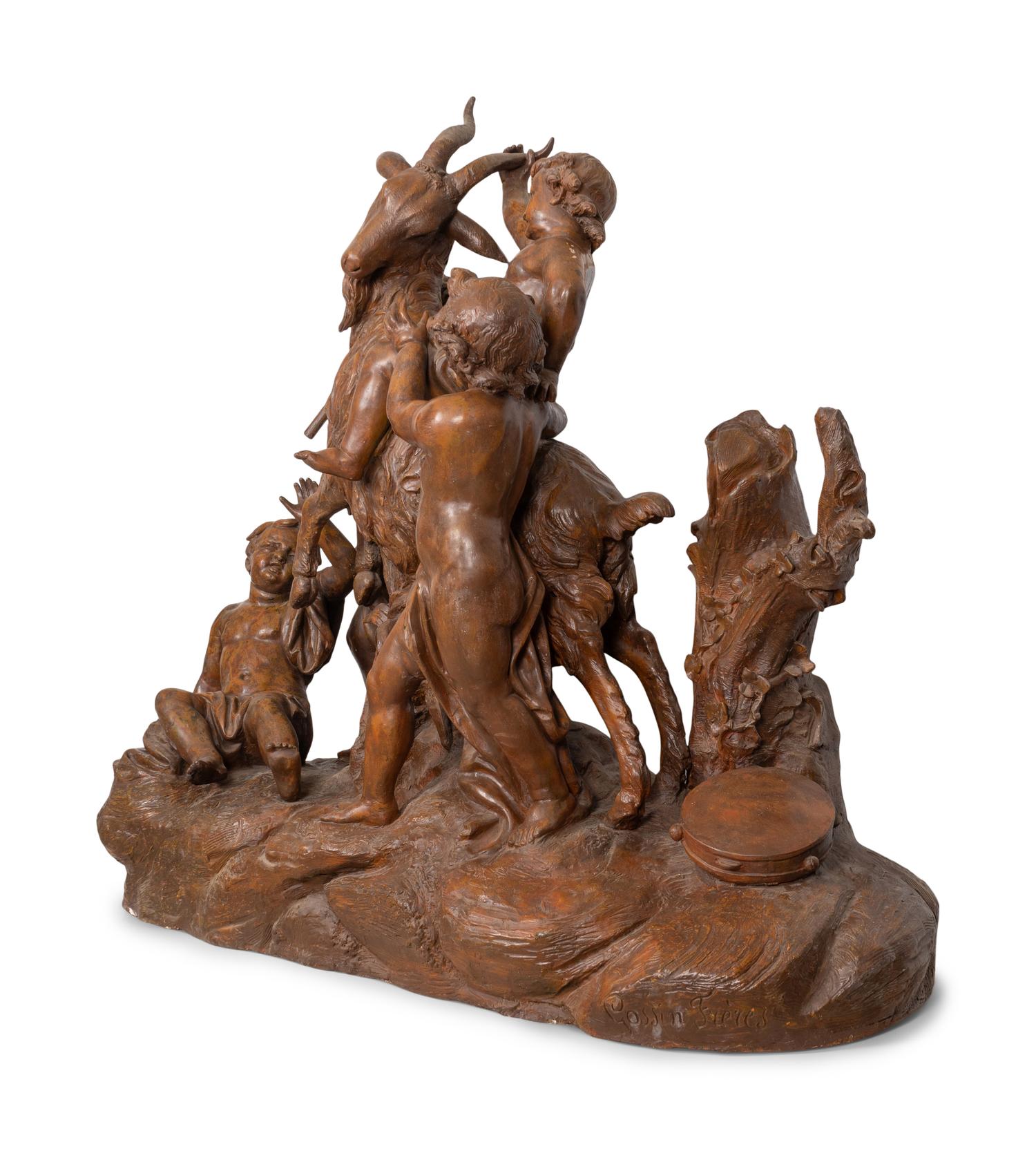
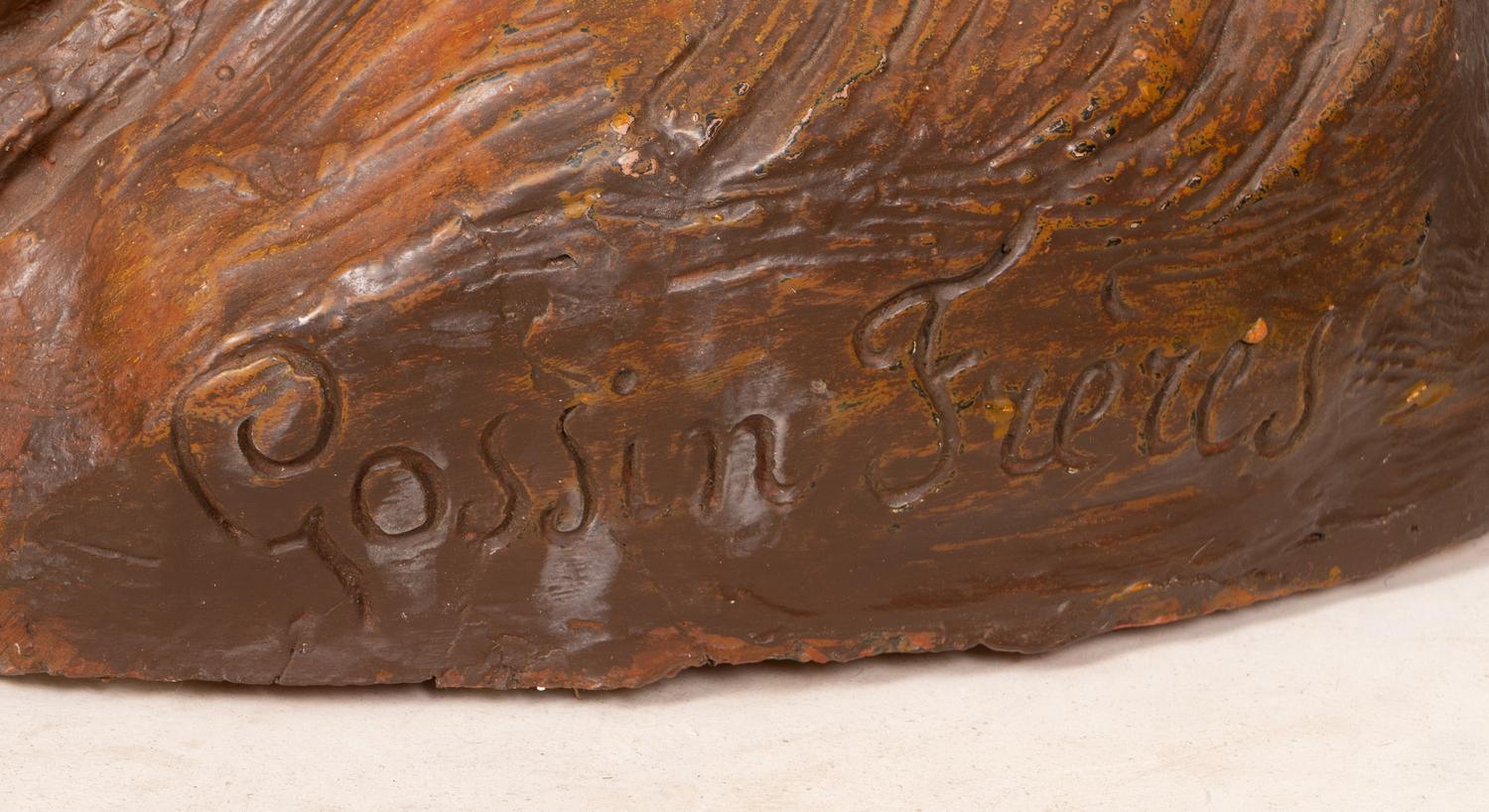
Statuary by Gossin Frères are represented in the permanent collections of the Augustinian Museum of Toulouse (Toulouse, France), The Petit Palais/Museum of Fine Arts of the City of Paris (Paris, France) as well as in important private collections internationally, including The Rothschild Family's Waddesdon Manor (Buckinghamshire, England) and the Vanderbilt family's Biltmore Estate (Asheville, North Carolina). Catalogs of statuary issued by Maison Gossin Frères are held by both The Victoria and Albert Museum's National Art Library (London, England) and The Metropolitan Museum of Art (New York, New York). Maison Gossin Frères was led by two brothers, Etienne (d. 1900) and Louis (1846-1928). The firm produced mainly large and decorative statuary, notably with mythology as its theme. Louis Gossin was a student of Mathurin Moreau (1822-1912) and exhibited regularly from 1877-1900. The brothers were renowned for their ornamental terracotta works and exhibited at the official art exhibition of the Académie des Beaux-Arts, the Salon de Paris, winning medals in 1882 and 1886. Thereafter Louis Gossin won several additional medals of distinction in 1889 and 1890 in the United States.
On the symbolism of Putti with goat:
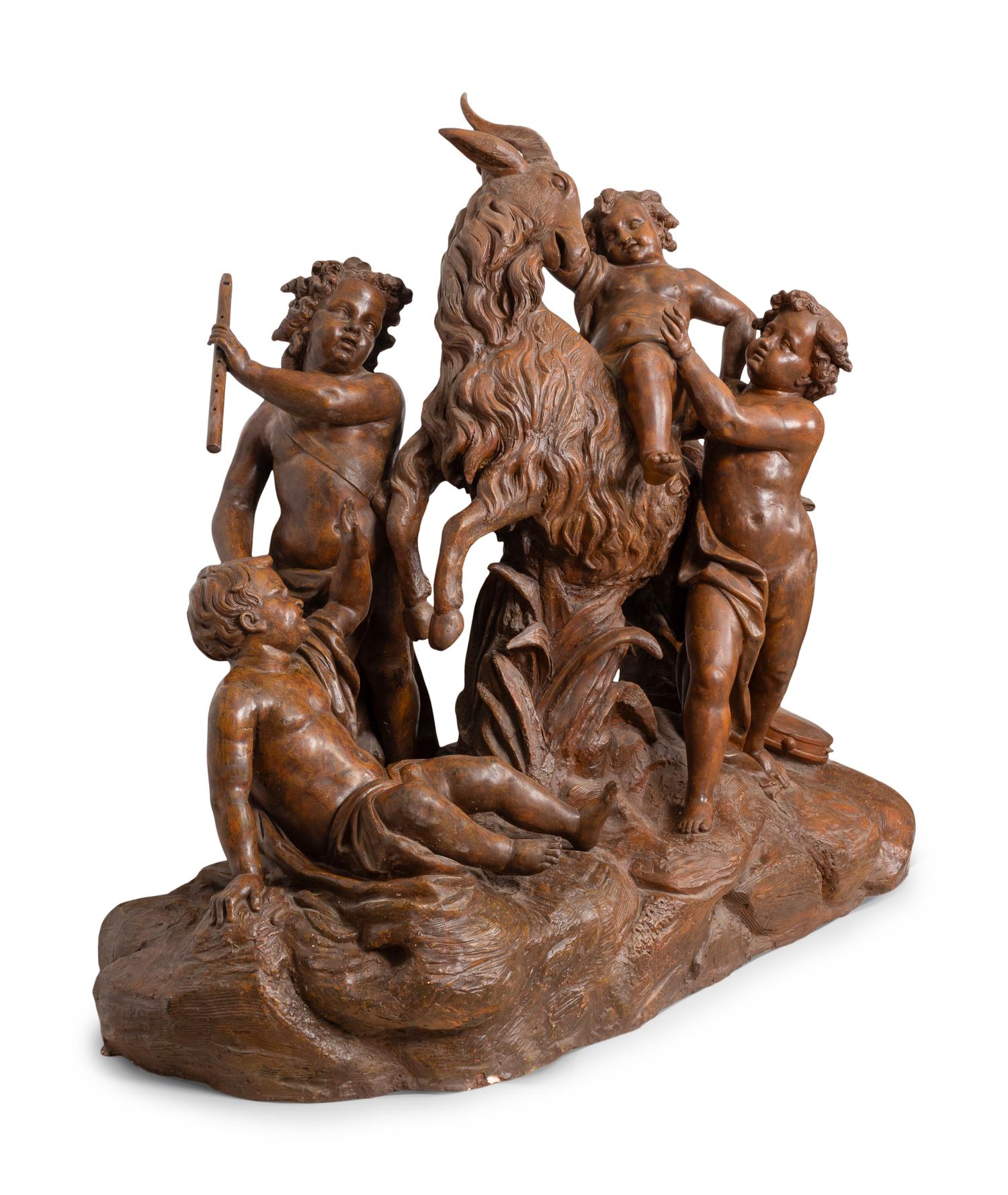
Depictions of Putti with a goat are an ancient classical motif re-popularised by the famous Italian sculptor, Donatello (ca. 1386-1420) and other subsequent Renaissance artists. Putti are associated with Aphrodite/Venus and therefore represent life and love, amusement, mirth and leisure. As they frolic and play, they also represent heaven, peace, abundance and prosperity. Putti with a goat was a popular theme depicted by early modern artists of the 16th-19th centuries such as Francois du Duquesnoy, Jacob de Wit, Marcantonio Francheschini, Charles-Joseph Natoire, P.E. Van den Bossche, and others. Putti are often associated with wild revelry and the god of wine and pleasure Dionysus/Bacchus and related rites include Lupercalia, an ancient Roman holiday involving the sacrifice of a goat.
To request further details about this lot, please email [email protected]
Please email [email protected] for any additional information or questions you may have
Please see additional photos.
The physical condition of lots in our auctions can vary due to age, normal wear and tear, previous damage, and restoration/repair. All lots are sold "AS IS," in the condition they are in at the time of the auction, and we and the seller make no representation or warranty and assume no liability of any kind as to a lot's condition. Any reference to condition in a catalogue description or a condition report shall not amount to a full accounting of condition. Condition reports prepared by Freeman's staff are provided as a convenience and may be requested from the Department prior to bidding.
The absence of a posted condition report on the Freeman's website or in our catalogues should not be interpreted as commentary on an item's condition. Prospective buyers are responsible for inspecting a lot or sending their agent or conservator to inspect the lot on their behalf, and for ensuring that they have requested, received and understood any condition report provided by Freeman's.
Please email [email protected] for any additional information or questions you may have regarding this lot.