To request further details about this lot, please email westernart@hindmanauctions.com


Alexandria Dreas
Specialist, Head of Sale, Western and Contemporary Native American Art
Sale 1092
| Denver
| Denver
To request further details about this lot, please email westernart@hindmanauctions.com
Alexandria Dreas
Specialist, Head of Sale, Western and Contemporary Native American Art
Estimate$30,000 – $50,000
Provenance:
Acquired directly from the artist by Dr. Edgar A. Lawrence, MD
Thence by descent, private collection of granddaughter
Illustrated:
Patricia Broder, Bronzes of the American West, New York, 1973, pp. 197-198.
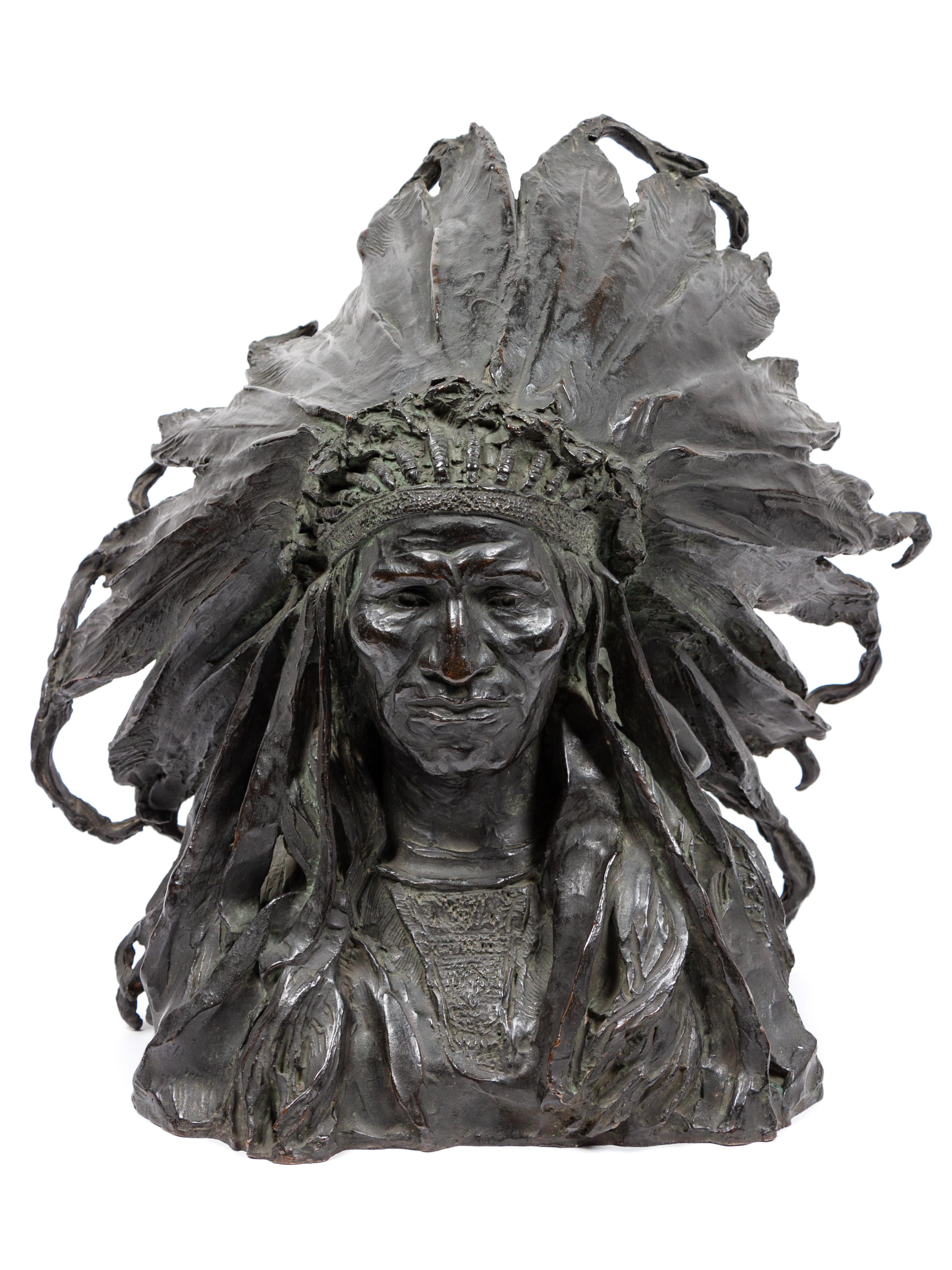
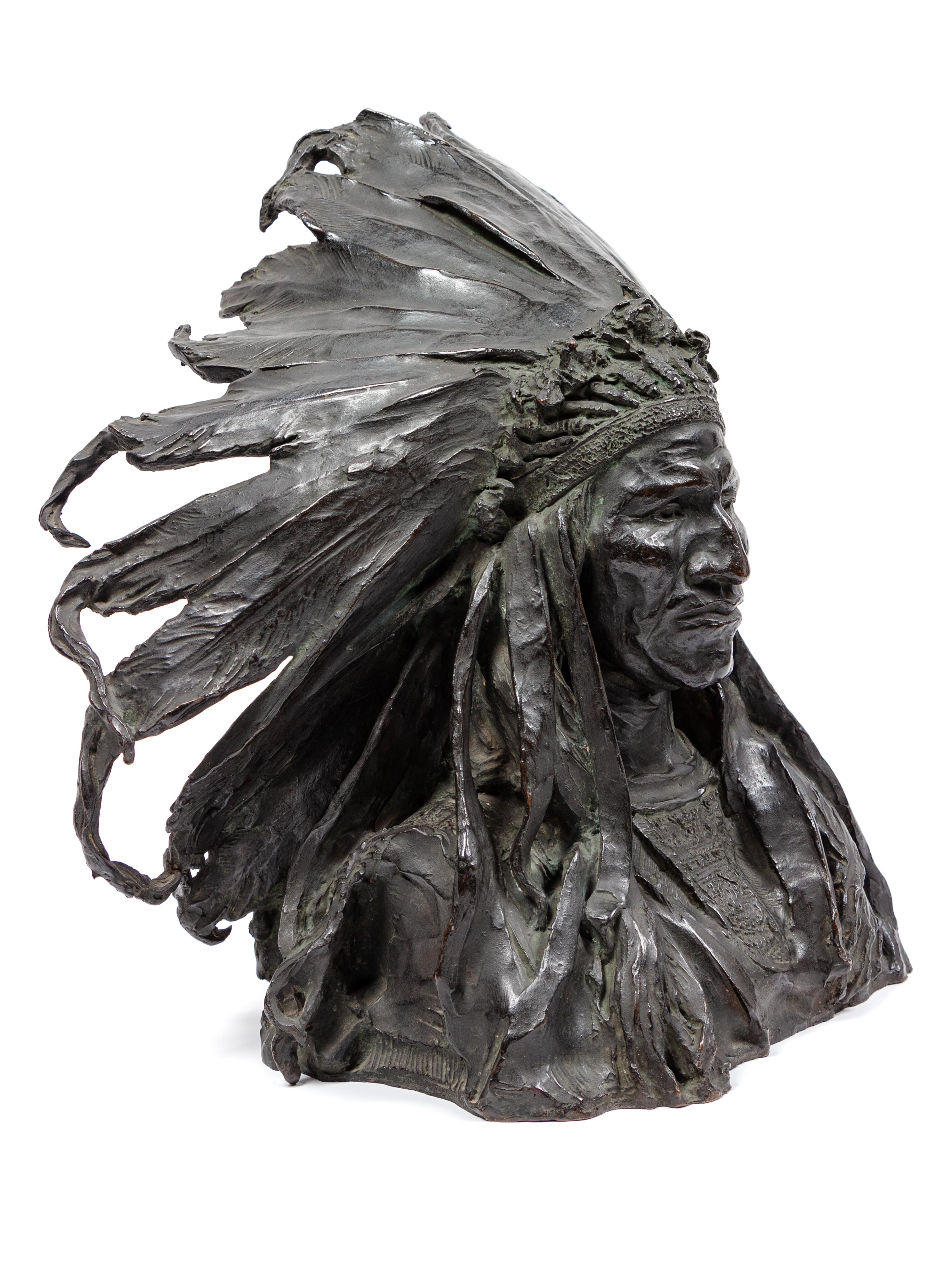
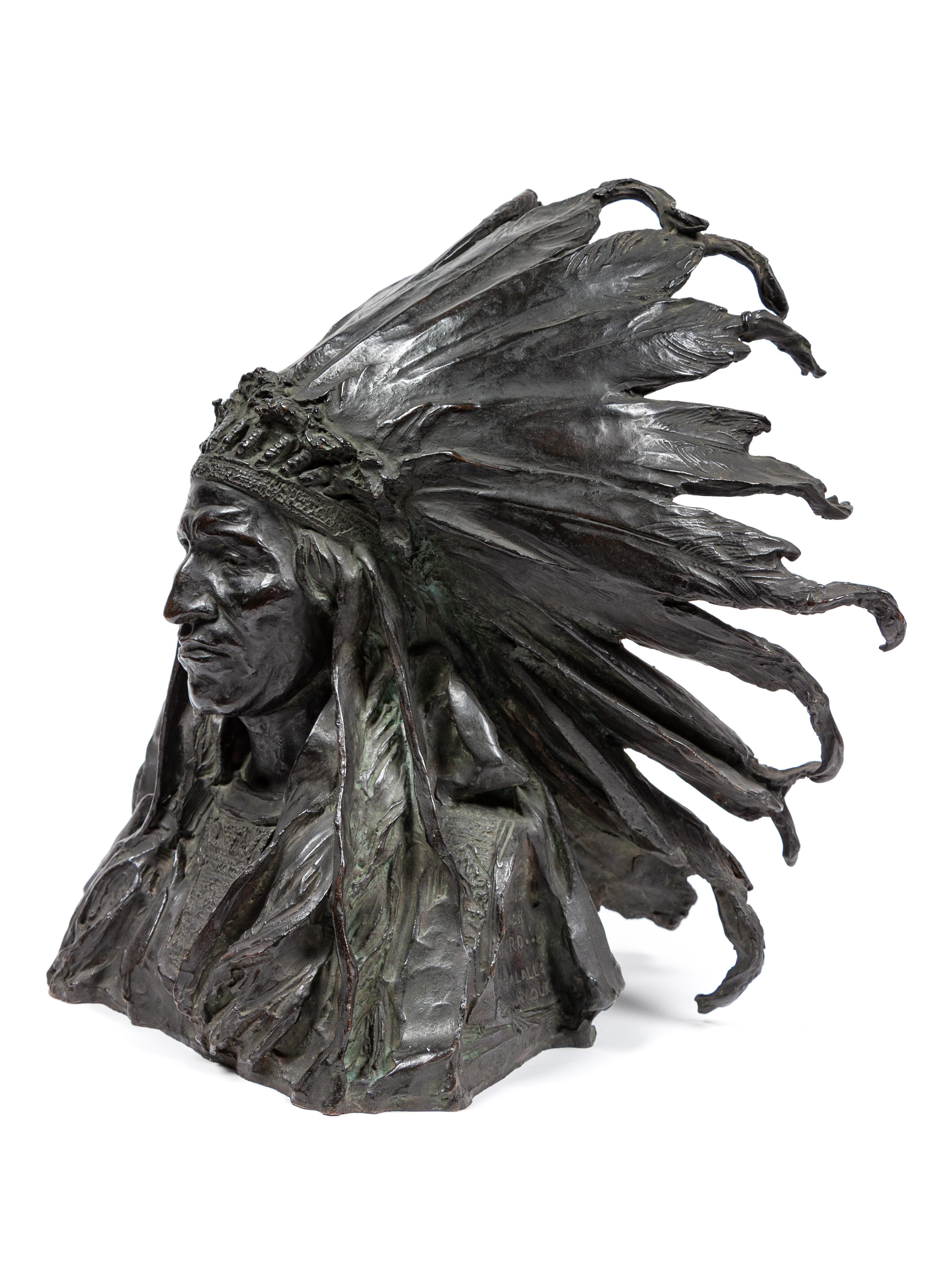
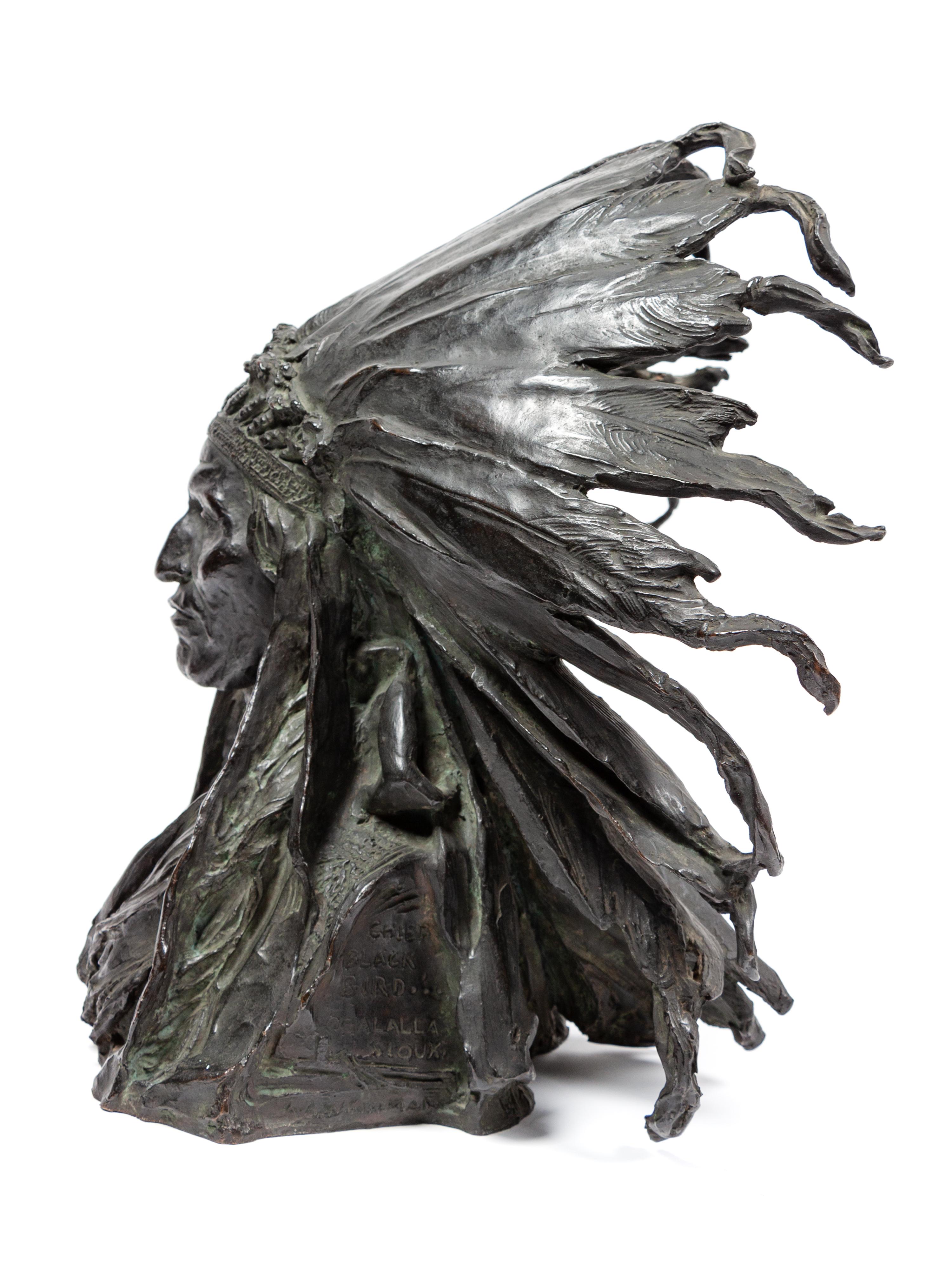
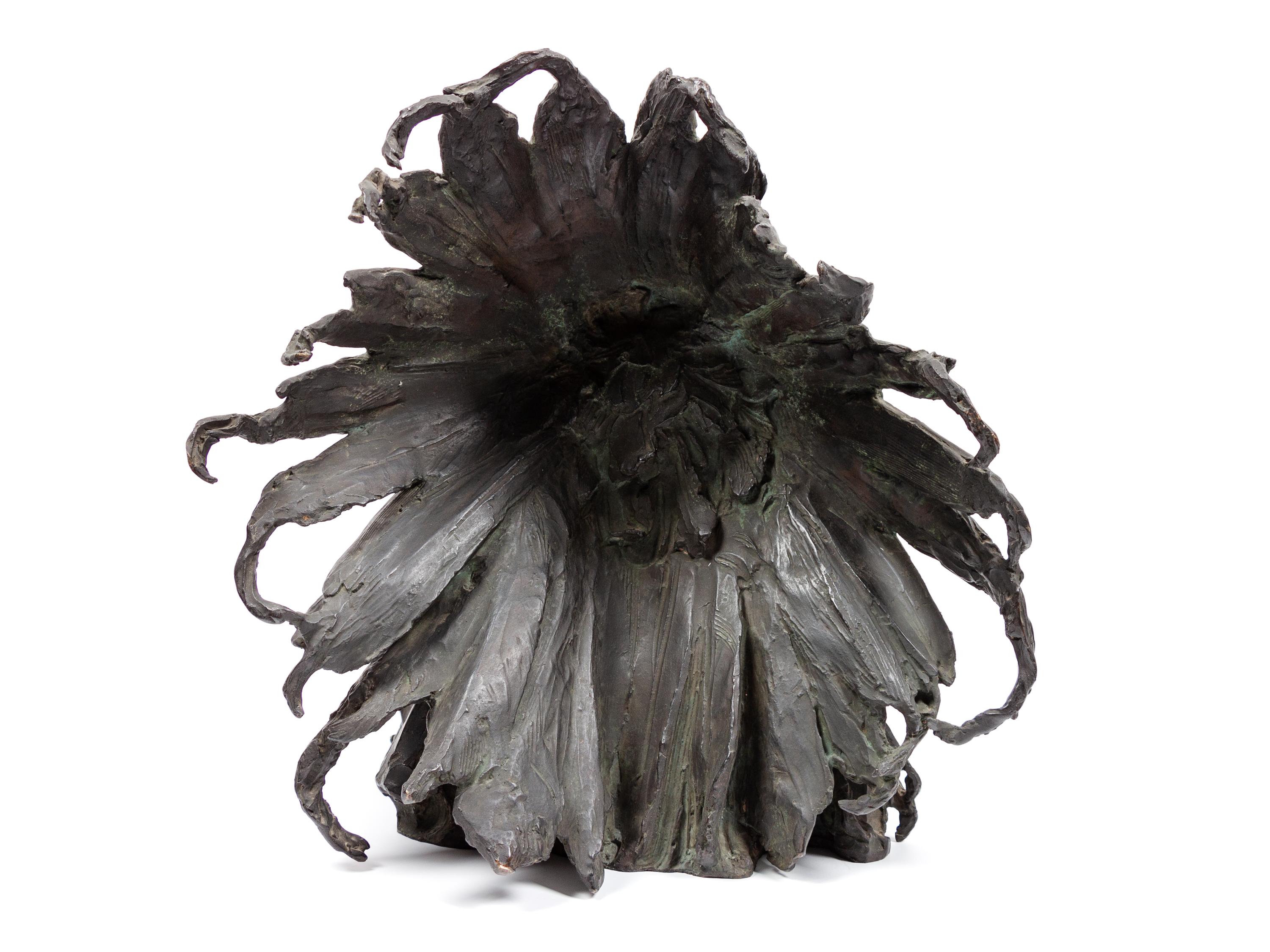
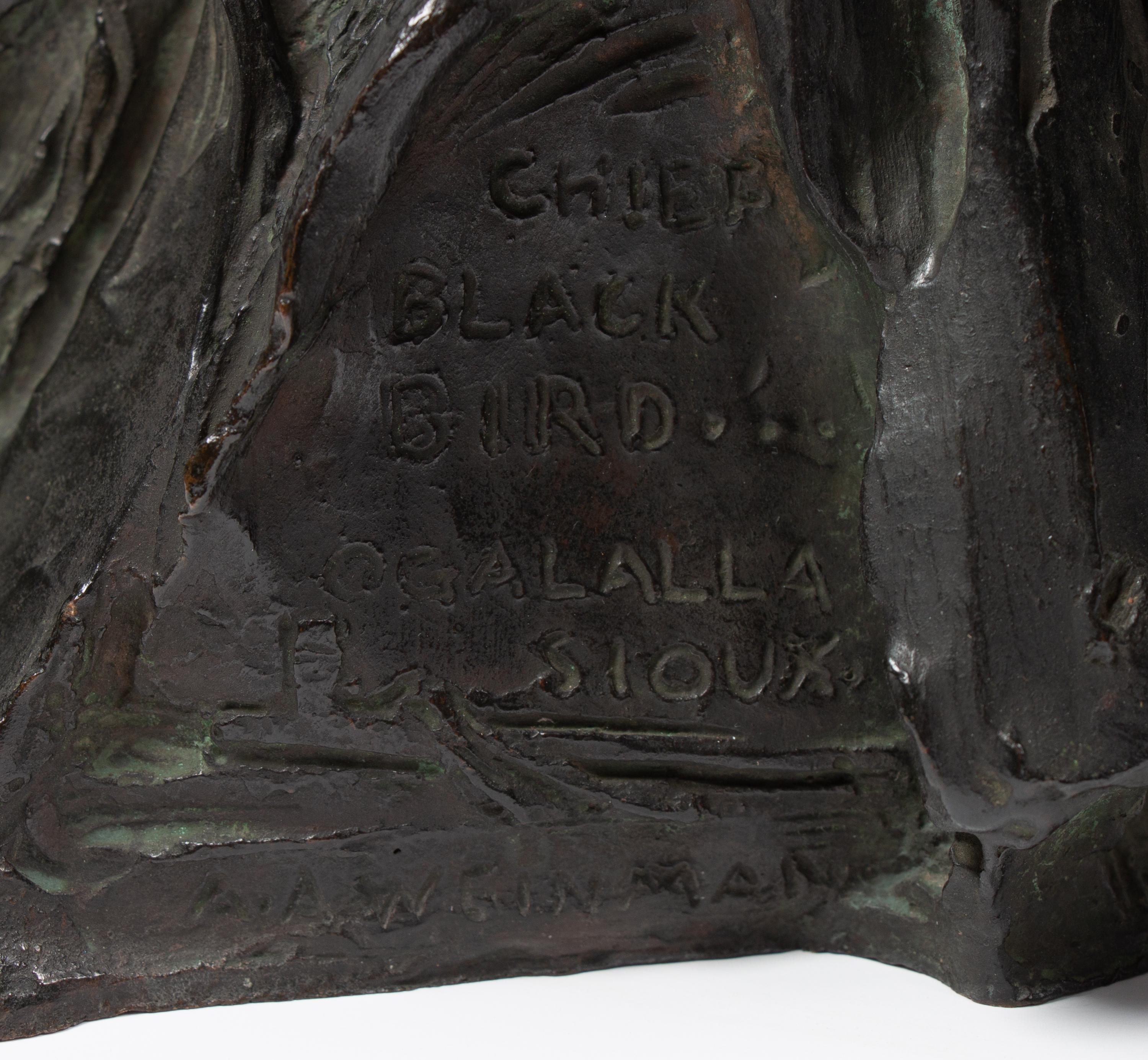
Adolph Alexander Weinman emigrated with his widowed mother to the United States from Germany when he was ten years old. At fifteen, having shown artistic promise, Weinman was apprenticed to Frederick Kaldenberg, an eminent carver of wood, ivory, and meerschaum pipes. In her brief biography of Weinman in Bronzes of the American West, Patricia Janis Broder writes: “It was perhaps Weinman’s early training in so delicate a medium as ivory that gave him such precision in his later work.” (p. 192). After studying at Cooper Union and the Art Students’ League of New York, under Augustus Saint-Gaudens, Weinman served as assistant to Saint-Gaudens, Daniel Chester French, and others, including Olin Levi Warner, whose interest in Native Americans fired Weinman’s own imagination. In 1904, Weinman opened his own studio and gained acclaim for a large sculptural group exhibited at the Louisiana Purchase Exposition in St. Louis. Two years earlier, while amassing reference for the St. Louis commission, Weinman attended Colonel Cummings’s “Wild West Show,” at New York’s Madison Square Garden. There, he met and made studies of several Sioux Natives, including Black Bird, a Sioux chief, who would inspire what is perhaps Weinman’s greatest bronze and most enduring image, Chief Black Bird, Ogalalla Sioux. Weinman sought to portray Native Americans as individuals, as opposed to “types,” and the artist’s sensitivity is readily seen in this portrait, which deftly juxtaposes the topography of experience against the wisdom of a lifetime in the lines around the eyes and mouth and in the clarity of the eyes themselves. Contrast this with the lightness of the headdress—a weightlessness that makes it seem as though a breeze is ruffling the feathers—a feat difficult to achieve in bronze. Weinman’s classical training and precision can also be found in his design for one of our most elegant coins, the “Walking Liberty” half dollar, issued by the U.S. Mint from 1916-1947.
- James D. Balestrieri
The physical condition of lots in our auctions can vary due to age, normal wear and tear, previous damage, and restoration/repair. All lots are sold "AS IS," in the condition they are in at the time of the auction, and we and the seller make no representation or warranty and assume no liability of any kind as to a lot's condition. Any reference to condition in a catalogue description or a condition report shall not amount to a full accounting of condition. Condition reports prepared by Freeman's staff are provided as a convenience and may be requested from the Department prior to bidding.
The absence of a posted condition report on the Freeman's website or in our catalogues should not be interpreted as commentary on an item's condition. Prospective buyers are responsible for inspecting a lot or sending their agent or conservator to inspect the lot on their behalf, and for ensuring that they have requested, received and understood any condition report provided by Freeman's.
Please email westernart@hindmanauctions.com for any additional information or questions you may have regarding this lot.