Ed Clark
(American, 1926–2019)
Ed Clark (American, 1926–2019)
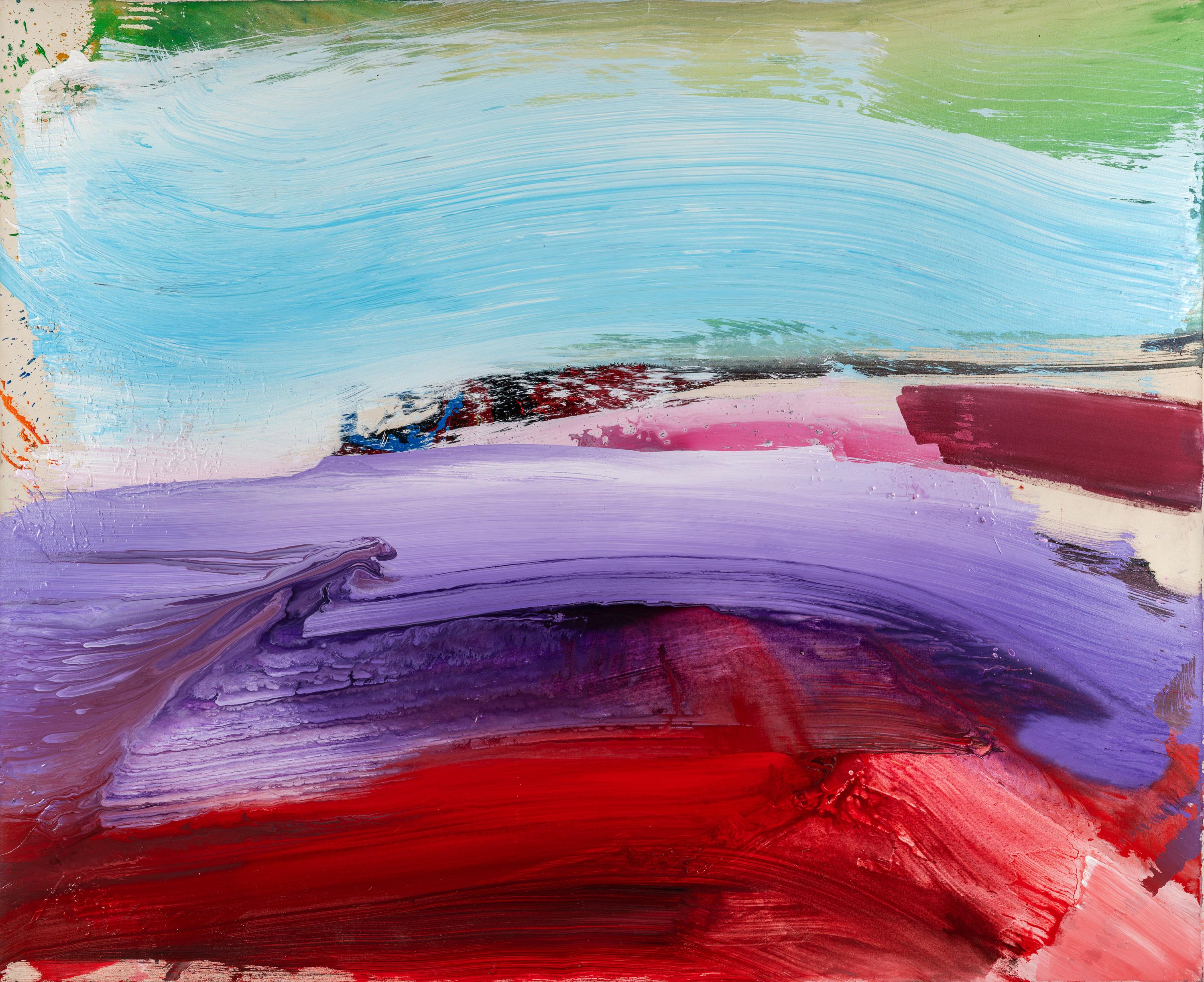
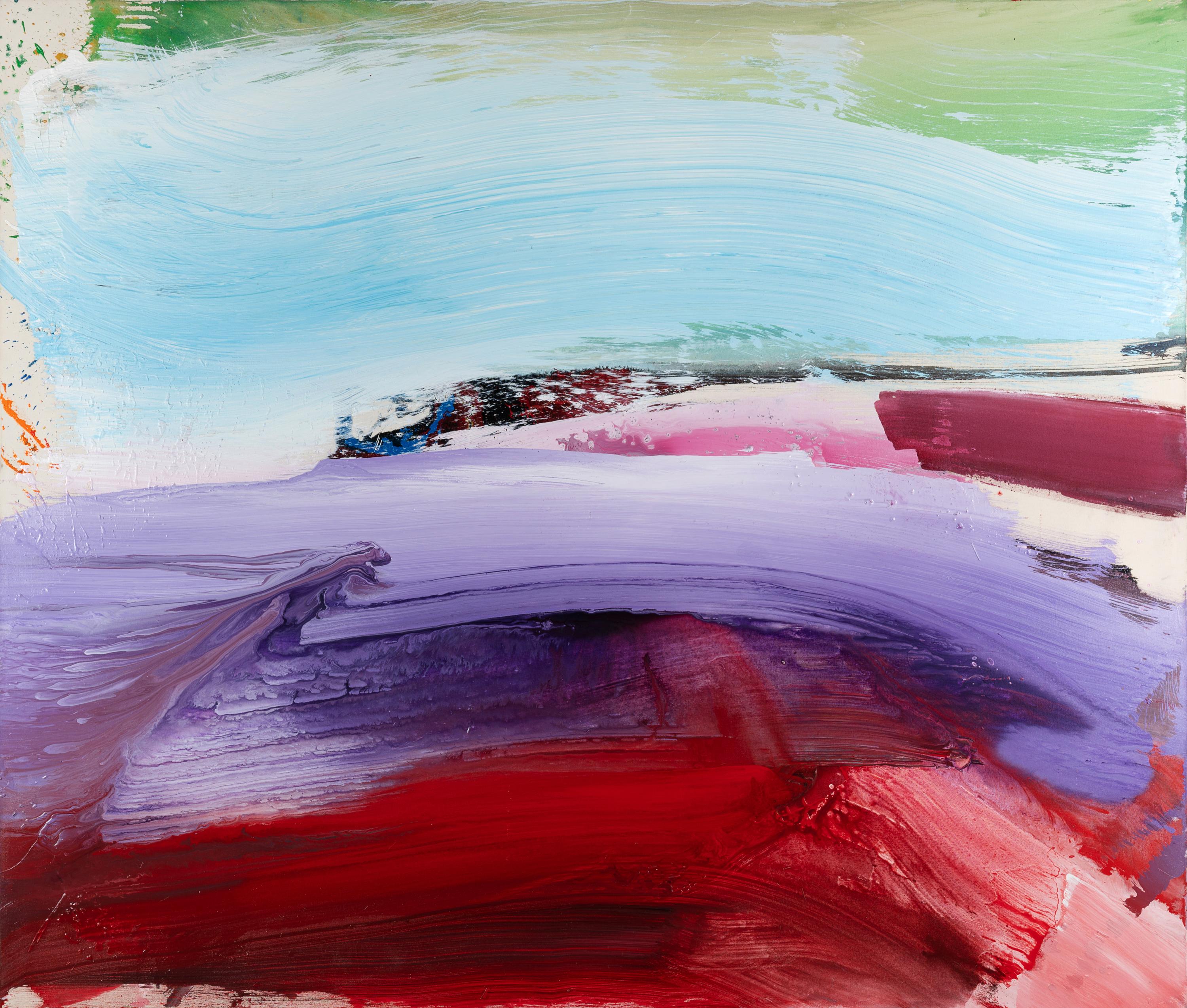
Creation, 2006, 2006
acrylic on canvas
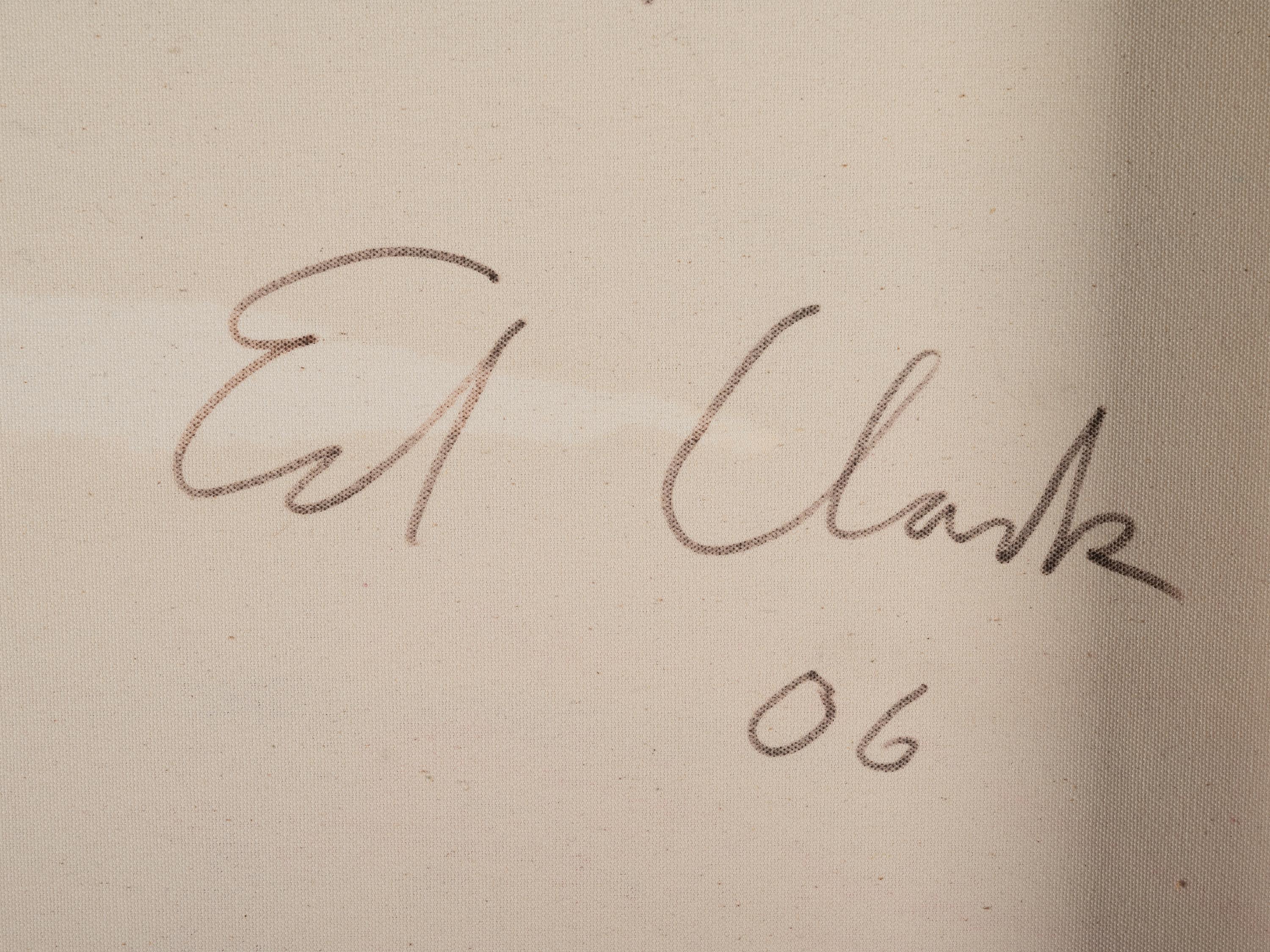
signed Ed Clark, titled and dated (verso)
72 x 84 inches.
Property from the Collection of Dominic Pangborn, Grosse Pointe, Michigan
Provenance:
N'Namdi Center for Contemporary Art, Detroit, Michigan
Lot Note:
Often overlooked Abstract painter Ed Clark was born in New Orleans in 1926, raised in Chicago and despite his woeful lack of name recognition, had a significant influence on Post War American painting that cannot be understated. Arguably a product of racial inequality, the groundbreaking impact of Clark’s work was dampened by the establishment to a quiet storm on the landscape of abstraction for much of his life, with the appropriate attention finally paid to his import only in his later years propelled by a career spanning exhibit at the Art Institute of Chicago in 2013. Fittingly, Clark’s artistic journey began at the School of the Art Institute of Chicago, following service in the United States Air Force without seeing combat during World War II, Clark used his GI Bill of Rights Grant to enroll at SAIC, studying under the figurative tutelage of Louis Ritman. Still sponsored by the United States Government, he continued his education in painting at the Académie de la Grande Chaumière in Paris, ultimately making the city of light his studio home for decades to come. Arriving in Europe a figurative painter, Clark shifted his preferred form of expression to abstraction with a particular interest in the physicality and movement of the paint itself, in large part due to the influence of French painters Nicholas de Stael and Pierre Soulages. It was during his time in Paris, that Clark first employed his signature technique of using a push broom to athletically apply large sweeps of color to canvases laid on the studio floor in energized horizontal waves of material motion. This approach removed the effects of gravity on the medium from the process, placing the exerted activation of the paint entirely in Clark and his broom’s control and allowing as well, for an equitable treatment of all four edges of the picture plane and the fullest brush load application possible.
In the late 1950s Ed Clark was a key contributor to the New York School of painting cofounding the cooperative Brata Gallery on 10th Street in 1957 and innovatively pioneering the use of shaped canvases in a group show later the same year. Shared formal sensibilities withstanding, Clark was adjacent to and never officially aligned with the Abstract Expressionists, following a 1958 solo show at Brata he did not show his paintings again in New York until the 70s, mostly exhibiting in Europe. Clark had established Paris as his base of practice, finding creative comradery there amongst fellow ex pat painters Beauford Delaney, Sam Francis and Joan Mitchell and enjoying the creative French freedom of being judged by the colors of his paintings and not the color of his skin. While Clark’s primary concern in painting was the active physicality of the composing process, the shrewd attention to color theory dynamics and the unique expression of imagined light as color were also consciously addressed on all the artist’s canvases. Inspired by this intense interest in light, Clark traveled the globe chasing atmospheres, the absorbed regional hues, opacity and spaces of Brazil, China, Cuba, Mexico, Martinique and Nigeria ultimately informing the pallete, energy and organization of the corresponding paintings. The resulting products purely abstract realizations by intent, the typically horizontal, two-dimensional tension of shapes, pigments and brushstrokes of the arrangements cannot escape evoking landscape reference, albeit of wonderfully mysterious locale. The viewer in turn enveloped by the distilled essence of the experienced environment as presented by Clark’s action in paint, a participant in an orchestral movement of mood, value and volume.
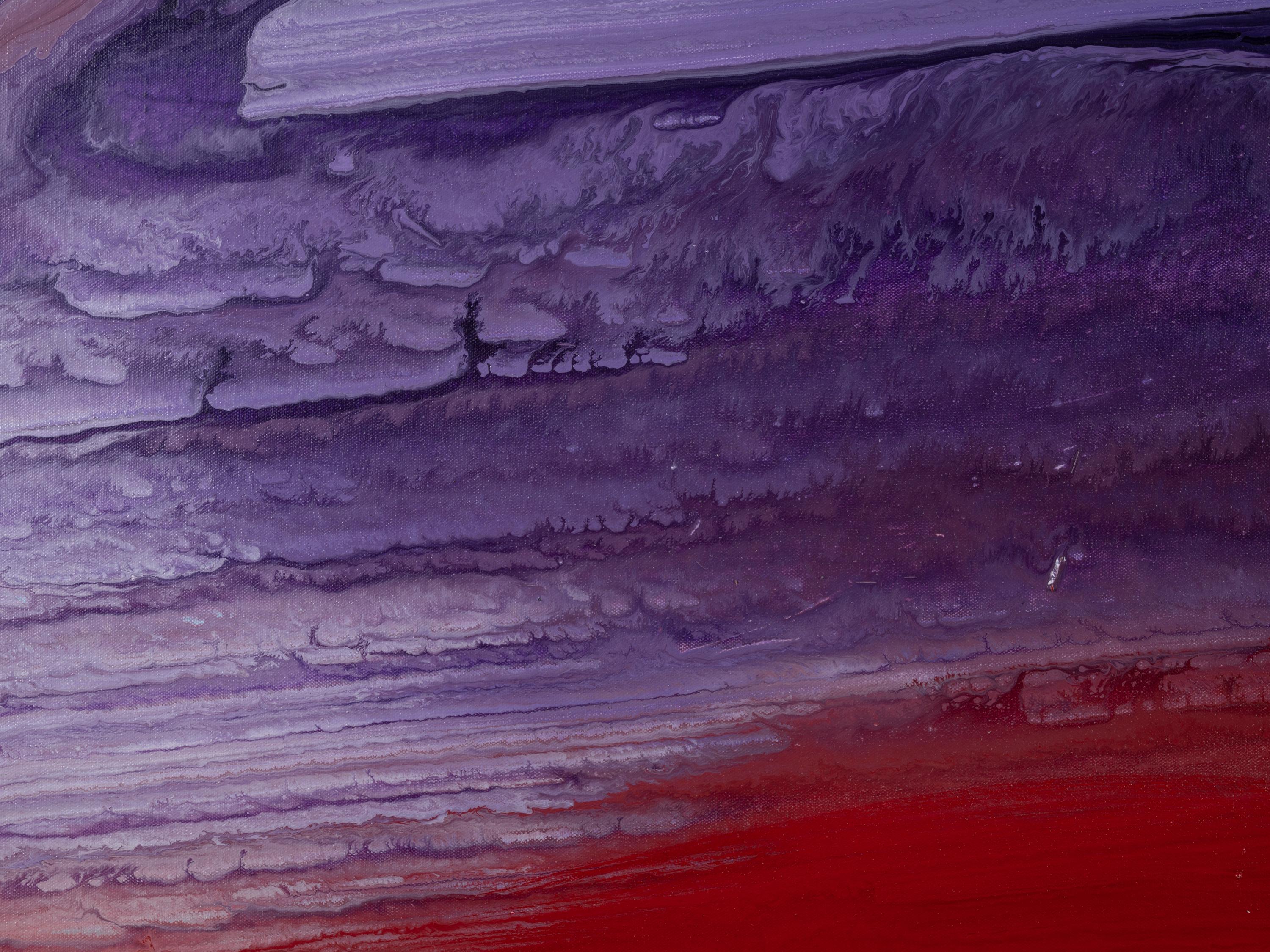
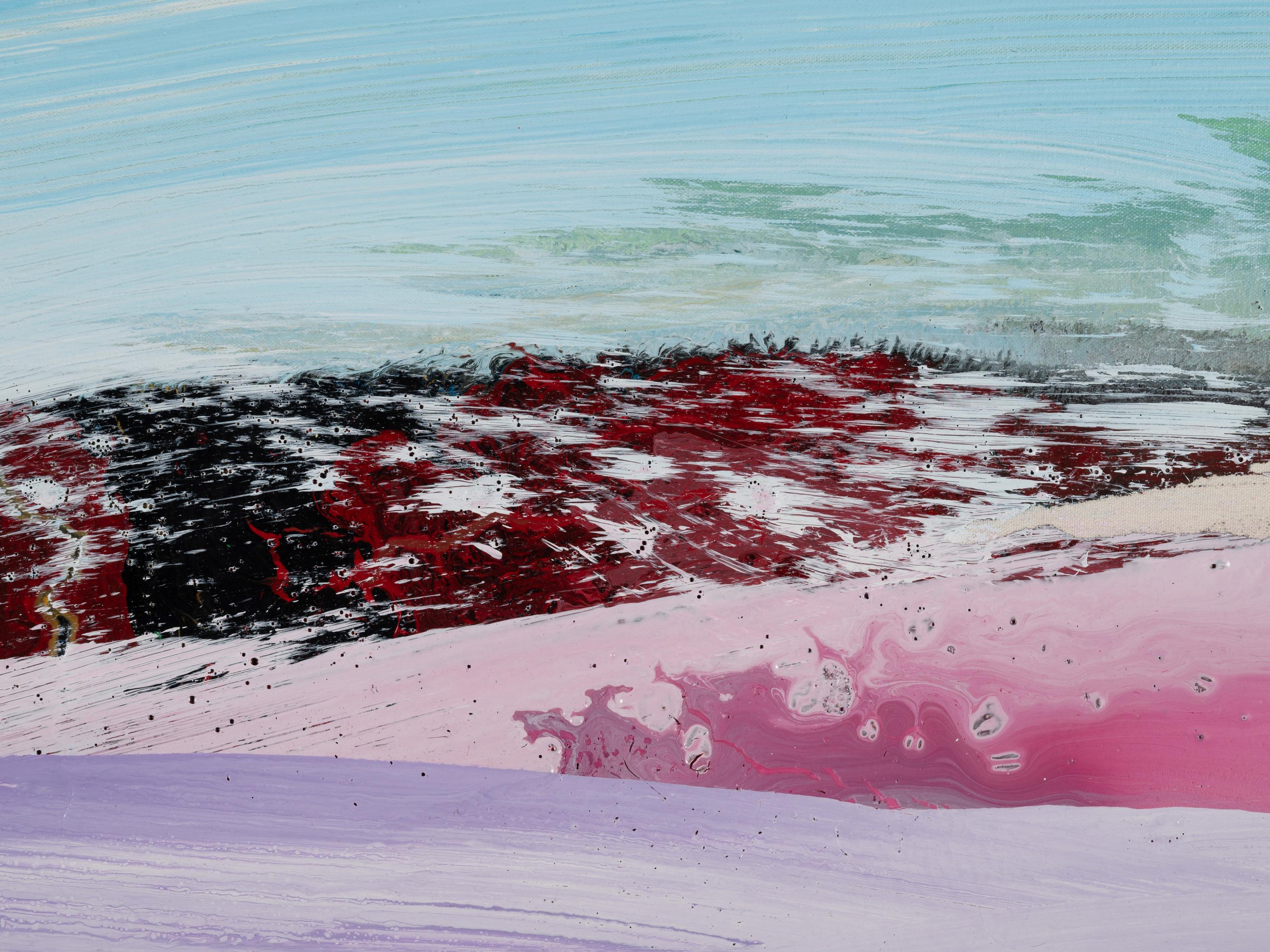
The painting presently offered is a seminal late career work, distinctly demonstrating Clark’s rarified painterly vision, and reflecting the evolved refinement of a life’s commitment to pushing the language of non-objective expression into new realms. The aptly titled Creation from 2006 captures, like all of Clark’s best works, the beautiful functional agitation of making in two dimensions, a calculated and colorful big bang on canvas, defining the form of painted composition from the void of negative space. A modulated wave of light blue with accenting white crests splashes across the upper portion of the canvas, terrestrial green section peers through this gestural storm of inventive energy, slightly grounding the cosmic force. Deep reds aggressively churn and dance at the bottom of the picture plane, explosive and angry like molten magma or boiling blood, an exciting antagonist to the soothing space specifying sky-blue swath above. The powerful primaries harnessed, crash in the center, a collision of vivid color titans giving life to a calm cloud of blended purple a restful island in the primordial soup of Clark’s creative crescendo. Economic refrains of pink, white and magenta punctuate the captivating visual conflict bringing further comforting balance to the composition. In this symphony of shape and saturation overtures, Clark generously guides the audience’s eyes through the sublime struggle of all phases of the creation process from the ecstasy of inception, through the daring exercise of deciding directions to the culminative solution to problem of concocted space with the satisfying and elevating finishing strokes. Although the evidence of effort is integral to the painting, the artistry itself appears effortless as though a natural phenomenon articulating an accessible pattern of a greater divine order, a tangible display of a generous creators affirming toil, the ultimate product a transcendent artifact of the transformative and progressive experience of the maker making.