To request further details about this lot, please email conditionreports@freemansauction.com

Zack Wirsum
SVP, Head of Department, Post War and Contemporary Art
Sale 1027
| Chicago
| Chicago
To request further details about this lot, please email conditionreports@freemansauction.com
Zack Wirsum
SVP, Head of Department, Post War and Contemporary Art
Estimate$50,000 – $70,000
Provenance:
David Zwirner, New York
Acquired from the above by the present owner in 2007
Lot Note:
Thomas Ruff’s (b. 1958) experimental work in photography has been groundbreaking to the medium, posing critical questions about the nature of reality and the role of photography in the digital age. During his youth, Ruff was captivated by the bright, colorful photos in National Geographic, and grew up imitating their style before applying to the Kunstakademie Düsseldorf to receive training. There, his style changed rapidly as he embraced contemporary conceptual photography under the tutelage of Bernd and Hilla Becher. The Bechers were known for black and white pictures of industrial architectural structures like water towers and factories, often grouped together in a grid formation.
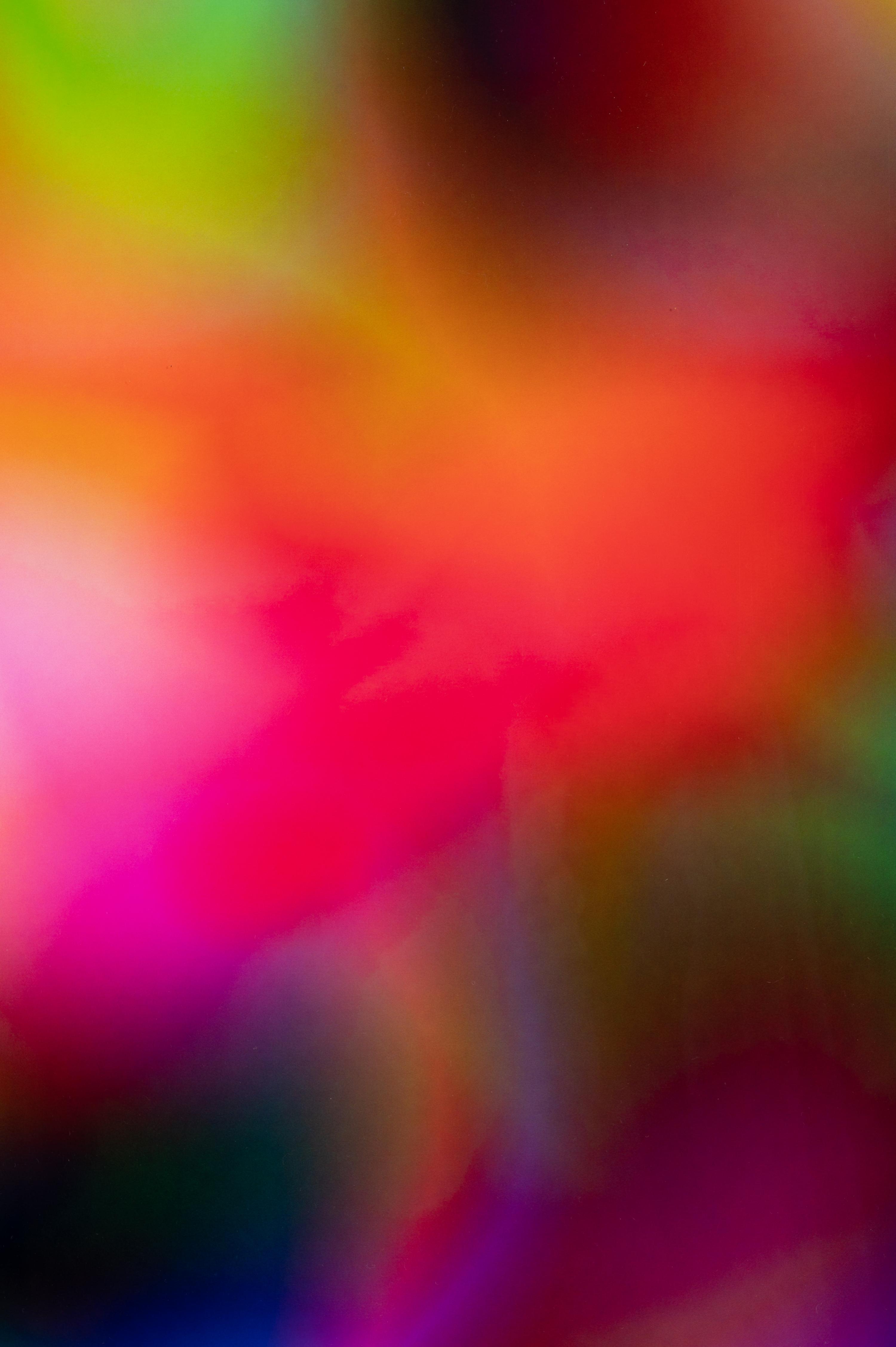
In the Substrates series (2002-2003), Ruff sourced internet images of Japanese manga and anime cartoons and then digitally altered them to abstraction before printing in a monumental scale. Art historian Viviane Rehberg noted that the Substrates “go so far as to liberate photographic representation from its dependence on the real.”[i] Of his digital work, Ruff has said that “In the end, they are my pictures. I am the author of all those images. It’s just that the original source is not mine.”[ii] In taking up the manipulation of these digitally rendered images, Ruff questions the nature of photography and the role of the photographer, particularly in a world increasingly saturated with media that has been edited and produced digitally.
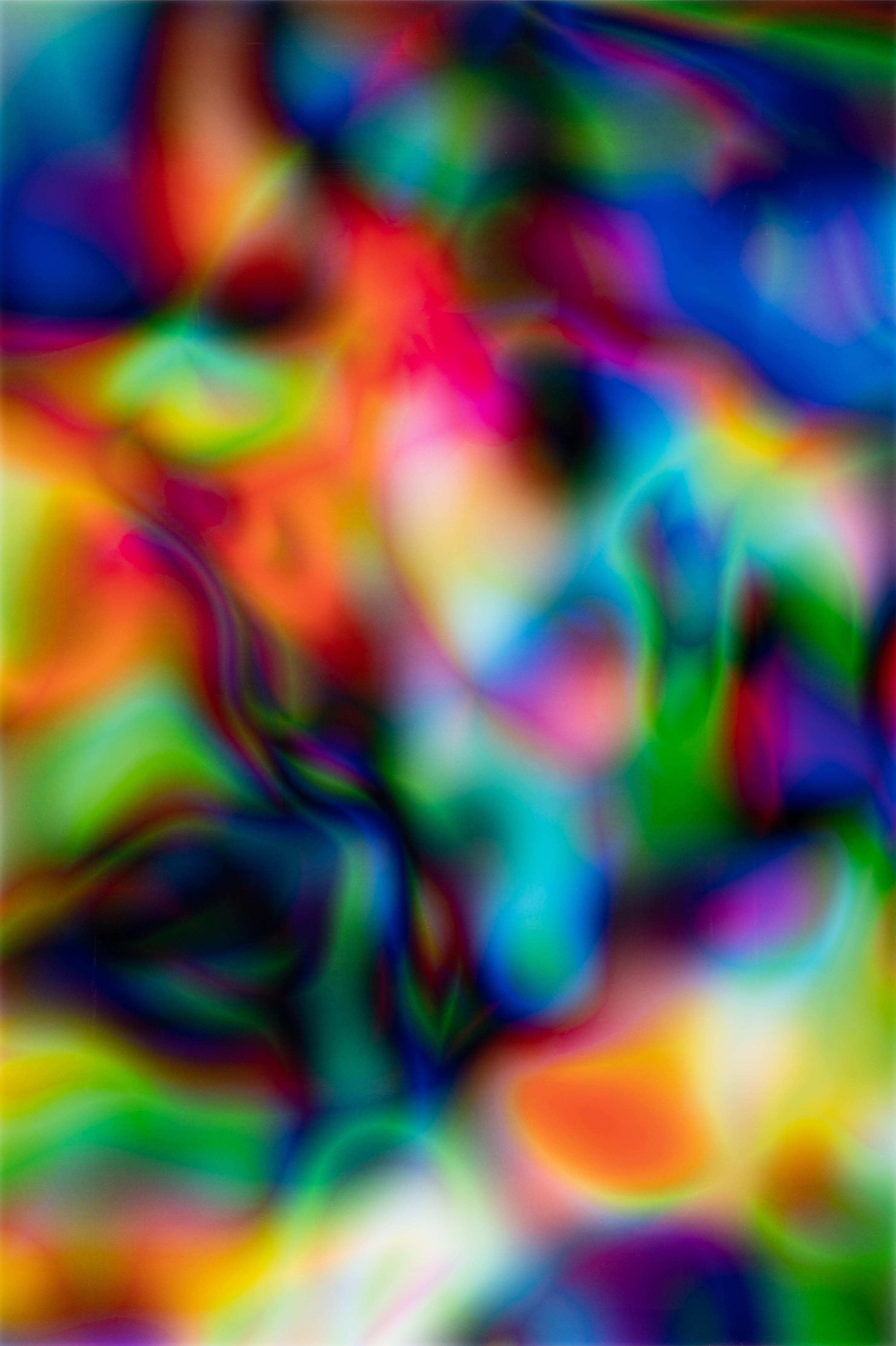
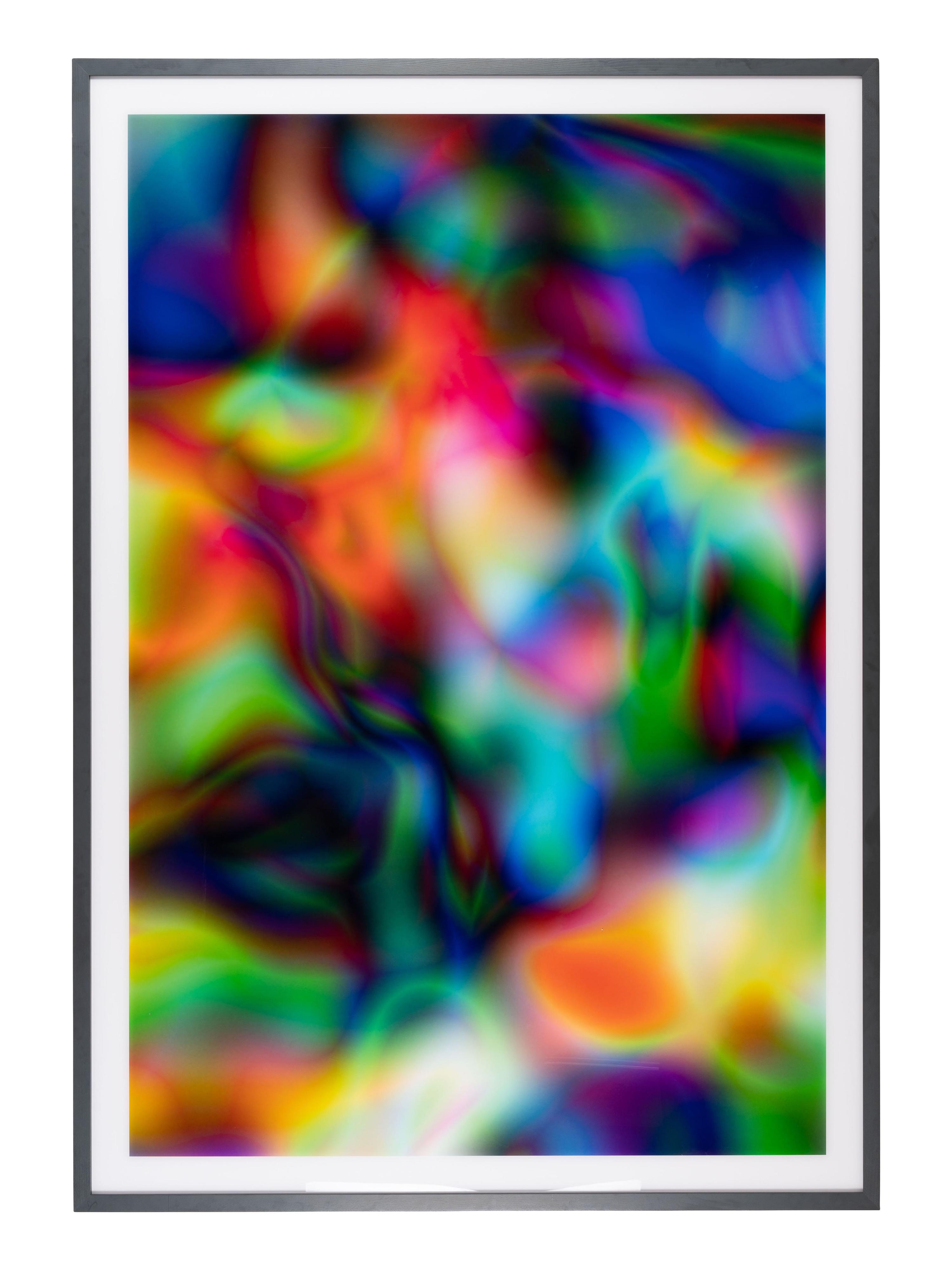
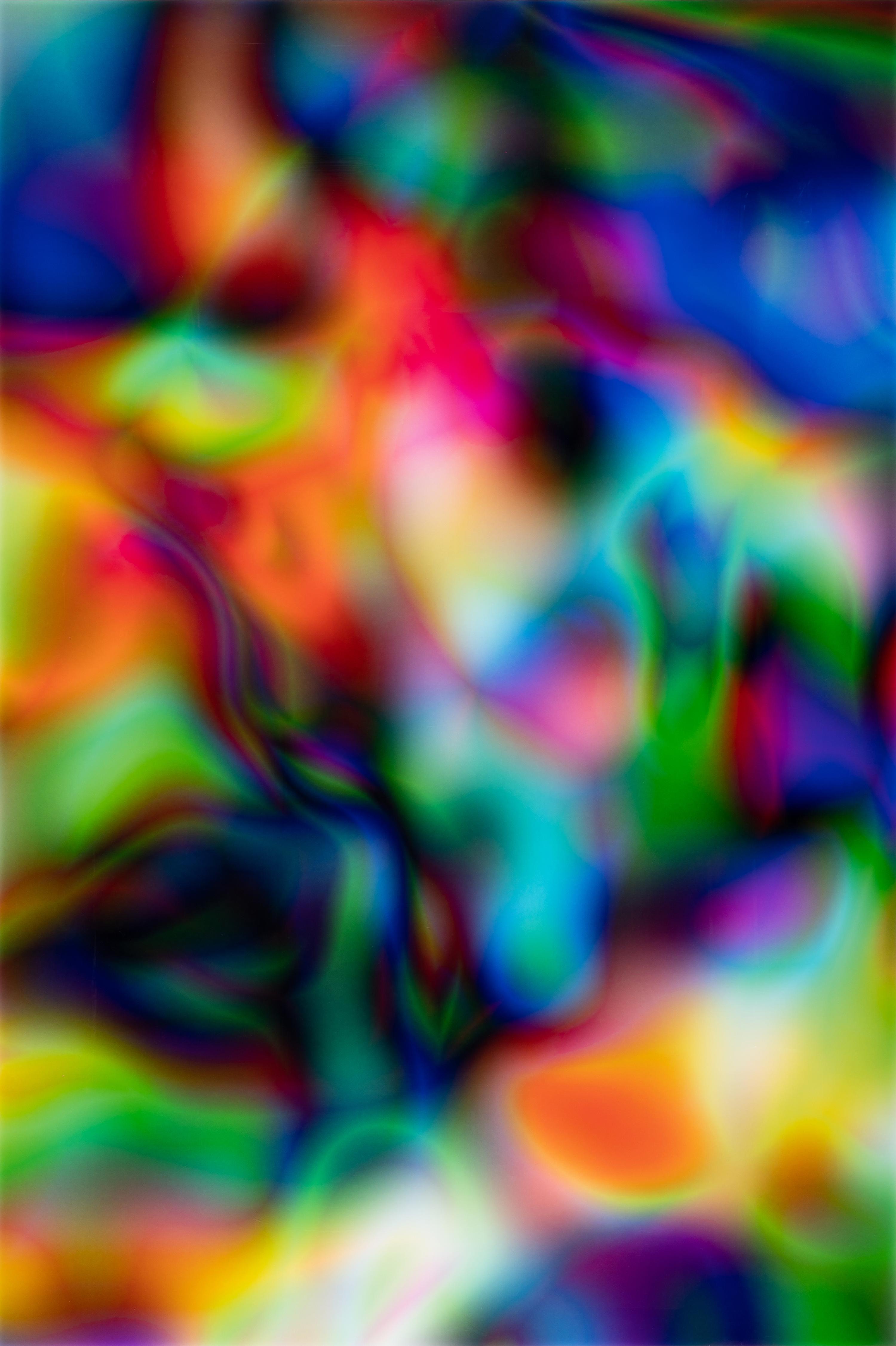
The Substrates highlight Ruff’s life-long fixation on color and experimentation. In Substrat 9 III, offered here, organic forms in rich tones confront the viewer. The method of printing with the Diasec process—directly mounting the photographic print on the acrylic sheet—increases the intensity and luminosity of the colors. These tones are so emblematic of the early Digital Age—acidic greens and yellows tempered by deep blues and warm magentas. They would almost be overwhelming to the viewer if not for lines of color created by the modulated internet forms snaking through the composition for the eyes to follow, mostly in contrasting shades to the organic forms in which they cut. These lines allow a limited entry into the photograph’s surface. But, the color-field forms keep the plane of the work shallow, inhibiting the viewer from going farther. As Rehberg asked of the Substrates “does Ruff’s unwavering exploration of the photograph’s surface finally reveal what lies behind it? Or are we really just dealing with appearances?”[iii] In Substrat 9 III, Ruff’s carefully composed photograph invites the viewer to decide for themselves.
[i] Viviane Rehberg, “Surface tension,” Tate, accessed March 29, 2022, https://www.tate.org.uk/art/artists/thomas-ruff-2602/surface-tension.
[ii] Liz Jobey, “An interview with the artist Thomas Ruff,”Financial Times, September 15, 2017, https://www.ft.com/content/6fbd0cfa-9746-11e7-a652-cde3f882dd7b.
[iii] Rehberg, “Surface tension.”